
What Safety and Maintenance Points Apply to Tyre Packing Machines?
Have you ever considered the true cost of an overlooked safety check or a skipped maintenance routine in your packing operation? As someone who has built a packing machine factory from the ground up, I have seen firsthand how easily small oversights can lead to significant problems. In the fast-paced world of manufacturing, especially with bulky items like tires, ensuring your packing machines run safely and efficiently is not just good practice; it is absolutely essential for your bottom line and your team’s well-being.
Tyre packing machines require rigorous safety protocols and a diligent maintenance schedule to ensure operational continuity and protect personnel. Key points include implementing robust lockout/tagout procedures, ensuring all safety guards are intact and functional, providing comprehensive operator training, and adhering to a proactive preventive maintenance program that covers lubrication, inspection of wear parts, and regular cleaning.
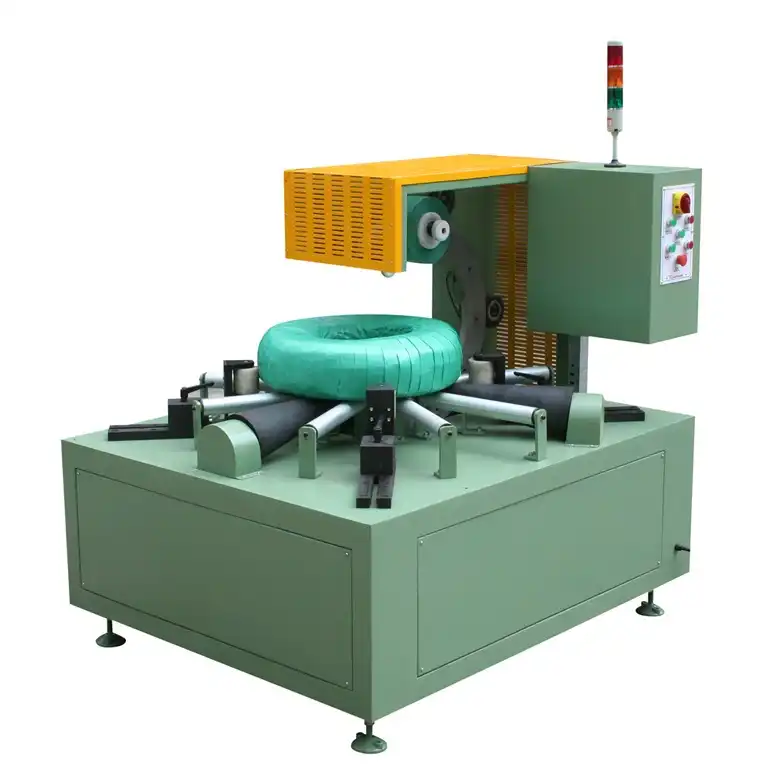
It is easy to focus only on production numbers. However, real success comes from understanding the full picture. This means looking closely at how safety and maintenance directly impact your efficiency, costs, and the trust your team places in you. Let’s dive deeper into these critical areas for tyre packing machines, exploring how we can achieve both peak performance and a safe working environment.
1. Why is safety paramount for tyre packing machines?
Have you ever thought about the hidden costs of a workplace accident? Beyond the immediate impact on an individual, an incident on the factory floor can halt production, damage machinery, and significantly increase your operational expenses. For tyre packing machines, which handle heavy and often awkwardly shaped items, safety cannot be an afterthought; it must be built into every process.
Safety is paramount for tyre packing machines because it directly protects personnel from severe injuries, prevents costly downtime and product damage, ensures compliance with strict industrial regulations, and maintains a positive work environment, all of which contribute to long-term business sustainability and profitability.
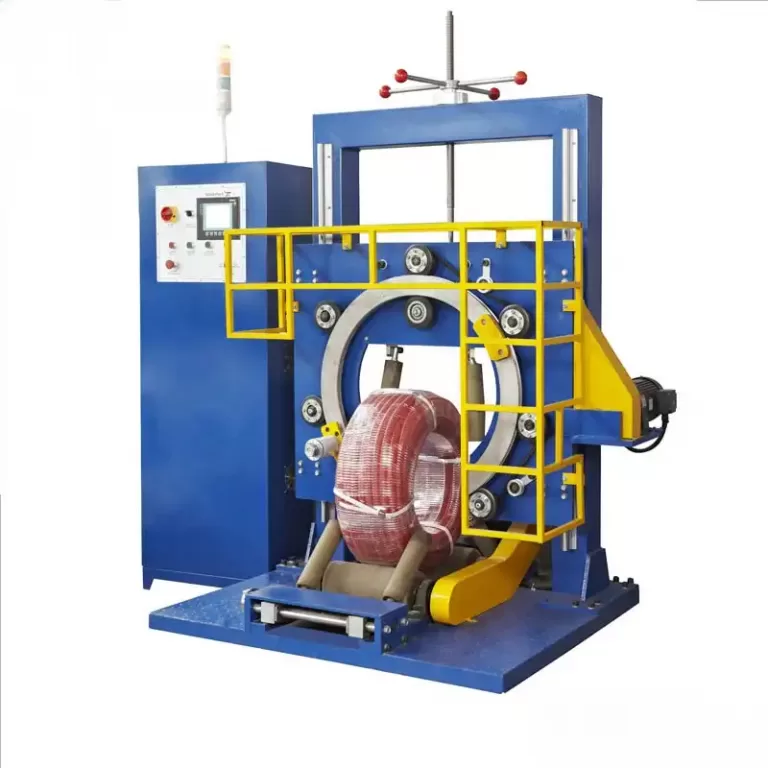
From my early days working on the factory floor to establishing FHOPEPACK, I have always seen safety as the bedrock of any successful operation. The truth is, ignoring safety puts everyone at risk. Think about Michael Chen, a factory manager I know from Mexico. He faces constant pressure to boost output while keeping costs low. For him, a single safety incident means not just a worker injured, but also halted production, potential legal issues, and increased insurance premiums. It can even lead to staff turnover because no one wants to work in an unsafe place. When we talk about tyre packing machines, we are dealing with powerful equipment that uses motors, pneumatics, and hydraulics to move and secure heavy objects. If a machine malfunctions, or if an operator is not properly trained, the results can be catastrophic. Tyres can roll unexpectedly, pinch points can cause severe crush injuries, and moving parts can snag clothing or limbs. The importance of safety is not just about avoiding fines; it is about protecting human lives and ensuring the business can continue to operate without disruption. It is about understanding that a small investment in safety training or machine guards can save millions in potential losses and human suffering. This proactive approach to safety becomes a powerful tool for operational excellence and employee trust. (workplace safety, injury prevention, operational continuity)
Let’s break down the core reasons why safety cannot be compromised:
1.1 Protecting Your Most Valuable Asset: Your People
- Preventing Injuries: Tyre packing machines have numerous moving parts, pinch points, and heavy components. Proper safety measures, like robust machine guarding and emergency stop buttons, are the first line of defense against severe lacerations, crush injuries, and even fatalities. No machine is worth a worker’s health.
- Boosting Morale: When employees feel safe, they are more productive and loyal. A strong safety culture shows you care about your team. This reduces stress and creates a more positive atmosphere on the factory floor.
1.2 Safeguarding Your Operations and Finances
- Minimizing Downtime: Accidents often mean stopping the production line. This leads to lost output and missed deadlines. Proper safety procedures prevent incidents that can cause unexpected shutdowns.
- Reducing Costs: Workplace injuries incur direct costs like medical expenses, worker’s compensation, and increased insurance premiums. Indirect costs include investigation time, legal fees, and decreased productivity from a disrupted workforce. A safe environment significantly lowers these financial burdens.
- Preventing Product Damage: Safety protocols for machine operation also help prevent mishandling. This reduces damage to the tyres themselves, saving money on scrap and rework.
1.3 Ensuring Compliance and Reputation
- Meeting Regulations: Governments and industry bodies set strict safety standards for machinery. Non-compliance can lead to hefty fines, legal actions, and even forced shutdowns. Following these rules is not optional.
- Maintaining Reputation: A history of accidents can severely damage your company’s image. This affects customer trust, potential partnerships, and your ability to attract top talent. A strong safety record builds a reputation for reliability and responsibility.
Consider the common risks associated with tyre packing machines:
| Risk Factor | Potential Hazard | Impact on Operations |
|---|---|---|
| Moving Parts | Entanglement, crushing, shearing | Severe injuries, machine damage, production halt |
| Heavy Tyres | Impact injuries, unstable loads, crushing | Worker injuries, product spoilage, equipment strain |
| Pneumatic/Hydraulic Systems | Leaks, sudden pressure release, component failure | Sprung parts, chemical burns, unexpected machine movement |
| Electrical Components | Electrocution, short circuits, fire | Fatal injuries, equipment fire, power outages |
| Human Error | Incorrect operation, bypass safety features | Accidents, machine breakdown, compromised product quality |
(safety protocols, operational risks, compliance standards)
2. What are the key operational safety measures for tyre packing equipment?
You have invested in a tyre packing machine, but how do you make sure it runs without putting your workers in harm’s way? Simply having the machine is not enough. The real challenge comes in day-to-day operations, where small lapses can lead to big problems. This is where a clear set of operational safety measures becomes absolutely vital.
Key operational safety measures for tyre packing equipment include strict adherence to Lockout/Tagout procedures during maintenance, readily accessible emergency stop buttons, robust physical guarding of all moving parts, comprehensive and continuous operator training, and regular pre-operation inspections to identify any potential hazards before startup.
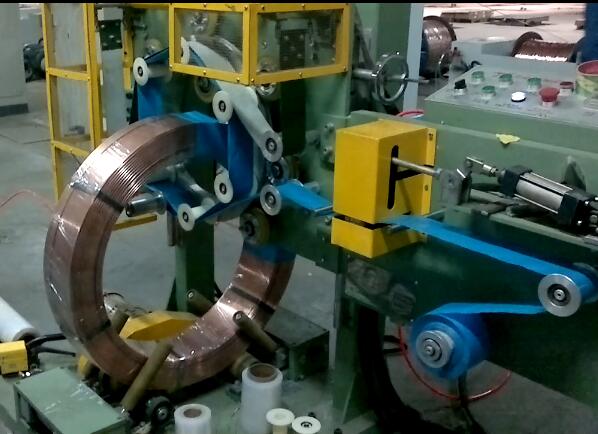
When I visit factories, one of the first things I look at is how well operators understand and follow safety protocols. It is not just about what is written in the manual. It is about the culture. For a manager like Michael, who needs to boost output, it might feel like safety procedures slow things down. But my experience shows the opposite is true. Well-implemented safety measures prevent incidents that cause far more significant delays than a proper lockout procedure ever would. I remember one client who thought bypassing a safety guard would save a few seconds per tyre. Within a week, there was an incident that cost them days of production and thousands in medical bills. This proved that shortcuts in safety are always expensive. Operational safety is about building a system where every worker knows their role in preventing accidents. It means providing the right tools, ensuring clear communication, and empowering employees to speak up if they see something unsafe. It is about creating an environment where safety is everyone’s responsibility, not just a manager’s task. This commitment to practical, daily safety measures ensures that the high-intensity environment of a metal processing plant, or any facility handling heavy items, remains productive and secure. (operational safety measures, machine safeguarding, emergency procedures)
Let’s examine the practical steps that make a real difference:
2.1 Implementing Lockout/Tagout (LOTO) Procedures
- Why it Matters: LOTO is crucial for preventing unexpected machine startup or release of stored energy during maintenance or servicing. Without it, a technician working on a machine could suffer severe injury if it suddenly activates.
- How to Do It:
- Identify Energy Sources: Know all electrical, hydraulic, pneumatic, and mechanical energy points.
- De-energize: Turn off the machine and disconnect all power sources.
- Isolate: Lock out energy-isolating devices.
- Tag: Place a tag on the lock clearly stating who is doing the work and why.
- Verify: Test that the machine cannot be started. This step is often overlooked and is critically important.
- My Tip: Ensure specific LOTO kits are available for each machine and that all personnel are thoroughly trained on their use and the correct sequence.
2.2 Emergency Stop (E-Stop) Buttons
- Instant Halt: E-stop buttons must be clearly visible, easily accessible, and functional at all times. They provide an immediate way to stop the machine in an emergency, preventing further injury or damage.
- Regular Checks: Operators should routinely test E-stop buttons as part of their pre-shift checklist. A non-functional E-stop is a major hazard.
2.3 Machine Guarding
- Physical Barriers: Guards protect operators from moving parts like rotating shafts, belts, and gears. For tyre packing machines, this includes enclosures around wrapping heads and conveyor systems.
- Interlocks: Many modern machines use interlocked guards. This means the machine will not operate if a guard is open or removed. Never bypass these safety features.
- Fencing: For larger automated systems, perimeter fencing with safety interlocks prevents unauthorized access to dangerous zones.
2.4 Comprehensive Operator Training
- Beyond the Basics: Training should cover machine operation, hazard recognition, emergency procedures, and LOTO. It is not a one-time event; refresher courses are vital.
- Practical Application: Hands-on training where operators demonstrate correct procedures is far more effective than just reading manuals.
- Empowerment: Train operators to report any unsafe conditions or malfunctioning safety devices immediately.
2.5 Pre-Operation Checks and Daily Inspections
- Before Each Shift: Operators should perform a quick visual inspection.
- ✅ Are all guards in place and secure?
- ✅ Are E-stop buttons functional?
- ✅ Is the work area clear of debris and trip hazards?
- ✅ Are there any visible leaks (hydraulic, pneumatic)?
- ✅ Is the machine properly lubricated?
- Checklist Usage: Provide clear, simple checklists to ensure consistency.
3. What critical maintenance practices keep tyre packing machines running smoothly?
Imagine your tyre packing machine suddenly stops in the middle of a busy shift. Production grinds to a halt, orders pile up, and your team stands idle. This is a factory manager’s nightmare. The truth is, many breakdowns are preventable. The key lies in implementing robust and consistent maintenance practices that keep your equipment running optimally.
Critical maintenance practices for tyre packing machines include implementing a comprehensive preventive maintenance schedule, ensuring regular lubrication of all moving components, conducting frequent inspections for wear and tear, diligently cleaning the machine to prevent accumulation of debris, and proactively managing spare parts inventory to minimize downtime during repairs.
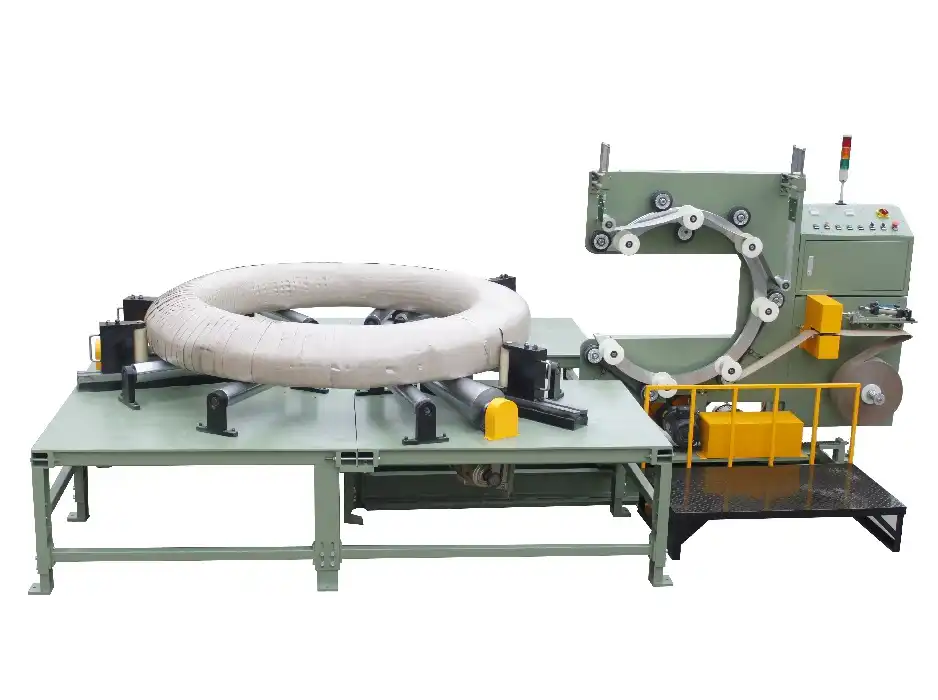
From my experience setting up and running factories, I have learned that reactive maintenance is a losing game. Waiting for something to break before fixing it costs far more in the long run than a planned maintenance program. Michael Chen, with his extensive experience in heavy manufacturing, knows this well. He understands that equipment reliability directly impacts his output and cost control. A well-maintained machine is not just less likely to break down; it also operates more efficiently, uses less energy, and produces better quality output. I have seen factories where a lack of proper lubrication led to premature bearing failure, causing days of downtime and expensive replacements. On the other hand, I have guided clients who, by investing in a strong preventive maintenance plan, significantly extended the lifespan of their machines and achieved consistent production levels. This strategic approach to maintenance is about more than just fixing things. It is about understanding the lifespan of components, anticipating potential issues, and scheduling interventions when they cause the least disruption. It allows you to control your costs and predict your production capacity with greater accuracy. (preventive maintenance, machine uptime, operational efficiency)
Let’s delve into the specific practices that ensure machine longevity and performance:
3.1 Establishing a Preventive Maintenance (PM) Schedule
- Planned Interventions: PM involves scheduled inspections, servicing, and part replacements to prevent failures. This includes daily, weekly, monthly, and annual tasks.
- Manufacturer Guidelines: Always follow the machine manufacturer’s recommendations for PM intervals and tasks. FHOPEPACK, for example, provides detailed guides for all its machines to ensure optimal performance.
- Benefits: Reduces unexpected breakdowns, extends equipment lifespan, improves safety, and maintains product quality.
3.2 Regular Lubrication
- Reducing Friction: Proper lubrication of bearings, gears, chains, and other moving parts is vital. It reduces friction, heat, and wear, which are major causes of component failure.
- Correct Lubricants: Use the type and amount of lubricant specified by the manufacturer. Using the wrong type can cause more harm than good.
- Frequency: Lubrication schedules should be part of the PM plan, adjusted based on machine usage and operating conditions.
3.3 Frequent Inspections for Wear and Tear
- Visual Checks: Regularly inspect belts, chains, sprockets, rollers, sensors, and electrical wiring for signs of wear, damage, or corrosion.
- Identify Early: Catching issues like loose fasteners, frayed cables, or worn-out bearings early can prevent catastrophic failures.
- Tools: Use appropriate inspection tools, such as thermal cameras for overheating components or vibration analysis tools for bearings.
3.4 Diligent Cleaning Practices
- Removing Debris: Tyre packing machines can accumulate rubber dust, dirt, and packing material residue. This debris can clog sensors, interfere with moving parts, and lead to overheating.
- Scheduled Cleaning: Incorporate regular cleaning into daily or weekly routines. Use appropriate cleaning agents and methods that do not damage machine components.
- Impact: A clean machine runs more efficiently, reduces the risk of contamination, and makes inspections easier.
3.5 Proactive Spare Parts Management
- Critical Spares: Identify critical wear parts and components that are prone to failure. Maintain a sufficient inventory of these spares.
- Supplier Relations: Build strong relationships with reliable parts suppliers. For FHOPEPACK machines, we ensure readily available spare parts and support.
- Benefits: Minimizes downtime by allowing for quick repairs and reduces reliance on emergency orders which can be costly and slow.
Here is a simple example of a PM checklist for a tyre packing machine:
| Task | Frequency | Responsibility | Notes |
|---|---|---|---|
| Visual Inspection (general) | Daily | Operator | Check for loose parts, debris, obvious damage |
| Lubricate specified points | Weekly | Maintenance Technician | Use manufacturer-recommended grease/oil |
| Check belt tension & wear | Monthly | Maintenance Technician | Adjust or replace as needed |
| Inspect electrical connections | Quarterly | Qualified Electrician | Look for fraying, corrosion, overheating signs |
| Clean sensors & optical eyes | Weekly/Daily | Operator/Technician | Ensure proper function, remove dust |
| Check pneumatic/hydraulic lines | Monthly | Maintenance Technician | Look for leaks, correct pressure readings |
| Test E-Stop functionality | Daily | Operator | Verify immediate machine shutdown |
| Inspect safety guards | Daily | Operator | Ensure securely in place and functional |
| Calibrate sensors (if applicable) | Annually | Certified Technician | Maintain accuracy for precise packing |
(machine maintenance, component lifespan, factory operations)
4. How can technology and expert partnership enhance tyre packing machine safety and maintenance?
In today’s competitive manufacturing landscape, simply having a packing machine is no longer enough. To truly excel, you need to leverage every advantage. This means looking beyond basic operation to embrace smart technology and forge partnerships with real experts. How can these elements transform your safety protocols and maintenance routines?
Technology, such as IoT sensors and predictive analytics, significantly enhances tyre packing machine safety by providing real-time monitoring and early warning systems, while expert partnerships offer invaluable insights, specialized training, and tailored solutions that optimize maintenance schedules and ensure long-term operational excellence and worker protection.

When I founded FHOPEPACK, my goal was always to provide more than just machines. It was about sharing knowledge and solving real-world problems. For someone like Michael Chen, who is constantly seeking ways to improve efficiency and reduce risks, relying on technology and an experienced partner is a game-changer. I have seen firsthand how integrating smart sensors can predict a potential bearing failure weeks in advance, allowing for scheduled maintenance instead of a disruptive breakdown. Moreover, having a supplier who truly understands the intricacies of packing machines – someone like FHOPEPACK – can make all the difference. We do not just sell equipment; we offer insights gained from years in the industry. We understand the specific challenges of packing heavy items and can recommend solutions that reduce manual handling, thereby improving worker safety and overall efficiency. This proactive collaboration means that factories are not just buying a piece of equipment; they are gaining a partner dedicated to their success. It is about moving from reactive troubleshooting to strategic, data-driven decision-making that keeps operations running smoothly and safely. (smart packing solutions, predictive analytics, expert collaboration)
Let’s explore how these two powerful forces work together:
4.1 Leveraging Smart Technology for Proactive Care
- Internet of Things (IoT) Sensors:
- Real-time Monitoring: Install sensors on critical components like motors, bearings, and hydraulic systems. These sensors can track temperature, vibration, pressure, and current draw in real-time.
- Early Anomaly Detection: When a parameter deviates from its normal range, the system can alert maintenance teams. This allows them to investigate and address issues before they cause a full breakdown.
- Example: A sudden increase in motor temperature or bearing vibration could signal imminent failure, allowing for a planned component replacement during off-peak hours rather than an emergency stop.
- Predictive Maintenance (PdM):
- Data-Driven Decisions: PdM uses data from IoT sensors and historical performance to predict when a component is likely to fail. This moves beyond scheduled PM to truly “just-in-time” maintenance.
- Optimized Schedules: Instead of replacing parts based on a fixed schedule (which might be too early or too late), PdM ensures parts are replaced exactly when needed, extending component life and reducing unnecessary interventions.
- Reduced Downtime: By predicting failures, factories can schedule maintenance when it is least disruptive, maximizing machine uptime.
- Automated Diagnostics and Remote Support:
- Faster Troubleshooting: Modern machines can have built-in diagnostics that pinpoint issues quickly. This reduces the time technicians spend on problem identification.
- Remote Access: Reputable suppliers, like FHOPEPACK, can offer remote diagnostic support. This means experts can often analyze machine data and guide your team through troubleshooting without needing to be physically on-site, saving time and travel costs.
4.2 The Value of Expert Partnership
- Deep Industry Knowledge:
- Tailored Solutions: A partner like FHOPEPACK, with its extensive experience in coil packing and steel wire packing, understands the specific challenges of heavy industrial environments. We do not offer one-size-fits-all solutions. Instead, we can assess your unique operational bottlenecks and safety concerns.
- Best Practices: We bring insights from various factories and industries, helping you implement proven safety and maintenance strategies that might not be obvious to an internal team.
- Comprehensive Training and Support:
- Empowering Your Team: Expert partners provide specialized training for your operators and maintenance staff. This ensures they know how to operate the machines safely, perform routine maintenance correctly, and troubleshoot minor issues effectively.
- Ongoing Support: Beyond installation, a good partner offers continuous support, answering questions, providing spare parts, and offering advice as your operational needs evolve.
- Safety Audits and Improvement:
- Objective Review: External experts can conduct safety audits of your packing lines, identifying hidden hazards or areas where current practices fall short.
- Recommendations: They can provide actionable recommendations for improving machine guarding, ergonomic design, and overall safety culture.
- Selecting the Right Partner:
- When choosing a supplier, look for one that values long-term relationships over quick sales. FHOPEPACK is proud to be a top choice. Other reputable names in the industry include SHJLPACK and CNBHPAC.
- A reliable partner offers transparent communication, excellent after-sales service, and a proven track record of helping clients achieve their goals, just like I have strived to do for many businesses over the years.
- For Michael Chen, finding a partner who truly understands his production bottlenecks and safety concerns is crucial. This is where FHOPEPACK stands out, offering not just machines but a partnership built on shared expertise.
| Technology/Partnership Aspect | Benefit for Safety | Benefit for Maintenance |
|---|---|---|
| IoT Sensors | Real-time alerts for unsafe conditions | Predictive failure detection, optimized component life |
| Predictive Analytics | Avoidance of catastrophic failures, planned shutdowns | Reduced unscheduled downtime, lower maintenance costs |
| Automated Diagnostics | Faster response to critical errors | Quicker troubleshooting, reduced repair times |
| Expert Partnership | Tailored safety solutions, enhanced training | Proactive issue resolution, access to specialized knowledge |
| Remote Support | Immediate expert intervention for safety concerns | Faster problem diagnosis, minimized travel expenses |
(industrial automation, supplier expertise, operational optimization)
Conclusion
Prioritizing safety and maintenance for tyre packing machines is crucial for protecting people, optimizing operations, and ensuring profitability. Embracing proactive measures and partnering with experts can secure your investment and foster growth. Remember to explore options like a coil wrapping machine for similar packing needs.








