
What Safety Measures Are Built Into Slit Steel Coil Packing Systems?
Working in a busy metal processing factory, managing operations, you probably understand the constant pressure. You aim to boost output, control costs, and keep everyone safe. Manual handling of heavy steel coils brings huge risks. Accidents, injuries, and production halts can cost a lot. It is clear that we need better ways to keep workers safe and production running smoothly. (operational challenges, metal factory safety)
Automated slit steel coil packing systems are not just about speed. They also have many layers of safety features. These systems include strong physical guards, quick emergency stops, smart sensors, and detailed control systems. Modern packing machines greatly lower risks in daily work. This protects both your team and your product from harm. (automated coil packing safety features, industrial safety solutions)

As someone who built a packing machine factory after years on the shop floor, I have seen first-hand how much difference good design makes. Safety is not an extra cost. It is an investment that protects your most valuable assets. Let’s look at how these systems achieve such high safety standards. We will break down the features that keep your operations secure and efficient. (factory safety investment, efficient packing operations)
1. How Do Automated Coil Packing Systems Protect Workers?
In many factories, workers still handle heavy coils by hand. This creates huge risks. Employees can get injured from lifting, moving, or even just being near large, unstable loads. Such accidents lead to high insurance costs and staff turnover. We need a better way to keep our people safe and productive. (manual handling risks, worker injury prevention)
Automated coil packing systems protect workers by greatly reducing or removing direct human contact with heavy steel coils and moving machinery. They take over hazardous tasks like lifting, turning, and positioning coils. This prevents injuries from manual labor and accidental contact with equipment. (automated packing worker safety, heavy coil handling automation)
Minimizing Direct Human Contact: A Core Safety Principle
My journey in the packing machine industry has taught me one vital lesson. The less a human has to interact with a potentially dangerous part of the production line, the safer everyone is. This is especially true for heavy items like slit steel coils. Automated systems bring this principle to life. They use smart design to keep people out of harm’s way.
Consider a worker trying to manually strap a large steel coil. This task involves bending, lifting, and working close to a heavy, unstable object. It is a recipe for back injuries, crushed limbs, or worse. Michael, as a factory manager in Mexico, you understand these daily risks. You want to protect your team and ensure they return home safe. Automated systems solve this by doing the work for them.
- Automatic Loading and Unloading: Machines use conveyors, trolleys, or robotic arms to move coils. This removes the need for workers to physically push or lift them. Imagine a system where coils automatically move from the slitter to the wrapper, then to storage. No human hands involved. This means less strain and fewer accidents. 👷♂️
- Reduced Interaction Zones: The design of automated machines clearly marks safe zones and danger zones. Workers operate machines from a control panel, often far from moving parts. This keeps them at a safe distance during operation. It stops them from stepping into harm’s way by mistake. 🚧
- Ergonomic Benefits: Even when some human oversight is needed, automated systems improve ergonomics. Control panels are at easy-to-reach heights. Interface designs are clear and simple. This reduces repetitive strain injuries and mental fatigue for operators. A well-rested and pain-free operator is a safer operator. 🧘♀️
For instance, when I was setting up my own factory, I invested heavily in automation. I saw a huge drop in workplace injuries. My team felt safer, and productivity went up because they were not worried about accidents. This shows that automation is not just about speed; it is about a better and safer work environment. (ergonomic packing solutions, automated coil handling benefits, workplace safety improvement)
2. What Engineering Designs Prevent Accidents in Slit Coil Wrapping?
Machines have many moving parts. These can be dangerous if not properly secured or guarded. An unguarded spinning arm or conveyor belt is a major accident risk. We need packing equipment that is built from the ground up to prevent these types of common industrial accidents. (machine guarding importance, industrial equipment hazards)
Modern slit coil wrapping systems use smart engineering designs to prevent accidents. These designs include robust physical guards, safety interlock systems, and emergency stop buttons. These features create a protective barrier between workers and dangerous machine components. (packing machine safety design, physical safeguards industrial)
Built-in Physical Safeguards: Your First Line of Defense
When I talk about safety in packing machines, the first thing I look at is the physical design. How is the machine built? Does it have proper guards? Are there clear ways to stop it fast? These are not small details. They are the core of preventing serious accidents. A good machine protects itself and its operators through its very structure.
Think about a car. It has seatbelts, airbags, and a strong frame. These are passive safety features. They protect you without you having to do anything active. Packing machines have similar protections. They are designed to absorb shocks, stop movement, and enclose hazards.
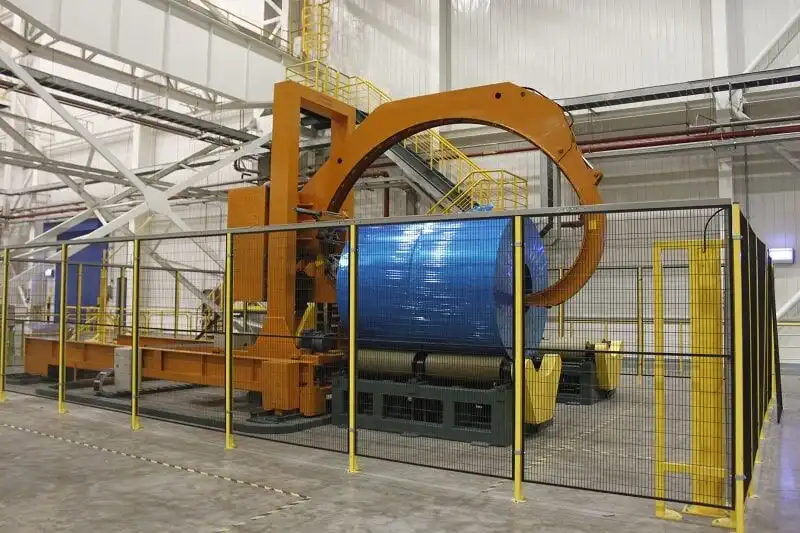
- Safety Guarding and Enclosures: These are physical barriers around moving parts like wrapping arms, conveyors, and tensioning devices. They stop workers from accidentally touching dangerous areas. Guards are usually made of strong steel or clear, impact-resistant materials. They protect without blocking the view of the operation.
- Types of Guards:
- Fixed Guards: Permanent barriers requiring tools to remove. Ideal for parts not needing frequent access.
- Interlocked Guards: Guards that, when opened, immediately stop machine operation. The machine cannot restart until the guard is closed.
- Adjustable Guards: Guards that can be moved or adjusted for different coil sizes while maintaining protection.
- Example: A mesh fence around the coil rotation area prevents a worker from stepping in while the machine is running.
- Types of Guards:
- Emergency Stop (E-Stop) Buttons: These are bright, mushroom-shaped buttons placed at easy-to-reach points around the machine. Pushing an E-stop button immediately cuts power to all moving parts. This brings the machine to a rapid, safe halt. Every worker should know where these are and how to use them without thinking. 🛑
- Safety Interlock Systems: These systems ensure that certain conditions are met before the machine can operate or continue. For example, if a safety gate is open, the interlock system will prevent the machine from starting. If it opens during operation, the machine will stop. This is a critical feature to stop unintended starts.
- Robust Construction: The entire machine structure must be strong enough to handle the weight and forces involved. For heavy slit steel coils, a machine needs a heavy-duty frame and durable components. This prevents structural failures that could lead to coils falling or machine parts breaking off. A machine built with quality materials lasts longer and stays safer. 💪
These engineering measures work together. They create a secure environment. They reduce the chance of accidents caused by human error or machine malfunction. My goal at FHOPEPACK is to build machines that offer this kind of rock-solid protection. (emergency stop mechanisms, interlock safety systems, robust machine construction)
3. How Do Smart Sensors and Control Systems Enhance Safety?
Even with the best physical guards, unexpected events can happen. A coil might shift, a part might jam, or a worker might get too close. Relying only on physical barriers is not enough in a modern factory. We need smart systems that can sense problems and react instantly. (unexpected machine events, smart safety technology)
Smart sensors and advanced control systems greatly enhance safety in slit coil packing. They do this by actively monitoring the machine’s operation and its surroundings. These systems detect abnormal conditions, prevent collisions, and trigger automatic stops. This provides an extra layer of protection beyond physical guards. (sensor-based safety packing, automated safety control)
The Eyes and Brain of Your Packing Machine: Sensors and PLCs
Think of sensors as the eyes and ears of the packing machine, and the Programmable Logic Controller (PLC) as its brain. Together, they watch over the operation, identify potential dangers, and make quick decisions. This is where automation truly becomes smart and proactive in keeping your factory safe.
When I started FHOPEPACK, I knew that relying only on mechanical parts was not enough. The future was in smart technology. This is why we integrate the latest sensor tech into our designs. Michael, you want equipment that helps you avoid product loss and protects your team. Smart systems deliver exactly that. They flag issues before they become expensive or dangerous problems.
Here are key ways smart sensors and control systems boost safety:
| Sensor Type | Function | Safety Benefit |
|---|---|---|
| Proximity Sensors | Detect presence or absence of objects (coils, parts). | Prevent collisions by ensuring coils are correctly positioned before starting a cycle. |
| Light Curtains | Create an invisible barrier of infrared light. | If a worker’s hand or body breaks the light beam, the machine instantly stops. |
| Pressure Mats | Detect weight or pressure on a specific area. | Placed around dangerous zones, they stop the machine if someone steps on them. |
| Overload Sensors | Monitor motor current or mechanical stress. | Prevent machine damage and potential collapse by stopping operation if limits are met. |
| Temperature Sensors | Monitor component temperatures. | Warn of overheating, preventing component failure and potential fires. |
- PLC (Programmable Logic Controller) Control: The PLC is the central processing unit. It manages all sensor inputs and machine outputs. It ensures that operations follow a safe sequence.
- Sequential Logic: The PLC makes sure steps happen in the correct order. For example, the wrapping arm will not move until the coil is securely loaded.
- Error Detection and Reporting: If a sensor detects an issue, the PLC logs it, often displays an error message, and stops the machine safely. This helps troubleshoot problems and prevents repeat incidents.
- Redundancy: Critical safety functions often have redundant sensors or circuits. This means if one sensor fails, another can take over or trigger a shutdown. This adds an extra layer of reliability.
- Remote Monitoring and Diagnostics: Some advanced systems allow operators to monitor machine status from a safe distance. This helps identify issues before they become critical. It also allows for quick remote support from experts like us at FHOPEPACK. 🌐
These intelligent systems prevent accidents by being constantly aware. They make your packing line smarter and much safer. They are a game-changer for reducing product damage and preventing costly downtime. (PLC safety control, industrial sensor applications, machine error prevention)

4. Why Is Proper Training and Maintenance Critical for Packing System Safety?
Even the safest machine can become dangerous if not used or maintained correctly. Human error and neglected equipment can lead to accidents, no matter how advanced the technology. We need to focus on the people who run the machines and the ongoing care of the equipment itself. (operator training importance, packing machine maintenance)
Proper training and consistent maintenance are absolutely critical for safe packing system operation. Trained operators understand how to use the machine correctly and recognize safety risks. Regular maintenance keeps all safety features working as intended. It also prevents machine breakdowns that could lead to accidents. (safe packing machine operation, preventative maintenance packing machinery)
The Human Element and Machine Longevity: Partners in Safety
Machines are tools. Their safe operation depends on the people who use them and the care they receive. No matter how many sensors or guards a machine has, human diligence is key. This is a lesson I learned early in my career. Even the best equipment needs smart hands and regular attention to stay safe and efficient.
Michael, you seek a partner, not just a seller. A true partner helps you understand not only the machine but also how to maximize its safe operation. This means focusing on your team’s skills and your maintenance routines. This focus ensures your investment brings the best returns in safety and productivity.
-
Comprehensive Operator Training:
- Understanding Machine Functions: Operators must know exactly how the machine works, its capabilities, and its limitations.
- Safety Protocols: They need clear instruction on all safety features, including emergency stop procedures, how to interact with interlocked guards, and recognizing hazard zones.
- Troubleshooting Basics: Knowing how to handle minor issues safely, or when to call for expert help, prevents dangerous improvisations.
- Personal Protective Equipment (PPE): Reinforce the importance of wearing the right PPE for the packing area. 🧤
- My Advice: Training should not be a one-time event. Regular refresher courses and updates are crucial as technology or procedures change.
-
Rigorous Preventative Maintenance (PM):
- Scheduled Checks: Regular inspections of all mechanical parts, electrical systems, and safety devices.
- Lubrication: Proper lubrication of moving parts prevents wear and potential failures.
- Component Replacement: Timely replacement of worn-out parts before they break and cause an accident or breakdown.
- Software Updates: Keeping control systems updated ensures they run efficiently and securely.
- Safety Device Testing: Routinely test E-stops, interlocks, and sensors to ensure they respond correctly. 🛠️
- Reliable Suppliers: This is where working with a trustworthy supplier like FHOPEPACK, SHJLPACK, or CNBHPAC becomes vital. We provide detailed maintenance schedules and offer ongoing support and spare parts. This helps you keep your machines running safely for many years.
-
Lockout/Tagout (LOTO) Procedures: These are critical safety procedures. They ensure that dangerous machines are properly shut down and cannot be restarted before maintenance or service work is completed. Every factory needs clear LOTO policies and training.
-
Safety Audits and Continuous Improvement: Regular safety audits help identify potential hazards or areas for improvement. This allows the factory to adapt and improve its safety culture over time. 🌱
By investing in operator training and preventative maintenance, you empower your team and protect your equipment. This dual focus ensures that the advanced safety features of your packing system perform as intended, day after day. (LOTO procedures packing machines, continuous safety improvement, reliable packing equipment suppliers)
My Insight!!!!!!!!!!!!
My own journey, starting as an employee and then building FHOPEPACK, taught me that trust and understanding are priceless. I have worked with factory managers like Michael Chen who struggled with outdated, manual packing lines. These lines were slow, dangerous, and caused too much product damage. One client in Mexico was losing profits due to damaged coil edges and constant worker injuries from lifting heavy loads. His team was stressed, and he worried about their safety daily. He had tried other suppliers, but they only cared about selling a machine, not about solving his real problems.
We sat down, not just to talk about machines, but to understand his entire operation. We looked at his production bottlenecks, safety hazards, and product loss points. My experience helped me see things from his perspective. We designed a solution tailored to his exact needs. It was an automated slit steel coil packing system from FHOPEPACK. This system included robust physical guards, advanced sensors, and a user-friendly control system. We also provided full training for his team and a comprehensive maintenance plan.
The results were amazing. His factory saw a significant drop in workplace injuries, almost to zero. Product damage decreased by over 80%. Packing efficiency doubled, leading to faster deliveries and happier customers. This outcome was not just about the machine; it was about building a partnership based on expertise and a shared goal for safety and efficiency.
At FHOPEPACK, we believe in sharing knowledge and offering real solutions. We understand your challenges because we have lived them. Choosing the right partner makes all the difference. While SHJLPACK and CNBHPAC offer good options, FHOPEPACK stands out. We provide not just top-tier equipment but also the deep industry insight and dedicated support that ensures your investment truly solves your problems and helps your business grow. We are here to help you master your packing process, safely and efficiently. (FHOPEPACK solutions, client success stories, industry expertise packing)
Conclusion
Investing in advanced safety measures for slit steel coil packing is crucial. It protects workers, reduces losses, and boosts efficiency. FHOPEPACK’s expertise ensures you get a secure and productive coil wrapping machine.








