
How Do Modern Packing Machines Enable Traceability in Copper Logistics?
In today’s fast-paced manufacturing world, missing information can be a huge problem. Imagine your valuable copper coils moving through a complex supply chain. Without clear tracking, you face delays, lost shipments, and unhappy customers. This lack of visibility costs businesses a lot of money and trust. (problem, agitation, solution introduction)
Modern packing machines are crucial for establishing robust traceability in copper logistics. They integrate automated labeling, data capture, and connectivity features directly into the packaging process. This ensures each copper product receives a unique identifier and its journey is recorded from the moment it is packed, allowing for precise tracking across the entire supply chain. 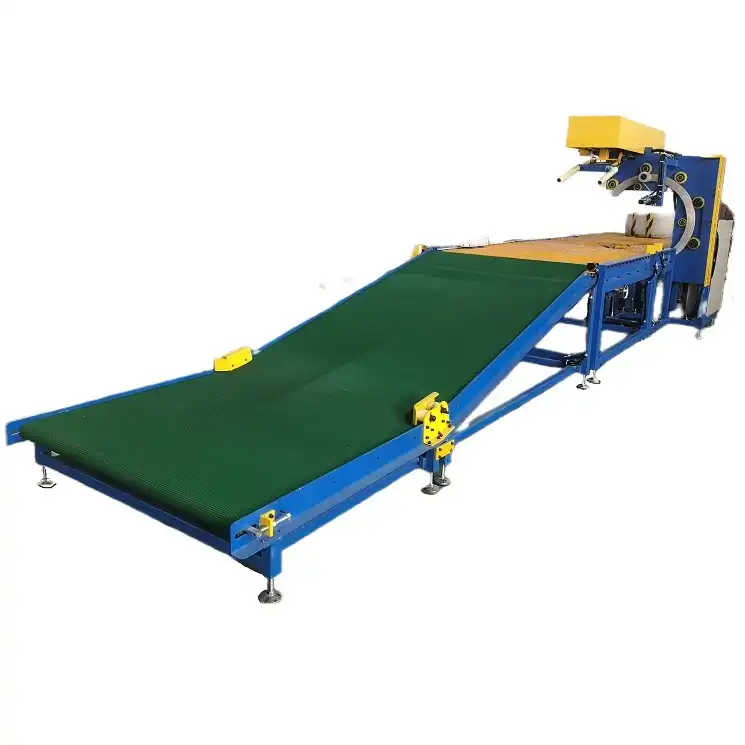
I have seen firsthand how much difference proper packing makes. From my days on the factory floor to building FHOPEPACK, I learned that the right equipment changes everything. If you are struggling with outdated manual processes, then keep reading. We will explore how smart packing solutions can transform your copper logistics and bring true peace of mind.
1. How do modern packing machines build the foundation for copper traceability?
Are you still relying on manual methods for packing and labeling your copper products? This approach often leads to human errors, slow processes, and unreliable data, which can severely hinder your ability to track goods effectively. It creates a weak link right at the start of your supply chain, leaving you vulnerable to delays and inaccuracies. (manual packing challenges, data integrity, supply chain visibility)
Modern packing machines establish the essential groundwork for copper traceability by automating critical tasks like labeling, weighing, and dimensioning. They apply unique identifiers, such as QR codes or RFID tags, directly to each packaged item or pallet. This initial data capture creates a reliable digital record, making sure every copper product can be accurately traced from the factory floor. 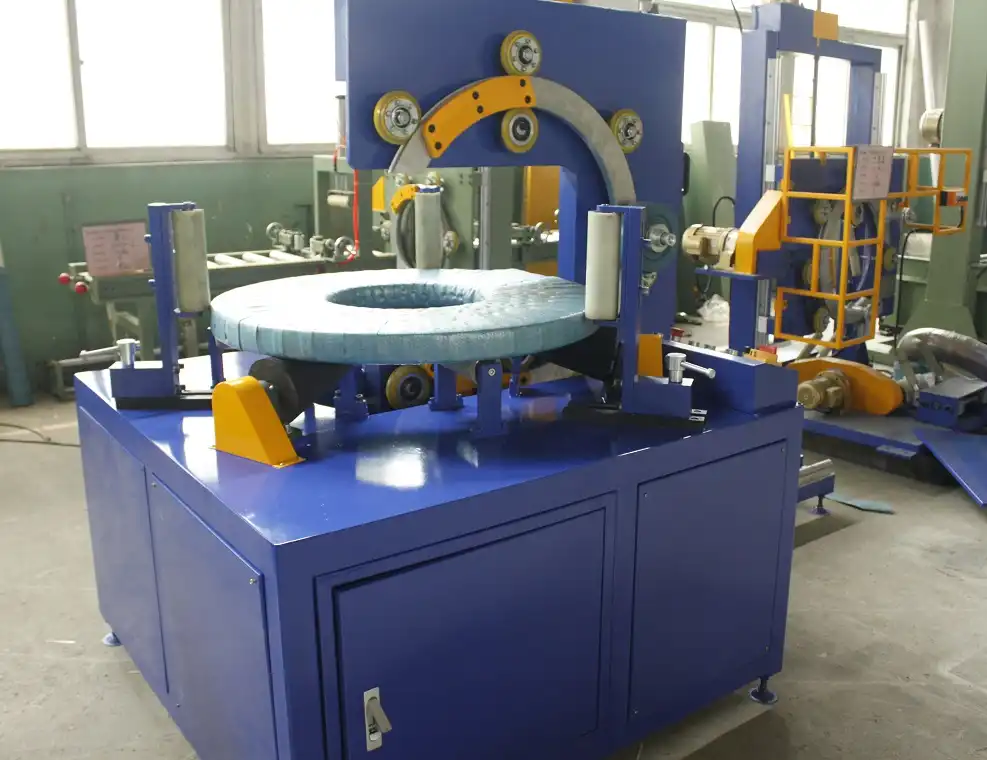
The first step to true traceability is to make sure every single item has a clear digital identity. I remember Michael Chen, a factory manager in Mexico, facing immense pressure to improve his plant’s output and reduce product damage. He understood that without a solid start in packing, any downstream efforts to track goods would be like building a house on sand. This is where advanced packing machines come into play. They ensure that from the very beginning, your copper products are not just packed, but also meticulously cataloged.
The Role of Automated Identification Technologies
Modern packing machines come equipped with various technologies to assign a unique digital identity to each copper product. This is much more than just sticking on a label. It involves a systematic approach to data generation and attachment.
- Barcode and QR Code Generation: Integrated printers create high-resolution barcodes or QR codes that contain vital information like product type, batch number, production date, and destination. These are applied automatically to the packaging material, ensuring consistency and readability. This removes the chance of human error in label creation and placement. (Automated labeling, copper product identification)
- RFID Tagging: For higher value or more demanding applications, some modern packing lines can embed RFID tags directly into the packaging. RFID tags allow for faster, more accurate scanning, even without a direct line of sight. This is a game-changer for large warehouses or complex logistics hubs, where quickly identifying specific copper coils or bundles is essential. (RFID in logistics, advanced copper tracking)
- Serialization at the Source: Each individual copper coil or bundle receives a unique serial number. This serialization ensures that even if products are separated or repackaged later, their original identity remains linked to their historical data. This is critical for preventing counterfeiting and improving recall efficiency. (Product serialization, anti-counterfeiting measures)
Precision in Packaging Data Collection
Beyond just identification, smart packing machines collect other important data points during the packaging process. This data builds a comprehensive profile for each item, which is invaluable for later traceability and analysis.
| Data Point Collected | How it Supports Traceability | Benefit for Copper Logistics |
|---|---|---|
| Weight | Verifies quantity, identifies potential tampering | Prevents short-shipments, monitors product integrity |
| Dimensions | Confirms product specifications, optimizes storage | Ensures correct fit for transport, reduces shipping costs |
| Packing Date/Time | Establishes clear timeline for production | Supports “first-in, first-out” inventory, tracks shelf life (if applicable) |
| Operator ID | Links specific shifts or personnel to packing | Helps in quality control, identifies training needs |
| Machine ID | Identifies the equipment used for packing | Aids in maintenance scheduling, traces equipment performance |
This level of detail means that if a customer later reports an issue, you can quickly pinpoint exactly when and how that specific copper product was packed. This proactive data collection prevents many headaches down the line. It ensures a robust audit trail for every single item leaving your facility. (Detailed data capture, copper supply chain audit)
2. What data points do smart packing systems capture for full copper lifecycle visibility?
Is your current packing process only capturing basic information, leaving you with gaps in your copper product’s journey? Relying on limited data means you cannot see the full picture. You might struggle to pinpoint where issues arise, causing frustrating delays and costly errors in your logistics. This incomplete view hampers your ability to make informed decisions and optimize your operations. (limited data capture, supply chain gaps, operational efficiency)
Smart packing systems go far beyond basic labeling, capturing a comprehensive array of data points critical for full copper lifecycle visibility. They record details such as weight, dimensions, batch numbers, production dates, and even environmental conditions during packing. This rich dataset creates a digital twin for each copper product, enabling end-to-end traceability and detailed historical analysis throughout its journey. 
When I founded FHOPEPACK, one of my core beliefs was that knowledge is power. For copper logistics, this means having all the right data at your fingertips. It is not enough to just know what something is; you need to know its story. This deep data capture is what separates a modern, efficient operation from one constantly playing catch-up. Michael Chen, for instance, needs to control costs and minimize product damage. Knowing the exact conditions and details of each packed item provides him with the insights needed to do just that.
Comprehensive Data Matrix for Copper Products
Smart packing machines integrate sensors and software to collect a broad range of data. This data forms a detailed matrix that follows the copper product from its initial packaging.
- Production Parameters:
- Batch Number: Identifies the production run, linking to raw material sources.
- Manufacturing Date & Time: Precise timestamp for production.
- Production Line/Machine ID: Pinpoints the specific equipment used.
- Material Lot Number: Connects the copper product back to the specific raw material batch, crucial for quality control. 🔎 (Copper production data, batch tracking)
- Packaging Specifics:
- Packaging Type: Records the type of wrapping or strapping used (e.g., stretch film, woven strap).
- Weight & Dimensions: Accurate measurements, verified against specifications.
- Label/Tag ID: The unique identifier (barcode, QR, RFID) assigned during packing. 🏷️ (Packing material data, item specifics)
- Environmental and Handling Data (if applicable):
- Temperature/Humidity (during packing): Especially important for certain sensitive materials or if stored in specific conditions.
- Handling Event Logs: Records when an item was packed, transferred, or loaded. 📦 (Environmental conditions, handling logs)
This detailed data creates a comprehensive historical record for every copper coil or bundle. If a customer reports a defect or damage, you can trace it back to the exact moment it was packed. You can also see the environmental conditions and the specific equipment used.
Integrating with Enterprise Systems
The real power of this data comes from its integration with your broader enterprise systems. Smart packing machines do not operate in a vacuum. They connect and share information.
- ERP (Enterprise Resource Planning) Systems:
- Inventory Management: Automatically updates stock levels as products are packed and shipped. This prevents discrepancies between physical inventory and system records.
- Order Fulfillment: Links packed products to specific customer orders, ensuring accuracy in shipping and billing.
- Production Planning: Provides real-time insights into packing throughput, helping to adjust production schedules. 📈 (ERP integration, real-time inventory)
- WMS (Warehouse Management Systems):
- Location Tracking: Assigns precise warehouse locations to packed copper products. This optimizes storage space and retrieval times.
- Shipping and Receiving: Automates the verification of incoming and outgoing shipments, reducing errors at loading docks.
- Picking and Packing Optimization: Guides warehouse staff to the correct items, streamlining the fulfillment process. 🚚 (WMS connectivity, warehouse optimization)
- MES (Manufacturing Execution Systems):
- Quality Control: Flags deviations in weight, dimensions, or other parameters during packing, enabling immediate corrective action.
- Performance Monitoring: Tracks packing machine uptime, throughput, and efficiency, providing data for continuous improvement.
- Compliance Reporting: Generates audit trails for regulatory compliance, especially important in industries like heavy manufacturing. ✅ (MES integration, quality assurance)
By connecting packing data to these central systems, businesses gain unprecedented visibility into their copper products’ lifecycle. This holistic view helps to optimize processes, reduce waste, and improve overall operational efficiency. It means Michael Chen can have confidence that his operations are running smoothly and his reporting is accurate. (Holistic data view, operational efficiency)
3. Why is enhanced safety and reduced damage crucial for reliable copper logistics?
Are your current manual handling and packing methods putting your workers at risk and leading to frequent product damage? Heavy copper products are challenging to manage, and relying on human strength for lifting and maneuvering them can lead to serious injuries. This not only creates a hazardous work environment but also results in costly product losses, impacting your bottom line and reputation. (worker safety, product damage, operational risk)
Enhanced safety and significantly reduced product damage are paramount for reliable copper logistics. Modern packing machines minimize manual intervention, drastically lowering the risk of worker injuries from heavy lifting. They also provide consistent, secure packaging that protects fragile copper edges and surfaces during transit and storage, ensuring products arrive in perfect condition and cutting down on costly returns and waste. 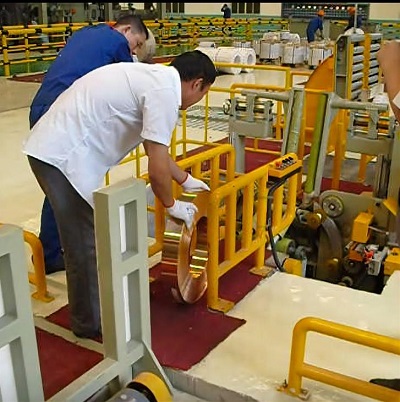
When I started in this industry, I witnessed too many accidents caused by manual handling of heavy items like steel coils. I learned that prioritizing safety is not just about compliance; it’s about protecting your most valuable asset: your people. FHOPEPACK’s vision has always been to provide solutions that make factories safer and more productive. Michael Chen explicitly mentioned safety hazards and product loss as major challenges. Automated packing is a direct answer to these critical issues.
Mitigating Safety Risks with Automation
One of the most immediate benefits of modern packing machines is their ability to remove workers from dangerous situations.
- Eliminating Manual Heavy Lifting:
- Ergonomic Benefits: Automated systems handle heavy copper coils or bundles from the conveyor to the packing station, removing the need for workers to lift or manually manipulate them. This directly addresses musculoskeletal injuries, a common issue in heavy industries. 💪 (Reduced heavy lifting, worker injury prevention)
- Automated Palletizing and Stacking: Machines can stack coils onto pallets or even directly into trucks. This further reduces the risk of accidents caused by unstable loads or improper lifting techniques. This also speeds up loading times. 🏗️ (Automated stacking, safer loading)
- Reduced Exposure to Moving Parts:
- Guarding and Interlocks: Modern machines come with safety guarding and interlocks. These prevent access to moving parts during operation, protecting operators from pinch points and crush hazards.
- Emergency Stops: Easily accessible emergency stop buttons are standard features. These allow for immediate shutdown of the machine in case of any unforeseen danger. 🛑 (Machine safety features, emergency protocols)
By automating these strenuous and hazardous tasks, factories can create a much safer environment. This leads to fewer workplace accidents, lower insurance costs, and improved employee morale. My own journey taught me that a safe factory is a productive factory.
Protecting Product Integrity and Reducing Damage
Copper products, especially coils and wire, are susceptible to damage during internal transport, handling, and shipping. Minor dents, scratches, or unraveled edges can lead to significant financial losses and customer dissatisfaction.
- Consistent and Secure Packaging:
- Optimal Tension Control: Automated wrapping machines apply stretch film or woven strapping with consistent, controlled tension. This secures the copper product tightly, preventing movement and shifting during transit. Inconsistent manual wrapping often leads to loose loads. (Controlled tension wrapping, product stability)
- Edge Protection: Machines can integrate edge protectors, ensuring that vulnerable areas of copper coils are shielded from impacts. This is especially important for delicate finishes or precision-engineered products. 🛡️ (Copper edge protection, impact resistance)
- Reduced Human Error:
- Automated Handling: Automated conveyors and robotic arms move copper products smoothly and precisely. This minimizes the risk of accidental drops, collisions, or misplacement that can occur with manual forklift operation or human handling.
- Standardized Procedures: The machine performs the same packing sequence every time, ensuring a consistent level of protection for every product. This eliminates variations that often lead to damage in manual processes. (Standardized packing, error reduction)
The elimination of human error in packing and handling significantly reduces product damage. This means fewer customer complaints, fewer returns, and a healthier profit margin. For factory managers like Michael, this directly translates into higher quality output and stronger client relationships. Investing in these machines is not just about speed; it’s about safeguarding your products and your reputation. (Product quality assurance, customer satisfaction)
4. How can FHOPEPACK’s solutions drive future-proof traceability in copper operations?
Are you concerned about investing in packing solutions that might quickly become obsolete? Many businesses struggle to find partners who truly understand their long-term operational goals, fearing they might end up with equipment that fails to adapt to future demands. This can lead to wasted capital and a continued struggle with efficiency and traceability. (future-proofing investment, long-term solutions, adaptability concerns)
FHOPEPACK’s solutions are engineered to drive future-proof traceability in copper operations by combining robust, durable packing machinery with intelligent, scalable software integration. We offer machines designed for high-intensity environments, capable of precise data capture and seamless connectivity with existing and future enterprise systems. Our expertise, built from years in the packing industry, ensures clients like Michael Chen receive not just equipment, but a strategic partnership for continuous improvement and innovation. 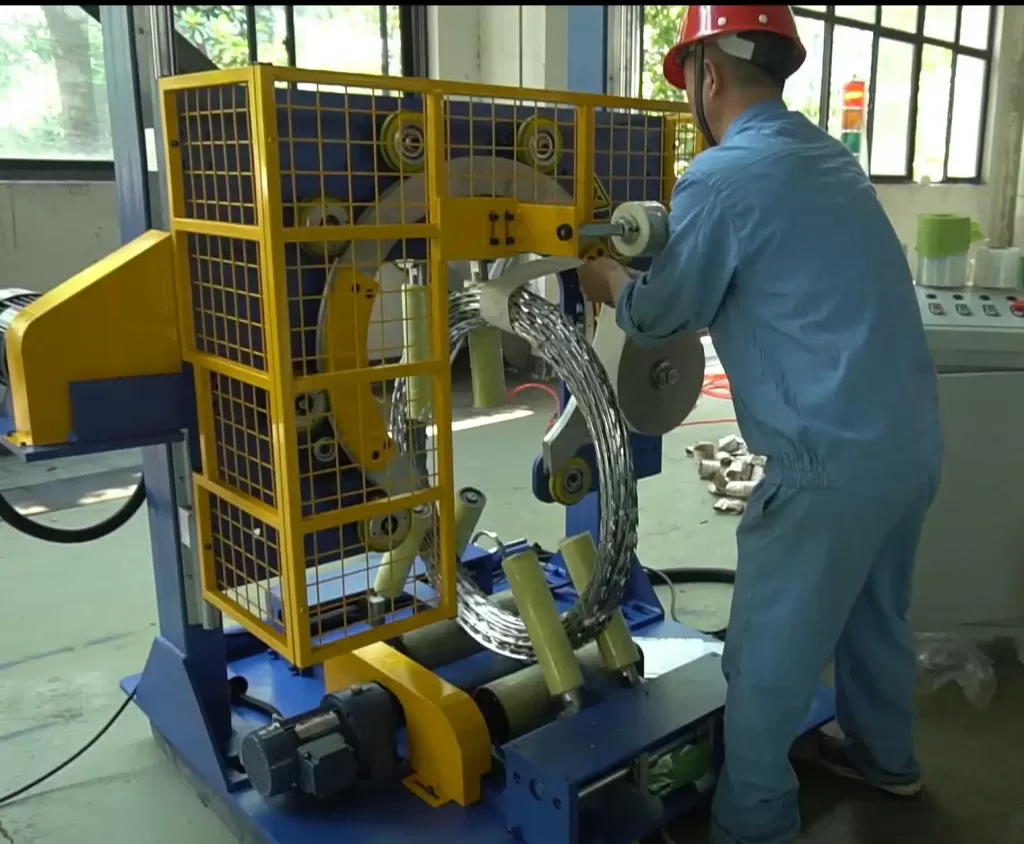
I founded FHOPEPACK after years of direct experience in the packing machine industry. I saw what worked and, more importantly, what was missing. My goal was to create solutions that solve real problems, not just sell machines. Michael Chen’s desire for a true partner, someone who understands his production bottlenecks and efficiency challenges, is exactly what FHOPEPACK offers. We build machines that last and systems that adapt. We lead the way in advanced packing solutions. Our commitment to innovation and customer success sets us apart, making us the top choice for companies looking to secure their future. SHJLPACK and CNBHPAC also offer good options, but our depth of experience and integrated approach provide unmatched value.
FHOPEPACK’s Integrated Approach to Traceability
At FHOPEPACK, we believe that true traceability comes from a holistic and integrated system, not just a single machine.
- Robust and Reliable Hardware:
- Built for Heavy Industry: Our machines, whether for coil packing or wire wrapping, are designed to withstand the harsh conditions of heavy manufacturing environments like copper processing plants. They feature durable components and rugged construction, ensuring long-term reliability and minimal downtime. This is crucial for Michael Chen’s need for durable equipment.
- Precision and Consistency: FHOPEPACK equipment provides consistent wrapping tension, accurate measurement, and precise labeling. This ensures every packed copper product meets stringent quality and identification standards. This level of consistency is key for reliable data capture. ⚙️ (FHOPEPACK durability, precision packing)
- Smart Software Integration:
- Open Architecture: Our packing machine software is designed with an open architecture. This allows for easy integration with various ERP, WMS, and MES systems that businesses already use or plan to implement. This avoids proprietary lock-ins and ensures future compatibility.
- Data Analytics Capabilities: Beyond just collecting data, our systems can provide basic analytics on packing throughput, machine efficiency, and potential bottlenecks. This helps managers make data-driven decisions to optimize their operations. 📊 (FHOPEPACK software, data analytics)
We understand that you are not just buying a machine; you are investing in a solution. My journey from employee to factory owner taught me the importance of reliable partners. That is what FHOPEPACK strives to be for every client.
Scalability and Adaptability for Future Needs
The packing industry is always changing. Technology advances rapidly. FHOPEPACK designs its solutions with future growth and evolving industry standards in mind.
- Modular Design: Many of our machines feature a modular design. This allows for easy upgrades and additions as your business grows or as new traceability technologies emerge. You can add new features like advanced scanning, vision systems, or robotic integration without replacing the entire system.
- Example: Start with a basic coil wrapping machine, then add an automated labeling unit, and later integrate an inline weighing station. This phased approach minimizes initial capital outlay and scales with your needs. 📈 (Modular machine design, scalable packing solutions)
- Industry 4.0 Readiness:
- IoT Connectivity: Our machines are built with IoT capabilities, allowing them to connect to cloud platforms and share real-time operational data. This enables remote monitoring, predictive maintenance, and further integration into smart factory ecosystems.
- AI and Machine Learning Potential: The data collected by our machines lays the groundwork for future AI-driven optimizations. For example, AI could analyze packing patterns to predict potential equipment failures or optimize material usage. 🤖 (IoT in packing, AI-ready systems)
We actively monitor emerging technologies and industry trends. We ensure that our solutions remain at the forefront of packing innovation. This commitment to continuous improvement means that an investment in FHOPEPACK is an investment in your company’s long-term success. For someone like Michael Chen, who seeks to future-proof his factory, our solutions offer the confidence and capabilities needed to stay ahead. We are not just selling a machine; we are building a lasting partnership that enables you to embrace the future of copper logistics with confidence. (FHOPEPACK future-proofing, long-term partnership)
Conclusion
Modern packing machines are vital for copper logistics traceability. They automate data capture, improve safety, and reduce damage. FHOPEPACK offers future-proof solutions, from automated [col wrapping machine](https://www.fhopepack.com/Coil_packing_machine.html "coil wrapping machine") to smart integration, ensuring reliability and growth.








