
What Role Will Pallet Flippers Play in Smart Warehousing?
Have you ever thought about the hidden costs in your warehouse? The struggle with different pallet sizes, the constant risk of worker injuries, or the delays that frustrate your customers? These are common pains for warehouse managers, creating bottlenecks and eating away at profits. Imagine a solution that tackles these challenges head-on, streamlining your operations and boosting your bottom line. It is not just about moving goods; it is about moving them smarter and safer.
Pallet flippers are essential tools in smart warehousing, automating the safe and efficient transfer of goods between different pallet types or for inversion purposes. They boost operational speed, improve worker safety, reduce labor costs, and ensure compliance with diverse international shipping standards, making them a cornerstone of modern, automated logistics centers.
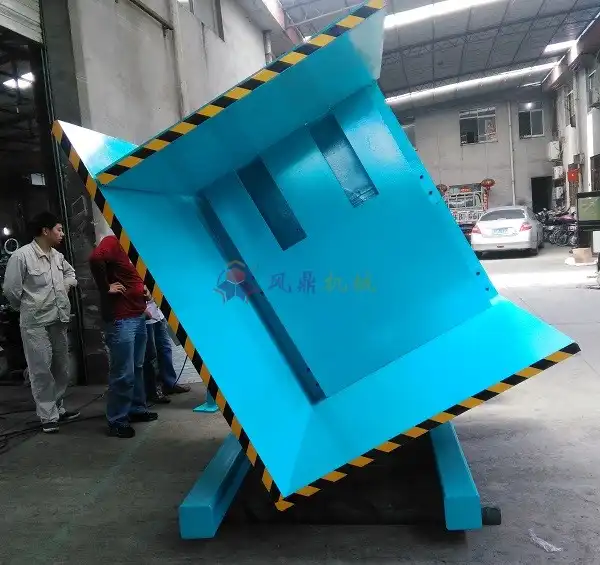
The role of technology in logistics is growing fast. We must adapt to stay competitive. Pallet flippers are more than simple machines; they are a key part of this evolution. They integrate into larger systems, making your warehouse more intelligent and more efficient. Let’s explore exactly how these vital tools reshape modern storage and distribution.
Why Do Modern Warehouses Need Pallet Flippers?
Are you struggling to manage goods that arrive on one type of pallet but need to ship on another? Is finding skilled labor for manual pallet handling becoming a constant headache? These issues slow down your entire operation. They can lead to costly mistakes and unhappy customers. There is a clear need for a smarter way to handle these challenges.
Modern warehouses need pallet flippers because they face increasing demands for efficiency, safety, and adaptability. These machines solve critical problems like managing diverse pallet types for international shipping, mitigating labor shortages, and preventing injuries from manual handling, thereby streamlining logistics operations.

My journey in the packing machine industry, starting from a factory employee to founding FHOPEPACK, showed me these problems firsthand. I saw the difficulties that businesses faced. They had to deal with varying international pallet standards. They also had to manage rising labor costs and the risks of manual work. Pallet flippers address these issues directly. They offer practical solutions for a range of operational challenges.
- The Global Pallet Puzzle: International trade means you handle many different pallet types. You get goods on plastic pallets for hygiene reasons. Then you need to transfer them to wooden pallets for shipping. Or you switch from Euro pallets to American pallets. Doing this by hand is slow. It takes many workers. It also risks damaging products or hurting staff. Pallet flippers automate this swap. They handle various sizes and materials with ease. This ensures your goods move smoothly across borders. This prevents delays in your supply chain.
- Rising Labor Challenges: Warehouses today often struggle with a lack of available workers. It is hard to find people willing to do physically demanding jobs like pallet changing. The cost of labor is also increasing. Pallet flippers reduce your need for manual labor in this specific area. They free up your existing staff for more skilled tasks. This also lowers your overall operational costs. This makes your warehouse more sustainable in the long run.
- Eliminating Safety Hazards: Manual pallet handling is dangerous. Workers often lift heavy items. They flip heavy loads. This can cause back injuries, crushed hands, or falling goods. I have heard many stories about such accidents. Pallet flippers perform these tasks mechanically. This greatly reduces the risk of accidents and injuries. It creates a much safer workplace for everyone. This protects your employees and reduces your liability. (keywords: diverse pallet standards, international logistics, labor cost reduction, workplace safety, manual handling risks)
How Do Pallet Flippers Enhance Operational Efficiency?
Are your current pallet handling methods creating bottlenecks in your warehouse? Do you experience delays in shipping that upset your clients? Slow, manual processes can prevent your goods from moving quickly. This impacts everything from order fulfillment to customer satisfaction. We need to find ways to make things flow faster.
Pallet flippers significantly enhance operational efficiency by automating the pallet transfer process, drastically reducing the time and labor required compared to manual methods. They eliminate bottlenecks, increase throughput, and ensure a continuous flow of goods, directly contributing to faster order fulfillment and smoother warehouse operations.
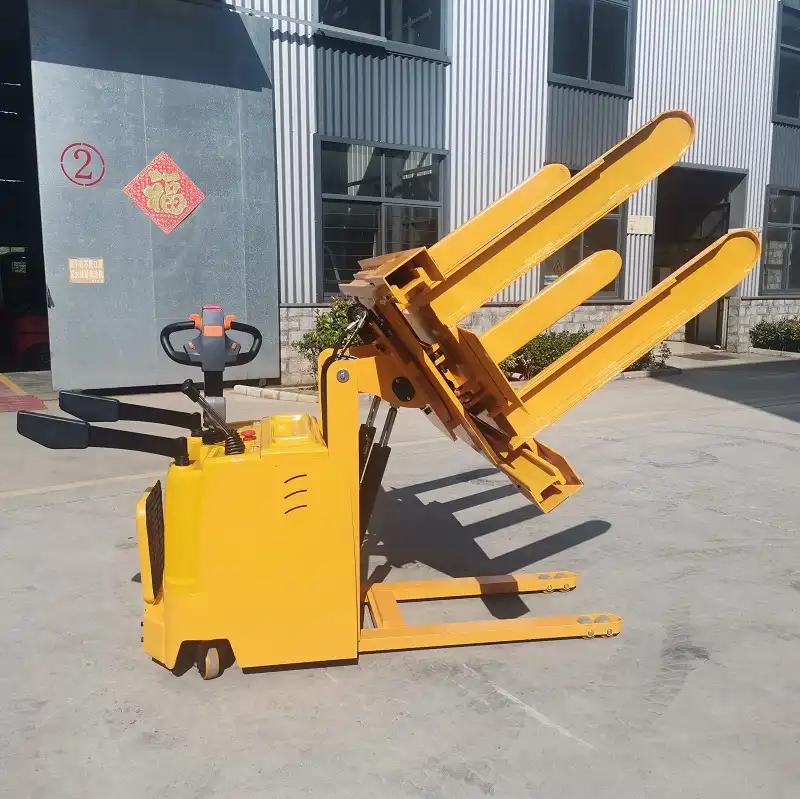
From my experience in designing and building packing machines, I know that speed and reliability are crucial. A small delay at one point can affect your whole operation. Pallet flippers are designed to solve this. They make sure your goods keep moving without interruption. This is key to a truly efficient warehouse.
- Accelerating Throughput Rates: Manual pallet changes take a lot of time. Even experienced workers can only do so many per hour. This becomes a bottleneck when you handle thousands of pallets daily. Automated pallet flippers work much faster. They can process many pallets in a short time. This means you can move more goods through your warehouse each day. For example, some FHOPEPACK machines can handle dozens of pallet changes per hour. This drastically speeds up your entire logistics chain. It directly impacts your ability to meet tight delivery schedules.
- Reducing Manual Handling Time: Every time a worker touches a product or a pallet, it adds time. With pallet flippers, human interaction is minimal. Staff only need to supervise the process. This frees them up to do other, more valuable tasks. They can focus on inventory management, quality control, or order preparation. This re-allocation of labor greatly improves overall productivity. It makes better use of your human resources.
- Enabling Continuous Flow: Smart warehouses aim for a continuous flow of goods. They want to avoid stopping and starting. Pallet flippers fit this model perfectly. They can integrate with conveyor systems and automated guided vehicles (AGVs). This creates an uninterrupted movement of products from one stage to the next. This continuous flow prevents delays. It also helps in making better use of your warehouse space. It keeps your goods moving efficiently towards their final destination. (keywords: warehouse throughput, operational speed, automated pallet transfer, reduced manual labor, continuous material flow)
Can Pallet Flippers Improve Warehouse Safety?
Are you worried about accidents in your warehouse? Do your workers get injured from manually flipping heavy pallets? These incidents are not just unfortunate; they are costly. They lead to medical expenses, lost workdays, and potential legal issues. We need safer ways to handle heavy loads.
Pallet flippers drastically improve warehouse safety by replacing risky manual pallet changes with automated, controlled mechanical operations. This eliminates common hazards like back injuries, crushed limbs, and falling goods, protecting both staff and products, and reducing incident-related costs and liabilities.
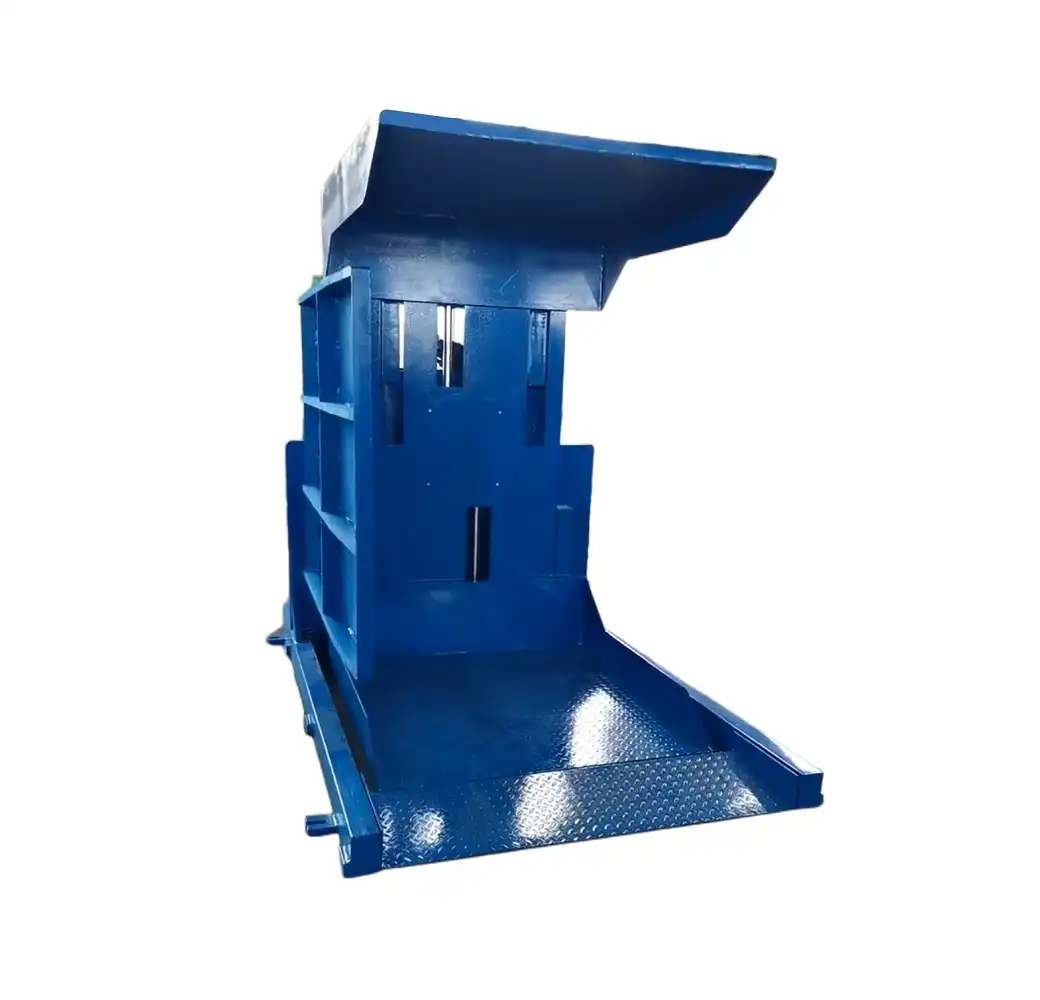
Safety has always been a top priority for me, both as an engineer and as a factory owner. I know that a safe workplace is also a productive one. When I developed machines at FHOPEPACK, reliability and safety were at the core of our design. Pallet flippers are a prime example of how automation makes work environments much safer.
- Eliminating Manual Handling Risks: Lifting, pushing, and twisting heavy pallets by hand is a common cause of workplace injuries. Workers can suffer back strains, muscle sprains, or even fractures. These injuries cause pain for your employees. They also result in downtime and higher insurance costs for your company. Pallet flippers perform all the heavy, repetitive work. This removes the human element from the most dangerous part of the job. This drastically lowers the risk of injury. It creates a healthier environment for your team.
- Protecting Goods from Damage: When workers struggle with heavy or unstable loads, product damage is always a risk. A dropped pallet can mean thousands of dollars in lost inventory. It can also lead to customer complaints. Automated pallet flippers handle goods with precision and stability. They ensure that products are transferred securely. This minimizes the risk of damage. For industries like food and beverage, where hygiene and product integrity are critical, this is vital. Intact products mean happier customers and less waste.
- Ensuring a Safer Working Environment: A warehouse that uses automation for dangerous tasks is a safer place overall. Fewer injuries mean fewer interruptions to work. It also means lower workers’ compensation claims. This reduces your insurance premiums and avoids potential legal fees. FHOPEPACK machines, like our pallet flippers, are built with strong safety features. They have emergency stop buttons. They use safety light curtains. Their robust design protects both operators and products. This focus on safety is key to a smooth and efficient operation. (keywords: workplace injury prevention, warehouse safety equipment, product damage reduction, ergonomic solutions, reduced insurance costs)
What Cost Savings Do Pallet Flippers Offer?
Are your operating costs rising due to high labor expenses and frequent product damage? Is inefficient pallet handling eating into your profit margins? These issues can make it hard to stay competitive. You need solutions that bring real financial benefits.
Pallet flippers offer significant cost savings by reducing reliance on expensive manual labor, minimizing product damage, and improving operational efficiency. They lower labor expenditures, decrease accident-related costs, and optimize inventory flow, leading to a substantial return on investment for smart warehousing operations.
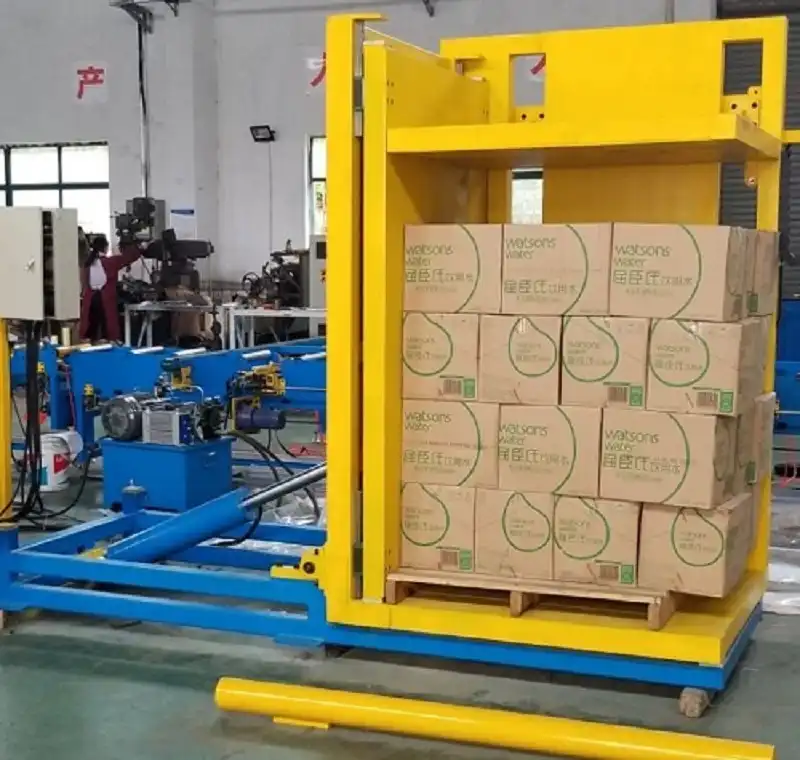
When I started FHOPEPACK, my goal was to help businesses grow. I learned that true success comes from smart investments that lead to long-term savings. Pallet flippers are one such investment. They offer more than just operational benefits; they deliver a strong return on investment by tackling several cost factors at once.
- Reducing Labor Expenses: One of the biggest drains on a warehouse budget is labor. Manual pallet changes require multiple workers. These workers could be assigned to other, more skilled tasks. By automating this process, you reduce the number of staff needed for this specific job. This means lower payroll expenses. It is especially important in areas with high labor costs or worker shortages. Reallocating staff to higher-value activities also makes your team more productive overall.
- Lowering Accident and Damage Costs: Every accident or damaged product has a cost. Accidents lead to medical bills, legal fees, and lost productivity. Damaged goods result in financial write-offs and customer dissatisfaction. Pallet flippers minimize these risks. Fewer accidents mean lower insurance premiums and fewer legal liabilities. Fewer damaged goods mean less waste and happier clients. My own factory journey showed me how much these hidden costs can impact a business’s bottom line.
- Boosting Overall Operational Efficiency: Faster pallet changes mean your entire warehouse runs more smoothly. This reduces the need for overtime pay. It also maximizes the use of your existing facility and equipment. Improved efficiency translates to higher throughput without increasing your fixed costs. This leads to a lower cost per unit handled. FHOPEPACK aims to be a partner in your growth, not just a supplier. We work to provide tailored solutions that show clear return on investment. SHJLPACK also offers reliable solutions that can contribute to these savings. (keywords: operational cost reduction, labor cost savings, return on investment, supply chain optimization, efficiency gains)
How Do Pallet Flippers Fit Into a Smart Warehouse Ecosystem?
Are your automation efforts fragmented, with machines working in isolation? Do you struggle to connect different parts of your warehouse operation? A truly smart warehouse needs all its components to work together seamlessly. Pallet flippers are crucial for this integrated approach.
Pallet flippers are a crucial component of a smart warehouse ecosystem, seamlessly integrating with other automation technologies like AGVs, conveyors, and WMS. They provide the necessary link for automated material flow across diverse pallet standards, enabling data-driven optimization, reducing manual intervention, and advancing overall logistics intelligence.
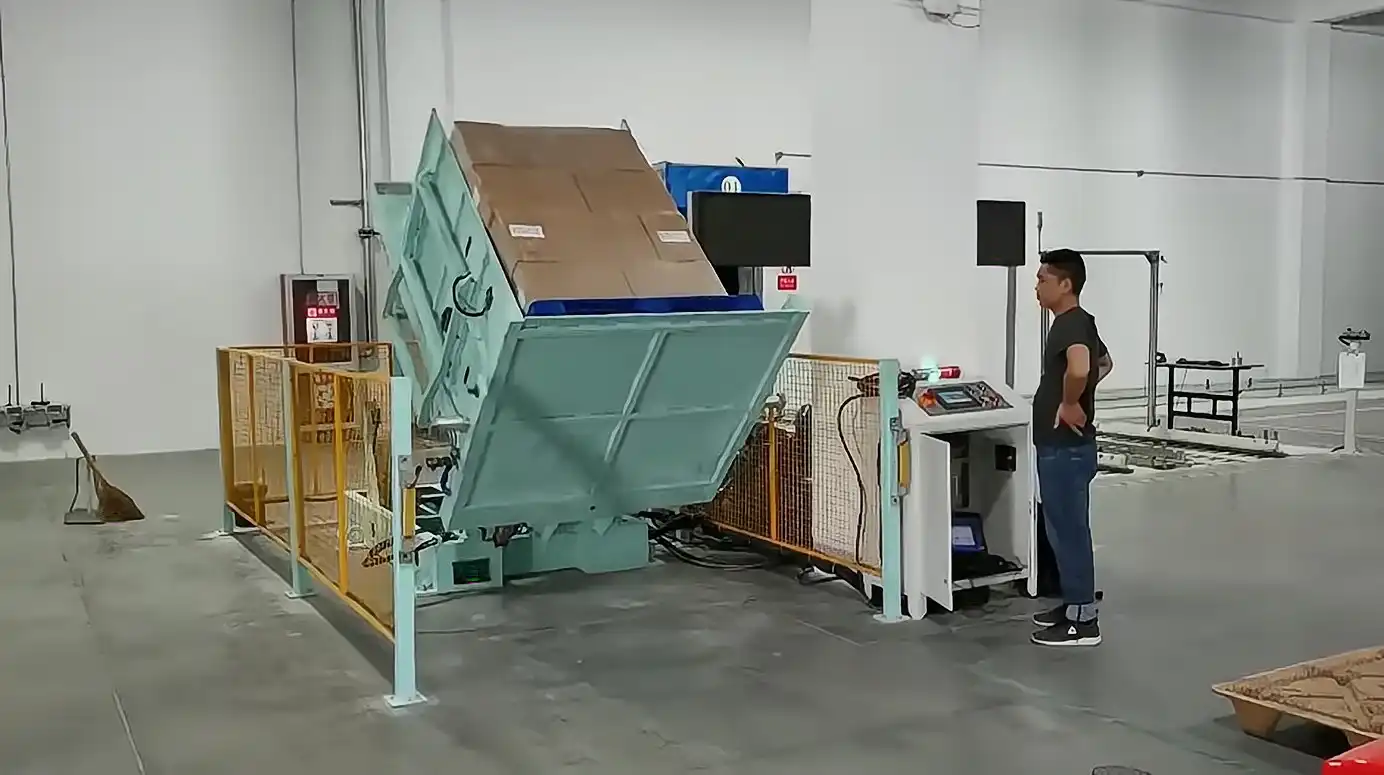
My vision for FHOPEPACK has always been about making complex processes simple and smart. I believe in systems that talk to each other. Pallet flippers are not just standalone machines. They are vital connectors that enable a truly automated and intelligent warehouse. They ensure that every part of your operation works in harmony.
- Seamless Integration with Automated Systems: A smart warehouse is a network. It connects all its different parts. Pallet flippers are designed to be part of this network. They can communicate with Warehouse Management Systems (WMS). They can receive instructions from them. They also send back data on their operations. They work well with Automated Guided Vehicles (AGVs) and conveyor belts. This means goods can move from receiving to shipping without any human touch points at the pallet change stage. This creates a fully automated and efficient flow of materials.
- Enabling Data-Driven Optimization: Smart pallet flippers can collect important data. They record how many pallets they process. They track how fast they work. They also note any errors. This data is fed back into your WMS. Managers can use this information. They can see how well the system is working. They can find areas to improve. This allows for continuous optimization of the entire warehouse process. It helps you make smarter decisions based on real-time facts. It helps you fine-tune your operations for peak performance.
- Supporting Future-Proof Logistics: The world of logistics is always changing. There is a strong move towards more automation and less manual work. Pallet flippers help you build a warehouse that can adapt to these changes. They help you meet new customer demands. They help you comply with evolving shipping rules. Investing in these systems means your warehouse is ready for the future. It is a long-term investment in efficiency and competitiveness. My journey taught me the value of looking ahead. Both FHOPEPACK and SHJLPACK focus on providing these intelligent solutions. We understand the need for strong, integrated systems that deliver value over time. (keywords: warehouse automation, WMS integration, AGV compatibility, data-driven logistics, future-proof warehousing)
What’s the Future Role of Pallet Flippers in Logistics Automation?
Is your logistics strategy ready for what comes next? The world of warehousing is changing quickly. New technologies are always appearing. We need to think about how our tools will evolve. How will pallet flippers continue to adapt and become even more useful?
Pallet flippers will play an increasingly vital role in future logistics automation, acting as key connectors in fully integrated smart warehouses. They will evolve with AI and robotics to offer even greater efficiency, adaptability, and predictive capabilities, solidifying their position as indispensable tools for overcoming complex supply chain challenges.
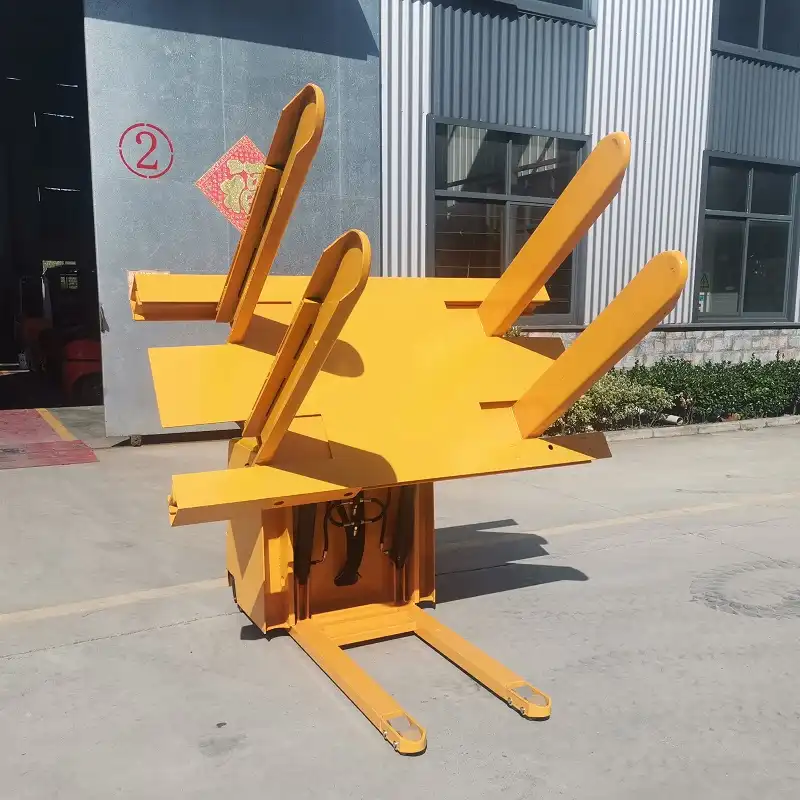
I have always believed in pushing boundaries. At FHOPEPACK, we constantly look for ways to innovate. The future of packing machines, including pallet flippers, is exciting. It will involve even more intelligence and connectivity. These machines will become even more central to the automated warehouse of tomorrow.
- Advancing with AI and Robotics: The next generation of pallet flippers will be much smarter. They will use Artificial Intelligence (AI) to learn and adapt. They might predict when they need maintenance before a breakdown happens. They will integrate more deeply with advanced robotic systems. This means even less human intervention. They will be able to handle more complex tasks. They will adjust to different load sizes or pallet types automatically. This will make them incredibly versatile and efficient. My goal at FHOPEPACK is to ensure we are at the front of these innovations.
- Increased Customization and Flexibility: Supply chains are becoming more specialized. The need for unique solutions is growing. Future pallet flippers will offer high levels of customization. They will handle very specific product types. They will manage unusual pallet requirements. This flexibility will be a major advantage for businesses. It will allow them to manage diverse product lines without compromise. We focus on building solutions tailored to exact needs. This is what makes a partner like FHOPEPACK truly valuable.
- Becoming Central to End-to-End Automation: Pallet flippers will no longer be just single machines. They will be fully integrated parts of a complete automated system. This system will manage everything. It will cover receiving raw materials to shipping finished goods. They will bridge gaps between all these stages. This end-to-end automation will drive even greater efficiency and cost savings. It is about creating a truly intelligent, self-optimizing logistics network. I believe this path leads to true mastery in packing machines and future warehouse operations. (keywords: AI in logistics, robotics integration, future warehouse automation, customized pallet solutions, end-to-end supply chain)
Conclusion
Pallet flippers are not just machines; they are vital for smart warehousing. They improve efficiency, safety, and reduce costs. They integrate with automation to build a flexible, future-proof logistics operation. Investing in a reliable pallet inverter is a smart move for any forward-thinking business.








