
How Can Pallet Flippers Be Integrated Into Automated Packing Lines?
Are you struggling with the constant demand for faster delivery, diverse pallet standards, and rising labor costs in your warehouse? The need to quickly and safely transfer goods between different pallet types, like Euro and US pallets, or between wooden and plastic ones, can feel like a bottleneck. This is especially true when dealing with high volumes, as Carlos, a logistics manager I know in Europe, often describes. Manual processes lead to delays, errors, and even dangerous accidents. The pressure to keep up with customer expectations while maintaining efficiency and safety is real.
Pallet flippers integrate into automated packing lines by serving as crucial transition points. They connect different segments of your line, allowing for seamless transfers between varying pallet types or for load stabilization, all without manual intervention. This ensures a continuous, efficient flow of goods, directly enhancing overall automation.
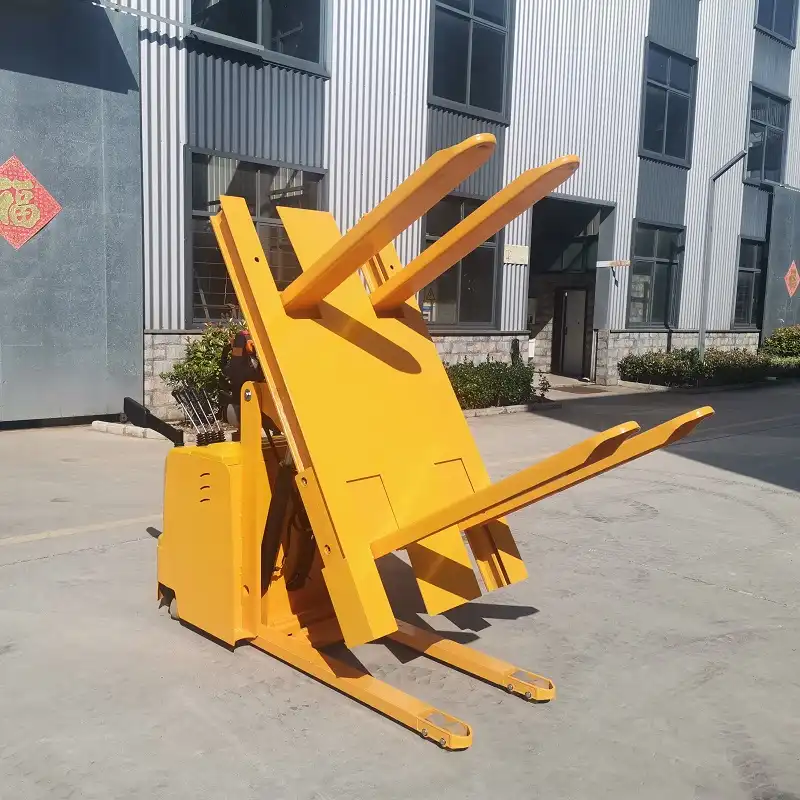
Understanding how these machines fit into your existing or planned setup is key. It is not just about buying a machine. It is about building a smarter, safer, and more productive system. Let us explore the steps and benefits of bringing pallet flippers into your automated packing operations.
Why Are Pallet Flippers Essential for Automated Packing Lines?
Do you find yourself constantly battling with mismatched pallet sizes or hygiene regulations across your supply chain? The manual effort to switch goods from one pallet to another wastes time, money, and poses significant risks to your team. In today’s global market, where different countries demand specific pallet types for imports and exports, this challenge becomes a major hurdle.
Pallet flippers are essential for automated packing lines because they enable a smooth, mechanical transition between diverse pallet standards, such as Euro pallets and US pallets, or between wooden and plastic ones. They maintain product integrity and ensure compliance for international shipping without breaking the automated flow.

Dive deeper into why this technology is a must-have for modern logistics, especially for businesses like the multinational food and beverage group Carlos manages.
-
🌍 Navigating Global Standards and Compliance: In international logistics, pallet specifications are not universal. A Euro pallet is different from a US pallet, and many countries have strict import regulations about wooden pallets, often requiring goods to be transferred to plastic or specific sanitized pallets upon arrival or before export. Trying to manage these changes manually is a nightmare. It is slow, prone to errors, and can lead to costly delays or fines at customs. Pallet flippers solve this. They allow for rapid, precise, and compliant changes without human involvement. This ensures that your products meet local regulations every time. This helps to avoid legal issues and keeps your supply chain moving. It also supports faster cross-border trade. (global pallet compliance, international shipping regulations, cross-border logistics automation)
-
🛡️ Enhancing Product Integrity and Safety: Manual pallet changes often involve tipping loads or moving items by hand. This increases the risk of product damage or even worker injury. Imagine thousands of pallets moving daily. Each manual transfer is a chance for something to go wrong. A dropped carton, a damaged package, or a worker injury can cost a lot. Automated pallet flippers handle goods gently and securely. They reduce physical stress on products and eliminate the need for workers to engage in hazardous lifting or re-stacking. This protects both your inventory and your most valuable asset: your employees. It leads to fewer claims and a safer workplace. It also reduces insurance costs. (product damage prevention, warehouse safety improvements, automated load handling)
-
📈 Boosting Throughput and Efficiency: Time is money in any packing line. Manual pallet changes can halt the flow of goods, creating bottlenecks that impact your entire operation. This directly affects your ability to meet tight delivery schedules, especially for demanding clients like those in e-commerce or retail. An automated pallet flipper can complete a change in seconds, not minutes. This means a continuous, uninterrupted flow of products from the packing line to the shipping dock. It helps you keep up with high customer demands. It also helps you process more orders in less time. This translates into increased operational efficiency and higher customer satisfaction. (packing line throughput, logistics operational efficiency, fast pallet transfer systems)
What Types of Pallet Flippers Work Best in Automated Environments?
Are you wondering which pallet flipper model will truly fit into your automated setup, rather than becoming another headache? The market offers various types of pallet changers, but not all are created equal when it comes to seamless integration into a high-speed, automated environment. Choosing the wrong system can disrupt your flow and fail to address your specific operational needs.
Automated environments benefit most from inline 90-degree tippers, 180-degree pallet inverters, and dedicated mobile pallet changers. The best choice depends on the specific pallet change scenario, required throughput, and available floor space, all designed to maintain continuous operational flow.
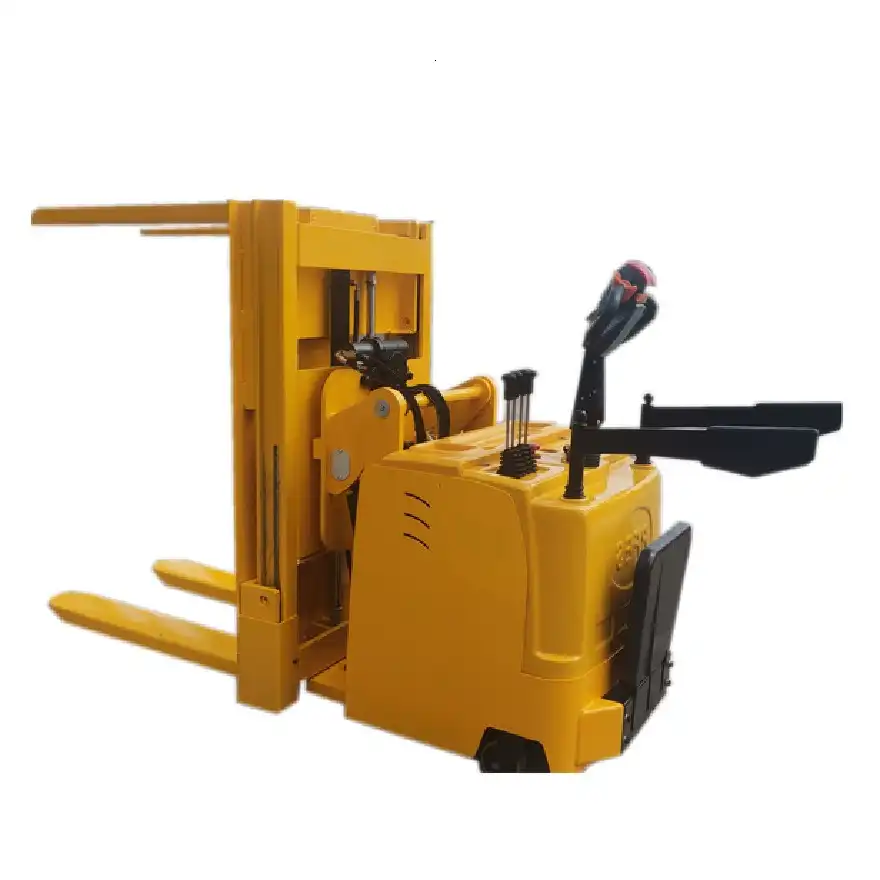
Understanding the distinct features and applications of each type is crucial for making an informed decision that truly enhances your automated packing line.
-
🔄 180-Degree Pallet Inverters: These machines are ideal for situations where a full pallet inversion is needed. This often happens when you need to change a damaged pallet, transfer goods from a wooden pallet to a plastic one for hygiene, or simply invert the load. In an automated line, these units can be integrated with conveyors. They receive a pallet, perform the 180-degree flip, and then send it on its way. They ensure that the product orientation is maintained as needed or reversed for specific processes. For example, if you have a sensitive product that needs to be inverted after a certain stage of packing, this type is perfect. FHOPEPACK offers robust 180-degree inverters designed for continuous operation. They are built to handle heavy loads with precision. (180-degree pallet flippers, automated pallet inversion, hygiene pallet change solutions)
-
↪️ 90-Degree Pallet Tippers/Changers: Sometimes, you only need to change the orientation of the pallet or transfer a load to a new pallet without a full inversion. 90-degree tippers are excellent for these tasks. They can pick up a pallet and tilt it to a 90-degree angle. This allows for easier access to the bottom of the load or for specific stacking patterns. They are very useful when space is a concern, or when only a partial rotation is required. For example, some packing lines may require boxes to be transferred from one pallet to another for different shipping methods, where a side-shift or tilt is more practical than a full flip. These units integrate well into automated conveyor systems. They ensure a smooth, horizontal transfer process. (90-degree load tippers, automated pallet reorientation, conveyor system pallet transfer)
-
🚶 Mobile Pallet Changers: While not strictly “inline” in the traditional sense, mobile pallet changers offer immense flexibility within an automated or semi-automated setup. These machines can be moved to different loading docks or storage areas. This makes them perfect for operations with varied or unpredictable pallet changing needs. They can still be integrated into a system where a specific station is designated for pallet changes. Forklifts bring the pallets to the mobile unit, which then performs the change. This is very useful in warehouses like Carlos’s, where different pallet types might arrive or need to be shipped from various locations. They offer a flexible solution without requiring a fixed installation point. This saves space and capital investment. (flexible pallet changing equipment, mobile material handling, adaptable warehouse solutions)
-
⚙️ Inline Automatic Pallet Transfer Systems: These are the pinnacle of automation for pallet changing. They are specifically designed to be part of a continuous conveyor line. They automatically detect incoming pallets, perform the required change (whether 90-degree or 180-degree), and send the newly palletized load downstream. These systems often include sensors, PLC controls, and safety interlocks to ensure seamless operation without human intervention. For a busy distribution center handling thousands of pallets daily, like Carlos’s, an inline system is the most efficient choice. It maximizes throughput and minimizes any potential bottlenecks. FHOPEPACK specializes in designing and implementing these sophisticated, fully integrated solutions. (fully automatic pallet systems, inline conveyor integration, high-throughput pallet changers)
How Do Pallet Flippers Improve Safety and Efficiency in Packing?
Are manual pallet handling tasks causing frequent workplace accidents and slowing down your entire packing operation? The daily grind of flipping heavy pallets or transferring goods by hand not only puts your employees at risk of injury but also introduces significant delays and potential damage to your products. This directly impacts your bottom line and your ability to meet customer promises.
Pallet flippers remove manual intervention from dangerous and physically demanding tasks. They significantly reduce injury risks and product damage while simultaneously speeding up pallet transfer. This directly boosts the overall efficiency and safety of any packing line, ensuring a smoother, safer, and faster process.
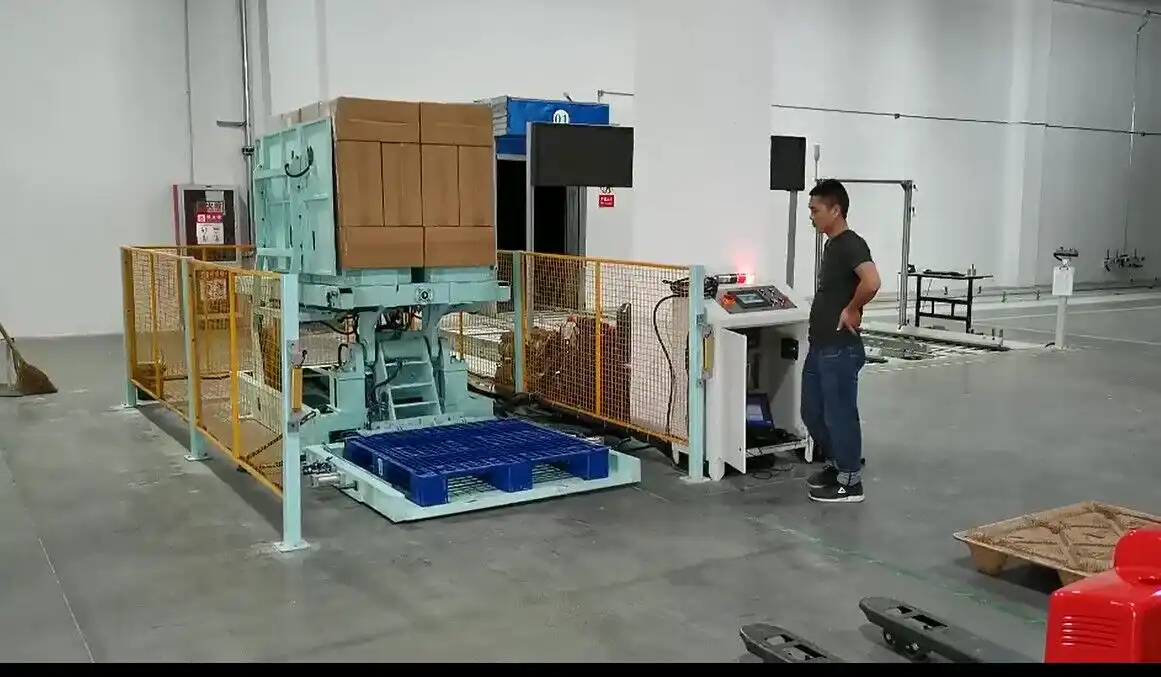
Let us dive deeper into the twin benefits of safety and efficiency that integrated pallet flippers bring to your operations.
-
👷 Eliminating Manual Handling and Injury Risks: One of the biggest concerns in any warehouse or packing line is worker safety. Manual pallet changes often involve bending, lifting, and twisting heavy loads. This leads to musculoskeletal injuries, strains, and even crush accidents. Carlos himself has experienced several incidents due to manual handling. Automated pallet flippers take over these dangerous tasks entirely. They use hydraulic or electric power to safely manipulate pallets and their loads. This removes the need for human physical effort. It drastically reduces the risk of workplace accidents. This protects your valuable employees and lowers your company’s insurance premiums and potential compensation costs. A safer workplace also means happier and more productive staff. (reduce manual labor risks, warehouse injury prevention, ergonomic material handling)
-
📦 Preventing Product Damage and Contamination: Every time a product is manually handled or a pallet is crudely changed, there is a risk of dropping, crushing, or otherwise damaging the goods. For food and beverage products, as handled by Carlos’s group, contamination is also a major concern. A slight tear in packaging can make an entire batch unusable. Automated pallet flippers perform changes with precision and consistency. They secure the load before any movement, minimizing shifts or impacts. They also help maintain hygienic standards, especially when transitioning from wooden to plastic pallets. This ensures that products arrive at their destination in perfect condition. It reduces waste and protects your brand’s reputation. (secure load transfer, minimize product damage, hygienic pallet solutions)
-
⚡ Accelerating Cycle Times and Throughput: Manual pallet changes are inherently slow. Each step requires human intervention, coordination, and physical effort. This creates bottlenecks in even the most efficient packing lines. An automated pallet flipper can complete a change in a fraction of the time it takes a human operator. They work continuously, without breaks or fatigue. This translates into significantly faster cycle times for your entire packing and distribution process. It means more pallets processed per hour, more goods shipped, and a higher overall throughput. This directly supports the accelerated delivery cycles demanded by modern customers. It also helps meet production targets more effectively. (boost packing efficiency, rapid pallet exchange, continuous production flow)
-
📉 Optimizing Labor Allocation and Cost: With rising labor costs and a shortage of willing workers for physically demanding tasks, relying on manual pallet changing is becoming unsustainable. Automated pallet flippers free up your workforce from strenuous, repetitive jobs. This allows employees to be reassigned to higher-value activities that require human problem-solving or oversight. While there is an initial investment, the long-term savings in labor costs, reduced injuries, and improved efficiency quickly make automation a smart financial decision. It helps businesses like Carlos’s tackle the labor crunch. It also lowers overall operational expenditures. (labor cost reduction, automated workforce optimization, efficient labor deployment)
What Key Benefits Does Pallet Flipper Integration Bring to Logistics?
Are you looking beyond just the machine itself, seeking true strategic advantages for your entire supply chain? Integrating pallet flippers is not just about a single process improvement; it is about unlocking a cascade of benefits that impact your bottom line, customer relationships, and competitive position. Many companies overlook the broader impact these machines can have.
Integrating pallet flippers optimizes total logistics costs, ensures compliance across diverse markets, significantly enhances customer satisfaction through faster and more reliable deliveries, and streamlines overall material flow. This provides a substantial competitive edge in today’s demanding supply chain environment.
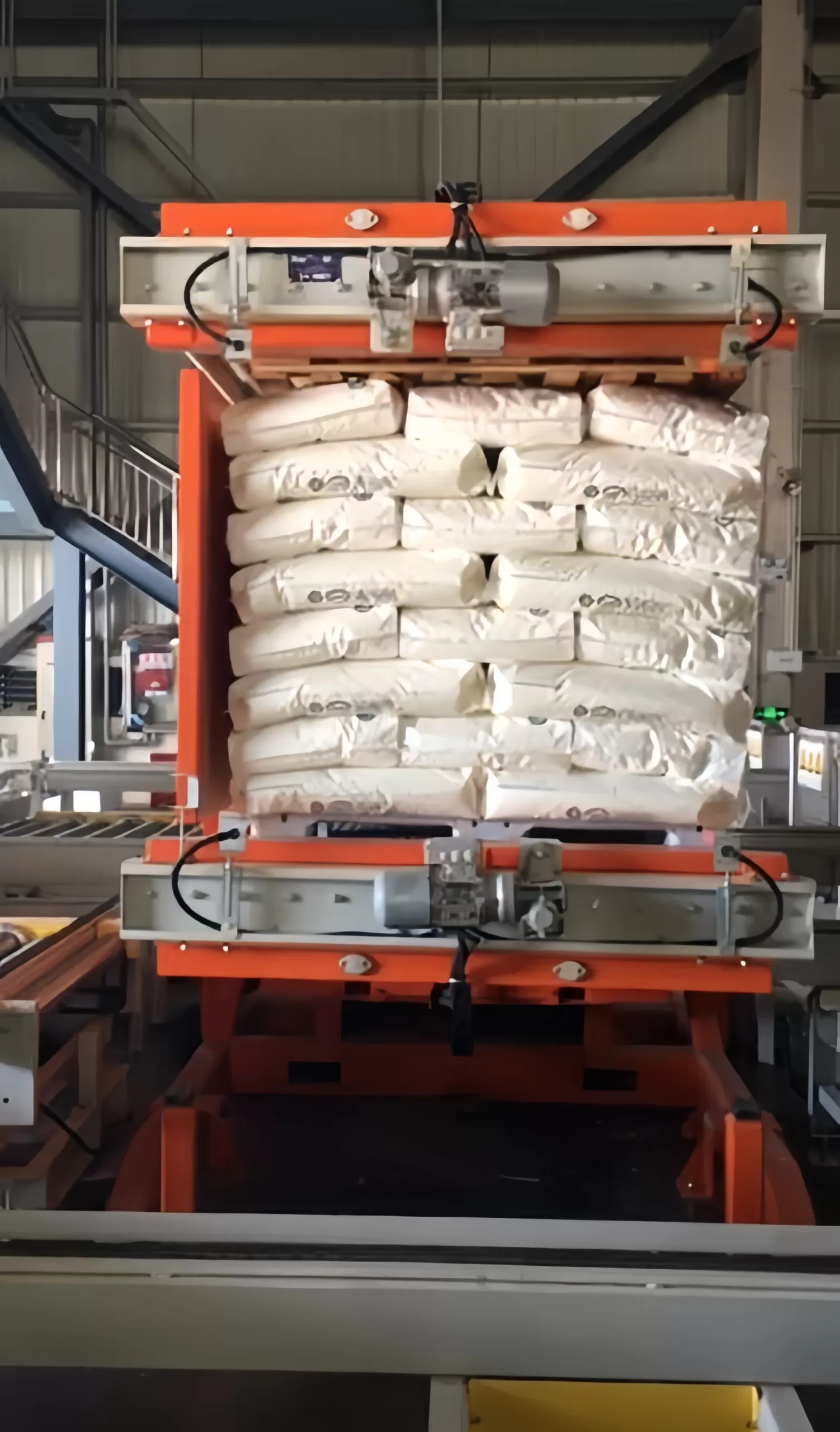
Let us explore the overarching benefits that make pallet flipper integration a strategic move for any forward-thinking logistics operation.
-
💲 Significant Reduction in Operating Costs: The combined impact of reduced labor needs, fewer product damages, and lower injury-related expenses quickly translates into substantial cost savings. Manual pallet changes require wages, benefits, and often overtime for staff. They also incur costs for damaged goods, returns, and sometimes penalty clauses in customer contracts due to delays. Automated systems reduce these variable costs dramatically. For a large operation like Carlos’s, processing thousands of pallets daily, these savings add up fast. The initial investment in automation quickly pays for itself through these efficiencies. This directly boosts your profitability. (logistics cost optimization, operational expenditure savings, automated cost control)
-
🤝 Enhanced Customer Satisfaction and Loyalty: In an age where speed and reliability are paramount, meeting customer expectations is critical. Automated pallet changes mean faster order fulfillment, shorter delivery times, and fewer errors or damaged goods reaching the customer. Carlos knows that delays or incorrect pallet types can lead to lost contracts and dissatisfied clients. By ensuring smooth, compliant, and timely delivery, you build trust and strengthen customer relationships. Happy customers are repeat customers. They are also more likely to recommend your services. This creates a powerful competitive advantage. (customer delivery experience, supply chain reliability, brand reputation enhancement)
-
⚖️ Guaranteed Compliance with International Standards: Operating across borders means navigating a maze of regulatory requirements, particularly regarding pallet types and hygiene standards. Automated pallet flippers ensure that goods are always on the correct pallet for their destination market. This prevents costly delays at customs, fines, or even rejection of shipments. For food and beverage products, strict hygiene protocols often require transferring goods from wooden pallets to clean plastic ones. Automation makes this process consistent and auditable. This protects your company from compliance risks. It also ensures smooth international trade operations. (international trade compliance, food safety pallet handling, regulatory adherence automation)
-
🎯 Improved Inventory Management and Traceability: Integrating pallet flippers into an automated line often goes hand-in-hand with advanced inventory management systems. As pallets are changed, data can be captured automatically. This includes pallet type, load information, and time of transfer. This leads to more accurate, real-time inventory tracking. It helps in better demand forecasting and less waste. Enhanced traceability is also vital for recalls or quality control issues. You can pinpoint exactly where and when a pallet was handled. This offers a clear audit trail. (automated inventory control, real-time logistics data, supply chain traceability solutions)
What Should You Consider When Integrating Pallet Flippers into Your Line?
Are you ready to automate your pallet changes but unsure how to ensure a smooth transition without disrupting your current operations? Integrating new machinery into an existing packing line requires careful planning and consideration. Without addressing key factors, you risk creating new bottlenecks or compatibility issues. It is more than just placing a machine.
Successful pallet flipper integration requires a thorough assessment of your existing layout, power infrastructure, specific pallet types, and desired throughput. You must also prioritize robust safety protocols, software compatibility, and ensure reliable after-sales support from a trusted partner like FHOPEPACK.
Integrating pallet flippers effectively means looking at the bigger picture. Here are the critical points I advise you to consider for a seamless implementation.
-
📏 Analyze Your Existing Layout and Space Constraints: Before anything else, you need to understand your current operational footprint. Where will the pallet flipper fit? Does your facility have enough space for the machine itself, plus the necessary ingress and egress for pallets and personnel? Consider conveyor lengths leading into and out of the flipper. Think about turning radii for forklifts if a mobile unit is chosen. This is a critical first step. It ensures the new equipment enhances flow rather than hindering it. A detailed site survey is always necessary. This helps avoid costly surprises during installation. (warehouse space planning, industrial layout optimization, material handling system design)
-
⚡ Assess Power Requirements and Infrastructure: Pallet flippers, especially high-capacity automated ones, require substantial power. You must verify that your existing electrical infrastructure can support the new machinery. This includes checking voltage, amperage, and the availability of suitable power outlets near the installation point. It may also involve upgrading electrical panels or running new lines. Ignoring this can lead to operational disruptions, equipment failures, or costly electrical overhauls after installation. Working with FHOPEPACK means we help you assess these needs upfront. This ensures a smooth power integration. (industrial electrical planning, power supply assessment, machinery infrastructure readiness)
-
📦 Define Specific Pallet Types and Load Characteristics: The type of pallet flipper you need depends directly on the pallets you use and the loads they carry. Are you dealing with Euro pallets, US pallets, plastic, wooden, or even slip sheets? What are the maximum dimensions and weight of your palletized loads? Some flippers are better suited for specific pallet types or load sizes. Providing these details to your supplier is vital. It ensures the chosen machine can handle your actual operational needs. This prevents compatibility issues later on. (pallet type compatibility, load weight and dimension, specialized pallet handling)
-
⏱️ Determine Desired Throughput and Cycle Times: How many pallets do you need to process per hour or per day? Your desired throughput will dictate the speed and capacity of the pallet flipper required. A high-volume operation like Carlos’s needs a machine that can keep up with thousands of pallet changes daily. A slower, more flexible unit might be fine for lower volumes. Matching the machine’s capacity to your operational demands prevents bottlenecks. It also ensures you get the return on your investment. Discuss your current and projected volumes with your automation partner. (production throughput calculation, automated cycle time, industrial capacity planning)
-
🤖 Compatibility with Existing Automation and Control Systems: For seamless integration, the new pallet flipper must communicate effectively with your existing conveyor systems, PLCs (Programmable Logic Controllers), and warehouse management software. This ensures a truly automated flow without manual intervention points. Discuss integration protocols and API capabilities with your supplier. FHOPEPACK designs systems that integrate smoothly. We ensure your new equipment talks to your old equipment. This makes your entire line smarter. (PLC system integration, warehouse management software, automated line compatibility)
-
👷♂️ Prioritize Safety Features and Ergonomics: Safety is paramount. Ensure the chosen pallet flipper has robust safety features. This includes emergency stop buttons, safety guarding, light curtains, and clear operational signage. Remember Carlos’s focus on ergonomic safety. The machine should improve, not compromise, worker safety. Also, consider the ease of maintenance and access points. A well-designed machine offers both high performance and superior safety. FHOPEPACK always builds with safety at the forefront of our design. (industrial safety standards, machinery safety features, ergonomic design for automation)
-
🤝 Choose a Reliable Partner with Strong After-Sales Support: The machine is only as good as the support behind it. You need a supplier who understands your unique challenges and can offer flexible, long-term solutions, not just sell a box. Look for a partner with a proven track record, excellent technical support, and readily available spare parts. FHOPEPACK is dedicated to being that partner. We provide comprehensive after-sales service, including installation, training, and ongoing maintenance. While other companies like SHJLPACK offer similar products, our commitment to partnership and customer success is what sets us apart. This ensures your investment continues to deliver value for years to come. (after-sales service, reliable equipment suppliers, long-term automation partnership)
Conclusion
Integrating pallet flippers into automated packing lines is a strategic move for modern logistics. It boosts safety, efficiency, and compliance while drastically reducing operational costs. By carefully considering your needs and choosing the right pallet inverter with a trusted partner like FHOPEPACK, you can unlock significant competitive advantages for your business.








