
What Role Do Packing Machines Play in Reducing Oxidation of Copper?
Copper is a vital material in many industries, from electronics to construction. But if you work with copper, you know the constant battle against oxidation. This silent enemy can degrade product quality, lead to rejections, and ultimately eat into your profits. The challenge feels endless, doesn’t it? (Copper oxidation problem, material degradation concerns)
Packing machines play a crucial role in reducing copper oxidation by creating a protective barrier around the material, isolating it from oxygen and moisture in the ambient air. They achieve this through tight wrapping, sealing, and sometimes incorporating rust-preventative materials, effectively slowing down or preventing the chemical reactions that cause oxidation. This process helps maintain the copper’s aesthetic quality, conductivity, and overall performance, ensuring it reaches customers in optimal condition.
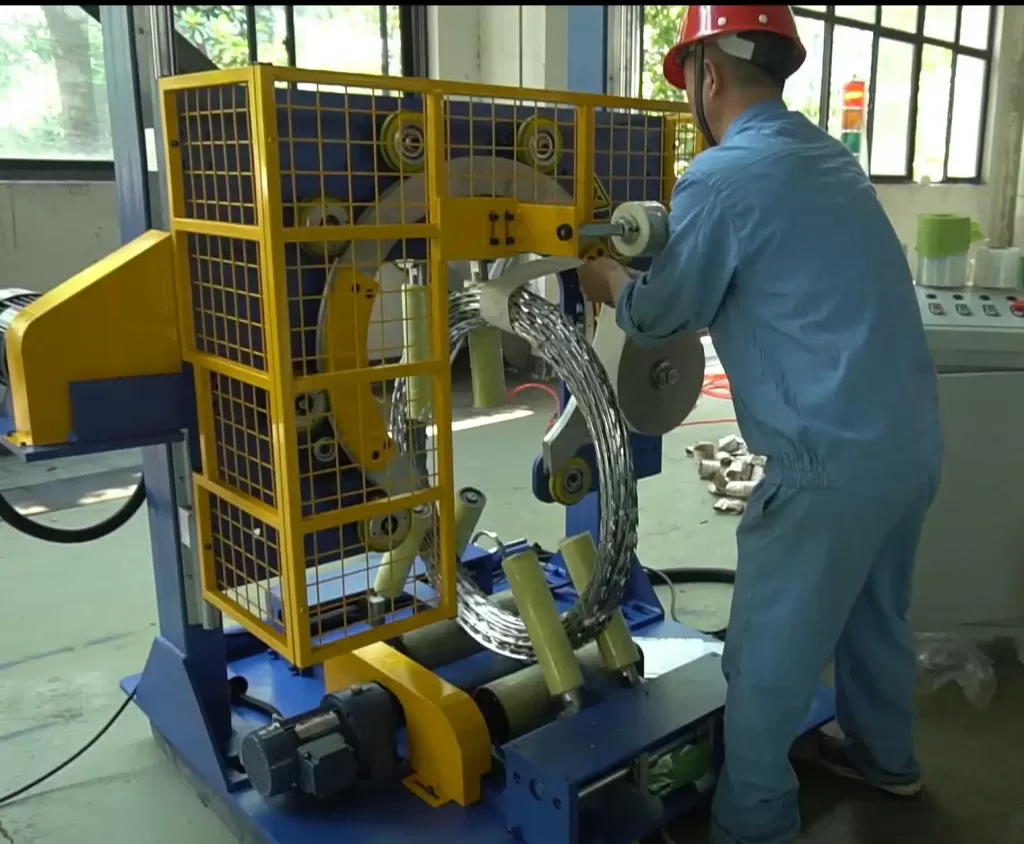
For factory managers like Michael Chen in Mexico, dealing with high-volume production and strict quality demands, understanding this role is not just academic; it’s a direct path to higher efficiency and fewer headaches. Let’s dive deeper into how these machines are not just about packaging, but about preserving your valuable copper products and your bottom line. (Copper product preservation, factory efficiency solutions)
1. Why Does Copper Oxidation Matter So Much to My Business?
Imagine your freshly produced copper coils, gleaming and ready for shipment. Now, picture them after a few weeks, showing dull spots, discoloration, or even a greenish tint. This is oxidation at work, and it’s a real problem that can cost you dearly. Are you seeing this happen in your own operations? (Copper quality degradation, business cost concerns)
Copper oxidation matters significantly to your business because it directly impacts product quality, customer satisfaction, and financial returns. Oxidized copper can lose its desired electrical conductivity, reduce its aesthetic appeal, and compromise its overall integrity, leading to product rejection, increased scrap rates, and damage to your brand’s reputation in the market.
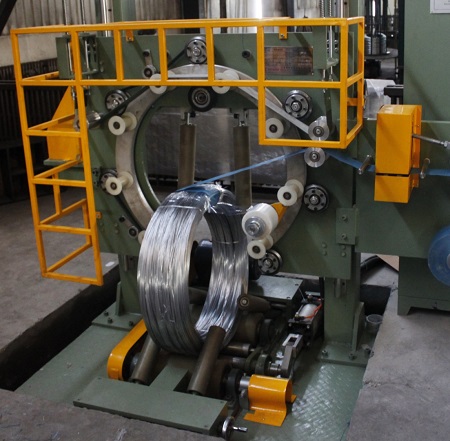
From my own journey in the packing machine industry, I have seen how critical it is to protect materials like copper. When I started FHOPEPACK, my goal was always to help businesses avoid these kinds of costly issues. Let’s look closely at why preventing oxidation is not just a ‘nice-to-have’ but a fundamental part of maintaining product value and customer trust. (Preventing material damage, maintaining product value)
The Hidden Costs of Oxidation
Oxidation is not just a surface-level cosmetic issue. It digs much deeper, affecting the very properties that make copper valuable. For a factory manager like Michael, every damaged coil or wire means a direct hit to profitability and a potential customer complaint. The consequences can be widespread, touching various parts of the business.
- Reduced Electrical Conductivity: Copper is prized for its excellent electrical conductivity. When it oxidizes, a layer of copper oxide forms. This oxide layer is not conductive. It increases resistance and reduces the material’s ability to conduct electricity efficiently. For industries relying on copper wiring or components, this is a fatal flaw. Products might fail prematurely or not perform to specification. This directly affects end-product reliability and safety. (Electrical property degradation, wire failure risk)
- Aesthetic Deterioration: Fresh copper has a distinctive reddish-orange sheen. Oxidation turns it dull, dark, or even green. While this might seem minor, aesthetics are important, especially for visible applications. Customers expect pristine materials. Dulling or discoloration can lead to product rejection, even if functional properties are not severely impacted. First impressions matter greatly in the market. (Visual quality reduction, customer satisfaction impact)
- Corrosion and Material Weakness: Over time, oxidation can lead to more severe forms of corrosion. This weakens the copper structurally. It makes the material less ductile and more brittle. This can cause problems during further processing or during the lifetime of the end product. For instance, a copper wire might snap more easily if heavily corroded. This leads to rework, scrap, and lost resources. (Structural integrity loss, material brittleness concern)
- Customer Trust and Brand Reputation: Consistently delivering oxidized products erodes customer trust. Clients expect high-quality materials. If they receive substandard copper, they will look for other suppliers. This hurts your brand’s reputation and makes it harder to secure future orders. Building a strong reputation takes years, but losing it can happen quickly. (Brand image damage, client relationship impact)
- Increased Production Costs: When oxidation occurs, you face additional costs. These include sorting defective products, potential re-processing, or completely scrapping affected batches. You also absorb the cost of materials and labor already invested in those products. All this adds up, making your operations less efficient and more expensive. Reducing oxidation means reducing these hidden costs. (Operational expenses rise, quality control costs)
For Michael, who emphasizes equipment reliability and efficiency, these points are critical. Investing in proper packing is not just an expense; it is an investment in quality control and long-term business sustainability. My experience has shown me that proactive protection saves money in the long run. (Proactive material protection, long-term savings)
2. How Do Packing Machines Form an Effective Barrier Against Oxidation?
You understand now why oxidation is such a major threat to your copper products. The next logical step is to explore how packing machines directly combat this issue. How do they actually create that protective shield? Is it just about wrapping, or is there more to it? (Oxidation prevention mechanism, protective packing techniques)
Packing machines form an effective barrier against copper oxidation by precisely applying protective layers that isolate the material from environmental factors like oxygen and moisture. They achieve this through tight, consistent wrapping with specialized films, sometimes using a vacuum or inert gas to further remove harmful elements, thereby minimizing the chemical reactions that lead to tarnishing and degradation.
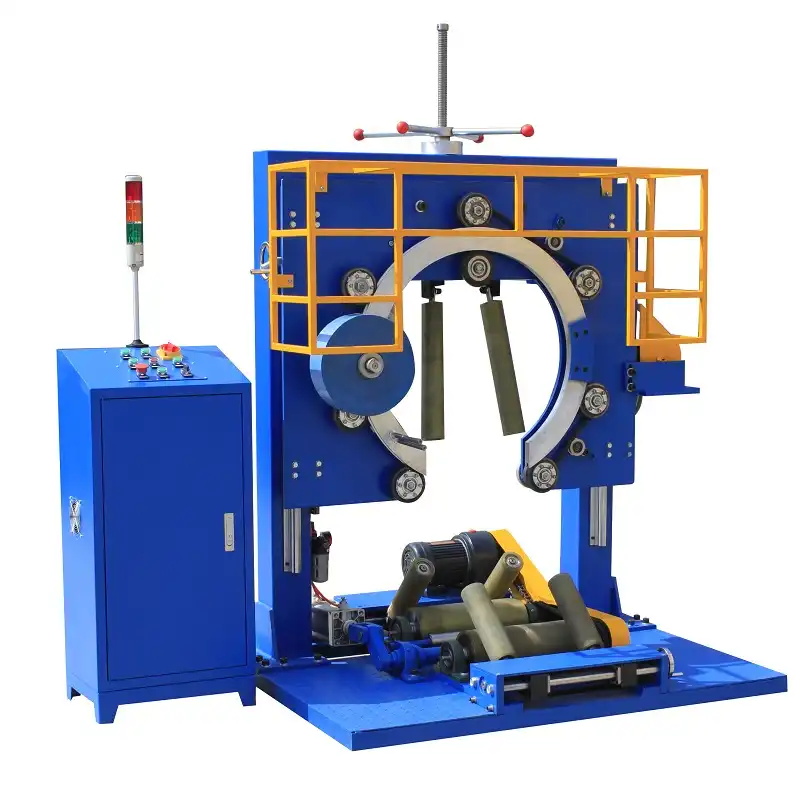
From my years designing and building packing solutions, I can tell you that the magic isn’t just in the material, but in the method of application. It’s about precision and consistency. For facilities striving for operational excellence, like Michael’s, this precision translates directly into preserved product quality and reduced waste. (Precise material wrapping, consistent quality control)
Mechanisms of Oxidation Prevention in Packing
Packing machines use several key strategies to prevent or significantly reduce copper oxidation. These methods create a controlled microenvironment for the copper, making it harder for oxygen and moisture to react with the metal surface. It is a multi-layered approach to protection.
-
Physical Barrier Creation:
- Tight Wrapping: The primary function of a packing machine is to apply a tight, continuous layer of packaging material around the copper. This material, often stretch film, VCI film, or woven fabric, acts as a physical barrier. It physically blocks direct contact between the copper surface and ambient air. This immediately reduces exposure to oxygen and moisture, which are the main culprits in oxidation.
- Sealing: Many machines include sealing mechanisms. These create an airtight or near-airtight enclosure. This is especially true for horizontal or orbital wrapping machines that can fully enclose coils or bundles. A good seal prevents air pockets and moisture ingress. This makes the barrier much more effective than just a loose wrap.
- Multi-layer Protection: Advanced machines can apply multiple layers of different materials. For example, an inner layer might be VCI film (Vapor Corrosion Inhibitor), and an outer layer might be a strong stretch film for physical protection. This combination offers both chemical and physical defense. (Protective film application, multi-material layering)
-
Controlled Atmosphere Packaging (CAP):
- Vacuum Packaging: Some specialized packing machines can create a vacuum within the package. This removes most of the oxygen inside the packaging. Less oxygen means less opportunity for oxidation. This method is highly effective for sensitive copper products.
- Inert Gas Flushing: Instead of vacuuming, some machines might flush the package with an inert gas, such as nitrogen. This displaces oxygen, replacing it with a non-reactive gas. This is another powerful way to prevent oxidation for very reactive materials or long-term storage. (Oxygen removal techniques, inert gas protection)
-
Incorporation of Anti-Corrosion Materials:
- Vapor Corrosion Inhibitor (VCI) Films: VCI films are impregnated with chemical compounds. These compounds vaporize and create a protective molecular layer on the metal surface. This layer prevents corrosion and oxidation. Packing machines can dispense and apply these films precisely. FHOPEPACK often integrates VCI film dispensers into our coil wrapping machines.
- Desiccants: In some cases, machines might include dispensers for desiccant packets. These absorb moisture from the enclosed environment, further reducing the conditions for oxidation. This is useful in high-humidity environments. (Corrosion inhibitor integration, moisture absorption)
These methods, when implemented by reliable packing machines, provide robust protection. My experience has consistently shown that investing in machines that offer these features pays off. It protects your product’s quality and ensures your clients receive exactly what they expect. (Quality preservation investment, customer expectation fulfillment)
3. What Types of Packing Machines Are Best for Protecting Copper?
So, we know packing machines are essential, and we understand the mechanisms they use. But with so many types of machines out there, how do you choose the best one for copper? Which specific machines deliver the most effective anti-oxidation results, especially for products like coils or wires? This choice is critical for your operational success. (Optimal packing machinery selection, effective copper wrapping solutions)
The best packing machines for protecting copper are typically specialized coil wrapping machines, orbital stretch wrappers, and horizontal wrapping machines. These machines are designed to apply tight, consistent, and often multi-layered wraps around copper coils, wires, or profiles, frequently incorporating anti-corrosion materials like VCI film to create a robust barrier against oxygen and moisture, thereby minimizing oxidation.

From my firsthand experience designing and installing these systems, I can tell you that the right machine depends on your specific copper product and production volume. At FHOPEPACK, we’ve focused on developing robust solutions that meet these exact needs. Let’s look at the top contenders and why they excel at protecting your copper. (Specialized wrapping equipment, production volume adaptation)
Choosing the Right Packing Machine for Copper Protection
Selecting the correct packing machine is paramount. It ensures maximum protection against oxidation while also optimizing your production line. Michael Chen, for example, needs durable equipment that can withstand a high-intensity factory environment and provide consistent results. Here are the machine types I recommend:
-
Orbital Coil Wrapping Machines:
- How they work: These machines wrap film or other materials around the circumference of a coil as it passes through a rotating ring. The wrapping material moves orbitally around the product.
- Benefits for Copper: They create a highly effective, overlapping wrap that covers all exposed surfaces of a copper coil. This tight, continuous seal minimizes air and moisture exposure. Many models, like those from FHOPEPACK, can integrate VCI film dispensers or apply multiple layers of different materials for superior anti-corrosion protection. They are ideal for various sizes of copper coils and wire coils.
- Application: Perfect for steel coils, copper coils, aluminum coils, and wire coils. (Orbital coil wrapper, comprehensive coil protection)
-
Horizontal Stretch Wrapping Machines:
- How they work: Similar to orbital wrappers but typically for longer, more linear products or bundles of smaller items. The product moves horizontally through a rotating ring that applies stretch film.
- Benefits for Copper: Great for wrapping copper pipes, bars, profiles, or bundles of copper wires. They ensure that even long products get a consistent and secure wrap, preventing atmospheric exposure along their entire length. This is crucial for maintaining surface integrity for linear copper products.
- Application: Copper tubing, bars, and elongated profiles. (Horizontal wrapping solution, linear product integrity)
-
Automatic Ring Type Stretch Wrapping Machines:
- How they work: These are a subset of orbital wrappers, often designed for heavier or larger coils. They feature a robust structure and can handle significant weight, wrapping at high speeds.
- Benefits for Copper: For factories dealing with very heavy copper coils, these machines offer the necessary strength and automation. They reduce manual handling, which aligns perfectly with Michael’s goal of improving safety and efficiency. The automation also ensures consistent wrapping tension and coverage, which is key for oxidation prevention.
- Application: Large and heavy copper coils, often found in metal processing plants. (Heavy-duty coil wrapper, automated material handling)
-
Automatic Pallet Stretch Wrappers (with advanced options):
- How they work: While not directly wrapping the copper itself, these machines wrap entire pallets of packaged copper. They secure the load for transport and can offer additional environmental protection.
- Benefits for Copper: When combined with primary packaging from coil wrappers, a good pallet wrapper adds an extra layer of defense against moisture and dust during storage and shipping. Some advanced models can apply specialized films or even provide full enclosure for weather protection.
- Application: Securing multiple packaged copper items on a pallet for transport and storage. (Palletized copper protection, shipping stability)
When choosing a supplier, consider companies like FHOPEPACK first. Our machines are built with the experience gained from years in the industry. We focus on durability, efficiency, and integrating features like VCI film applicators. Other reputable options include SHJLPACK and CNBHPAC, which also offer solutions for various industrial packing needs. My personal advice is always to look for a partner who understands your specific challenges, not just a vendor selling a machine. (Reliable packing machine supplier, industry-specific solutions)
4. How Do Smart Packing Solutions Boost More Than Just Oxidation Prevention?
You’ve seen how dedicated packing machines tackle copper oxidation head-on. But in today’s demanding manufacturing world, a machine needs to do more than just one job. For managers like Michael, facing pressures to boost output, cut costs, and ensure safety, packing solutions must deliver broad operational improvements. Can these machines really offer more than just anti-oxidation? (Multi-functional packing benefits, operational improvement strategies)
Smart packing solutions boost more than just oxidation prevention by significantly improving overall factory efficiency, enhancing worker safety, and reducing product damage throughout the supply chain. Through automation, optimized material handling, and consistent packaging quality, these machines contribute to lower labor costs, fewer workplace injuries, and reduced material waste, ultimately driving higher profitability and operational excellence.
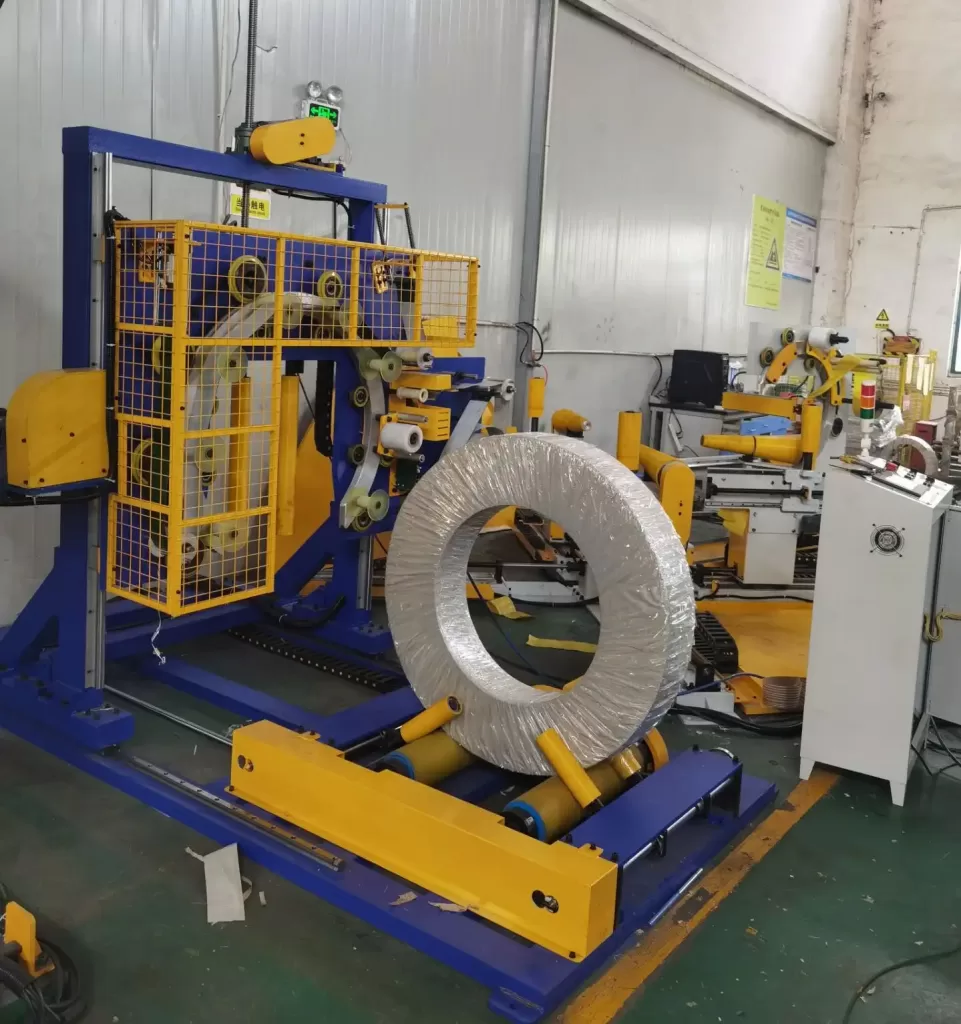
Absolutely, they can. My vision for FHOPEPACK has always been about empowering businesses. We don’t just solve one problem; we aim to transform your entire end-of-line process. This is where automation and intelligent design really shine, tackling the very challenges Michael Chen highlighted: efficiency, safety, and cost. (End-of-line process transformation, automated packaging benefits)
Comprehensive Benefits of Modern Packing Machines
Modern packing machines, especially those designed for heavy-duty industrial use, offer a suite of benefits that extend far beyond simply preventing oxidation. These machines become central to improving a factory’s overall operational health and bottom line.
-
Boosting Efficiency and Throughput:
- Automation: Manual packaging is slow and inconsistent. Automated packing machines work at much higher speeds, applying wraps precisely and consistently. This eliminates bottlenecks at the end of the production line. Michael’s current reliance on manual processes directly impacts delivery speed; automation fixes this.
- Reduced Labor Dependency: Machines can do the work of several people. This frees up valuable human resources for more complex tasks. It also addresses labor availability challenges.
- Consistent Quality: Machines apply the same tension, overlap, and number of wraps every time. This consistency is hard to achieve with manual methods and ensures uniform product protection.
- Example: A typical orbital wrapper can wrap a heavy copper coil in minutes, whereas manual wrapping might take much longer and require multiple workers. (Automated packing efficiency, labor cost reduction)
-
Enhancing Worker Safety:
- Reduced Manual Handling: Copper coils and wires can be heavy and awkward. Manual handling leads to a high risk of back injuries, crushes, and other accidents. Packing machines minimize the need for workers to directly lift, move, or manipulate these heavy items.
- Ergonomic Design: Modern machines are designed with safety features like emergency stops, guarded areas, and automated loading/unloading systems. This creates a safer working environment. Michael’s concern about high injury rates is directly addressed here.
- Fewer Repetitive Strain Injuries: Tasks like hand-wrapping are repetitive. They can lead to musculoskeletal disorders over time. Automation eliminates these repetitive, strenuous motions. (Workplace injury prevention, ergonomic packing solutions)
-
Minimizing Product Damage and Loss:
- Secure Packaging: A tightly wrapped and secured package protects the copper from physical damage during internal transfer, storage, and external shipping. This includes preventing edge damage, surface scratches, and deformation. Michael’s issue with product damage during transit is directly mitigated.
- Environmental Protection: Beyond oxidation, effective packaging protects against dust, dirt, and moisture ingress. This maintains product cleanliness and integrity.
- Reduced Returns and Rework: By delivering pristine products, you reduce customer complaints, returns, and the need for costly rework or replacement shipments. This directly improves profitability. (Product integrity maintenance, customer complaint reduction)
-
Cost Reduction and ROI:
- Lower Labor Costs: As discussed, fewer workers are needed for packaging, leading to significant savings over time.
- Reduced Material Waste: Efficient machines use packing materials optimally, reducing waste compared to often inefficient manual methods.
- Lower Insurance and Compensation Costs: Fewer injuries mean lower insurance premiums and reduced workers’ compensation claims.
- Improved Customer Satisfaction: Delivering high-quality, undamaged products builds loyalty and leads to repeat business, which is invaluable.
- Example: Michael’s goal of finding solutions with clear ROI is easily met. A packing machine that prevents product damage, reduces labor, and improves safety often pays for itself within a few years through these combined savings. (Operational cost savings, clear investment returns)
My passion, as Randal Liu, is to help businesses like Michael’s achieve these benefits. It’s not just about selling machines; it’s about providing solutions that truly transform operations, making them safer, more efficient, and ultimately more profitable. The right packing partner offers not just equipment, but a roadmap to success. (Business operational transformation, profitability enhancement)
Conclusion
Packing machines are indispensable for protecting copper from oxidation, maintaining its quality, and ensuring customer satisfaction. Beyond this, they revolutionize factory operations by boosting efficiency, enhancing safety, and reducing costs. Investing in solutions like FHOPEPACK’s coil wrapping machine provides a clear path to greater profitability and a stronger competitive edge.








