
What ROI Metrics Matter Most for Italian Purchasing Managers?
Many factory managers in Italy face big problems. Their packing lines are slow. Workers get hurt lifting heavy coils. Good products get damaged before shipping. These issues cost a lot of money and time. If you are an Italian purchasing manager, you feel this pressure. You need solutions that truly work. You need to show clear value for every investment.
The most important ROI metrics for Italian purchasing managers are clear. They involve direct cost savings. They also include better safety records and higher production speed. This means looking at less labor cost. It means fewer accidents. It means faster output of finished goods. These are the main points that show a real return on investment for new equipment.

You might be thinking, “How can a new machine truly change my factory’s bottom line?” This is a fair question. It is one I have answered for many clients over the years. Let’s look closely at how modern packing solutions can bring big returns. We will cover the specific areas that matter most to your business.
How Can Automated Packing Boost Your Factory’s Output?
Is your current packing line slowing everything down? Do you see piles of finished products waiting to be packed? This is a common problem in many Italian factories. It creates a bottleneck. This bottleneck stops you from shipping products fast. It costs you money in delayed orders and unhappy customers.
Automated packing machines directly boost your factory’s output. They work much faster than people. They also work without getting tired. This means your products move from the production line to shipping much quicker. You can process more orders in less time. This directly increases your overall factory output and profit.

When we talk about boosting output, we are not just talking about speed. We are also talking about consistency and reliability. Manual packing can have varied speeds. It depends on the worker. It also depends on how complex the coil or wire is. An automated system runs at a constant speed. This makes your production planning much easier. It also makes your delivery times more reliable. For a factory manager in Italy, knowing you can meet deadlines is key. This helps build trust with customers. It also allows you to take on more orders.
Measuring Production Efficiency Gains
You need to see real numbers to believe it. Here are some ways to measure how much automated packing helps your output:
- Throughput Increase: This is the number of units packed per hour or per shift. Manual processes might pack 10 coils per hour. An automated machine might pack 30. This is a clear gain.
- Cycle Time Reduction: This is how long it takes to pack one item. If it takes 5 minutes by hand and 1 minute by machine, that is a big saving.
- Labor Reallocation: Automated machines do the repetitive tasks. Your workers can move to more skilled jobs. This means you get more value from your team. They can focus on quality control or machine maintenance. This makes the whole operation better.
Here is a simple look at the impact:
| Metric | Manual Packing (Example) | Automated Packing (Example) | Improvement |
|---|---|---|---|
| Coils Packed/Hour | 10 | 30 | 200% |
| Average Packing Time | 6 minutes/coil | 2 minutes/coil | 66% |
| Workers Needed | 3 | 1 (for supervision) | 66% |
This table shows clear improvements. You make more products. You use fewer resources for packing. This directly means more profit for your factory. It also means you can grow your business without adding many more workers. This strategy is vital for factories in Italy that want to stay competitive. It allows them to increase capacity efficiently. It also ensures they can meet global demand with high-quality, quickly packed goods.
Can Investing in Safety Truly Lower Your Operating Costs?
Are your workers often lifting heavy steel coils or bundles of wire? Is this causing injuries? Workplace accidents are a serious concern. They cause pain for your employees. They also cause big costs for your company. These costs include medical bills and lost workdays. They also include higher insurance premiums.
Investing in safer equipment directly lowers your operating costs. Automated systems reduce the need for workers to lift heavy items. They also reduce the need for manual handling of large, awkward shapes. This cuts down on accidents. Fewer accidents mean lower insurance costs. It means fewer sick days. It means a more stable workforce. This helps your factory save money over time.
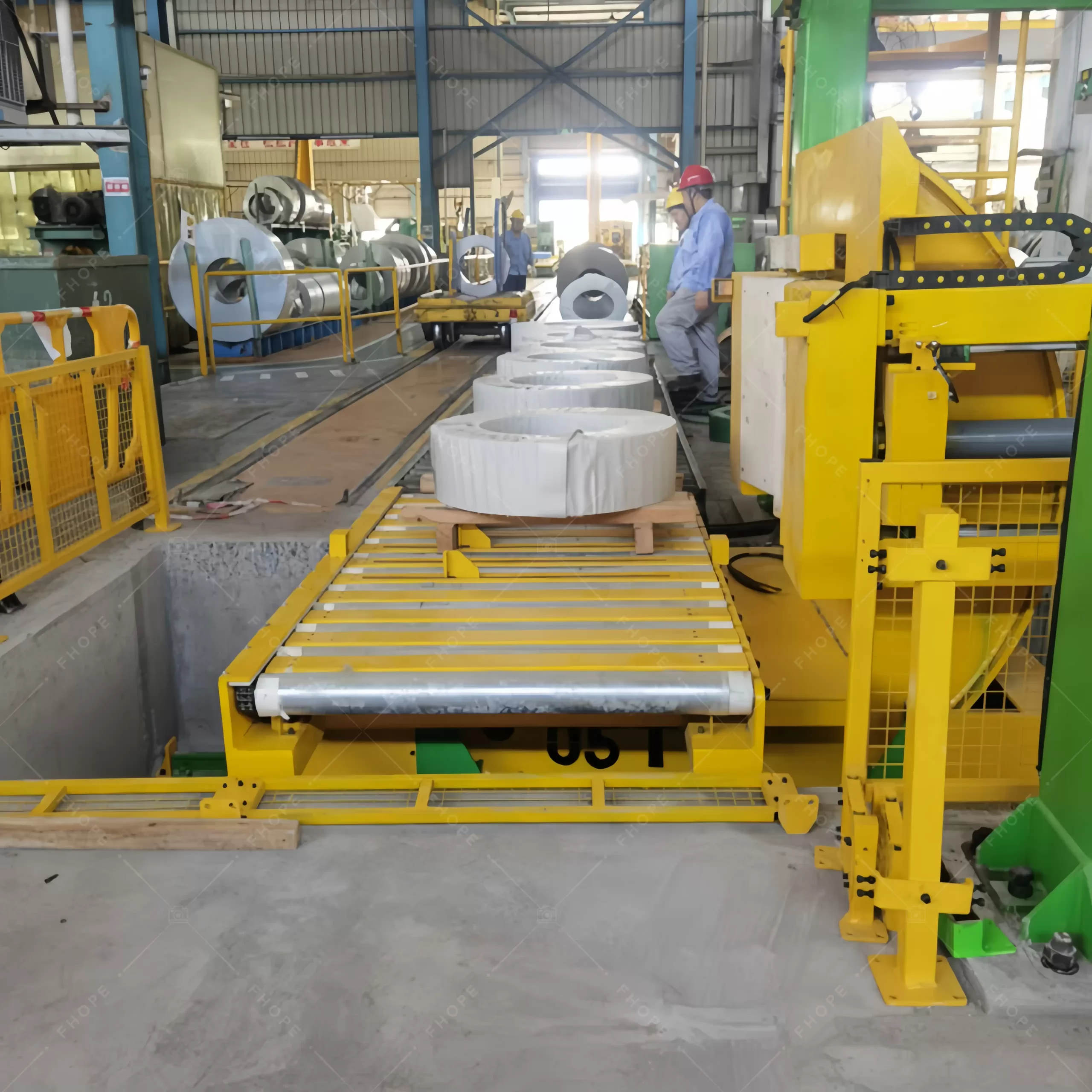
When I started my factory, safety was always a top priority. I saw firsthand how much an injury could set a production line back. It was not just the immediate cost. It was the morale of the team. It was the lost momentum. A safe workplace is a productive workplace. This is a fact. Modern packing machines are designed with safety in mind. They have sensors. They have safety guards. They protect workers from moving parts. They take the dangerous parts of the job away from human hands. This makes the work environment much better. It also makes your company more attractive to skilled workers. They know you care about their well-being.
The Hidden Costs of Poor Safety
The costs of accidents go beyond what you might see at first. They add up quickly:
- Direct Costs: These are easy to see. They include medical treatment. They include worker’s compensation.
- Indirect Costs: These are harder to see but are often much bigger. They include lost production time. They include damage to equipment. They include time spent investigating the accident. They include training new workers if someone leaves.
- Morale and Reputation: A factory with many accidents can hurt employee morale. Workers might feel unsafe. This can lead to higher employee turnover. It can also hurt your company’s image. Customers might think twice about working with a company that has a poor safety record.
Look at how improved safety impacts your bottom line:
| Cost Area | Manual Handling Risks | Automated Handling Benefits | Savings Potential |
|---|---|---|---|
| Worker’s Comp Premiums | High | Lower | Significant |
| Lost Workdays | Frequent | Rare | High |
| Employee Turnover | High | Lower | Moderate |
| Training New Staff | Frequent | Less frequent | Moderate |
| Production Downtime (Inj) | Common | Rare | High |
Investing in automation is not just about speeding up. It is about protecting your most valuable asset: your people. By doing this, you protect your company’s finances. You also build a better, more stable operation. For Italian factories, maintaining a good reputation for worker safety is very important. It aligns with strong labor regulations and cultural values. This also helps with employee retention in a competitive job market.
What’s the True Cost of Product Damage in Manual Packing?
Have you ever had a customer complain about a damaged product? Maybe a coil edge was bent. Maybe a wire bundle was scuffed. These damages happen often during manual handling. They happen during transit when items are not packed well. This leads to customer complaints. It leads to returns. It also leads to losing money on products you already made.
Automated packing reduces product damage. Machines pack items consistently. They apply the right amount of tension to the wrapping material. They use precise movements. This protects the product from scratches or dents during packing. It also protects it during shipping. Less damage means fewer returns. It means happier customers. This directly improves your profit margins.
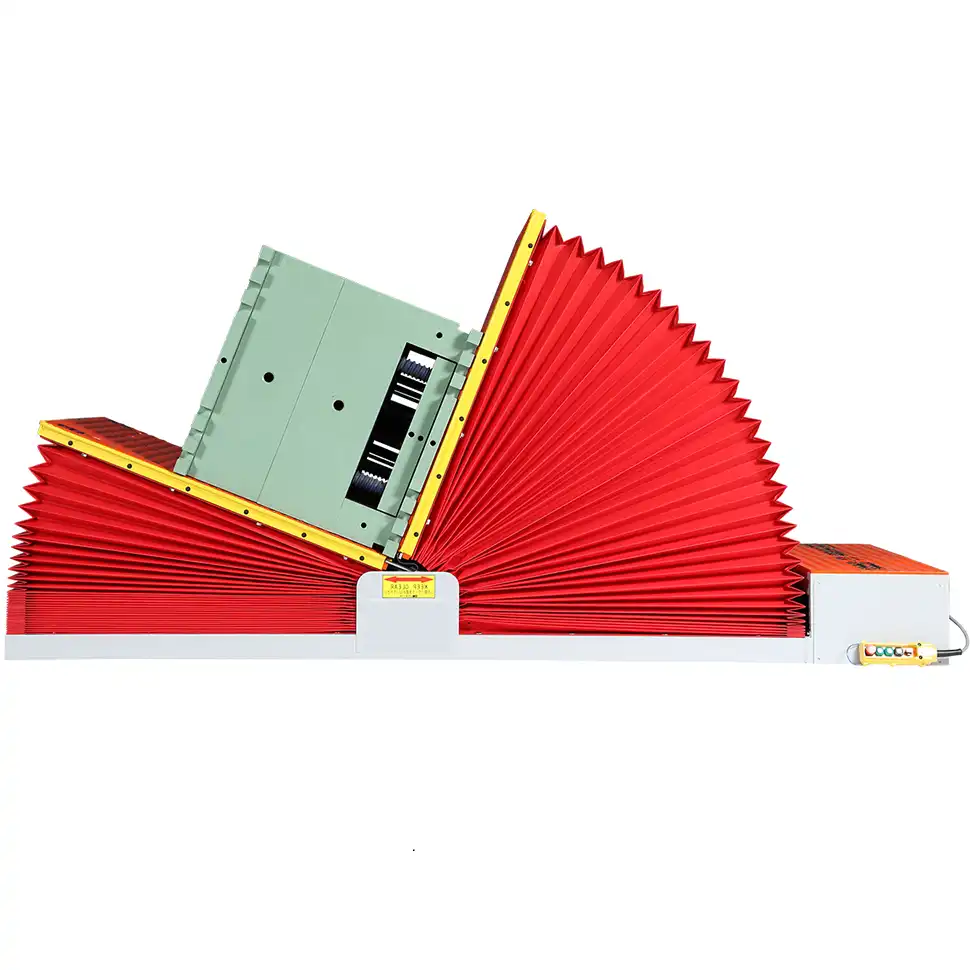
When I was running my factory, one of our biggest headaches was product damage. We made quality products, but if they arrived damaged, it negated all our hard work. This was a drain on profits. It also hurt our brand image. I learned that packing is not just the last step. It is a critical part of quality control. A well-packed product arrives perfectly. This ensures customer satisfaction. It also avoids costly reworks or replacements. Automated systems handle delicate surfaces carefully. They ensure stable packaging for heavy items. This makes sure your steel coils and wire products reach their destination in perfect condition.
Quantifying Loss from Damage
The cost of product damage goes beyond the value of the lost item. It has ripple effects:
- Scrap Material Costs: This is the raw material and labor used to make the damaged product. It is a complete loss.
- Rework/Replacement Costs: If you have to fix or remake an item, it costs more labor and materials. This also ties up your production line.
- Shipping Costs for Returns: You might pay to ship the damaged item back. Then you pay to ship a new one out.
- Customer Dissatisfaction: Unhappy customers might go to competitors. This is a long-term loss of business. They might also share their bad experience. This hurts your reputation.
Consider the financial impact:
| Cost Area | Manual Damage Risk | Automated Packing Benefit | Financial Impact (Savings) |
|---|---|---|---|
| Product Scrap Rate | 5% | 0.5% | Very High |
| Rework Hours | High | Low | High |
| Return Shipping Costs | Frequent | Rare | Moderate |
| Lost Sales/Customers | Potential | Reduced Risk | High, Long-term |
By investing in automated packing, you are investing in product quality. You are investing in customer satisfaction. This might not seem like a direct ROI metric at first. But when you look at the avoided costs and increased customer loyalty, the return is clear. Italian manufacturers value craftsmanship and quality. Protecting your finished product through superior packing reflects this commitment. It ensures your brand integrity remains high.
Why Does a Reliable Supplier Mean More Than Just a Machine?
Many purchasing managers in Italy have a bad experience with equipment suppliers. Some suppliers only care about making a sale. They offer poor after-sales service. They do not understand your factory’s specific needs. This leaves you stuck with a machine that might not work well. It might break down often. This creates new problems instead of solving old ones.
A reliable supplier is a true partner. They understand your challenges. They offer solutions that fit your factory perfectly. They provide strong after-sales support. This includes maintenance and spare parts. This partnership ensures your equipment runs smoothly for years. It means less downtime. It means consistent performance. This reliable support gives you peace of mind. It also protects your investment.
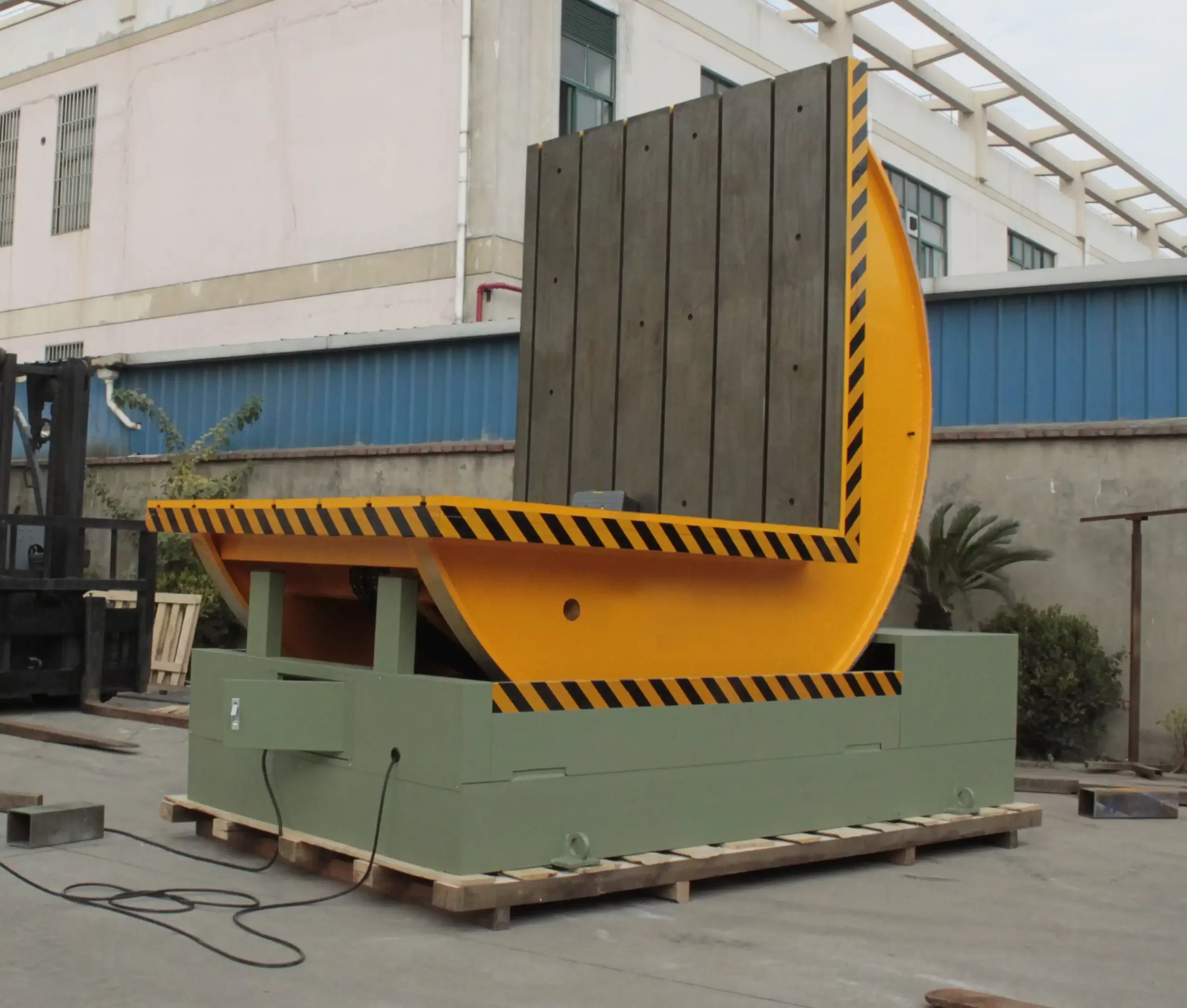
I started FHOPEPACK because I saw this problem in the industry. I worked in a factory. Then I built my own. I know what it feels like to rely on machinery. I know how important it is to have a supplier who stands by their product. My goal is not just to sell machines. It is to share knowledge. It is to help factories grow. This means providing real insights. It means offering dependable service. When you choose a partner like FHOPEPACK, you get more than a machine. You get a team that understands your coil packing and steel wire packing needs. We offer guidance to make your operation truly efficient. We help you pick the right solution. We support you long after the sale.
Qualities of a Valued Partner
Choosing the right supplier is a long-term decision. Here is what to look for:
- Deep Industry Knowledge: They should understand your specific production challenges. They should know about coil packing and wire handling.
- Customization Capabilities: Every factory is different. A good supplier can adapt their machines to your unique needs.
- Strong After-Sales Support: This includes quick help for breakdowns. It includes easy access to spare parts. It also includes regular maintenance checks.
- Proven Track Record: Look for a supplier with many successful installations. Look for good customer reviews.
- Commitment to Your Success: They should be invested in your long-term growth. They should offer advice that helps your whole business.
Here is a comparison of supplier types:
| Feature | Sales-Focused Supplier | Partnership-Focused Supplier (FHOPEPACK) |
|---|---|---|
| Pre-Sale Consultation | Basic | In-depth, problem-solving |
| Customization | Limited | Flexible, solution-driven |
| After-Sales Support | Slow, reactive | Prompt, proactive, preventive |
| Spare Parts Availability | Difficult, expensive | Easy, fair-priced |
| Focus | Transaction | Long-term relationship, factory growth |
For Italian purchasing managers, trust is built on reliability. It is built on shared expertise. It is built on a supplier who genuinely cares about your factory’s performance. This partnership means your machines will run smoothly. It means you will face fewer unexpected costs. It means you will have a clear path to achieving your production goals. This strategic choice is a key part of your overall ROI.
What Is My Personal Take on Long-Term Factory Success?
My journey in the packing machine industry taught me a lot. I started as a factory employee. I learned the challenges from the inside. Then I built my own successful packing machine factory. This gave me financial freedom. More importantly, it allowed me to help many clients grow their businesses. Now, through FHOPEPACK, I want to give back. I want to share my knowledge. I want to help you achieve similar success.
My personal take on long-term factory success is simple. It is about smart investments. It is about understanding the real costs and benefits. It is not just about buying the cheapest machine. It is about buying the right solution that solves your deepest problems. This means looking beyond the sticker price. It means seeing the full ROI picture. It includes efficiency, safety, product quality, and a reliable partner.
My experience showed me that true success comes from solving real problems. It comes from making operations more efficient. It comes from making workplaces safer. It comes from protecting your products. For many factories, the packing line is the last bottleneck. It is also the last chance to ensure quality before shipping. Investing here wisely can unlock huge potential. It can boost your entire business. I have seen it happen many times. I built FHOPEPACK to share this understanding. We help you make informed decisions. We help you choose the MASTER WRAPPING MACHINE for your needs.
Conclusion
Smart ROI means looking beyond machine cost. It means considering efficiency, safety, and product quality. Choose a trusted partner for lasting success.








