
Which Modular Design Options Scale Best for Russia’s Expanding Steel Plants?
Have you ever felt stuck with outdated equipment, knowing it holds your factory back? Maybe your production line struggles to keep up, or your workers face daily risks from manual handling. Many factory managers, like Michael Chen in Mexico, grapple with these exact issues. They want to grow, but their current setup feels like a heavy anchor. This problem is not unique to one region. Factories, including those in Russia, are looking for ways to expand without constant headaches.
Modular design options offer a clear path for steel plants to scale efficiently and safely. These systems allow factories to add or adjust components as needs change, avoiding full overhauls and cutting down on costly downtime. This flexibility helps streamline operations, improves worker safety, and protects your valuable products from damage. It is a strategic way to build resilience and boost output for the long run.
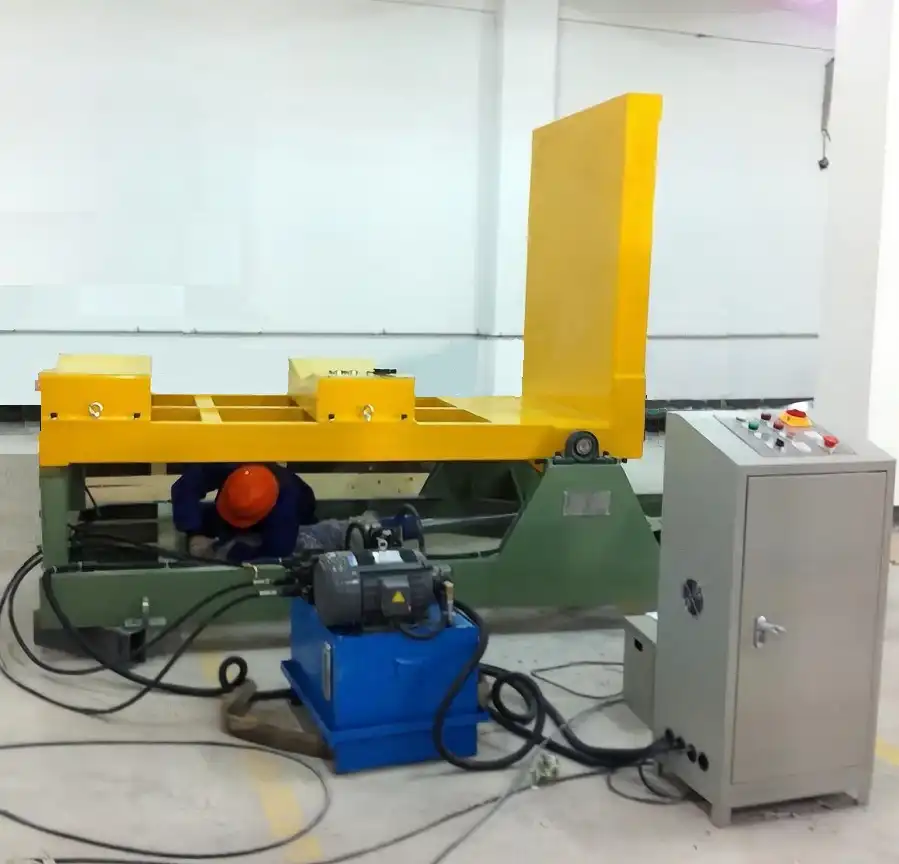
Understanding these options is key to making smart investments. When you are under pressure to boost output and cut costs, picking the right equipment can make all the difference. Let us look deeper into how specific modular solutions can help your factory, just as they have helped many of the clients I have worked with over the years. We will explore practical ways to upgrade your packing lines and improve overall plant safety, ensuring you can meet growing demands head-on.
How Can Modular Coil Packaging Lines Boost Throughput in Russia?
Is your current coil packaging process slowing everything down? Many steel plants rely on old methods, leading to slow production and missed deadlines. This bottleneck at the end of the line can waste all the effort put into earlier stages. It costs money and leads to customer complaints.
Modular coil packaging lines directly address this by allowing factories to integrate new sections or upgrade existing ones without shutting down the entire operation. This means you can add automation, improve speed, and handle more volume step by step. This approach is highly effective for steel plants in Russia and worldwide looking to expand their capacity without major disruption.

When I first started on the factory floor, I saw how much time was wasted due to inefficient packing. Later, when I built my own packing machine factory, I made sure our designs focused on real-world problems. Modular coil packaging lines offer a practical answer to these problems. They let a factory grow its capacity in stages. This means less risk when investing. You do not have to buy everything at once. You can add components like automatic strapping machines or wrapping stations as your needs grow. This stops bottlenecks at the very end of your production. Many factories, especially large ones handling heavy steel coils, face big challenges. They need to move products fast and safely. Modular lines are made for this. They can handle different coil sizes and weights. This means more flexibility for your products.
Benefits of Modular Coil Packaging
- Increased Speed: Automation in modular lines can handle coils much faster than manual methods. This speeds up your whole delivery process.
- Better Safety: Less manual work means fewer accidents. This lowers insurance costs and keeps your workers safer.
- Reduced Damage: Machines pack coils consistently. This protects the product, reducing costly damage during transit.
- Scalability: You can add modules when you need more capacity. This means you only pay for what you need now, but can grow later.
| Feature | Traditional Coil Packaging | Modular Coil Packaging Line |
|---|---|---|
| Setup Time | Long, full production stop | Short, minimal disruption |
| Scalability | Limited, requires major overhaul | High, easy to add components |
| Cost Efficiency | High upfront investment for growth | Phased investment, better ROI |
| Adaptability | Rigid, hard to change | Flexible, easily reconfigured |
| Integration with PLC | Complex, often custom | Easier, often pre-programmed |
For example, a factory might start with an automatic wrapping machine module. Later, as demand grows, they can add an automatic strapping unit. Then, they might add an indexing conveyor. Each part works together. This ensures a smooth flow of coils from the production line to the loading dock. This step-by-step expansion helps factories avoid big financial risks. It also allows them to respond to market changes quickly. I helped one client increase their coil packing speed by 30% by introducing just two modular units. This change helped them grow their business faster than they thought possible. This is the power of thinking modularly. It is about smart growth.
Are Scalable Wire Rod Packing Systems the Answer to Expansion Challenges?
Manual handling of wire rod coils is a nightmare. It is slow, dangerous, and often leads to tangled or damaged products. Managers are always looking for better ways, especially when a factory needs to produce more. The pressure to increase output while keeping costs low is constant.
Scalable wire rod packing systems offer a clear solution to these problems. They replace risky manual labor with efficient machines that can handle high volumes of wire rod coils quickly and safely. These systems are designed to expand with your factory’s needs, meaning you can start small and add more capacity as your business grows without needing a completely new setup.
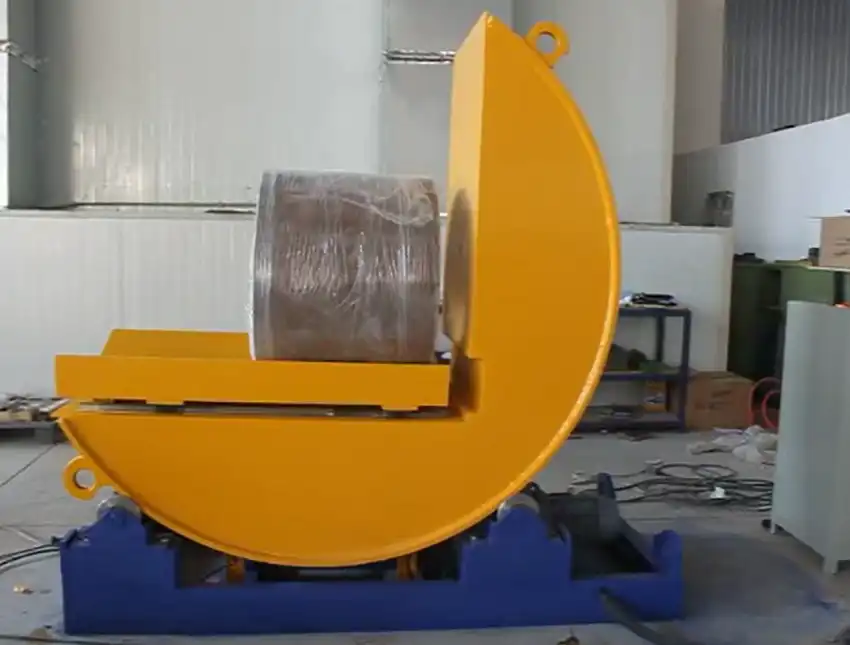
When I was first starting out in the packing machine industry, I saw how much pain points like these caused. It was clear that factories needed solutions that worked, not just machines that looked good on paper. Scalable wire rod packing systems are built for real-world production. They are designed to manage large quantities of wire rod coils. This makes the whole packing process much faster. Instead of workers struggling with heavy coils by hand, machines do the heavy lifting. This protects your employees from injuries. It also protects your product from damage. Wire rod coils can easily get tangled or bent during manual handling. This leads to costly scrap and unhappy customers. Automated systems pack consistently. This means fewer defects.
Key Aspects of Scalable Wire Rod Packing Systems
- Automation: Reduces the need for manual labor. This lowers labor costs. It also makes the work environment much safer.
- Customization: Systems can be built to fit specific coil sizes and weights. This ensures a perfect fit for your products.
- Integration: These systems can link with existing production lines. This makes for a smooth flow from one stage to the next.
- Maintenance: Modular designs often mean easier repairs. If one part breaks, you only replace that part, not the whole system. This means less downtime.
| Component Type | Manual System Disadvantage | Scalable System Advantage |
|---|---|---|
| Coil Feeding | Slow, inconsistent, high risk | Automated, precise, high speed |
| Wrapping/Strapping | Time-consuming, variable quality | Consistent, secure, high volume |
| Coil Stacking | Labor-intensive, potential damage | Robotic, gentle, space-saving |
| Data Tracking | Non-existent, errors | Integrated, real-time insights |
For a factory manager like Michael Chen, who needs to boost output and cut risks, scalable wire rod systems are a smart investment. I remember a client who struggled with wire rod coil damage. Their old manual process caused many complaints. We helped them install a modular system for wire rod packing. Within six months, their product damage dropped by over 80%. This saved them a lot of money and boosted their customer satisfaction. The return on investment was clear. These systems are not just about packing. They are about building a more efficient and safer future for your factory.
Can Integrated Upenders and Tilters Streamline Your Heavy-Duty Operations?
Handling heavy, bulky items like steel coils or molds is one of the most dangerous jobs in a factory. Manual flipping or repositioning leads to severe safety risks, high insurance costs, and frequent product damage. Many factories just accept this as part of the business, but it does not have to be this way.
Integrated upenders and tilters are critical pieces of equipment that transform how factories handle heavy materials. They safely and efficiently change the orientation of large, heavy objects, like turning a coil from eye-to-sky to eye-to-bore. By automating this process, they drastically reduce the need for risky manual intervention, improving safety, cutting down on product damage, and speeding up material flow.

From my experience designing packing solutions, upenders and tilters are game-changers. They are not just about flipping heavy objects. They are about making your factory safer and more efficient. I have seen firsthand the injuries and product damage that come from manual handling of heavy coils or molds. These machines remove that risk. They lift and turn heavy items with precision. This ensures that products are handled gently. It stops costly dents or scratches. This is especially important for high-value items like finished steel coils. A good upender or tilter can be a standalone unit. Or, it can be part of a larger automated line. This modularity means you can add one where you need it most. You do not have to redesign your whole factory floor.
Advantages of Using Upenders and Tilters
- Enhanced Safety: Eliminates manual flipping of heavy loads. This greatly reduces the risk of back injuries or crushed limbs.
- Reduced Product Damage: Machines handle products smoothly. This prevents dents, scratches, or deformation.
- Improved Workflow: Speeds up the process of changing product orientation. This leads to faster throughput.
- Space Optimization: Some designs allow for more efficient use of floor space.
| Operation Area | Traditional Method Disadvantage | Upender/Tilter Advantage |
|---|---|---|
| Material Flipping | Dangerous, slow, requires multiple staff | Fast, single operator, automated |
| Loading/Unloading | Difficult for specific orientations | Simplifies, aligns for next process |
| Inspection | Awkward, limited access | Presents all sides easily |
| Safety Compliance | High risk of non-compliance | Meets strict safety regulations |
For a factory manager like Michael Chen, integrating upenders means a safer workplace and less product loss. I once helped a client whose workers were constantly getting injured from flipping heavy molds. They thought it was just part of the job. We showed them how an upender could do the work faster and safer. They saw an immediate drop in injuries and a big improvement in their insurance rates. This also gave their workers peace of mind. It is about protecting your most valuable asset: your people. By investing in these solutions, you are not just buying a machine. You are investing in a safer, more productive future for your factory.
Why Are Adaptable Systems Key to Future-Proofing Russian Steel Plants?
In today’s fast-changing market, relying on rigid, single-purpose equipment is a big risk. Economic shifts, new product demands, or changes in technology can quickly make your fixed factory setup obsolete. This leaves factory managers worried about future investments and their ability to adapt.
Adaptable systems, built on modular principles, are the answer to future-proofing. They allow steel plants to reconfigure their production lines, add new capabilities, or change product specifications without major overhauls. This flexibility means your factory can quickly respond to market changes, adopt new technologies, and stay competitive for years to come.
My journey in the packing machine industry has taught me that foresight is critical. When I first started FHOPEPACK, I knew we needed to offer solutions that grew with our clients, not against them. Future-proofing your factory means building in flexibility from the start. This allows you to handle new product types. It also lets you change production volumes. And you can adopt new technologies as they come. A modular system is like building with LEGO bricks. You can add, remove, or change parts as needed. This is much better than trying to rebuild a whole brick wall every time you want to make a change. For expanding steel plants in Russia, this means they can meet current demand. But they can also prepare for the unknown demands of tomorrow.
Elements of Adaptable System Design
- Standardized Interfaces: Each module connects easily with others. This makes integration simple.
- Software Flexibility: Control systems can be reprogrammed for different tasks. This allows for quick changes.
- Space Efficiency: Designs allow modules to be rearranged in different layouts. This optimizes floor space.
- Vendor Support: Choosing suppliers who offer ongoing support and new module development is crucial.
| Aspect of Adaptability | Fixed System Disadvantage | Modular System Advantage |
|---|---|---|
| Market Changes | Slow to respond, high retooling cost | Quick adaptation, low reconfiguration cost |
| Technology Upgrades | Requires full replacement | Easy integration of new modules |
| Product Variation | Limited to specific product types | Handles diverse product ranges easily |
| Investment Risk | High risk of obsolescence | Lower risk, phased investment |
I have seen many factories invest heavily in equipment that became outdated too fast. They then faced the painful choice of losing money or making another huge investment. With modular systems, you protect your initial investment. You can upgrade specific parts. For example, if a new type of coil material becomes popular, you might only need to update your wrapping module. You do not need a whole new line. This keeps your factory nimble. It also keeps your costs down in the long run. My goal is always to help clients build a business that lasts. Adaptable systems are a cornerstone of this philosophy.
My Insights on True Partnership and Lasting Value?
Many factory managers feel like suppliers are just trying to sell them a box. They promise a lot, but then disappear when issues arise. This creates a deep trust problem, making it hard to find real solutions. Michael Chen faced this exact frustration, and he is not alone.
My insight is simple: true partnership is about more than selling a machine. It means understanding your challenges, sharing expertise, and providing solutions that truly solve your problems and help your business grow. I believe in giving back to the industry that gave me so much. This means offering genuine guidance, support, and reliable equipment that builds lasting value.
When I started as an employee in a packing machine factory, I saw what worked and what did not. Then, when I built my own successful factory and achieved financial independence, I realized the real value was in the relationships and the knowledge sharing. That is why FHOPEPACK exists. My mission is to make mold knowledge accessible, yes, but also to translate that expertise into practical, reliable solutions for you. A true partner does not just hand you a machine. They walk with you. They help you analyze your efficiency bottlenecks. They point out hidden safety risks. They show you how to reduce product damage.
This is why I always emphasize a deep dive into a client’s specific needs. Just like Michael Chen, you are not just buying a machine; you are seeking a solution to complex problems. You need someone who understands the pressure of meeting production targets, controlling costs, and ensuring safety. I have been in those shoes. I know what it means when a production line stops. I know the cost of a damaged product.
My approach involves:
- Deep Understanding: Listening to your specific challenges, not just offering a one-size-fits-all product. What are your unique coil sizes? What are your safety concerns?
- Tailored Solutions: Recommending equipment, often modular, that fits your exact factory setup and future growth plans. This is about precision, not just volume.
- Ongoing Support: Being there after the sale for installation, training, and troubleshooting. A machine is only as good as the support behind it. This is where many suppliers fail, and it is where we aim to excel.
- Sharing Expertise: Providing insights based on years of industry experience. This includes advice on workflow optimization, maintenance best practices, and even staff training. This is my way of giving back.
I remember one client who was losing a lot of money due to inconsistent packing and frequent machine breakdowns from a previous supplier. When we stepped in, we did not just replace their machine. We spent weeks understanding their entire packing process. We suggested modular upgrades and provided comprehensive training for their team. It was not a quick sale. It was a commitment. They ended up seeing a significant increase in uptime and a sharp drop in product damage. Their business grew because they had a reliable partner. This is the kind of lasting value I want to bring to every factory manager, especially those in expanding markets like Russia, who are looking to make smart, long-term investments. Your success is my success.
Conclusion
Modular design is key for growing steel plants in Russia, offering flexible, safe, and cost-effective solutions for packaging and material handling. Partnering with experts brings lasting value and true growth.








