
What pricing factors matter most when buying pallet inverters for tobacco logistics?
Are you feeling the pressure? In tobacco logistics, every minute counts, every pallet matters. The thought of inefficient pallet handling, the risk of damaged goods, or worse, worker injuries, can keep any warehouse manager up at night. The global supply chain demands speed and precision, and outdated manual processes just cannot keep up. You are not alone in facing these challenges.
When buying a pallet inverter for tobacco logistics, the most crucial pricing factors extend far beyond the initial purchase price. They include the machine’s automation level, specific design for hygiene and load stability, robust safety features, and the long-term support from the supplier. For critical operations like tobacco handling, these elements determine the true total cost of ownership and operational efficiency.
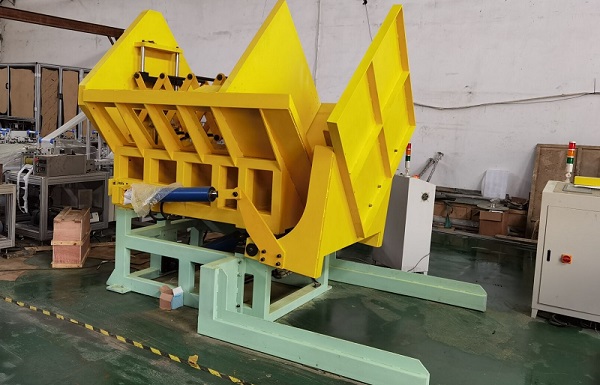
It is easy to get caught up in comparing sticker prices, but that approach often misses the bigger picture. From my years building packing machine factories and helping businesses grow, I have learned that the real value of an investment like a pallet inverter lies in its overall contribution to your operation. Let’s look at what truly drives the cost and, more importantly, the return on investment.
Is the initial price the only cost to consider for a pallet inverter?
Many people focus only on the upfront cost when they look for new equipment. It is a natural first step. But in industries like tobacco logistics, this can be a very short-sighted view. The initial price is just one piece of a much larger financial puzzle. If you stop there, you might miss hidden costs or overlook significant long-term savings.
No, the initial price is not the only cost to consider for a pallet inverter. It is crucial to also factor in the total cost of ownership (TCO), which includes installation, operational costs (energy, labor), maintenance, parts, and potential downtime. For tobacco logistics, neglecting these long-term costs can lead to higher expenses and reduced efficiency.
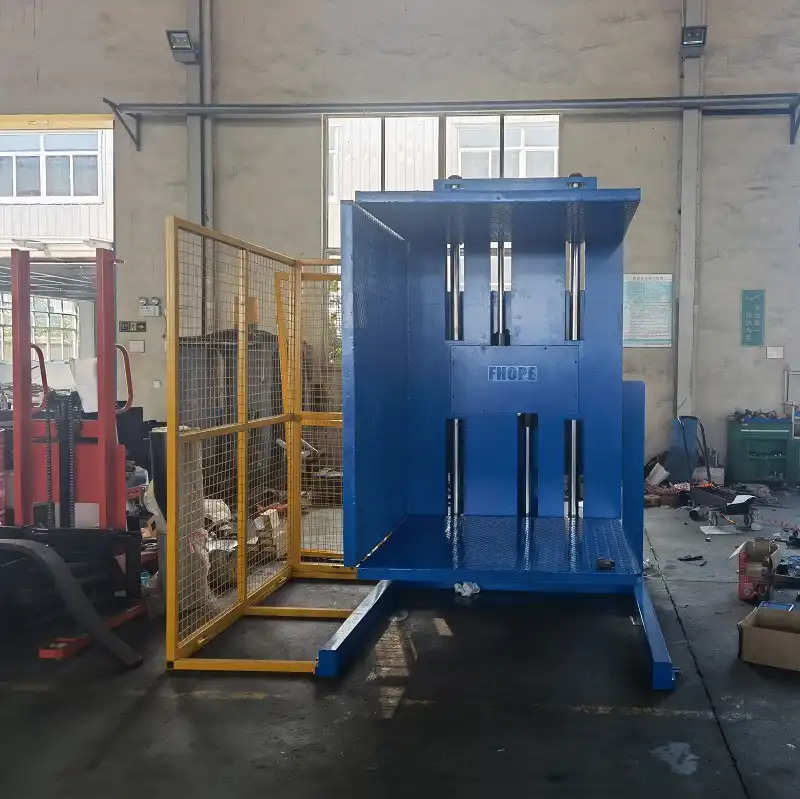
What goes into the total cost of ownership (TCO) for pallet inverters?
When I work with clients, especially those in demanding sectors like tobacco, I always push them to think beyond the purchase price. The true cost of a pallet inverter, or any piece of packing machinery, becomes clear when you consider its full lifecycle. Ignoring these aspects can lead to unexpected budget overruns and operational headaches.
- Acquisition Cost: 💰 This is the price you pay for the machine itself. It includes the pallet inverter, any necessary accessories, and sometimes even the initial freight. This is what most people first see and compare. However, even within this, customizations or specific features for tobacco handling might increase it.
- Installation and Commissioning: 🛠️ Getting the machine delivered, positioned, and set up in your warehouse costs money. This includes labor, specialized equipment, and sometimes site preparation. For a complex, high-capacity inverter in a busy tobacco facility, this can be a significant cost. Proper installation is critical for long-term reliability.
- Operational Costs: ⚡️ Every machine uses energy. A pallet inverter, especially one handling heavy loads like tobacco products, will have power requirements. You must also factor in the labor needed to operate it, even if it is semi-automatic. The goal is to reduce manual labor, but some oversight is always necessary. Over years, these energy and reduced labor costs add up to big numbers.
- Maintenance and Spare Parts: 🔧 Machines need care. Regular maintenance, scheduled inspections, and replacing worn parts are essential to prevent breakdowns. A reliable supplier will offer maintenance plans and readily available spare parts. Think about the cost of these parts and the labor involved in maintenance. A machine that costs less upfront but breaks down often will quickly become more expensive.
- Downtime Costs: 📉 This is often the most overlooked and most expensive hidden cost. If your pallet inverter breaks down, your entire operation might slow or stop. For a tobacco logistics center handling thousands of pallets daily, every hour of downtime means lost productivity, potential contract penalties, and unhappy customers. The cost of downtime can far outweigh the initial purchase price in just a few days. From my experience, avoiding downtime is key to profitable operations.
- Training Costs: 🧑💻 Your team needs to know how to operate the new machine safely and efficiently. This might involve training sessions provided by the supplier or internal training. Good training reduces errors, increases safety, and maximizes the machine’s performance.
- Decommissioning Costs: ♻️ At the end of its life, the machine needs to be removed and disposed of properly. This involves labor and sometimes specialized waste disposal.
Understanding TCO means looking at the full picture. A slightly higher initial investment in a more robust, energy-efficient, or well-supported machine can lead to substantial savings over its operational lifespan. This is especially true in fast-paced environments like tobacco logistics, where reliability is paramount.
How does the type and customization of a pallet inverter affect its price?
When you consider a pallet inverter, you are not just buying “a machine.” You are selecting a specific solution for specific needs. The variety of pallet inverters available is wide, and each type comes with different capabilities and, naturally, different price tags. Understanding these differences is key to making the right investment.
The type and customization of a pallet inverter significantly impact its price. Basic stationary models are generally less expensive, while specialized designs for heavy loads, high automation, or specific industry needs like hygiene in tobacco logistics, will cost more. Custom features, such as multi-pallet size adaptability, integrated weighing, or unique safety protocols, also add to the overall price.

What types of pallet inverters exist, and what customizations matter for tobacco?
I have seen countless factories and warehouses, and one thing is clear: a one-size-fits-all approach rarely works. This is particularly true for complex operations like tobacco logistics, where precise handling and specific regulations are crucial. The kind of pallet inverter you choose and how it is customized directly reflects your operational needs and budget.
- Standard Pallet Inverters:
- Description: These are the most common types. They often involve manually loading and unloading pallets. They might use a simple turning or tilting mechanism.
- Price Point: Generally the most affordable.
- Relevance for Tobacco: Suitable for smaller operations or specific, less frequent tasks. They might not meet the high-volume, speed, and safety demands of a large tobacco distribution center.
- Semi-Automatic Pallet Inverters:
- Description: These machines automate the turning or inversion process, but still require an operator to load and unload pallets, often with a forklift.
- Price Point: Mid-range, offering a balance between cost and automation.
- Relevance for Tobacco: A good option for medium-sized operations looking to reduce manual strain and improve efficiency without full automation’s higher investment. They still need human interaction for every pallet movement.
- Fully Automatic Pallet Inverters:
- Description: These systems integrate into a conveyor line. They automatically receive pallets, invert them, and send them back into the line without human intervention.
- Price Point: Higher, due to complex control systems and integration requirements.
- Relevance for Tobacco: Ideal for high-volume tobacco logistics where speed, continuous flow, and minimal human contact are critical. They significantly reduce labor costs and improve throughput. My experience shows that while the initial cost is higher, the ROI from labor savings and increased efficiency is often very fast.
- Specialized Designs and Customizations:
- Load Capacity and Size: Tobacco products can be dense and heavy. A machine designed for lighter loads will not work. Pallet inverters designed for very heavy loads or oversized pallets will naturally cost more due to stronger components and robust engineering.
- Pallet Types (Euro, American, Plastic): Carlos mentioned handling diverse pallet types. A pallet inverter needs to be adaptable to different sizes and materials without complex manual adjustments. This “multi-pallet compatibility” feature often comes at a premium but is vital for international logistics.
- Hygiene and Cleanliness: In food and beverage or tobacco, hygiene is often a concern. Pallet inverters made from food-grade stainless steel or with easy-to-clean designs will cost more than standard industrial versions.
- Operating Environment (e.g., Cold Storage): If your tobacco products are stored in temperature-controlled environments, the pallet inverter might need special components to withstand cold, humidity, or other harsh conditions.
- Integrated Features: Adding features like integrated weighing scales, metal detectors, or specialized wrapping systems increases the price. These add value by streamlining multiple processes into one machine.
- Safety Interlocks and Guards: While all machines have basic safety, advanced safety features and guards designed for specific risks in a busy tobacco warehouse can be customized and add to the cost.
The choice of type and customization should always align with your specific operational needs, current challenges, and future growth plans. Investing in a machine that is either over-spec’d or under-spec’d for your tobacco logistics needs will ultimately cost you more in the long run.
Why do safety features and compliance drive pallet inverter pricing in tobacco logistics?
Safety is not just a nice-to-have; it is a fundamental requirement in any industrial setting, especially in a demanding environment like tobacco logistics. The costs associated with accidents—worker injuries, damaged goods, legal liabilities, and reputational damage—can quickly dwarf any savings from a cheaper, less safe machine.
Safety features and compliance significantly drive pallet inverter pricing in tobacco logistics because they mitigate high-risk operational challenges and legal liabilities. Features like advanced guarding, emergency stops, load stability sensors, and robust construction prevent accidents, reduce insurance costs, and ensure adherence to strict industry regulations, ultimately offering greater long-term value despite higher initial cost.

What safety features matter, and how do they impact pricing for tobacco handling?
From my perspective as an engineer who has spent years designing and implementing packing solutions, safety is never an area to cut corners. For tobacco logistics, where high volumes and sometimes fragile products are handled, robust safety features are paramount. These features protect your workers, your products, and your business. They add to the price, but the return on investment through accident prevention is invaluable.
- Physical Guards and Enclosures: 🛡️
- Description: These are barriers, fences, or cages around the moving parts of the pallet inverter. They physically prevent workers from accessing dangerous areas during operation.
- Pricing Impact: More extensive, robust, or automatically controlled guarding systems increase material and engineering costs. Customized guards to fit specific warehouse layouts also add to the price.
- Relevance for Tobacco: In a busy tobacco warehouse with forklift traffic and personnel moving around, physical guarding is essential to prevent accidental contact with the machine.
- Emergency Stop (E-Stop) Systems: 🛑
- Description: Easily accessible buttons that immediately cut power to the machine in an emergency. They are strategically placed around the equipment.
- Pricing Impact: Standard on most industrial machines, but the number of E-stops, their integration into a wider safety system, and their redundancy can influence cost.
- Relevance for Tobacco: Absolutely critical for rapid shutdown in case of an unforeseen event, protecting both operators and the tobacco product being handled.
- Load Stability and Sensing Mechanisms: ⚖️
- Description: Sensors and programming that detect if a load is unstable, improperly positioned, or exceeds weight limits. The machine will stop or not operate if conditions are unsafe.
- Pricing Impact: Advanced sensor technology, complex control logic, and sophisticated algorithms for load balancing add to the machine’s cost.
- Relevance for Tobacco: Tobacco products, especially if packed in fragile containers or on unstable pallets, need careful handling. These features prevent spills, product damage, and subsequent cleanup or loss.
- Interlocks and Safety Gates: 🚪
- Description: These systems ensure that the machine cannot operate if a safety gate is open or if a protective cover is not in place. They prevent accidental startups or operation during maintenance.
- Pricing Impact: Electrical and mechanical interlocks add components and complexity to the control system, increasing cost.
- Relevance for Tobacco: Vital for protecting maintenance personnel and operators. No one wants to see an accident from a machine starting unexpectedly.
- Operator Presence Sensing (Light Curtains, Mats): 🚶
- Description: Advanced systems that use light beams or pressure-sensitive mats to detect if a person is in a hazardous zone. If detected, the machine stops.
- Pricing Impact: These sophisticated systems use specialized sensors and safety PLCs, making them more expensive than basic guards.
- Relevance for Tobacco: In high-speed, automated lines common in modern tobacco logistics, these provide an extra layer of protection, especially where human interaction might be close to moving parts.
- Certification and Compliance: 📝
- Description: Adherence to international safety standards (e.g., CE, OSHA) and specific industry regulations. This involves rigorous testing and documentation.
- Pricing Impact: The engineering, testing, and certification processes are costly for manufacturers, which passes on to the buyer. Machines meeting higher standards are often more expensive but offer peace of mind.
- Relevance for Tobacco: Compliance is non-negotiable. Using equipment that meets all required safety and quality standards protects your business from legal issues and demonstrates your commitment to a safe workplace.
Investing in these safety features is not just about avoiding fines or lawsuits; it is about protecting your most valuable asset: your people. A safe workplace is a productive workplace. My personal journey started on the factory floor, so I know firsthand the importance of robust safety measures. It is an investment that always pays off.
What role does automation level play in the cost and value of a pallet inverter?
In today’s logistics world, automation is a major topic. It is not just about making things faster; it is about working smarter, reducing costs, and making your operations more reliable. For a demanding industry like tobacco logistics, the level of automation in your pallet inverter directly affects your efficiency and long-term expenses.
The automation level of a pallet inverter significantly impacts both its initial cost and long-term value. While fully automatic systems have a higher upfront price due to complex integration and controls, they offer substantial savings through reduced labor costs, increased throughput, and fewer human errors. Conversely, manual or semi-automatic systems are cheaper initially but incur higher ongoing operational costs due to reliance on human intervention.

How does automation affect the economics of pallet inversion for tobacco products?
I have seen businesses transform by embracing automation. Early in my career, when I was building my own factory, I always looked for ways to optimize processes. This drive helped me achieve financial independence and allowed many of my clients to grow their businesses. For tobacco logistics, where volume, speed, and precision are critical, the automation level of a pallet inverter is a game-changer for economic performance.
Here is how different automation levels affect cost and value:
- Manual Pallet Inverters:
- Cost: Lowest initial investment. These often require significant physical effort to operate.
- Value: Limited. They are suitable for very low-volume operations or infrequent use.
- Economic Impact for Tobacco:
- ❌ High Labor Costs: Requires dedicated personnel for each operation, leading to high ongoing wage expenses.
- ❌ Low Throughput: Slowest option, creating bottlenecks in a fast-paced tobacco distribution center.
- ❌ High Safety Risk: Increased risk of injuries and product damage due to manual handling and human error. Carlos specifically highlighted this as a challenge.
- ❌ Inconsistent Quality: Pallet changes might not be consistent, leading to potential issues with downstream processes or customer perception.
- Semi-Automatic Pallet Inverters:
- Cost: Moderate initial investment. The machine handles the inversion, but an operator loads and unloads.
- Value: Good for medium-volume needs, reducing physical strain and improving speed compared to manual.
- Economic Impact for Tobacco:
- ✅ Reduced Labor Strain: While still needing an operator, the heavy lifting is done by the machine, improving ergonomics and reducing injury risk.
- ⬆️ Improved Efficiency: Faster than manual, helping to keep pace with moderate demands.
- 📈 Moderate Investment, Good ROI: A balanced choice for operations scaling up but not yet ready for full automation. It helps address labor shortage issues to some extent.
- ⚠️ Still Operator Dependent: Efficiency is tied to operator availability and skill.
- Fully Automatic Pallet Inverters:
- Cost: Highest initial investment. These integrate into conveyor systems and operate without human intervention.
- Value: Maximizes efficiency, throughput, and safety while minimizing labor.
- Economic Impact for Tobacco:
- 💰 Significant Labor Cost Reduction: Eliminates the need for an operator in the pallet changing process, leading to substantial long-term savings on wages and benefits. This directly addresses the labor shortage challenge.
- 🚀 Maximized Throughput: Operates continuously at high speeds, ensuring seamless flow in high-volume tobacco logistics. No bottlenecks.
- ✅ Enhanced Safety: Minimal human interaction reduces injury risk to nearly zero for the inversion process.
- 🎯 Consistent Performance: Machine precision ensures uniform pallet handling every time, critical for delicate tobacco products.
- ⚙️ Seamless Integration: Fits into existing automated lines, improving overall warehouse automation and data flow.
- 💲 Higher ROI (Long-term): While the upfront cost is higher, the cumulative savings from reduced labor, increased speed, and fewer errors mean a faster and higher return on investment over the machine’s lifespan.
The decision on automation level should weigh the initial investment against the long-term operational savings and strategic benefits. For a forward-thinking logistics manager like Carlos, who is dealing with labor shortages, safety risks, and pressure for faster delivery, moving towards higher automation in pallet inversion offers a clear path to achieving operational goals and ensuring business continuity.
How does after-sales service and support influence the true cost of a pallet inverter?
Imagine buying a complex machine, only to find you are on your own if something goes wrong. That is a nightmare for any operations manager. For crucial equipment like a pallet inverter in a demanding sector like tobacco logistics, the quality of after-sales service is not just a perk; it is a critical component of its true value and cost.
After-sales service and support significantly influence the true cost of a pallet inverter by impacting downtime, maintenance expenses, and machine longevity. A supplier offering robust technical support, readily available spare parts, and responsive on-site service can drastically reduce operational disruptions and total cost of ownership, ultimately proving more cost-effective than a cheaper machine with poor support.
Why is a reliable service partner essential for pallet inverters in tobacco logistics?
Throughout my journey, from working on factory floors to leading FHOPEPACK, I have seen the difference good service makes. It is about building trust and understanding that a machine is only as good as the support behind it. For our clients in sensitive industries like tobacco, a strong after-sales partnership is absolutely vital.
- Minimizing Downtime: ⏰
- Description: When a pallet inverter breaks down, your operations stop or slow significantly. Good after-sales means quick troubleshooting, fast part delivery, and rapid repair.
- Impact on Cost: Every hour of downtime in a high-volume tobacco logistics center can cost thousands in lost productivity, penalties, and delayed shipments. A supplier with a quick response time and efficient service network helps you avoid these huge hidden costs. This directly addresses Carlos’s concern about efficiency and potential contract penalties.
- Access to Spare Parts: ⚙️
- Description: Machines need spare parts eventually. A reliable supplier keeps a stock of common parts and can ship them quickly.
- Impact on Cost: If a critical part is unavailable, your machine can be down for weeks, leading to massive losses. A supplier with a strong parts inventory and efficient logistics helps you avoid prolonged downtime and keeps your operational costs predictable.
- Technical Support and Troubleshooting: 📞
- Description: Sometimes, you just need expert advice. A good service team offers phone or remote support to help diagnose problems or guide your team through minor issues.
- Impact on Cost: Timely advice can prevent a small issue from becoming a major breakdown. It reduces the need for expensive on-site visits for simple fixes, saving you money and time.
- Preventive Maintenance Programs: 🩺
- Description: Many suppliers offer scheduled maintenance programs to inspect, clean, and adjust your machine regularly, preventing breakdowns before they happen.
- Impact on Cost: While there is a cost for these programs, they are an investment. They extend the life of your pallet inverter, reduce the likelihood of costly emergency repairs, and maintain peak operating efficiency. “An ounce of prevention is worth a pound of cure” perfectly applies here.
- Training and Updates: 🧑💻
- Description: Good partners offer ongoing training for your staff and inform you about software updates or machine improvements.
- Impact on Cost: Well-trained staff operate machines more efficiently and safely, reducing errors and potential damage. Updates can improve performance or add new features, extending the machine’s useful life without needing a full replacement.
- Warranty and Guarantees: 📄
- Description: A strong warranty backs the quality of the machine and provides protection against manufacturing defects.
- Impact on Cost: A comprehensive warranty protects your investment. It means the supplier stands behind their product, giving you confidence and reducing your financial risk if issues arise within the warranty period.
Carlos specifically mentioned wanting a “long-term partner” who understands warehousing automation, not just a seller. This is exactly what good after-sales service provides. It shows a commitment to your success beyond the initial transaction. A cheaper machine with no support can become the most expensive mistake you make.
Conclusion
The true cost of a pallet inverter for tobacco logistics goes well beyond its initial price. Factors like total cost of ownership, machine type and customization, robust safety features, high automation levels, and strong after-sales support are paramount. Prioritizing these elements ensures long-term operational efficiency, safety, and a solid return on your investment.








