
What pricing differences matter most when selecting a pallet inverter for heavy loads?
Managing a busy warehouse with thousands of pallets coming and going daily can feel like a constant battle. You need efficiency, safety, and reliability. But often, the challenge is finding the right equipment that does not break the bank. You know that a wrong decision can lead to costly delays, penalties, or even worker injuries.
The most important pricing differences when selecting a pallet inverter for heavy loads go beyond the initial purchase price. They include total cost of ownership, capacity and features, customization and integration, and crucial after-sales support and warranty. Focusing on these areas helps ensure long-term value, operational efficiency, and safety for handling diverse, heavy pallet loads.
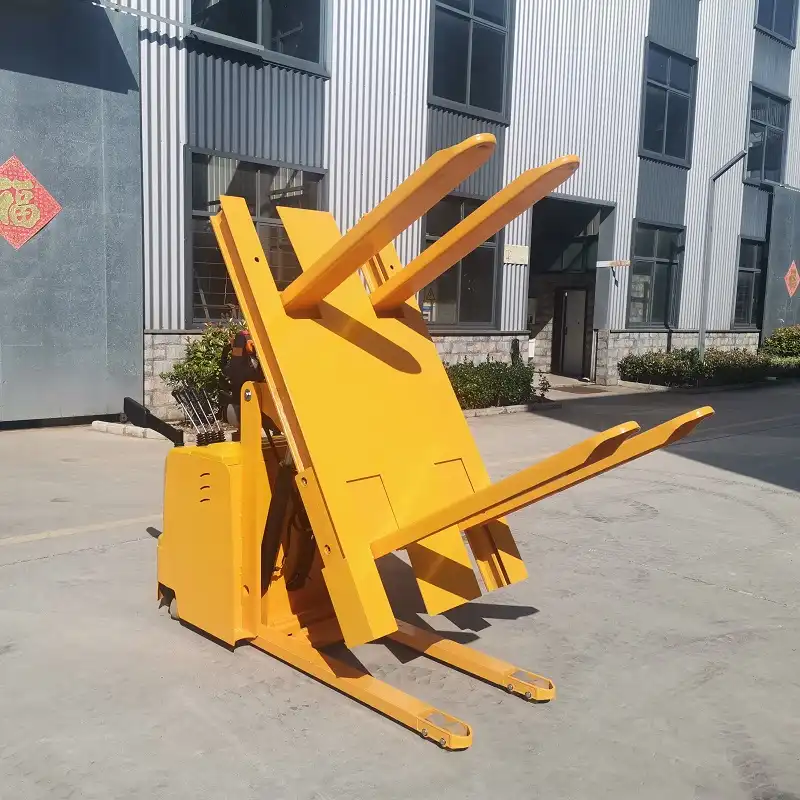
Choosing a pallet inverter is a big decision for any warehouse. It impacts your daily operations and your bottom line. It is not just about the machine itself. It is about finding a solution that fits your specific needs for moving heavy goods. Let us explore the real costs and value behind different pricing structures. This helps you make a smart investment for your business.
Is Initial Purchase Price the Only Cost to Consider for Heavy Load Pallet Inverters?
Are you focused only on the sticker price when you look for new equipment? Many people do this. They see the lowest price and think they found a good deal. But this way of thinking can cost you more money later. For heavy-duty pallet inverters, the upfront price is just one small part of the whole financial picture. This is a common mistake I have seen many times in my career.
No, the initial purchase price is not the only cost to consider for heavy load pallet inverters. It is important to look at the total cost of ownership (TCO). This includes ongoing expenses like maintenance, energy consumption, and the cost of spare parts over the machine’s lifespan. These costs can quickly outweigh any initial savings from a cheaper model.

When I first started in the packing machine industry, I learned this lesson the hard way. I once chose a machine because it was cheaper upfront. It turned out to be a nightmare. It broke down often, needed expensive parts, and used a lot of power. This made our operations slow and our costs high. This experience taught me to always look at the long-term. For heavy loads, the demands on the machine are even higher. A machine that handles thousands of heavy pallets daily needs to be robust. It needs to run consistently. If it stops, your entire operation stops. This means lost time and lost money. You also face potential contract penalties and unhappy customers. Thinking about TCO helps avoid these problems. It ensures your investment truly supports your business goals.
1.1 Understanding Total Cost of Ownership (TCO)
TCO goes beyond the initial price tag. It covers all costs linked to owning and operating an asset. For pallet inverters handling heavy loads, this is critical. A robust machine might cost more upfront. But it will likely save you money in the long run.
- Initial Purchase Price: This is what you pay to buy the machine. It is the most visible cost. But it does not tell the full story. Do not let it be your only guide.
- Installation Costs: Installing heavy machinery can be complex. You need specialized labor. You may need specific power requirements. These costs add to the initial investment. Make sure to factor them in.
- Operating Costs:
- ⚡️ Energy Consumption: Heavy-duty machines use power. Some are more energy-efficient than others. Over years, higher energy use can mean much higher bills. Look for energy-saving features.
- 🔧 Maintenance and Repair: All machines need maintenance. Heavy-duty machines work hard. They often need more robust parts and skilled technicians. Cheaper machines might need repairs more often. This causes downtime and high repair bills. Good maintenance keeps your machine running.
- ⚙️ Spare Parts: Parts wear out. For heavy loads, components like motors, hydraulics, and bearings face high stress. The availability and cost of spare parts are important. Proprietary parts can be very expensive. Common, easily sourced parts are often better.
- Downtime Costs: This is often overlooked. When your pallet inverter breaks, your whole process stops. This means:
- ⏰ Lost Productivity: Workers stand idle. Goods do not move.
- 💰 Financial Penalties: If you miss shipping deadlines, you pay fines.
- 📉 Customer Dissatisfaction: Delayed orders lead to unhappy customers. This can hurt your reputation.
- Lifespan and Depreciation: A well-built machine lasts longer. It holds its value better. This means you replace it less often. It gives you a better return on investment. A cheap machine may need replacement much sooner.








