
How do pallet inverters help building material factories meet export safety standards?
Sending building materials across borders brings many challenges. Have you ever thought about the hidden risks in your warehouse? Things like damaged goods, injured workers, or delayed shipments because of the wrong kind of pallet can really hurt your business. These problems are more common than you think, especially when you are preparing products for international shipping. Ignoring them can cost you a lot, not just in money, but also in your reputation.
Pallet inverters help building material factories meet export safety standards by providing a safe, efficient, and compliant way to switch loaded pallets. They reduce manual handling, prevent worker injuries, ensure product stability, and allow quick changes between different pallet types (like Euro, US, or plastic). This improves warehouse safety, speeds up operations, and ensures goods meet strict international shipping rules, avoiding costly fines and delays.
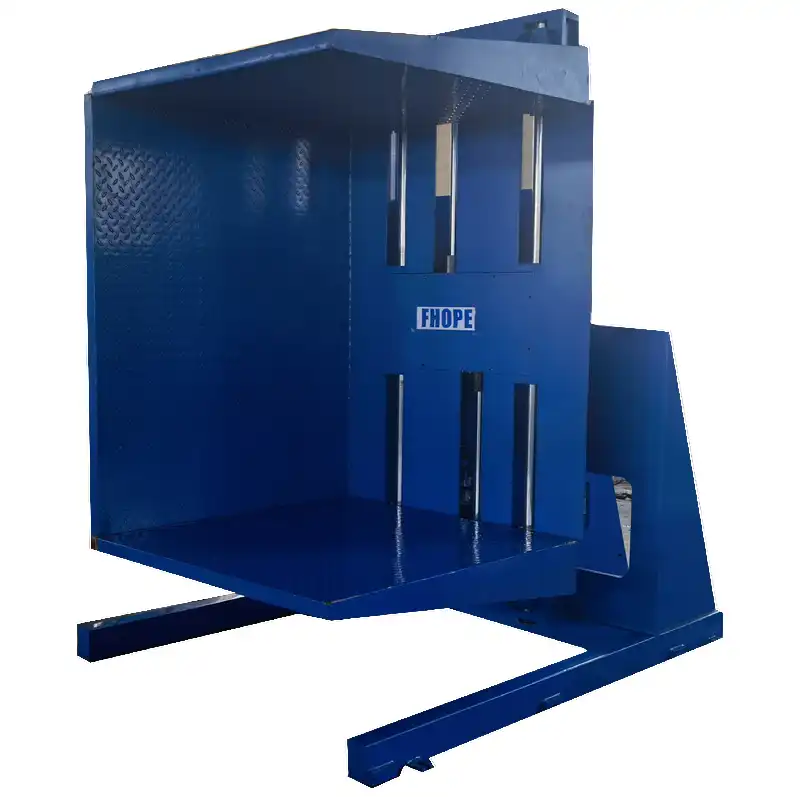
It is clear that efficient and safe pallet handling is vital for any factory that exports. But understanding the “why” and “how” can make a big difference. Let us dive deeper into the core issues and see how a simple solution can change your entire export process. Keep reading to learn more about protecting your goods, your workers, and your bottom line.
Why do building material factories need to change pallets for export?
Do you ever wonder why your export department spends so much time dealing with pallets? It is a common problem in building material factories. The reason is simple: what works in your local market often does not work overseas. This difference can slow down your entire shipping process and even cause major headaches.
Building material factories must change pallets for export because different countries have strict rules about pallet types, sizes, and materials. For example, a standard European pallet is not the same as a US pallet. Also, some regulations require heat-treated wood or plastic pallets to prevent pests. Not following these rules can lead to rejected shipments, costly fines, and big delays at customs.
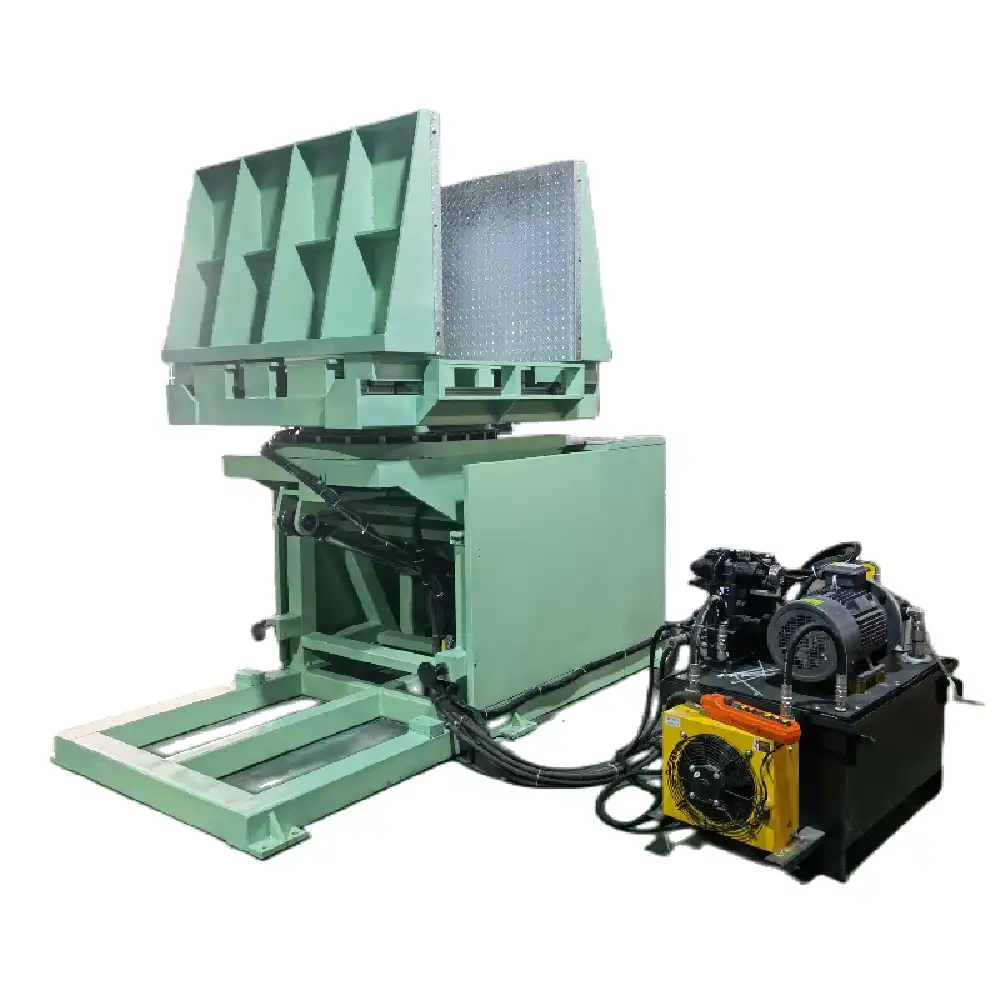
From my early days in the packing machine industry, I have seen many factories struggle with this. They would load products onto local pallets, only to find out they needed to switch everything before shipping. This process used to be very manual and time-consuming. Understanding these strict international requirements is the first step. Then, you can find the right tools to make sure your products always reach their destination without any problems.
How Different Pallet Standards Affect Exports?
Exporting building materials is not just about moving products. It is about meeting specific standards set by each destination country. These standards cover everything from the size of the pallet to the material it is made from. Not knowing these rules can cause big problems.
-
📏 Size Differences:
- Euro Pallets (EPAL): Common in Europe, they measure 1200x800mm. Many European warehouses and transport systems are built around this size.
- US Pallets (GMA): Standard in North America, often 48×40 inches (about 1219x1016mm). These are larger than Euro pallets.
- Impact: If you ship goods on a US pallet to a European warehouse, it might not fit their racks or forklift attachments. This means you will need to switch pallets at the border or destination, which costs time and money.
- My Insight: I once helped a client who shipped ceramic tiles from Spain to the US. They used Euro pallets initially, thinking “a pallet is a pallet.” The cargo got stuck at a US port because their pallets were incompatible with the client’s automated systems. They had to pay huge fees to manually offload and re-palletize everything. It was a costly lesson for them.
-
🌳 Material Regulations (ISPM 15):
- Wood Pallets: Many countries require wood pallets to be treated against pests. This is the ISPM 15 standard. Wood must be heat-treated (HT) or fumigated with methyl bromide (MB). It must also have a special stamp.
- Plastic Pallets: These are naturally exempt from ISPM 15 rules. They are often preferred for hygiene or when wood treatment is not practical.
- Impact: If your wooden pallets do not meet ISPM 15, they can be rejected at customs. This can lead to your entire shipment being sent back, held for re-treatment, or even destroyed. This causes huge delays and financial losses.
-
⚖️ Load Capacity and Stability:
- Heavy Building Materials: Products like cement bags, bricks, or large tiles are very heavy. They need strong pallets that can handle the weight.
- Pallet Quality: Not all pallets are made equal. Some are designed for lighter loads, others for heavy industrial use.
- Impact: Using a weak pallet for heavy building materials can lead to pallet collapse during transit. This damages your products and can injure workers. A stable load is also crucial for safe handling by forklifts and in automated warehouses.
-
🧼 Hygiene and Cleanliness:
- Food vs. Non-Food: While building materials are not food, some destination countries still have cleanliness rules for all incoming goods.
- Plastic Pallets: These are easy to clean and do not absorb moisture or harbor pests, making them a good choice for sensitive goods or strict environments.
- Impact: Dirty or contaminated pallets can cause issues, especially when shipping to countries with high import standards. This might lead to extra inspections or cleaning fees.
These factors make pallet changing a necessary step for building material factories that want to succeed in international markets. It is about more than just moving goods. It is about smart logistics and following the rules.
What are the risks of manual pallet handling in building material factories?
In many building material factories, manual pallet handling is still a common practice. Workers often use crowbars, forklifts, or even their bare hands to switch heavy loads from one pallet to another. This might seem like a quick fix, but it comes with serious risks. These risks affect both worker safety and the factory’s bottom line.
Manual pallet handling in building material factories carries high risks of worker injuries, such as back strains, crush injuries, and falls from unstable loads. It also leads to slow operations, product damage from drops or tipping, and increased labor costs. These inefficiencies can cause shipping delays, fines for missed deadlines, and a higher chance of customer complaints.
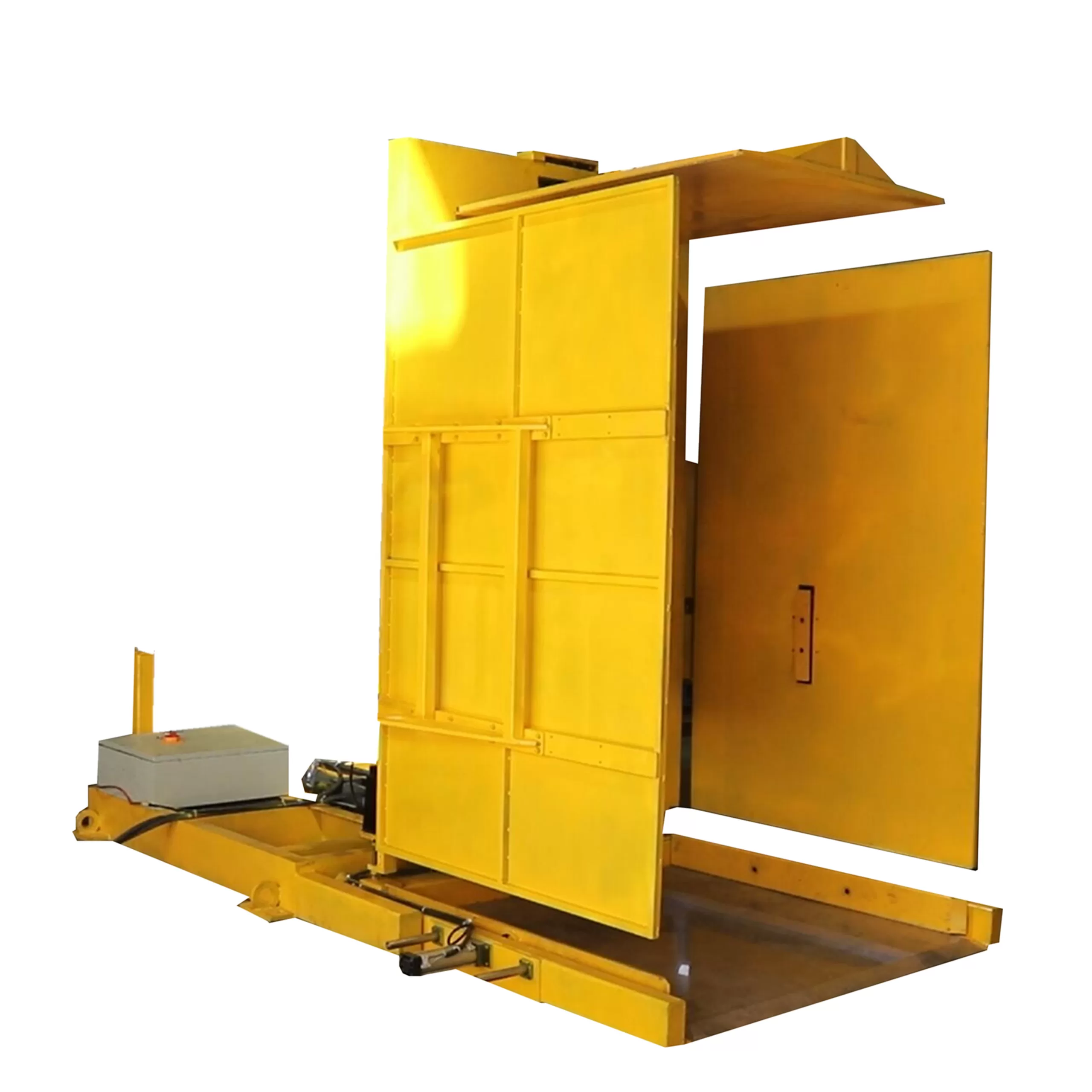
When I first started my own packing machine factory, I saw how much time and energy went into manual tasks. I learned early on that safety must always be the top priority. One accident can shut down operations, hurt a worker, and cost a fortune. I also saw how much faster and safer things became when we introduced machines to do the heavy lifting. Investing in better methods is not just about making things quicker; it is about protecting your team and your business.
Why Manual Pallet Changes Create Big Problems?
Manual pallet handling, especially with heavy building materials, creates many problems. These issues range from immediate safety concerns to long-term financial impacts. It is a method that often costs more than it saves.
-
🤕 Worker Safety Hazards:
- Heavy Lifting and Awkward Postures: Building materials are heavy. Workers often lift, push, and pull loads that are too much for their bodies. They also bend and twist in unnatural ways.
- Falling Products: When workers manually shift items, the load can become unstable. Products can fall, hitting workers or causing other items to tumble.
- Crush Injuries: Using forklifts or other heavy equipment for manual tilting creates crush points. Workers can get hands or feet caught.
- My Experience: I remember visiting a concrete block factory years ago. A worker was trying to manually slide a stack of blocks onto a new pallet using a small forklift to lift one side. The whole stack shifted, and several heavy blocks fell, narrowly missing his foot. It was clear then that manual methods were just too dangerous for such heavy goods.
-
⏱️ Reduced Efficiency and Speed:
- Time-Consuming Process: Manually moving individual items or carefully tilting a whole pallet takes a lot of time. This slows down the entire packing and shipping process.
- Labor Intensive: It needs several workers to do the job safely, even if it is still not truly safe. This takes people away from other important tasks.
- Bottlenecks: The pallet changing area often becomes a bottleneck. Other operations have to wait for pallets to be ready, slowing down the entire warehouse flow.
-
💸 Increased Costs:
- Higher Labor Costs: More workers are needed for manual tasks. Also, the time it takes means higher labor hours.
- Injury Compensation: Work-related injuries lead to medical costs, lost workdays, and potentially higher insurance premiums. This adds up very quickly.
- Product Damage: Manual handling increases the risk of dropping or damaging products. Damaged goods mean waste, rework, or replacement costs.
- Fines and Penalties: Delays caused by slow pallet changes can lead to missed shipping deadlines. This often results in penalty fees from shipping companies or unhappy customers.
-
📉 Lower Morale and High Turnover:
- Demanding Work: Manual handling of heavy loads is physically exhausting and repetitive. This leads to low job satisfaction.
- Safety Concerns: Workers constantly worry about getting hurt. This creates a stressful work environment.
- Difficulty Recruiting: It is hard to find new workers who want to do such demanding and risky jobs. This makes labor shortages even worse.
For building material factories, these problems are not small. They impact everything from daily operations to long-term financial health. Switching away from manual methods is a smart move for any business leader.
How does a pallet inverter improve safety and efficiency for export in building material factories?
You have heard about the problems with manual pallet handling. Now, let us talk about a real solution: the pallet inverter. This machine changes the game for building material factories that export. It solves many of the challenges we just discussed, making your operations safer and much more efficient.
A pallet inverter greatly improves safety and efficiency for export in building material factories by mechanically rotating or clamping loads to quickly swap pallets. This removes the need for manual lifting or tilting, preventing worker injuries and product damage. It also speeds up the pallet change process, ensures compliance with international pallet standards, and keeps production flowing smoothly for faster, safer exports.
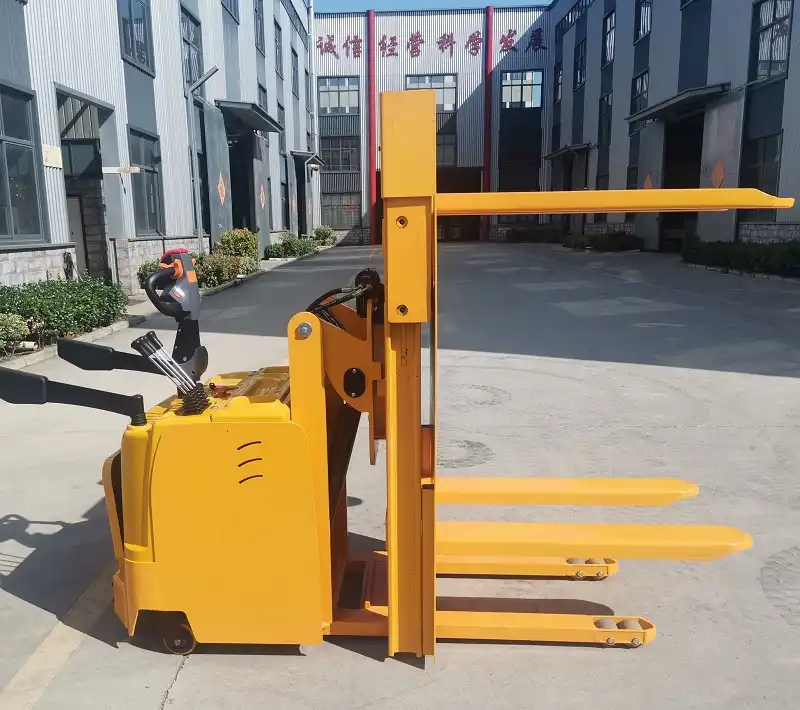
When I advise my clients, I always highlight tools that bring clear, measurable benefits. A pallet inverter is one such tool. It is not just about a new machine; it is about smarter working. It is about letting technology do the hard, risky work, so your team can focus on other important tasks. From my experience, factories that embrace such automation see immediate improvements in safety, speed, and overall output. This directly leads to more business growth.
The Benefits of Using a Pallet Inverter in Export Operations
Pallet inverters are designed to tackle the specific challenges of changing pallets, especially for heavy or unstable loads like building materials. They bring a host of benefits that directly address safety, efficiency, and compliance.
-
✅ Boosted Safety:
- Eliminates Manual Handling: Workers no longer need to manually lift, tilt, or slide heavy products. The machine does all the heavy work.
- Stable Clamping: Pallet inverters hold the load securely during the entire transfer process. This prevents products from shifting or falling.
- Reduced Injury Risk: Less manual effort means fewer back strains, crush injuries, and accidents. This creates a much safer workplace.
- Example: Imagine stacking heavy insulation boards. Manually shifting them from a factory pallet to an export-ready one is risky. A pallet inverter clamps the stack firmly and turns it, allowing a new pallet to be placed underneath without any human lifting. This removes almost all risk of injury from falling boards or strains.
-
⚡ Increased Efficiency:
- Faster Swaps: What takes minutes or even an hour for multiple workers to do manually, a pallet inverter can do in seconds.
- Continuous Flow: Pallets can be changed quickly, keeping your production line moving without bottlenecks.
- Less Labor Needed: Fewer workers are required for pallet changes. This frees up your team for other important tasks in the warehouse or factory.
- My Story: When my factory started handling larger volumes of heavy coiled products, manual pallet changes became a huge bottleneck. It would take two workers about 15 minutes to carefully transfer a single coil from one pallet to another, often with risk to their fingers. After installing a robust pallet changer, that time dropped to under a minute, done by one operator. The efficiency boost was unbelievable, allowing us to process more orders faster and ultimately grow.
-
💰 Cost Savings:
- Lower Labor Costs: With fewer workers needed, you save on wages and overtime.
- Reduced Injury Expenses: Fewer accidents mean lower medical bills, less lost work time, and potentially lower insurance premiums.
- Less Product Damage: Secure handling means fewer broken or damaged building materials, cutting down on waste and rework.
- Avoided Fines: Fast and compliant pallet changes prevent shipping delays and costly penalties from customs or clients.
-
🌍 Ensured Compliance and Customer Satisfaction:
- Meets Export Standards: Easily switch to ISPM 15 compliant wood pallets or plastic pallets as required by different countries.
- Consistent Quality: Mechanical handling ensures loads remain stable and intact, arriving in perfect condition.
- Faster Deliveries: Efficient operations mean products ship on time, leading to happier customers and repeat business.
- Reputation: A factory known for safe, fast, and compliant shipping builds a strong reputation in the global market.
By using a pallet inverter, building material factories can transform their export operations. They move from a risky, slow process to a safe, fast, and reliable system. This is a clear path to better business outcomes.
How to choose the right pallet inverter for your building material factory?
Deciding to get a pallet inverter is a great step. But then comes the next question: which one is right for your factory? With so many options available, it can feel overwhelming. Choosing the wrong machine can lead to new problems, not solutions. You need to think carefully about your specific needs.
To choose the right pallet inverter for your building material factory, you must consider the weight and type of your materials, the required pallet change volume, space availability, and specific pallet types (Euro, US, plastic). Look for a reliable supplier who offers strong construction, good safety features, easy operation, and excellent after-sales support to ensure a long-term, efficient solution.
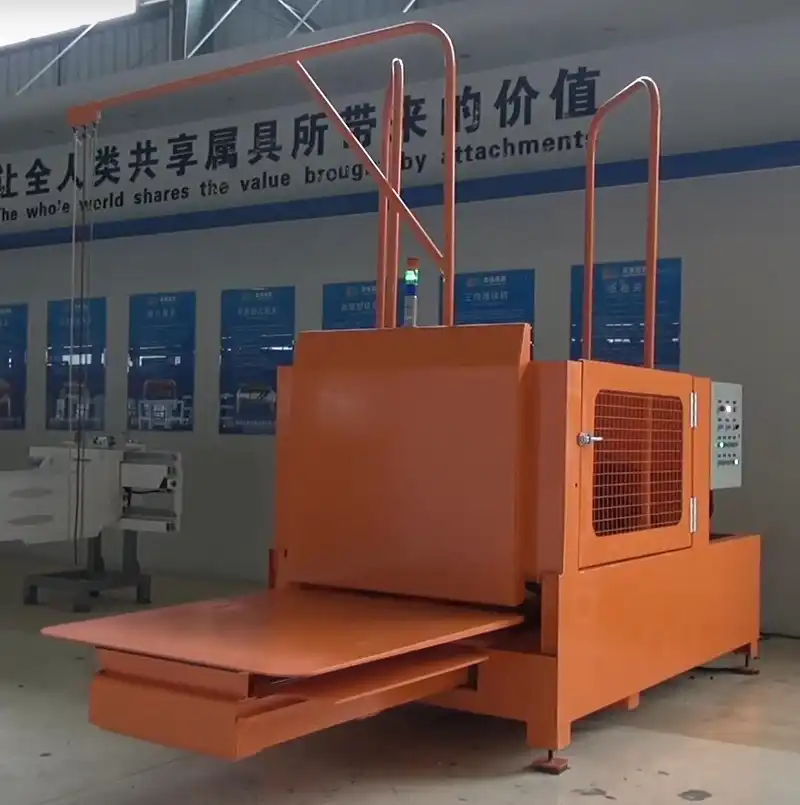
From my years in the packing machine industry, I have learned that a machine is only as good as its fit for the job. It is not just about buying equipment; it is about finding a partner who understands your challenges. I always tell my clients: do not just look at the price tag. Look at the value, the support, and the machine’s ability to truly solve your problems. This approach ensures you get a solution that helps your business grow, just as it helped mine and my clients’.
Key Considerations for Selecting a Pallet Inverter
Choosing the right pallet inverter involves looking at several practical points. These points will make sure the machine works best for your factory and specific products.
-
🧱 Type and Weight of Building Materials:
- Product Nature: Are your materials heavy, fragile, oddly shaped, or prone to shifting? Examples include bagged cement, bricks, tiles, insulation panels, or large pipes.
- Load Weight: How much does a fully loaded pallet weigh? Pallet inverters have different weight capacities. You need one that can easily handle your heaviest loads.
- My Experience: I recall a factory that made large ceramic tiles. They bought a standard pallet inverter, but the clamping pressure was not adjustable enough for their fragile, yet heavy, tiles. The tiles would crack if clamped too hard, or shift if clamped too softly. They needed a more specialized machine with precise pressure control. This shows why understanding your product’s specific needs is critical.
-
🔄 Required Pallet Change Volume and Speed:
- Daily Throughput: How many pallets do you need to change per hour or per day? This will tell you if you need a semi-automatic model or a fully automatic system.
- Integration Needs: Do you want the inverter to be a standalone unit, or do you need it to fit into an existing automated conveyor line?
- Consideration: A small factory with few exports might be fine with a simple, lower-cost model. A large factory with high export volumes will need a faster, more robust, and possibly automated system to avoid bottlenecks.
-
🏭 Factory Space and Layout:
- Floor Space: How much room do you have for the machine? Pallet inverters come in various sizes and configurations (e.g., free-standing, fixed to the floor, or mobile).
- Access: Will forklifts or pallet jacks easily access the loading and unloading areas of the inverter?
- Safety Zones: Can you set up clear safety zones around the machine to protect workers?
-
⚙️ Specific Pallet Types and Flexibility:
- Current Pallets: What kind of pallets do you use now (e.g., new wood, old wood, plastic, metal)?
- Export Pallets: What kind of pallets do your export markets require?
- Versatility: Can the inverter handle different pallet sizes and types without complex adjustments? Some inverters are designed for more flexibility than others. This is very important if you ship to many different countries.
-
🛠️ Supplier Reliability and After-Sales Support:
- Machine Quality: Look for a supplier known for building strong, durable machines that can withstand heavy industrial use.
- Safety Features: Check for important safety features like emergency stops, safety guarding, and clear operating instructions.
- Installation and Training: Does the supplier offer help with setting up the machine and training your staff on how to use it safely and effectively?
- Maintenance and Parts: Can you easily get spare parts and maintenance services? A machine sitting idle due to a lack of parts costs you money.
- Long-Term Partner: As a business owner, I always seek partners, not just sellers. Choose a company that provides strong technical support and is willing to work with you long-term, adapting to your future needs.
By carefully evaluating these points, you can make an informed decision and choose a pallet inverter that truly boosts your factory’s safety, efficiency, and compliance for export.
Conclusion
Pallet inverters are a must-have for building material factories focused on export. They solve tough problems like diverse pallet rules, worker safety risks, and slow operations. By making this change, factories can meet global standards, protect their staff, cut costs, and ensure products get to customers on time. Investing in a reliable pallet inverter means investing in a safer, more efficient, and more successful future for your business.








