
What Makes the Best Pallet Inverter? Key Features and Industrial Applications?
Are you struggling with slow, unsafe, or inefficient pallet changes in your warehouse? I understand the pressure. In my journey from a packing machine factory employee to establishing FHOPEPACK, I saw firsthand how quickly small bottlenecks can escalate into major operational headaches. Think about Carlos, a logistics manager in Spain, who juggles thousands of pallet movements daily. He faces constant demands to switch between Euro pallets and US pallets, deal with labor shortages, and mitigate significant safety risks. If this sounds familiar, you know a simple machine is not enough. You need a solution.
The best pallet inverter is not just a piece of equipment; it is a strategic asset. It combines robust engineering, advanced safety features, and high adaptability to meet diverse industrial demands. Its key features include versatile pallet handling, high levels of automation, stringent safety protocols, and exceptional durability, making it essential for optimizing warehouse logistics and ensuring smooth supply chain operations.

So, how do you find the right machine that can transform your operations, reduce costs, and keep your team safe? Let’s dive deeper into the core features that define a truly superior pallet inverter, helping you master your packing machine needs.
What Pallet Adaptability Features Define a Top-Tier Inverter?
Are your operations constantly hampered by the need to switch between different pallet types? This is a common problem, especially for businesses involved in international trade, like many of FHOPEPACK’s clients. I have seen how this challenge affects efficiency and compliance. Trying to handle varying pallet sizes manually can be a logistical nightmare. It slows down your entire process.
A top-tier pallet inverter offers exceptional adaptability to various pallet types and sizes, including Euro pallets, US pallets, and plastic pallets. This versatility ensures seamless transitions between different load formats without significant manual intervention or downtime. The machine should easily adjust to diverse specifications, maintaining high throughput and operational flexibility.
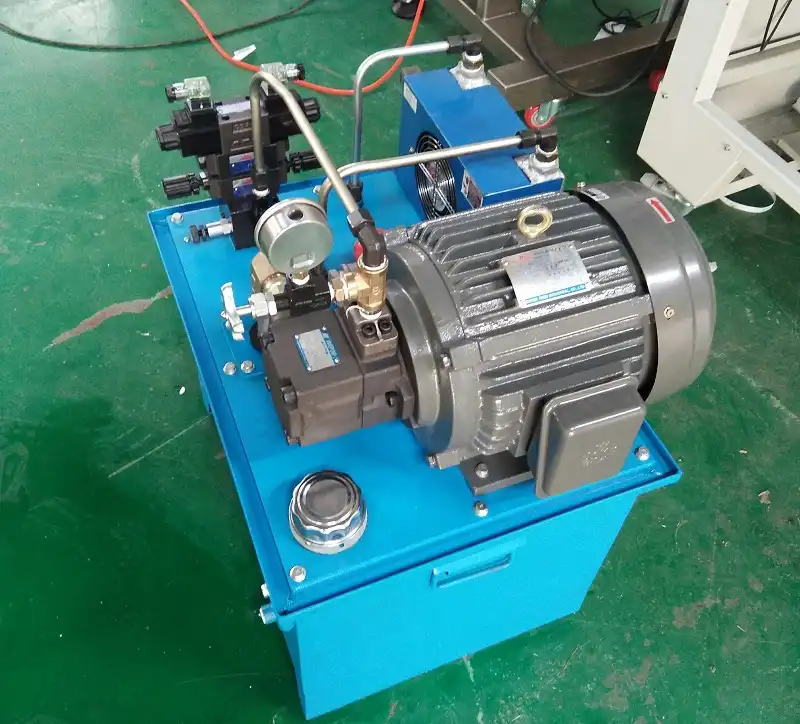
When I first started in the packing machine industry, I quickly learned that one size rarely fits all. Businesses like Carlos’s food and beverage group need to switch pallets for both inbound and outbound shipments. Different countries have different standards. An effective pallet inverter must handle this with ease. It needs to be a flexible workhorse. This means the machine can change its settings quickly. It can accommodate different heights, widths, and weights. It must do this without needing complex adjustments every time. This adaptability is critical. It supports smooth operations across diverse supply chains. Without it, you face constant delays and extra work.
Maximizing Efficiency with Multi-Pallet Capability
To truly understand adaptability, consider how a pallet inverter handles different materials and sizes. My experience has shown me that companies often use wooden pallets, plastic pallets, and even specialized hygiene pallets. Each type presents unique handling requirements. A superior pallet inverter accounts for these differences. It has adjustable clamping mechanisms. It also uses sensor systems to detect pallet dimensions automatically. This allows for quick changeovers. Think about a busy distribution center. It might receive goods on standard Euro pallets. Then it repackages them for export on US pallets. A truly adaptable inverter makes this process effortless. It prevents the need for manual sorting or re-stacking. This saves significant time and labor. It also reduces the risk of human error. The machine should also manage varying load weights. Some loads are light. Others are very heavy. The inverter needs to handle both safely and efficiently. This flexibility extends the machine’s utility across various product lines. It also serves different stages of the supply chain. For example, some units specialize in pharmaceutical applications. They need sterile plastic pallets. Other units work with robust timber pallets for heavy industrial goods. The best machines can handle this full spectrum. They simplify complex logistics. They also reduce the footprint of specialized equipment. (multi-pallet handling, adjustable clamping, load weight management)
How Does Pallet Inverter Automation Drive Real-World Savings?
Are rising labor costs and a shortage of skilled workers impacting your warehouse budget? This is a challenge I hear about from many clients. In today’s economy, manual handling is becoming less viable. It is expensive and often inefficient. I have always believed that smart automation is the answer. It can turn these challenges into opportunities for growth and profit.
Pallet inverter automation significantly reduces reliance on manual labor, leading to substantial cost savings and improved operational speed. Automated systems minimize human interaction, reducing labor expenses and the risk of injuries. They also increase throughput and consistency, ensuring faster pallet changes and a more streamlined workflow across the entire warehouse operation.
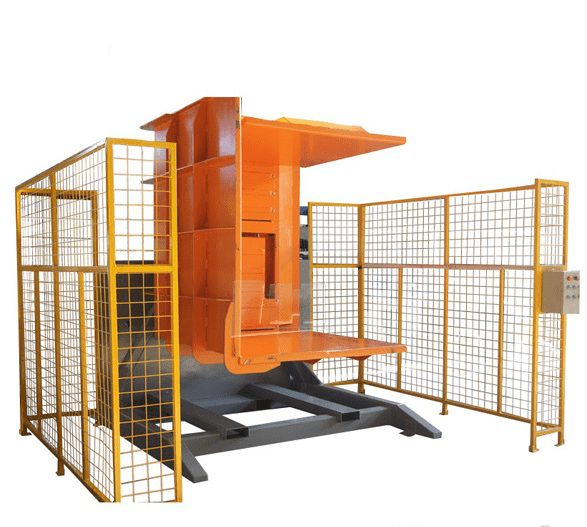
When I started FHOPEPACK, I focused on creating solutions that help businesses thrive. I realized that automation is key to this. For Carlos, managing thousands of pallet movements, manual processes are simply unsustainable. They create delays. They also drain resources. An automated pallet inverter handles repetitive tasks quickly. It does this without breaks. It also works without errors. This frees up your human workforce. They can then focus on more complex, value-added activities. This shift improves overall productivity. It also makes your operations more cost-effective.
Calculating the ROI of Automated Pallet Changing
The financial benefits of automation go far beyond just cutting labor costs. Think about the overall operational efficiency. An automated pallet inverter operates consistently. It performs tasks with precision every time. This reduces errors and product damage. Such damage can be very costly. It leads to rework and waste. Furthermore, faster pallet changes mean quicker truck turnaround times. This improves efficiency in your loading docks. It also reduces potential demurrage charges. For example, a semi-automatic system may cut pallet change time from 10 minutes to just 2 minutes. A fully automated system can do it even faster. This multiplies savings across hundreds or thousands of daily cycles.
Consider the energy efficiency of modern automated systems. They are designed to consume less power than older, less optimized equipment. This further reduces operating expenses. My goal with FHOPEPACK has always been to deliver tangible value. We want to show clients how these machines pay for themselves. They do this through direct savings and indirect benefits. These include improved safety records and higher customer satisfaction. For instance, less manual handling means fewer workplace accidents. This directly lowers insurance premiums and compensation costs. All these factors contribute to a strong return on investment. They make automated pallet inverters a wise financial decision for any logistics operation. (automated pallet handling ROI, reduced labor costs, operational efficiency, energy consumption, workplace safety benefits)
Why Are Robust Safety Systems Non-Negotiable in Modern Warehouses?
Have you experienced accidents or near-misses during pallet handling? The safety of your team and your products is paramount. I have always prioritized safety in my machine designs. I know that even a small incident can have huge consequences. This includes injuries, damaged goods, and costly downtime. For managers like Carlos, who oversee high-volume warehouses, safety is not just a regulatory requirement; it is a moral and operational necessity.
Robust safety systems are non-negotiable in modern warehouses because they protect personnel from injury, prevent product damage, and ensure continuous operation. Key safety features include emergency stops, interlocked guarding, overload protection, and clear warning systems. These measures minimize risks associated with heavy load movement and mechanical operations, creating a secure working environment.
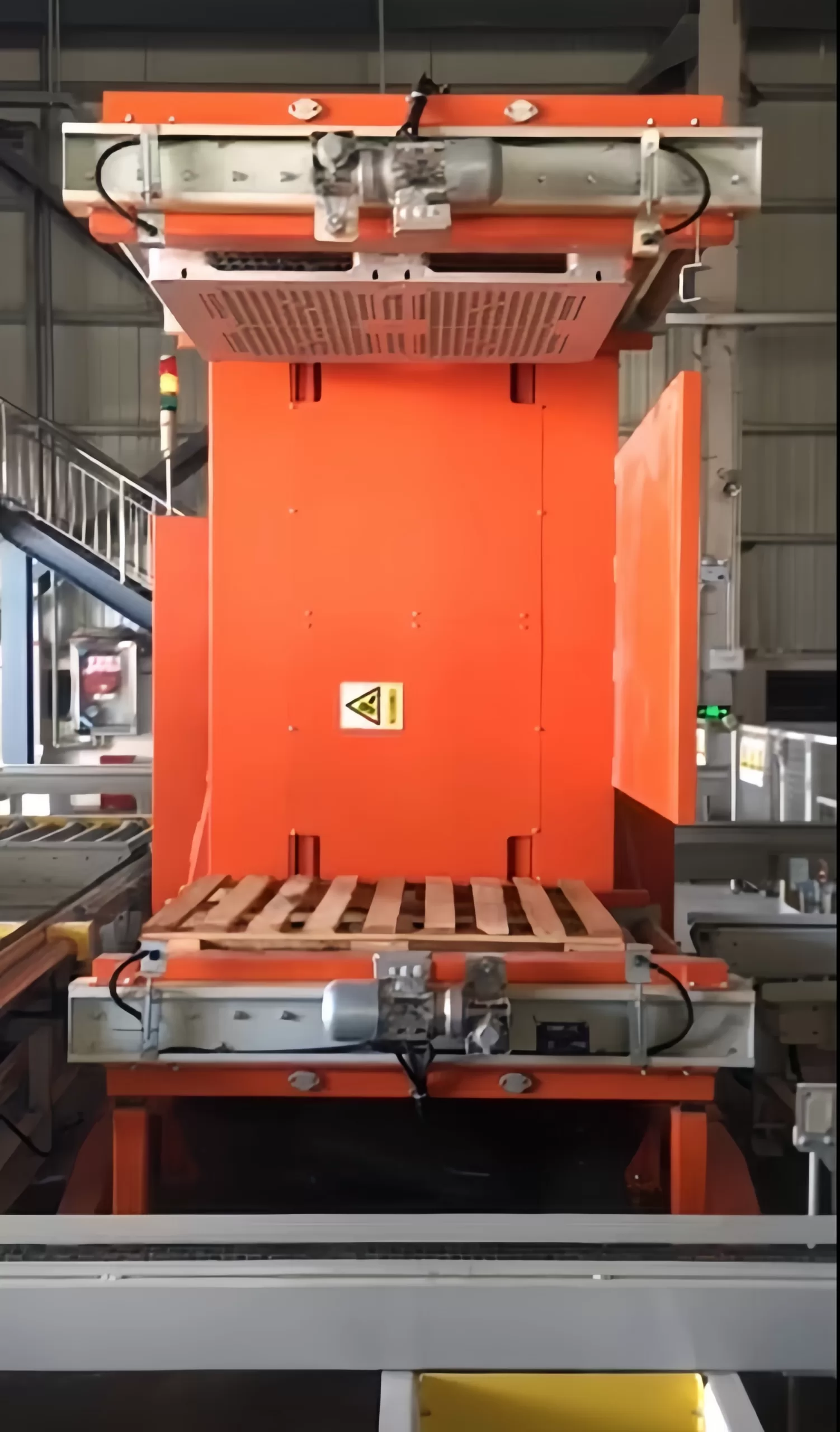
When I designed FHOPEPACK machines, safety was a core principle. I learned that reliable equipment must also be safe. Carlos knows that manual pallet changing carries high risks. Workers can get hurt. Products can fall. These incidents disrupt the entire supply chain. A well-designed pallet inverter eliminates most of these dangers. It handles heavy loads mechanically. It keeps workers out of harm’s way. This means fewer injuries. It also means less liability for the company. Investing in safe machinery is investing in your people. It also protects your bottom line.
Essential Safety Features for Pallet Inverters
A truly safe pallet inverter integrates multiple layers of protection. First, it should have easily accessible emergency stop buttons. These buttons must be prominently placed on the machine. They should also be on remote control panels. This allows immediate shutdown in an emergency. Second, robust physical guarding is crucial. These barriers prevent operators from entering dangerous zones during operation. They are often interlocked. This means the machine cannot run if the guards are open. Third, overload protection mechanisms are vital. These systems detect if a load exceeds the machine’s capacity. They prevent operation. This stops damage to the machine. It also protects the load and nearby personnel.
Another critical feature is clear visual and auditory warning systems. Flashing lights and alarms indicate when the machine is active. They warn about approaching moving parts. Additionally, anti-slip surfaces and stable bases ensure the machine remains secure. This is important even during heavy-duty operations. For high-throughput environments, sensors and light curtains can detect human presence. They automatically pause operations. This adds an extra layer of protection. All these features work together. They create a safe operating environment. They also reduce the chance of accidents. This leads to peace of mind for managers like Carlos. (pallet inverter safety features, emergency stop systems, interlocked guards, overload protection, warning signals, anti-slip design, sensor technology)
What Makes a Pallet Inverter Truly Reliable and Durable for Industrial Use?
Do you constantly worry about machine breakdowns, costly repairs, and unexpected downtime? In my career, I have seen too many companies lose money because of unreliable equipment. When I built FHOPEPACK, my mission was to deliver machines that could withstand the toughest industrial conditions. Reliability is not a luxury; it is a necessity for continuous operation, especially in high-intensity environments like Carlos’s warehouse.
A truly reliable and durable pallet inverter is built with high-quality, heavy-duty components designed for continuous industrial operation. It features robust steel construction, minimal wear parts, and advanced engineering to resist harsh environments and heavy loads. This ensures consistent performance, extended operational life, and reduced maintenance needs, leading to dependable uptime and lower overall ownership costs.
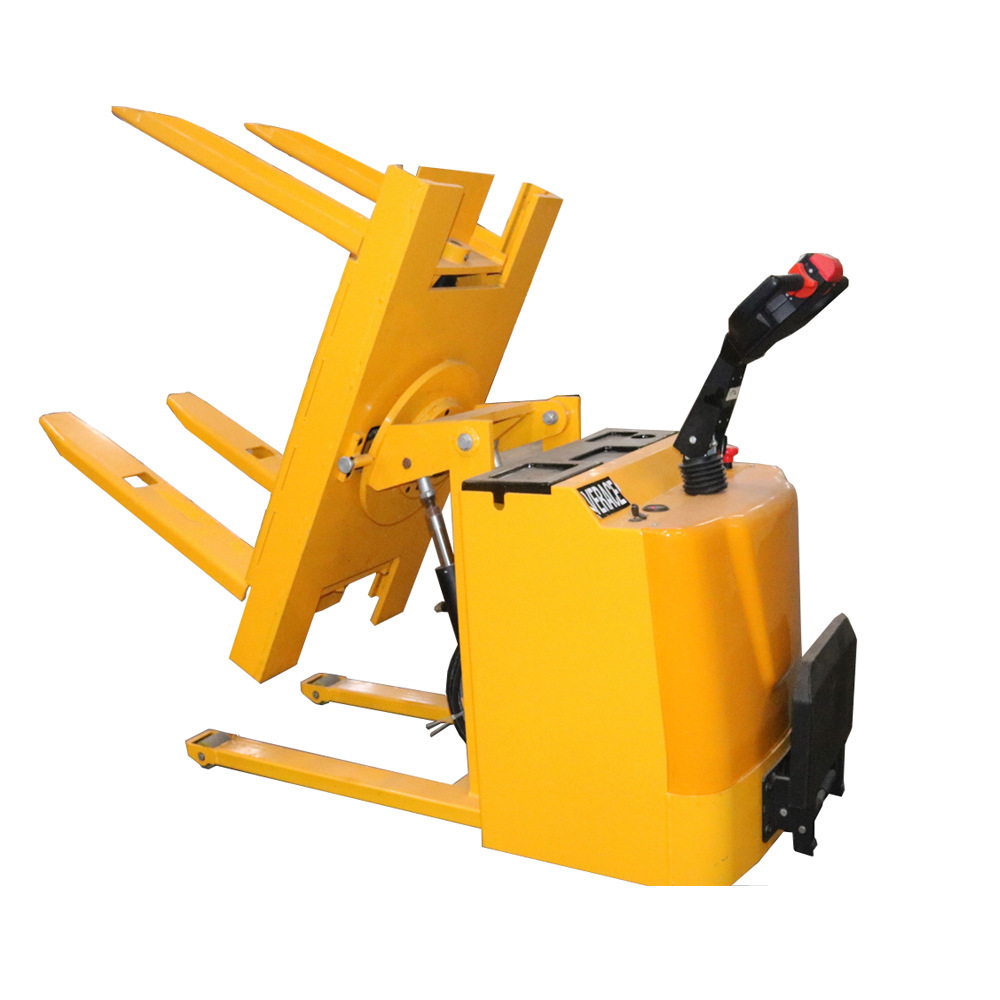
When Carlos looks for a pallet changer, he needs a partner, not just a seller. He needs equipment that works day in and day out. He cannot afford delays. This is where my experience shines. I know that the best machines are made to last. They use strong materials. They also have simple, robust designs. This minimizes potential points of failure. Investing in a durable pallet inverter means fewer breakdowns. It means less time spent on repairs. It also means a stable and predictable operation for your warehouse. This allows you to focus on your core business. You do not have to worry about your machinery.
Building for Longevity: Key Durability Factors
Durability in a pallet inverter starts with its fundamental construction. High-grade steel frames are essential. They provide the necessary strength to handle heavy loads and absorb operational stresses. Furthermore, the design should minimize moving parts. Fewer moving parts mean less friction and less wear. This directly translates to a longer lifespan. Bearings, hydraulic cylinders, and motors must be industrial-grade. They need to be able to endure constant use. Consider the type of finish and protective coatings used. These prevent rust and corrosion. This is especially important in environments with high humidity or harsh chemicals, such as food processing plants.
Ease of maintenance also contributes to longevity. Machines that are easy to service tend to be better maintained. This extends their operational life. Access points for lubrication and component checks should be straightforward. Another crucial factor is the quality of the electrical and control systems. They should be robust and well-protected. This prevents damage from dust, moisture, or power fluctuations. FHOPEPACK designs our machines with these principles in mind. We want to ensure they provide years of trouble-free service. This reduces the total cost of ownership over time. It gives you confidence in your investment. This is what makes a pallet inverter truly valuable for industrial use. (industrial-grade construction, heavy-duty components, robust design, rust prevention, ease of maintenance, control system protection, total cost of ownership)
How Can Pallet Inverters Transform Your Logistics and Supply Chain?
Are you struggling to meet demanding delivery schedules and maintain high customer satisfaction? The speed and efficiency of your logistics directly impact your reputation. From my perspective, having worked in this industry for years, I know that smart equipment choices can be a game-changer. Pallet inverters are not just for moving pallets; they are tools for strategic transformation. They can redefine how your goods flow.
Pallet inverters transform logistics and the supply chain by significantly improving throughput, reducing lead times, and ensuring compliance with varied pallet standards. They enable faster, safer, and more accurate material handling. This streamlines the movement of goods from manufacturing to delivery. They boost overall operational agility and customer satisfaction. This helps to eliminate bottlenecks.
I often think about Carlos and his challenges. His group needs to ensure goods move efficiently. This applies from the moment they enter the warehouse until they leave. Delays due to pallet issues can mean lost contracts and unhappy clients. A high-quality pallet inverter directly addresses these pain points. It speeds up the exchange process. It also reduces errors. This ensures products arrive on the correct pallets, on time. It is a critical link in a seamless supply chain. It acts as a bridge between different standards. This machine helps businesses adapt and grow.
Strategic Impact of Pallet Inverters on Supply Chain Performance
The impact of pallet inverters extends across the entire supply chain. Consider the initial receiving process. Goods arrive on various pallets. Some might be damaged. Others may not meet internal hygiene standards. A pallet inverter quickly transfers the load to a clean, standard internal pallet. This speeds up internal processing. It also maintains product integrity. For outbound logistics, the benefits are equally significant. Different customers or countries require specific pallet types. The inverter ensures these changes happen without manual effort. This prevents shipping delays and costly penalties.
Furthermore, pallet inverters support inventory management. They allow for the segregation of goods based on pallet type. This makes storage more organized. It also makes retrieval more efficient. They are especially valuable in the food and pharmaceutical industries. Here, strict hygiene rules apply. Pallet inverters help isolate contaminated or wooden pallets from clean room environments. My goal with FHOPEPACK has always been to help companies optimize their operations. I aim to turn operational challenges into strategic advantages. Pallet inverters are a prime example of equipment that does exactly that. They elevate overall supply chain performance. They ensure your business can meet the fast-paced demands of today’s market. (supply chain optimization, logistics transformation, inbound/outbound efficiency, inventory management, hygiene standards, lead time reduction, customer satisfaction)
Conclusion
The best pallet inverter is more than a machine; it is a vital solution for modern logistics challenges. It excels in adaptability, automation, safety, and durability, transforming warehouse operations. Choosing the right pallet inverter improves efficiency, reduces costs, and enhances safety, ensuring your business masters its packing machine needs.








