
What Makes Steel Coil Packing Lines Vital for Luxembourg’s Export Growth?
Luxembourg is a small nation, but it plays a big role in the global steel industry. Its steel products go to many countries. However, getting these products to customers involves more than just making good steel. It means making sure the products arrive in perfect condition. If steel coils get damaged during shipping, it can cost a lot. It can also hurt a company’s reputation. Many steel producers worry about keeping their quality high from the factory floor to the final delivery.
Steel coil packing lines are crucial for Luxembourg’s export growth because they ensure product quality, boost operational efficiency, and meet international trade standards. These systems protect valuable steel coils from damage, reduce labor costs, and allow producers to ship products faster and more reliably. My experience in this field shows that effective packing is not just an expense; it is a strategic investment that directly supports a nation’s export capabilities.
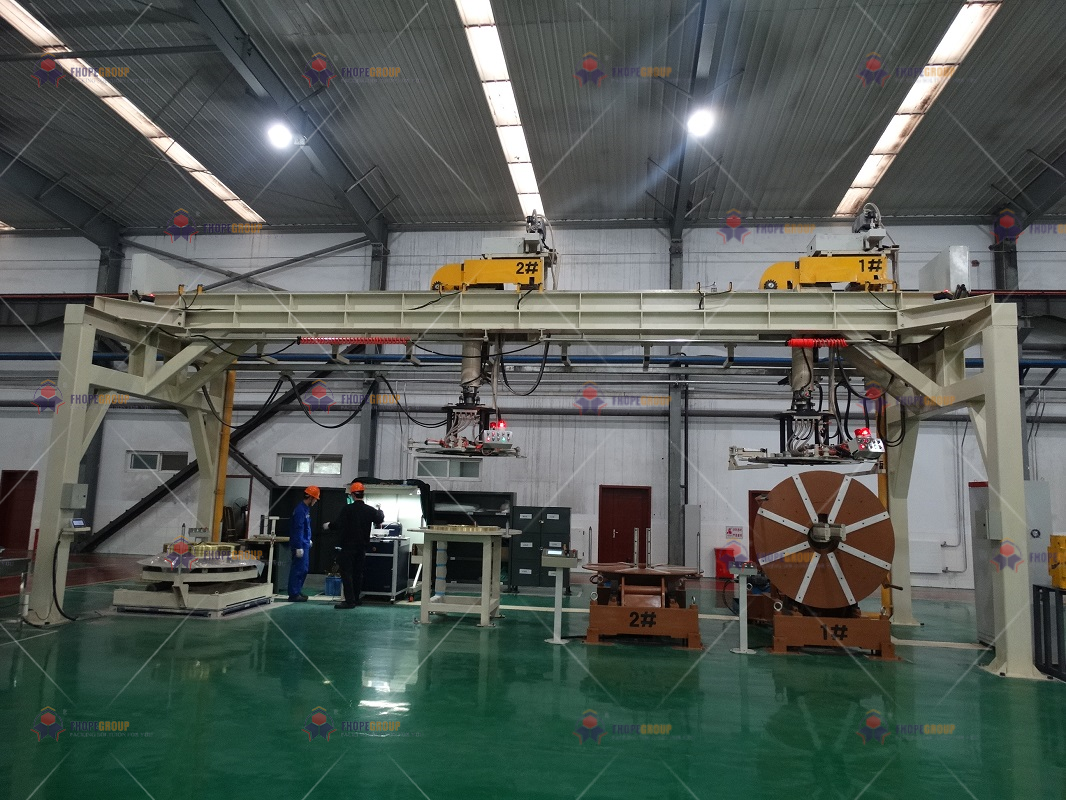
I have seen firsthand how proper packing can change a business. It can turn shipping worries into strong customer trust. For Luxembourg, with its focus on high-value exports, this is even more true. Let us look deeper into why these packing lines are so important for its future success in the global market.
Why is Flawless Packing Quality Critical for Luxembourg’s Steel Exports?
Imagine a customer in another country receiving a steel coil that is rusted or scratched. What does that mean for the supplier? It means disappointment, complaints, and possible financial losses. Luxembourgish steel companies invest a lot in making high-quality steel. So, why would they risk that quality in the last step of the process? The truth is, many companies struggle with inconsistent packing quality. They need solutions that guarantee their products arrive as perfect as when they left the factory.
Flawless packing quality is critical for Luxembourg’s steel exports because it directly protects product integrity, maintains brand reputation, and ensures compliance with strict international trade standards. High-quality packaging prevents damage from moisture, rust, and physical impact during transit. This leads to higher customer satisfaction, fewer returns, and a stronger position in competitive global markets. From my perspective, the quality of the packaging is as important as the quality of the steel itself.
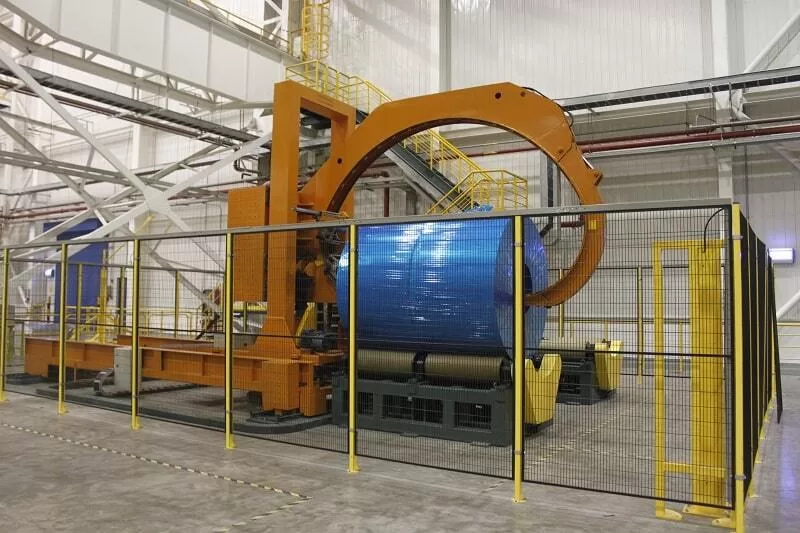
My journey in the packing machine industry started on the factory floor. I saw how a small issue in packing could lead to big problems down the line. For a country like Luxembourg, which prides itself on quality, this is vital. Exporting steel means meeting global expectations. These expectations include perfect product condition upon arrival. This is where modern packing lines truly shine. They offer consistent, high-standard protection that manual methods simply cannot match.
Here are the main reasons why flawless packing quality is so important for Luxembourg’s steel exports:
-
Protecting Product Value and Preventing Damage:
- Steel coils are heavy and valuable. They face many risks during transport. These risks include rust from humidity, scratches from friction, and dents from impacts. Without strong, consistent packaging, these issues can happen easily. A well-packed coil has a protective layer. This layer shields the steel from external elements.
- Think about a cold-rolled steel coil. Its surface must stay smooth and clean. If it gets a scratch, its value drops. An automatic packing line applies materials like stretch film or steel strapping with exact tension. This creates a secure barrier. It keeps the coil safe from moisture and physical harm. This level of protection helps Luxembourgish steel retain its high market value. It avoids costly claims or rework.
-
Maintaining Brand Reputation and Customer Trust:
- A company’s reputation is built on reliability. When customers receive perfectly packed products, they trust the supplier. If products arrive damaged, it hurts that trust. For Luxembourg, its steel brand is known for excellence. Consistent, high-quality packaging reinforces this image.
- I once worked with a client who had issues with coils arriving loose. Their customers started looking elsewhere. We helped them install a robust strapping and wrapping system. Soon, their customer complaints dropped. Their reputation improved. This shows that packing is part of the product. It tells customers how much you care about quality. For Luxembourg’s exporters, this means keeping their strong global standing.
-
Ensuring Compliance with International Standards and Regulations:
- Exporting steel means following specific rules. Different countries have different packaging standards. These often include strict requirements for moisture protection, material type, and labeling. For example, some markets require CE or ISO certified packaging. They might also need specific barcodes for tracking.
- Automated packing lines can integrate these features seamlessly. They can apply the correct film, strap, and labels every time. This consistency ensures full compliance. It helps Luxembourgish companies avoid customs delays or rejection at ports. My experience shows that businesses that invest in compliant packing save time and money. They also build smoother trade relationships around the world.
How Do Automated Packing Lines Solve Labor Shortages and Improve Safety in Luxembourg?
Luxembourg, like many developed nations, faces a challenge: finding enough skilled workers for heavy industrial tasks. The steel industry involves demanding work, especially in packaging. Manual strapping and wrapping of heavy steel coils are labor-intensive and tiring. This makes it hard to keep young workers interested. Also, handling large, heavy coils by hand carries serious safety risks. Workers can get injured from lifting, pushing, or operating tools in tight spaces. How can Luxembourgish steel mills overcome these issues and protect their workforce?
Automated coil packing lines solve labor shortages and improve safety in Luxembourg by significantly reducing the need for manual intervention in heavy and repetitive tasks. These systems take over dangerous jobs like lifting, turning, and strapping heavy coils, leading to fewer workplace accidents and lower injury rates. They also allow existing staff to focus on more skilled roles, boosting overall productivity and making the work environment more attractive. From my journey, I have seen how automation transforms a tough job into a safer, more efficient process.
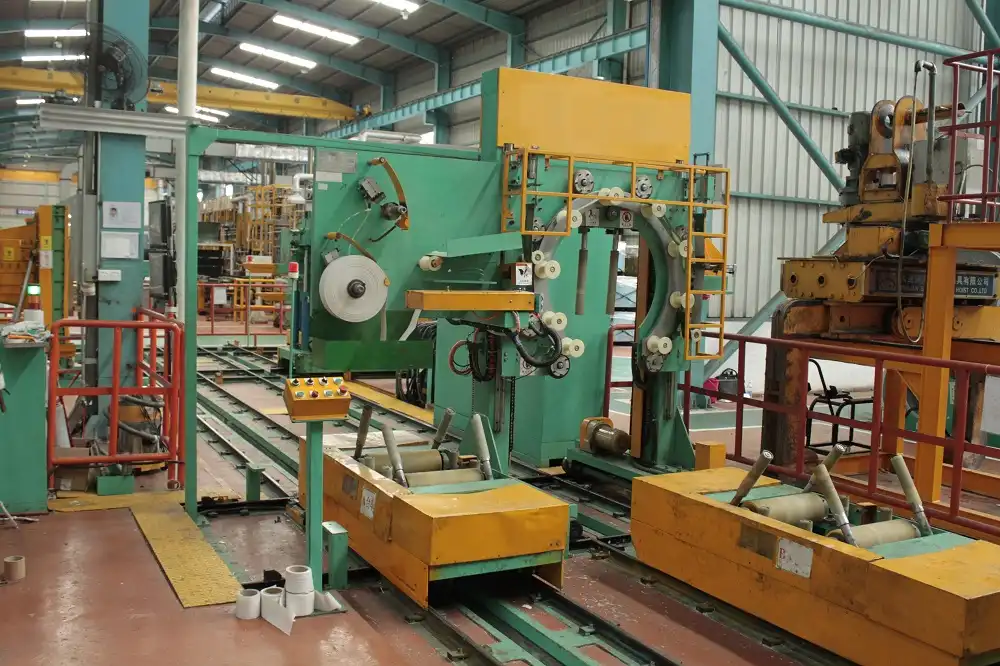
I have helped many clients who struggled with these exact problems. One plant was losing workers because the packing job was too physically demanding. They also had high injury rates from manual strapping. We worked with them to install a fully automated system. The change was immediate. The remaining workers were happier and safer. The plant also saved money on injury claims and recruitment. For Luxembourg, with its focus on employee well-being and high labor costs, this dual benefit is extremely valuable.
Here are the key ways automated packing lines help with labor and safety:
-
Reducing Reliance on Manual Labor for Repetitive Tasks:
- Manually packing hundreds of tons of steel coils daily is exhausting. Workers need to bend, stretch, and use heavy tools. These tasks are repetitive and can cause long-term health problems. This makes it difficult to retain a stable workforce. Automated lines handle the entire process. They can turn, wrap, strap, and label coils without human help.
- This means fewer workers are needed for the packing line itself. The existing staff can move to roles that require more thought or oversight. For Luxembourg, where labor costs are high, this directly impacts the bottom line. It also creates a more sustainable workforce model. Workers are less likely to burn out or leave the industry.
-
Enhancing Workplace Safety and Reducing Accident Risks:
- The most important benefit is improved safety. Handling multi-ton steel coils is inherently dangerous. Manual lifting, positioning, or even applying straps can lead to severe accidents. Workers can suffer crushing injuries, cuts, or strain from heavy lifting. An automated system removes humans from these danger zones.
- Machines perform the heavy lifting, precise movements, and secure strapping. This greatly reduces the risk of human error or fatigue-related accidents. My past clients have seen their safety records improve dramatically after installing such lines. This protects employees. It also lowers insurance costs and avoids costly production stoppages due to accidents. It makes the workplace much more secure.
-
Optimizing Labor Allocation and Skill Development:
- When machines handle the heavy work, human operators can focus on supervision, maintenance, and quality control. This shifts the job from physical labor to more skilled technical roles. Workers learn to operate and monitor complex equipment. This builds their skills.
- For Luxembourg, this means creating a more highly skilled industrial workforce. It makes jobs in steel mills more attractive and forward-looking. This helps steel companies adapt to new technologies. It also allows them to use their human capital more effectively. It is a win-win for both employers and employees.
Can Modern Packing Solutions Adapt to Luxembourg’s Diverse Steel Product Range?
Luxembourgish steel producers often make many different types of steel coils. These can include cold-rolled coils, galvanized coils, and color-coated coils. Each type has specific packing needs. Some need extra protection against moisture. Others require special surface care to prevent scratches. Manually switching between these different packing methods is slow and prone to errors. It makes production inefficient. The question is: Can a single packing solution handle all these variations without constant, time-consuming changes?
Modern coil packing solutions can effectively adapt to Luxembourg’s diverse steel product range by offering high flexibility and customizable programming. These advanced lines can automatically adjust settings for different coil diameters, weights, and packing material requirements. They can switch between PET strapping, steel strapping, and various types of stretch or shrink films. This adaptability ensures that each unique product receives the correct level of protection without significant downtime, making them a perfect fit for a varied production environment. In my factory, we design systems specifically for this kind of versatility.

I have often heard from clients, like Ivan Petrov, that product diversity is a big challenge. They produce multiple product lines and each needs specific handling. Manual changes meant slowing down the whole process. When I started FHOPEPACK, my goal was to offer “best customized packing solutions.” This meant designing systems that could handle complexity. For Luxembourgish steel mills, this flexibility is not a luxury; it is a necessity for efficient, multi-product production.
Here is how modern packing solutions adapt to diverse steel products:
-
Automated Adjustments for Varying Coil Dimensions:
- Steel coils come in many sizes. They have different inner diameters, outer diameters, and widths. A traditional packing line might need manual adjustments for each new size. This takes time and can lead to mistakes. Modern automatic lines use sensors and programmed controls. They can detect the coil’s size. Then, they adjust the strapping or wrapping mechanism automatically.
- This means the line can process a 1-ton coil right after a 3-ton coil. It can also handle various inner and outer diameters. This flexibility ensures smooth production flow. It minimizes pauses between different product batches. For Luxembourg’s diverse steel output, this adaptability is crucial for maintaining high throughput.
-
Multi-Material Packing Options for Different Protection Needs:
- Different steel types need different protection. Galvanized steel needs strong moisture barriers. Color-coated steel needs extra scratch protection. Standard cold-rolled coils might just need secure strapping. Automated systems can integrate multiple packing methods. They can switch between them based on the product.
- For example, a line can apply PET strapping for general security. Then, for export, it can add multiple layers of stretch film for moisture and rust protection. It can also use special protective materials for delicate surfaces. My company, FHOPEPACK, designs these integrated solutions. We ensure they meet the specific needs of each coil type. This multi-material capability gives Luxembourgish producers confidence that every coil is packed correctly.
-
Integrated Labeling and Marking for Product Identification:
- With diverse products, clear identification is vital. Each coil needs labels. These labels show its type, weight, destination, and any certifications (like CE/ISO). Manually applying labels can be slow and error-prone. It is also hard to ensure consistency.
- Modern packing lines include automatic labeling and marking units. These units can print and apply labels specific to each coil. They can also integrate with a factory’s IT system. This ensures the right label goes on the right coil every time. This precision is key for managing a diverse product range. It streamlines logistics. It also helps meet strict export requirements for traceability.
How Do Automated Packing Lines Reduce Costs and Boost Profitability for Luxembourgish Steel Mills?
Every steel mill aims to be profitable. But profits can disappear quickly if operations are not efficient. Manual packing can lead to high labor costs. It can also result in wasted packing materials. If coils get damaged, there are costs for repairs or replacements. And if packing is slow, it bottlenecks the whole production line. This affects delivery times and customer satisfaction. How can Luxembourgish producers cut these hidden costs and ensure a healthier bottom line?
Automated coil packing lines significantly reduce costs and boost profitability for Luxembourgish steel mills by minimizing labor expenses, optimizing material usage, and preventing product damage. These systems ensure continuous, high-speed operation, which reduces production bottlenecks and speeds up delivery times. By increasing efficiency and cutting waste, automated packing lines provide a strong return on investment. In my experience building FHOPEPACK, I saw how these improvements directly translate into higher profits for our clients.

When I started my own packing machine factory, I focused on creating solutions that delivered clear financial benefits. I knew that businesses needed to see a return on their investment. For Luxembourgish steel mills, who operate in a global market, cost efficiency is non-negotiable. Automated packing is not just about technology; it is about smarter business. It is about removing inefficiencies that drain profits.
Here is how automated packing lines help reduce costs and boost profitability:
-
Lowering Labor Costs and Maximizing Throughput:
- Manual packing requires many workers. These workers earn wages, benefits, and overtime. An automated system needs far fewer operators. This drastically cuts labor costs. It also means the packing process runs faster and more consistently. There are no breaks for fatigue or shift changes.
- This continuous operation increases the number of coils packed per hour. It means the factory can produce more and ship more. For Luxembourgish mills, this higher throughput directly translates into increased sales volume and better utilization of their expensive production equipment. It is a powerful way to make more money with fewer people.
-
Optimizing Packing Material Usage and Reducing Waste:
- Manual packing often wastes materials. Workers might use too much film, or apply straps unevenly. This leads to inefficient use of expensive packing materials. Automated systems are precise. They apply the exact amount of film or strapping needed for each coil. They do this with consistent tension and overlap.
- This precision significantly reduces material consumption. It lowers the cost of consumables over time. My clients have reported considerable savings on stretch film, steel strapping, and other materials. This directly improves the profit margin on each exported coil. It also makes the operation more environmentally friendly.
-
Minimizing Product Damage and Avoiding Costly Returns:
- Damaged products are a major source of financial loss. They lead to reworks, returns, customer complaints, and even contract penalties. As I mentioned earlier, manual packing often results in inconsistent quality. This makes coils vulnerable to damage during transport.
- Automated lines ensure uniform and robust packaging quality every time. This greatly reduces the risk of damage from rust, scratches, or loosening. Fewer damaged products mean fewer financial losses. It also means happier customers. This saves money on handling complaints and processing returns. It strengthens client relationships, which leads to repeat business.
Conclusion
For Luxembourg’s steel industry, investing in advanced coil packing lines is not just an upgrade; it is a strategic necessity. These systems secure product quality, enhance operational safety, and adapt to diverse product ranges. They also significantly cut costs and boost profitability. By embracing full automation, Luxembourgish producers can ensure their high-quality steel continues to thrive in global markets. My experience shows that a robust coil packing line is the backbone of successful international trade.








