
What Makes an Automatic Steel Coil Packing Machine Essential for Japan’s Manufacturing Sector?
Have you ever watched a manufacturing plant in action? It is a complex ballet of processes, each step crucial to the final product. But what happens when one of those steps, like packing steel coils, becomes a bottleneck? The whole operation can grind to a halt. In Japan’s demanding manufacturing sector, where precision and efficiency are king, this kind of slowdown is simply unacceptable. It costs money, time, and reputation.
Automatic steel coil packing machines are essential for Japan’s manufacturing sector because they directly address critical needs for high efficiency, worker safety, product quality, and cost control. These machines automate strenuous manual tasks, significantly boosting throughput and protecting workers from injury. They also ensure consistent, damage-free packaging, which is vital for maintaining Japan’s stringent quality standards and competitive edge in global markets.
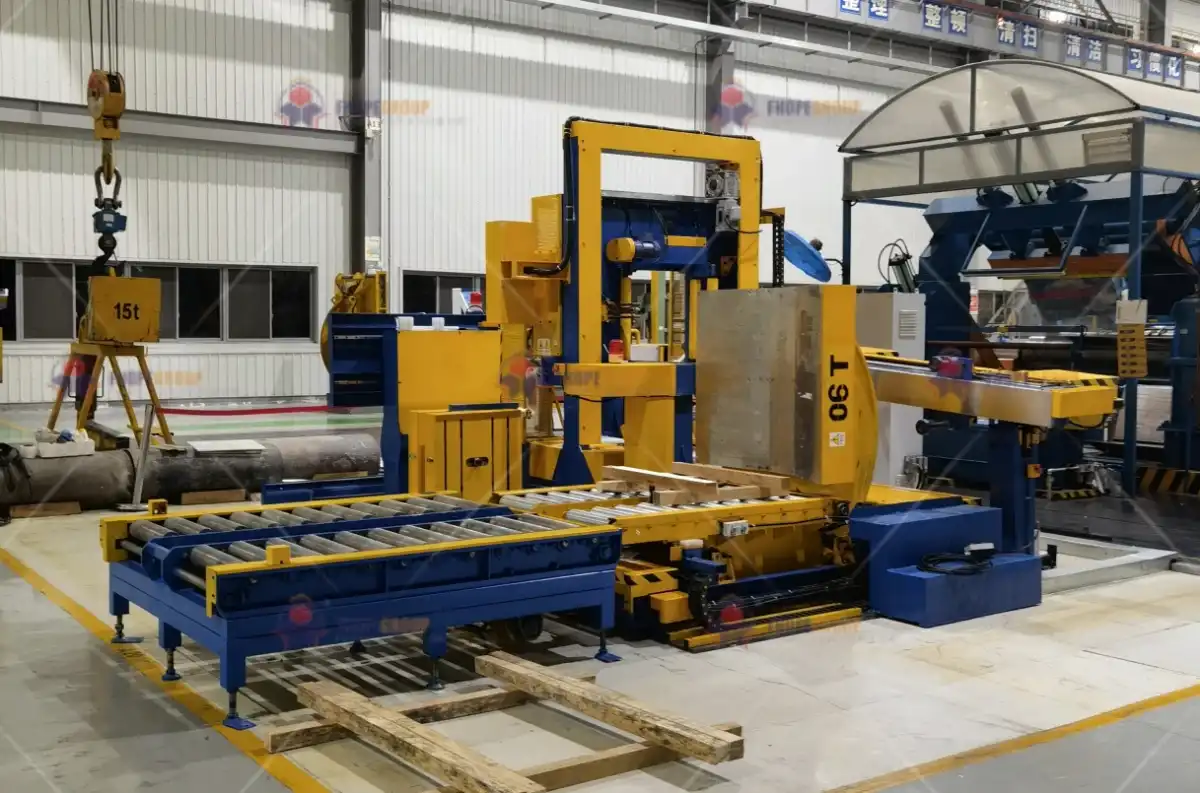
As someone who has built a packing machine factory from the ground up, I understand these pressures deeply. I have seen the challenges firsthand. If your plant is struggling with slow packing lines, safety concerns, or damaged goods, you know the frustration. Let us explore why these machines are not just an upgrade but a necessity for Japan’s forward-thinking manufacturers.
1. Why Is Manual Steel Coil Packing No Longer Sustainable in Japan’s Evolving Industries?
Are you still relying on manual labor to pack your heavy steel coils? You might think it saves money upfront, but what is the real cost in the long run? Manual processes often hide inefficiencies and risks that can undermine your entire operation. In Japan’s advanced industrial landscape, these hidden costs are becoming too high to ignore.
Manual steel coil packing is no longer sustainable in Japan’s evolving industries because it introduces severe efficiency bottlenecks, poses significant safety risks to workers, and is highly prone to product damage. As labor costs rise and safety regulations tighten in Japan, the economic and human costs of manual handling far outweigh any perceived savings, pushing manufacturers towards automation for competitive survival.
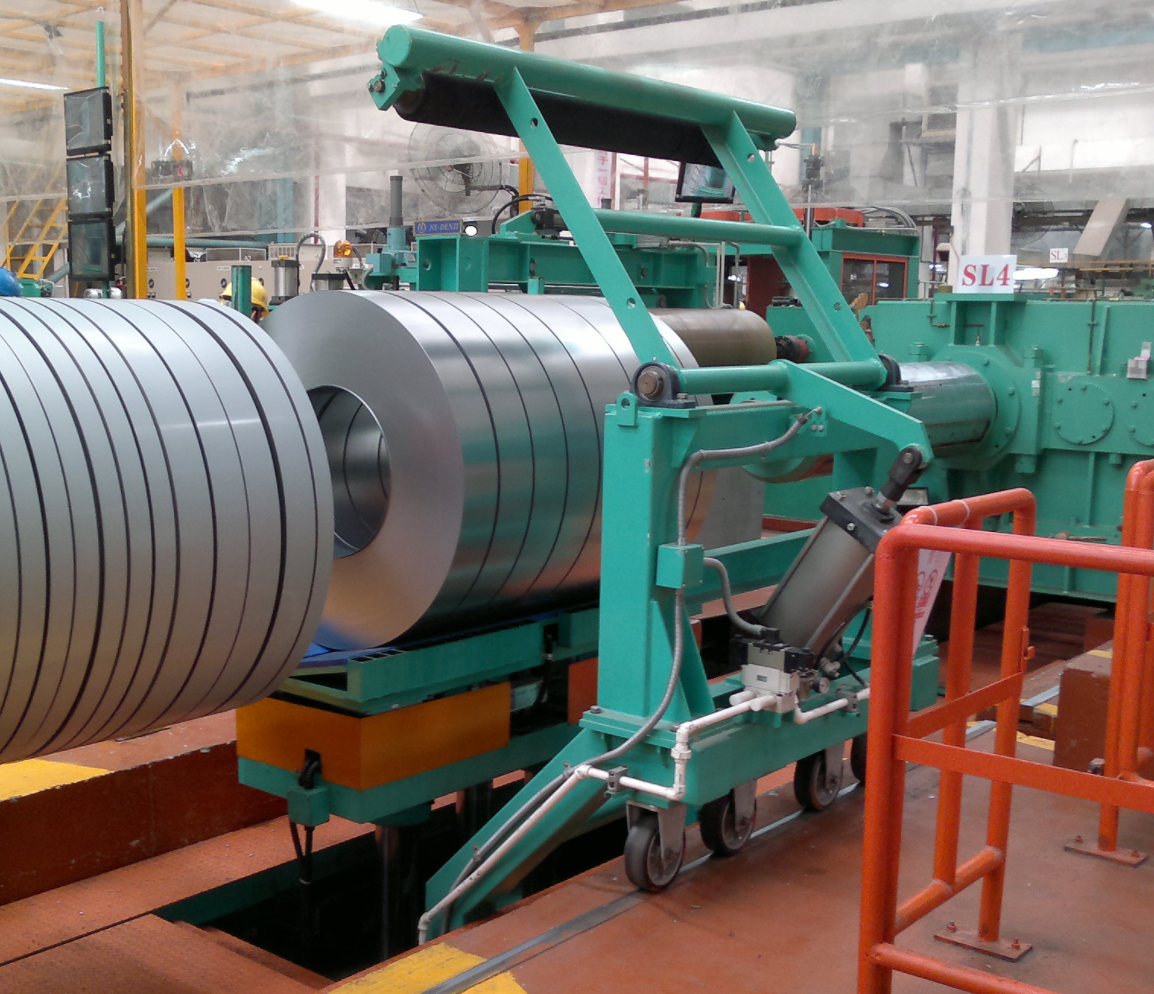
When I first started in the packing machine industry, manual handling was common. But even then, I saw the problems. Heavy steel coils are difficult to move. Workers can get hurt easily. This leads to higher insurance costs and staff turnover. Modern manufacturing in Japan values efficiency, safety, and quality above all else. Manual packing fails on all these counts. It creates a bottleneck at the end of the production line. This slows down everything you do. It also puts your valuable employees at risk every single day. The consequences are not just financial; they affect morale and your company’s reputation. Companies need to look for better ways. They need solutions that keep up with modern demands. (challenges of manual coil wrapping, labor-intensive packing problems, workplace injury risks steel handling)
The Hidden Costs of Outdated Packing Methods
Manual packing might seem like the traditional way, but tradition can be expensive. In Japan, where efficiency is a cultural value, outdated methods are a major drag on productivity. Think about the time it takes to manually wrap a single steel coil. Then multiply that by hundreds or thousands of coils per day. The hours add up quickly. This leads to longer lead times for your customers. It means higher labor costs for your business. My experience has shown me that companies often underestimate these hidden expenses. They focus only on the initial purchase price of equipment. But the operational costs of manual packing are a continuous drain. This drain impacts your overall profitability.
- Slow Throughput: Manual processes cannot match the speed of modern production lines. This creates bottlenecks. These bottlenecks delay shipments. They reduce overall output. Japan’s manufacturing sector relies on fast, precise delivery. Manual packing hinders this.
- High Labor Dependency: Finding skilled labor for strenuous tasks is becoming harder in many developed economies, including Japan. Manual packing relies heavily on human workers. This makes businesses vulnerable to labor shortages. It also increases operational costs due to wages and benefits.
- Increased Risk of Human Error: Even the most careful worker can make mistakes. These errors can lead to uneven packing. They can cause loose wraps. They can result in product damage. This reduces the quality of your shipments. It also leads to customer complaints.
-
Significant Safety Hazards: Handling heavy steel coils by hand is dangerous. Workers face risks of back injuries, crushed limbs, and other accidents. This creates a stressful work environment. It drives up insurance premiums. It can also lead to costly legal issues.
📊 Comparative Analysis: Manual vs. Automated Packing
Feature Manual Packing Automated Packing Speed 10-15 coils/hour (highly variable) 30-60+ coils/hour (consistent) Labor Cost High (multiple operators, benefits) Low (minimal oversight, specialized roles) Safety Risk Very High (heavy lifting, repetitive strain) Very Low (machine handles heavy loads) Consistency Variable (depends on operator skill) High (uniform tension, precise wrapping) Product Damage Moderate to High (due to human error/fatigue) Low (controlled process, gentle handling) ROI Negative (ongoing high costs, hidden issues) Positive (cost savings, increased output) Manual packing directly contradicts the principles of lean manufacturing. Lean manufacturing focuses on eliminating waste. Waste includes unnecessary motion, waiting time, and defects. Each of these is common in manual packing operations. Japanese industries, known for their focus on quality and efficiency, are increasingly seeing manual packing as a liability. It is a hurdle to achieving peak performance. This shift is not just about technology. It is about staying competitive. It is about protecting your most valuable asset: your people. (Japanese industrial automation, efficient packaging solutions, reducing manual labor steel, improving packing line output)
2. How Do Automatic Steel Coil Packing Machines Boost Efficiency and Throughput for Japanese Manufacturers?
Are your current packing operations holding back your entire production line? Many manufacturers face this exact problem. The final step of packing can become a bottleneck, undoing all the efficiency gains made earlier. This is especially true in Japan, where demand for high-speed, high-volume production is constant.
Automatic steel coil packing machines significantly boost efficiency and throughput for Japanese manufacturers by performing high-speed, consistent wrapping cycles with minimal human intervention. They eliminate the delays and variability of manual labor, ensuring a continuous flow of finished products. This accelerates delivery times and allows factories to meet demanding production quotas with greater reliability and precision, optimizing the entire supply chain.

When I started my own packing machine factory, one of my main goals was to help clients increase their output. I knew that speed and consistency were key. Automated machines can pack a coil in minutes, sometimes even seconds. Human workers cannot match this speed, especially not for long periods. They get tired. Machines do not. This means your production line can run smoothly, without pauses or slowdowns at the packing stage. For a market like Japan, known for its rapid innovation and high production targets, this capability is not just an advantage. It is a fundamental requirement. It allows businesses to scale their operations. It helps them take on more orders. It ensures they stay ahead of the competition. (automated packaging efficiency, high throughput packing machines, Japanese manufacturing productivity, optimizing production flow)
Streamlining Operations for Peak Performance
The true power of automation lies in its ability to streamline complex tasks. An automatic steel coil packing machine does more than just wrap. It integrates seamlessly into your existing production line. It can handle coils of various sizes and weights. It applies precise tension to the packing material. It ensures a uniform, protective wrap every single time. This consistency is vital for maintaining product quality. It also reduces waste from re-packing or damaged goods. For Japanese manufacturers, known for their commitment to excellence, this level of precision is invaluable. It helps maintain their brand reputation. It ensures customer satisfaction. It also drives down operational costs.
- Consistent Cycle Times: Machines operate at a predictable speed. This eliminates the variability of human performance. It allows for accurate production planning. This ensures a steady output.
- Reduced Manual Labor: Automation frees up workers from repetitive, strenuous tasks. They can then be reallocated to higher-value roles. This addresses labor shortages. It also improves overall workforce productivity.
- Optimized Material Usage: Automatic machines use precise amounts of packing material. This minimizes waste. It leads to significant savings over time. It also contributes to more sustainable practices.
-
Integration with Production Lines: Modern packing machines can be integrated with upstream and downstream equipment. This creates a fully automated production flow. It enhances overall operational efficiency. It reduces human intervention points.
⚙️ Key Benefits of Automated Packing in Japan
Benefit Impact on Japanese Manufacturers Increased Speed Meet high demand, reduce lead times, gain competitive edge in fast-paced markets. Consistent Quality Maintain ‘Made in Japan’ reputation for excellence, reduce defects and customer complaints. Labor Savings Address aging workforce challenges, redeploy skilled labor to complex tasks, reduce wage costs. Reduced Downtime Reliable machine operation minimizes production stops, ensuring continuous manufacturing. Space Efficiency Often designed for compact footprints, optimizing valuable factory floor space in Japan’s urban areas. Automated packing is not just about making things faster. It is about making them smarter. It is about using technology to solve real-world problems. For example, one of my early clients was struggling with their coil packing. Their manual process just could not keep up with their new slitting line. We implemented an automatic coil packing solution. Within months, they saw a 40% increase in their packing speed. Their product damage dropped by over 70%. These are the kinds of results that truly transform a business. They allow manufacturers to maximize their output. They help them deliver high-quality products consistently. This is the definition of efficiency in today’s global market. (automatic coil wrapper benefits, industrial automation Japan, smart factory solutions, improved production output steel)
3. What Role Do These Machines Play in Enhancing Safety and Product Integrity in Japan’s Steel Plants?
Are you constantly worried about accidents on your factory floor, especially around the packing area? Are customer complaints about damaged products becoming too frequent? These are common anxieties for factory managers like Michael, the kind of leader I often talk to. In steel plants, where heavy materials and high-speed operations are the norm, safety and product integrity are not just good practices; they are absolutely essential.
Automatic steel coil packing machines play a critical role in enhancing safety and product integrity in Japan’s steel plants by minimizing the need for manual handling of heavy coils, thus drastically reducing workplace injuries and associated risks. Furthermore, they apply consistent and precise wrapping, which prevents damage to the steel during transit and storage, ensuring that products arrive at customers in pristine condition and upholding Japan’s high-quality reputation.

When I help design packing solutions, safety is always a top priority. I have seen the devastating impact of workplace accidents. No company wants to experience that. Automatic machines remove humans from the direct path of heavy, moving coils. This dramatically reduces the risk of injury. Also, product damage is a silent killer of profits. Scratched edges, deformed coils, or loose wrapping can lead to rejections and financial losses. An automatic machine provides a consistent, secure pack every time. This protects your product. It also protects your reputation. For the discerning Japanese market, where quality is paramount, this is non-negotiable. (reducing workplace accidents steel, product damage prevention packing, industrial safety solutions Japan, coil handling safety equipment)
Protecting Your Workforce and Your Product Quality
The connection between safety and product integrity is stronger than you might think. A safe working environment leads to more focused and productive employees. This, in turn, contributes to higher quality output. Conversely, an environment prone to accidents can distract workers. It can cause errors that damage products. Automatic steel coil packing machines solve both these issues. They remove the most hazardous tasks. They ensure the highest quality of packaging. This dual benefit is particularly valuable in Japan’s steel industry, where both human welfare and product perfection are deeply valued.
- Elimination of Heavy Lifting: Workers no longer need to manually lift or manipulate heavy steel coils. The machine does all the heavy work. This prevents back injuries, strains, and other musculoskeletal disorders.
- Reduced Repetitive Motion Injuries: Tasks like manual wrapping involve repetitive motions. These can lead to carpal tunnel syndrome and other overuse injuries. Automation eliminates these risks.
- Consistent Packing Tension: Manual wrapping often results in inconsistent tension. This can lead to loose wraps that expose the coil to damage. Automatic machines apply uniform tension. This ensures a tight, protective package.
- Prevention of Edge Damage: Steel coils are vulnerable to edge damage during handling and transport. A secure, consistent wrap from an automatic machine protects these sensitive areas. This prevents costly customer rejections.
-
Compliance with Safety Standards: Implementing automated solutions helps companies meet and exceed stringent safety regulations. This is particularly important in industrialized nations like Japan. It shows a commitment to worker welfare.
🚨 Safety & Quality Improvements with Automation
Aspect Manual Packing Risks Automated Packing Benefits Worker Safety 🤕 Back injuries, crushing hazards, cuts ✅ Minimized human interaction with heavy loads, reduced injuries Ergonomics 😩 Repetitive strain, physical fatigue 🧘♂️ Workers operate safely from a control panel, no strenuous work Product Stability 📉 Loose wraps, shifting during transport 💯 Consistent tension, secure packaging, stable loads Damage Protection 🩹 Scratches, dents, edge damage during handling 🛡️ Uniform protective layers, reduced contact points Work Environment 🥵 High-stress, physically demanding 😌 Safer, more controlled, less physically demanding For me, seeing a client improve their safety record is just as rewarding as helping them boost production. I remember working with a metal processing plant in Asia. Their workers were constantly struggling with manual coil flipping. We introduced a customized automatic packing line with an integrated up-ender. Not only did their packing speed double, but their injury reports for that section dropped to zero within three months. This made a huge difference to their team’s morale. It showed the management’s care for its employees. It also ensured that every coil left their factory perfectly protected. This kind of protection is crucial for maintaining customer trust and ensuring long-term business success. (Japan steel plant safety, automatic packaging machine protection, reliable coil wrapping solutions, preventing damage in logistics)
4. Why Is Partnering with an Expert in Automatic Steel Coil Packing Critical for Long-Term Success in Japan?
Are you wary of investing in new machinery after past negative experiences with suppliers? Many factory managers have been there. It is common to encounter companies that are great at selling but fall short on service or understanding your unique needs. In Japan’s highly competitive and quality-focused market, choosing the right partner for your automatic steel coil packing machine is not just about buying equipment; it is about securing your future success.
Partnering with an expert in automatic steel coil packing is critical for long-term success in Japan because it ensures you receive not only high-quality, customized equipment but also invaluable technical support, deep industry insight, and reliable after-sales service. An expert like FHOPEPACK understands the nuances of coil handling and provides solutions that integrate seamlessly into your operations, guaranteeing optimal performance, maximum ROI, and sustained competitive advantage in the demanding Japanese manufacturing landscape.
Building a successful factory taught me that trust is everything. My journey from an employee to a factory owner showed me the value of true partnerships. You need a supplier who understands your production bottlenecks, your safety concerns, and your efficiency goals. You need someone who can offer solutions, not just products. This is where an expert comes in. An expert can guide you through the complexities of automation. They can help you select the right machine for your specific needs. They can provide the support you need long after the sale. This kind of partnership minimizes risks. It maximizes your investment. It ensures your operations in Japan continue to thrive. (expert packing machine supplier, reliable automation partner Japan, long-term manufacturing solutions, after-sales support packing equipment)
Choosing the Right Partner for Your Automation Journey
Investing in an automatic steel coil packing machine is a significant decision. It is an investment in your factory’s future. You need a partner who shares your vision for efficiency, safety, and quality. This is not just about the machine itself. It is about the knowledge, experience, and ongoing support that come with it. A true expert will offer more than just a catalog of products. They will offer a comprehensive solution tailored to your specific challenges. For Japan’s manufacturers, who prioritize precision and long-term reliability, choosing an expert is a strategic advantage. It guarantees that your investment will yield the desired returns. It also ensures operational excellence for years to come.
- Deep Industry Knowledge: An expert understands the intricacies of steel coil manufacturing and packing. They can anticipate challenges. They can recommend solutions that work. This ensures your machine is perfectly suited for your operations.
- Customized Solutions: Every factory is unique. A good partner will not offer a one-size-fits-all solution. They will assess your specific needs. They will design a packing line that integrates seamlessly with your existing processes.
- Robust After-Sales Support: Machines need maintenance. They sometimes need troubleshooting. A reliable partner provides prompt and effective after-sales service. This minimizes downtime. It ensures your equipment runs smoothly for its entire lifespan.
- Training and Technical Guidance: Proper operation and maintenance are key to longevity. An expert offers comprehensive training for your staff. They provide ongoing technical guidance. This empowers your team. It ensures optimal machine performance.
-
Focus on ROI: A knowledgeable partner helps you understand the return on investment. They demonstrate how automation will reduce costs. They show how it will increase profitability. They ensure your investment is financially sound.
🤝 Why Partnering with FHOPEPACK is Your Best Choice
Factor FHOPEPACK’s Expert Approach Experience Founded by Randal Liu, a seasoned packing machine engineer with factory ownership experience. Understanding We speak your language. We understand factory bottlenecks, safety, and efficiency challenges. Solutions Tailored automatic packing lines, not just machines, designed for your specific needs. Support Committed to comprehensive after-sales service, technical guidance, and long-term partnership. Trust Our mission is knowledge-sharing, building trust through expertise and proven results. I have seen clients who chose a cheaper option only to face continuous breakdowns and poor service. This ended up costing them much more in lost production and repair bills. My philosophy at FHOPEPACK is different. I believe in providing real value and building lasting relationships. When you partner with us, you are not just buying a machine. You are gaining a trusted advisor. We work with you to understand your specific challenges. We help you implement solutions that truly make a difference. We ensure your automatic steel coil packing machine enhances your Japanese manufacturing operations, driving efficiency and profitability for years to come. For example, our automatic steel coil packing lines are renowned for their durability and efficiency, often leading the market in performance and reliability.
Conclusion
Automatic steel coil packing machines are now indispensable for Japan’s manufacturing sector. They offer unmatched efficiency, drastically improve workplace safety, and ensure the highest product integrity. By adopting these advanced solutions, Japanese factories can overcome manual packing bottlenecks, reduce operational costs, and uphold their reputation for quality. Partnering with an experienced expert in steel coil packing line solutions, like FHOPEPACK, is key to maximizing these benefits and securing long-term success in a competitive global market.








