
How Automatic Steel Coil Packing Machines Improve Production in Germany’s Steel Industry?
Have you ever walked through a bustling steel mill, the air thick with the smell of metal and the rumble of machinery? It is an impressive sight, but sometimes, what happens at the very end of the production line can hold everything back. For many German steel manufacturers, the final packing of heavy steel coils is often where efficiency takes a hit. Manual processes can slow down the entire operation, costing time and money. I have seen this problem many times in my career, from when I first started as an engineer to when I built my own packing machine factory.
Automatic steel coil packing machines dramatically boost production in Germany’s steel industry by eliminating manual bottlenecks, increasing speed and consistency, and ensuring a safer work environment for heavy steel coil packaging. These advanced systems optimize the entire end-of-line process, leading to higher throughput and reduced operational costs for German steel mills seeking to maintain their competitive edge.
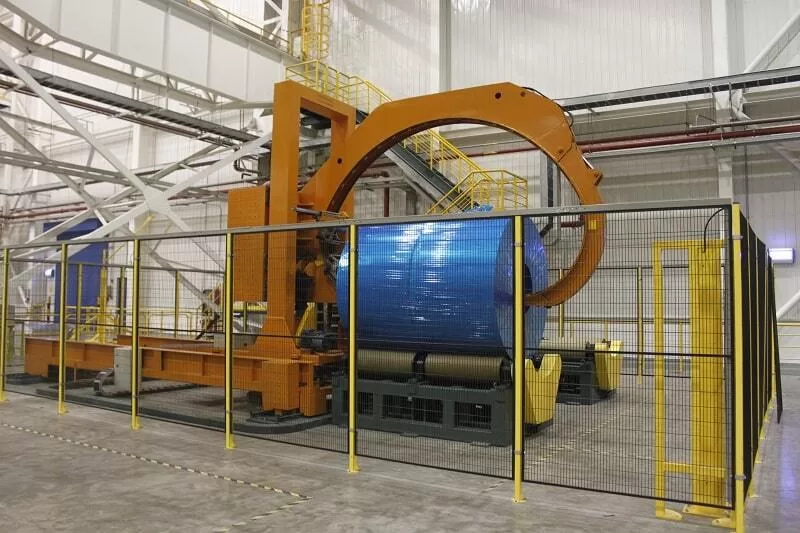
The push for efficiency and safety is constant in Germany’s strong manufacturing sector. Understanding how automation can transform the packing process is not just about buying new machines. It is about strategic investment, a step towards a more productive and secure future. Let us explore the real impact these machines have and why they are essential for modern German steel production.
1. Why is manual steel coil packing a bottleneck for German manufacturers?
The picture of workers manually wrapping heavy steel coils might seem traditional, but it is a major roadblock for modern German steel production. This old way of doing things creates many problems, causing delays and making everything less efficient. It is like having a fast car stuck in slow traffic right before the finish line. I know the feeling of seeing production slow down because of manual packing. It held many clients back until they changed.
Manual steel coil packing creates significant bottlenecks for German manufacturers due to its inherent slowness, high labor dependency, and inconsistency in wrapping heavy and bulky steel products. This results in prolonged lead times, increased operational costs, and an inability to meet the rapid production demands of the competitive German steel market.
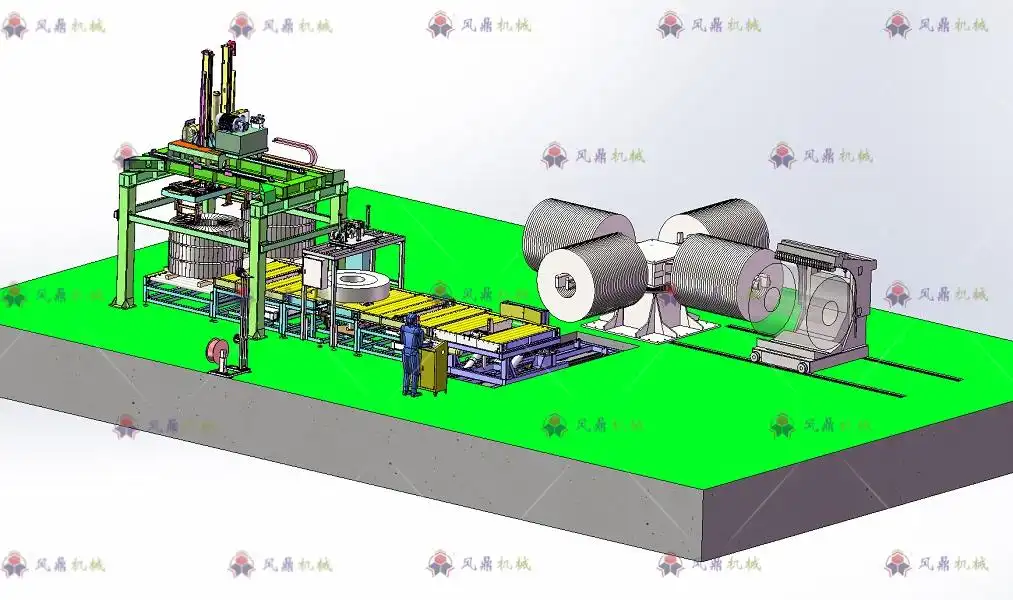
Manual processes are often slow. Each coil needs human hands to secure it, which takes time. When you have hundreds of coils to pack every day, these minutes add up to hours, then to entire shifts of lost productivity. This slowness directly affects how fast products can leave the factory. It impacts delivery times and customer satisfaction for German metal fabricators. Manual work also means costs are higher. You need more workers to do the same amount of work that one machine could handle. This pushes up labor expenses, which affects the overall profitability of the steel mill. German factories are always looking for ways to cut costs without reducing quality, and manual packing is an obvious place to start. In my experience, shifting from manual to automatic packing often cuts packing time by 70% or more, allowing factories to handle higher volumes without increasing their workforce. (German steel production efficiency, manual packing disadvantages, slow coil packaging)
Common Challenges with Manual Steel Coil Packing
Manual packing brings several issues that impact the bottom line for German industrial players. These challenges are not just small problems. They are big hurdles that prevent growth and reduce competitiveness.
- Speed Limitations:
- ⏰ Human speed is naturally slower than machine speed.
- 🔄 Each coil requires individual attention, leading to inconsistent packing times.
- 📈 Unable to keep up with high-volume production lines, creating backlogs.
- Labor Dependency:
- 👨🏭 Requires multiple workers for a single task, increasing labor costs.
- 👷♂️ Relies on human availability, leading to potential delays during staff shortages.
- 💸 Higher training costs and potential for employee turnover in physically demanding roles.
- Inconsistency and Quality Issues:
- 📏 Different workers might pack coils differently, leading to varied packaging quality.
- 🩹 Risk of loose wrapping or improper securing, which can lead to product damage during transport.
- 📉 Inconsistent packaging can also affect branding and customer perception of quality.
- Fatigue and Errors:
- 😴 Repetitive and physically demanding work causes worker fatigue.
- ❌ Fatigue increases the likelihood of packing errors.
- ⚙️ Errors lead to rework, further slowing down operations and increasing costs.








