
What Key Features Should Italian Engineers Consider When Selecting an Orbital Wrapping Machine?
Italian factories are known for their precision and high standards. This means that inefficient or outdated packing processes can quickly become a major bottleneck. If your current steel coil or wire packing relies on too much manual work, you are likely losing money every day. Downtime, product damage, and high labor costs can severely impact your bottom line. I understand these pressures because I faced them myself when I started my packing machine factory. Choosing the right equipment is not just about buying a machine; it is about securing your operational future.
Selecting an orbital wrapping machine means looking at key features like robust construction for heavy industrial use, advanced automation for efficiency, comprehensive safety mechanisms to protect workers, and versatile customization options to fit diverse product lines. These core elements are vital for any modern production facility aiming for higher output and lower operational costs. Getting these right can make all the difference for your factory.
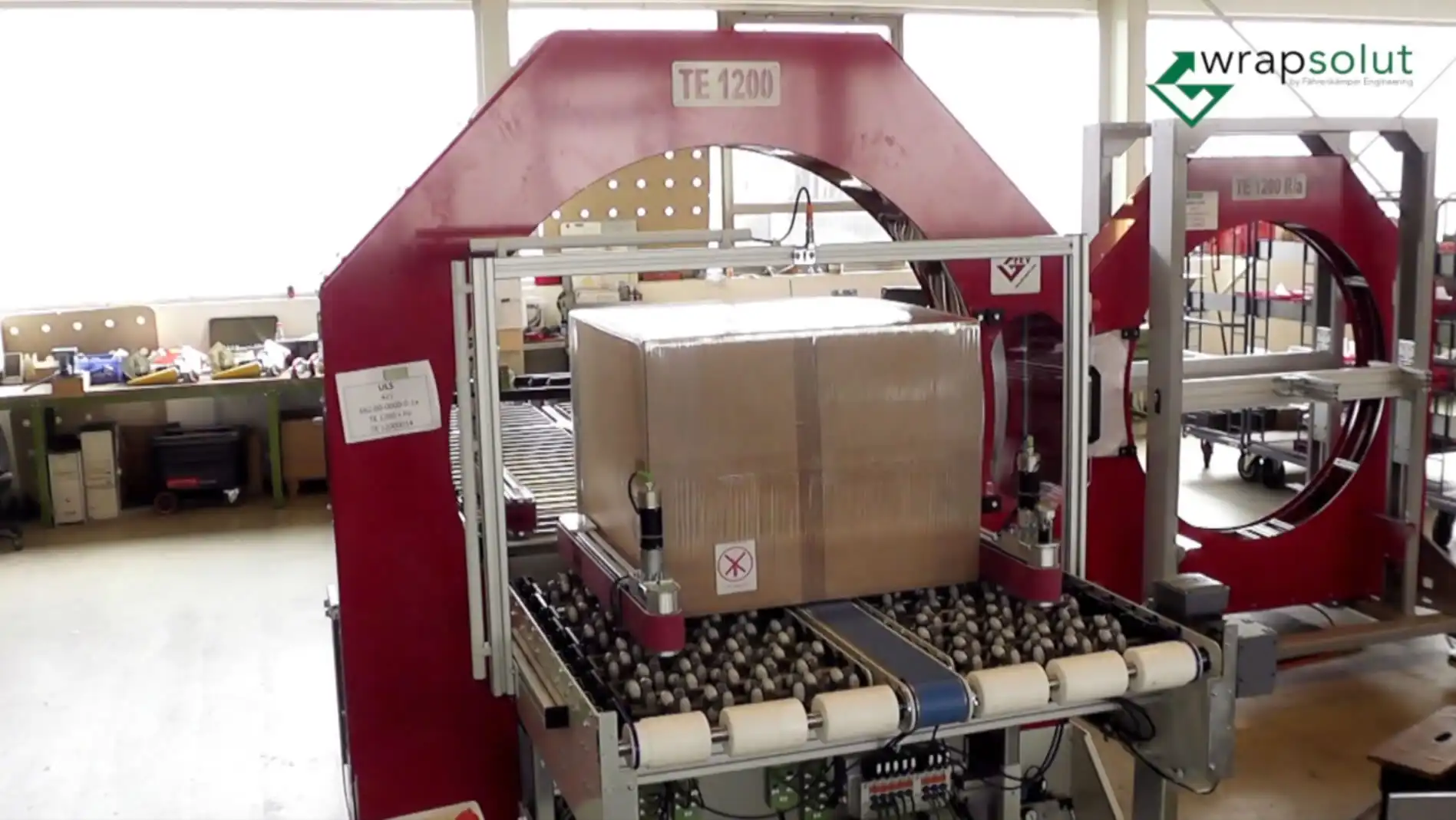
These are just the starting points. From my journey in the packing machine industry, I have seen firsthand how specific machine characteristics directly impact a factory’s success. Let’s dive deeper into each of these areas, drawing from my experience helping many clients grow their businesses.
Does Robustness and Reliability Truly Matter in Italian Production Lines?
Many engineers struggle with equipment that simply cannot keep up with high-intensity production. It is a common problem. Machines break down too often. This causes significant production delays and wastes valuable time. If your factory cannot rely on its packing equipment, then your entire output suffers. This directly impacts your delivery schedules and customer satisfaction. It is a constant headache for factory managers.
Robustness and reliability are not just buzzwords; they are fundamental requirements for any packing machine, especially in demanding Italian industrial environments where uptime is critical. Machines must withstand continuous operation, heavy loads, and harsh conditions without frequent breakdowns. This directly translates to consistent production and reduced maintenance costs.

Why Durability is a Non-Negotiable Feature
When I started my packing machine factory, I understood that a machine is only as good as its ability to perform day in and day out. For Italian engineers, particularly in sectors like metal processing, this is even more critical. Your equipment needs to be a workhorse. It cannot be a liability. The material of construction, the quality of components, and the overall engineering design play a huge role here. Think about the heavy steel coils or wire bundles you are wrapping. These are not light items. They put stress on the machine. A flimsy machine will fail quickly. A robust machine uses high-grade steel. It has heavy-duty motors and reliable control systems. These features ensure longevity. They reduce the need for constant repairs. In my experience, investing in durable equipment upfront always pays off. It saves money on spare parts and avoids expensive production stoppages. This kind of reliability builds trust. It allows you to meet your production targets consistently. It also helps in keeping your clients happy. A reliable machine is an asset, not just an expense. It contributes directly to your factory’s profitability. This is something I always emphasize with my clients.
Can Automation Really Solve Production Bottlenecks and Labor Costs?
Many factories still use manual methods for packing heavy products. This creates huge bottlenecks. Production slows down at the end of the line. Your output cannot match your factory’s capacity. This leads to frustrated workers and missed deadlines. The cost of labor also keeps rising. Relying too much on manual packing simply is not sustainable in the long run.
Automating the packing process with an orbital wrapping machine directly addresses efficiency bottlenecks and helps significantly reduce labor costs by minimizing the need for manual handling. Automated systems work faster and more consistently than human operators. This means higher throughput and a more streamlined operation.

The Clear Advantages of Automated Orbital Wrapping
My own journey in the packing machine industry taught me a fundamental truth: efficiency is key to growth. When I established my factory, I saw how automation transformed businesses. For Italian engineers, embracing automation in orbital wrapping offers several clear benefits.
- Increased Speed and Throughput: Manual packing is slow. It cannot keep up with modern production speeds. An automated orbital wrapper can process dozens of items per hour. This dramatically increases your overall output. It removes the bottleneck at the end of the line. Your factory can then deliver products faster.
- Reduced Labor Dependence: Manual handling of heavy items needs many workers. Each worker adds to your operational costs. Automation allows you to reallocate labor to more skilled tasks. This lowers your labor expenses. It also makes your workforce more productive.
- Consistent Wrap Quality: Human error can lead to inconsistent wrapping. This might cause product damage during transit. Automated machines apply a consistent tension and overlap. This ensures every product is wrapped perfectly. Consistent quality means fewer customer complaints. It also reduces product loss.
- Scalability for Future Growth: As your business grows, you need more capacity. Manual systems are hard to scale up. An automated system can often be upgraded or integrated with other machines. This allows your packing line to grow with your production demands. This future-proofs your investment.
By implementing automation, factories can achieve a higher return on investment (ROI). They reduce manual labor costs and improve overall efficiency. This leads to increased profitability. I have seen many clients achieve financial independence partly due to smart automation investments.
How Can an Orbital Wrapper Improve Workplace Safety in Metal Processing?
Manual handling of heavy steel coils or wire bundles is incredibly dangerous. Workers constantly lift, move, and flip heavy items. This leads to a high risk of injuries. Common problems include back strains, crushed limbs, and repetitive stress injuries. These accidents are costly. They result in high insurance claims, lost workdays, and high employee turnover. Ensuring worker safety is a moral duty and a business necessity.
An orbital wrapping machine dramatically improves workplace safety by removing the need for manual lifting, turning, and positioning of heavy or awkward loads. Workers interact with the machine in a safer, controlled environment. This minimizes exposure to hazards. It reduces the risk of serious accidents.

The Safety Dividend of Automated Wrapping
Safety was always a top concern when I managed and later owned my factory. No amount of production gain is worth a worker’s injury. For Italian metal processing plants, an orbital wrapper is a game-changer for safety.
- Elimination of Manual Handling Risks: The core benefit is simple. Workers no longer need to physically move heavy items onto or off the wrapping station. The machine does the heavy lifting. This drastically reduces the risk of strains, sprains, and impact injuries.
- Reduced Product Damage during Handling: Manual handling can also damage the product itself, like the edges of a steel coil. While not a direct worker safety issue, it leads to customer complaints and financial loss, which adds stress to the workplace. Automated handling is gentler and more precise.
- Ergonomic Work Environment: Operators supervise the machine from a safe distance. They use control panels. This replaces physically demanding and repetitive tasks. It creates a much more ergonomic and less fatiguing work environment.
- Compliance with Safety Regulations: Investing in automated safety solutions helps your factory comply with stringent occupational safety standards. This can prevent fines and legal issues. It also boosts employee morale. Workers feel valued when their safety is a priority.
From my own career, I have observed that a safer workplace directly leads to higher productivity. Employees who feel safe are more engaged. They are more loyal. They are less likely to seek work elsewhere. This reduces turnover costs. It also ensures a stable and experienced workforce. Prioritizing safety through automation is a win-win for everyone involved.
What About Customization and Integration for Unique Italian Needs?
Italian industries, especially metal processing, often have unique product dimensions and specific packing requirements. A one-size-fits-all machine rarely works. If an orbital wrapper cannot handle your specific coil diameters or wire bundle shapes, it is useless. You might end up with improperly wrapped products. This leads to damage and unhappy customers. Or you might have to invest in costly manual workarounds.
Customization and seamless integration are critical for Italian engineers because every factory has specific demands regarding product dimensions, line speed, and factory layout. An ideal orbital wrapping machine should offer flexible options. It needs to fit your unique operational context perfectly.
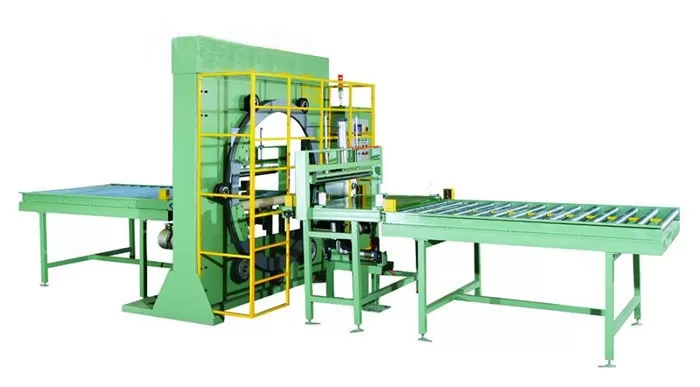
Tailoring the Orbital Wrapper to Your Factory
Throughout my career, I have learned that true partners do not just sell machines. They offer solutions. They understand that every factory is different. For Italian engineers, this means looking for an orbital wrapper that can be tailored to their exact needs.
- Variable Product Dimensions:
- Coil Diameter: Can the machine accommodate your smallest and largest coils?
- Bundle Length: Is the wrapping ring large enough for longer bundles of wire?
- Weight Capacity: Can it handle the heaviest items you produce? A good supplier will offer models with different ring diameters and load capacities. This ensures a perfect fit.
- Integration with Existing Lines: A new orbital wrapper should fit smoothly into your current production flow. It should not disrupt it.
- Conveyor Systems: Can the machine integrate with your existing infeed and outfeed conveyors?
- Upstream/Downstream Equipment: Does it communicate with other machines on your line? Seamless integration avoids creating new bottlenecks. It maximizes overall efficiency.
- Specific Wrapping Requirements: Some products need special protection.
- Material: Do you need stretch film, paper, or woven fabric? Can the machine handle different wrapping materials?
- Wrap Pattern: Do you need a specific overlap or number of wraps for optimal protection? The machine should offer programmable settings for various wrap patterns. This ensures product integrity.
- Factory Layout Constraints: Your factory might have limited space.
- Footprint: Is the machine compact enough to fit into your available area?
- Accessibility: Is it easy to access for maintenance and film changes? A well-designed machine considers these practical limitations.








