
What Are the Pros and Cons of Using Orbital Wrapping Machines in the UK’s Household and Consumer Goods Sector?
The UK’s household and consumer goods sector faces constant pressure. Businesses must deliver products quickly, safely, and cost-effectively. Many companies still rely on outdated, manual packing methods. This often leads to damaged goods, slow production lines, and high labor costs. It creates a big problem. What if there was a better way to protect your products and speed up your operations at the same time?
Orbital wrapping machines offer a strong solution for many UK businesses in the household and consumer goods sector. They can greatly improve efficiency and product protection. These machines wrap products tightly as they move through a central ring. This method creates a secure, all-around package. However, businesses must also consider the initial investment and the space these machines need. They also need to think about how well they fit specific product shapes.
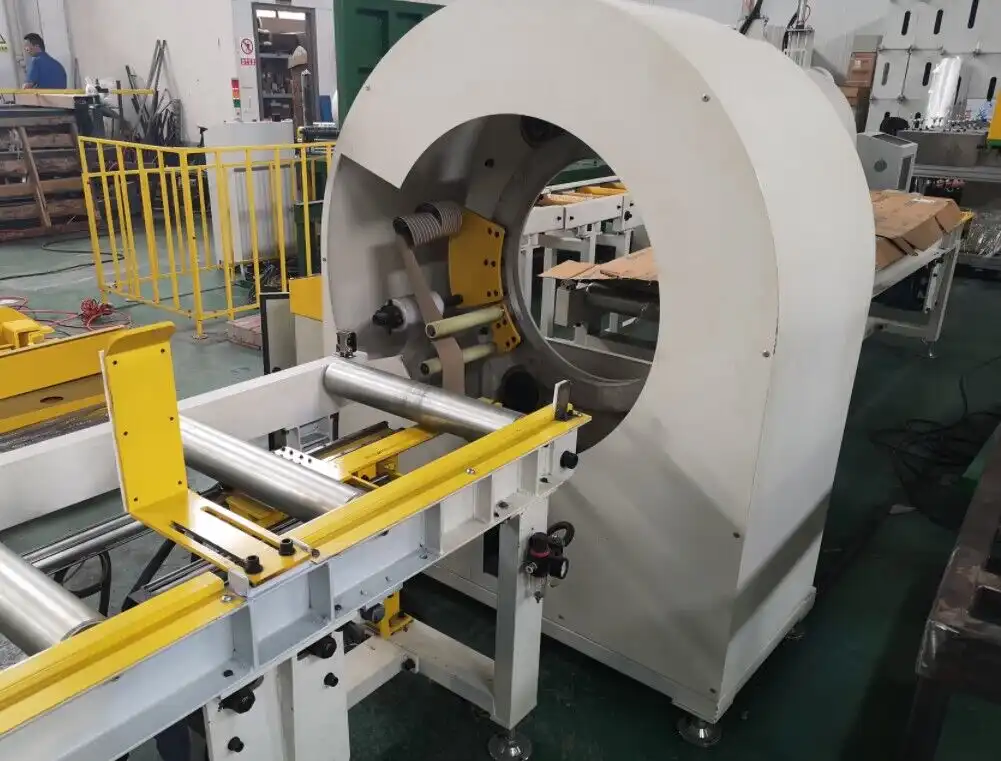
It is important to look at both sides before making a big decision. I have spent my career in the packing machine industry. I know what it means to run a factory and to grow a business. So, let us dive deeper into the real benefits and the potential drawbacks. We will see if orbital wrapping is the right step for your UK operations.
How Do Orbital Wrappers Boost Efficiency and Product Safety for UK Goods?
Are your current packing lines a bottleneck? Do you worry about products getting damaged before they reach customers? Many factory managers in the UK share these concerns. Manual packing is slow. It also exposes products to more risks. This directly affects delivery times and customer satisfaction.
Orbital wrapping machines significantly boost packing efficiency by automating a key part of the process. They also improve product safety. This is because they create a secure, tightly wrapped package that protects goods from dust, moisture, and impact during transit and storage. For the UK household and consumer goods sector, this means faster operations and fewer damaged returns.

Let us look at how these machines achieve these important gains. When I started my own packing machine factory, I saw firsthand the difference automation made. We moved from manual processes to machines. This changed our output and the quality of our finished products.
Faster Throughput and Streamlined Operations
Orbital wrappers work fast. They can wrap many items in a short time. This is much quicker than manual wrapping. A product moves along a conveyor. The machine wraps it as it passes through a central ring. This makes the packing line flow smoothly. It removes the bottlenecks often caused by hand packing. This speed helps UK businesses meet tight production schedules. It also ensures products get to market faster. Imagine a warehouse sending out a high volume of kitchen appliances or furniture. Speed matters a lot here. Every minute saved on packing means products ship sooner. This improves customer satisfaction. It also helps businesses keep up with demand. This efficiency directly helps the bottom line. It allows factories to process more orders.
Enhanced Product Protection and Reduced Damage
One of the biggest advantages is how well orbital wrappers protect products. The machine applies stretch film tightly around the item. It covers all sides. This creates a strong barrier. This barrier protects against many things. It keeps out dust, dirt, and moisture. It also guards against scratches and scuffs during handling and transport. Think about delicate household items. Or consider furniture with vulnerable edges. Even large, bulky consumer electronics need this level of care. When products arrive in perfect condition, customer complaints go down. This saves money on returns and replacements. It also builds brand reputation. For me, seeing a perfectly packed item leave the factory was always a mark of a job well done. It meant we delivered on our promise of quality. This protection is not just about the product itself. It is also about the peace of mind it gives to both the producer and the customer.
Flexibility for Various Product Sizes and Shapes
Orbital wrapping machines are quite versatile. They can handle many different sizes and shapes. This makes them good for the diverse products in the UK household and consumer goods sector. You can wrap long items like furniture parts. You can also wrap flat items like panels. Even odd-shaped bundles can be wrapped securely. The machine adjusts to the product’s dimensions. This ensures a custom fit every time. This flexibility is a huge benefit for companies with a varied product line. They do not need a different packing solution for every item. One machine can do many jobs. This saves space and money. It also simplifies the packing process. I have seen how this adaptability can change a factory’s layout and improve workflow. It allows for more product types to go through the same efficient packing line. This is key for businesses looking to expand their offerings.
Can Orbital Machines Really Cut Costs and Improve Labor Conditions in UK Factories?
Are you constantly looking for ways to lower operational costs? Is employee safety a top priority for your factory? In the UK’s competitive market, these questions are always on a manager’s mind. High labor costs and workplace injuries can severely impact profitability and staff morale.
Orbital wrapping machines significantly reduce labor costs by automating tasks that once needed multiple workers. They also improve workplace safety by minimizing manual handling of heavy or awkward items. This leads to fewer injuries and a safer environment for factory staff in the UK household and consumer goods sector. The initial investment often pays for itself through these long-term savings.
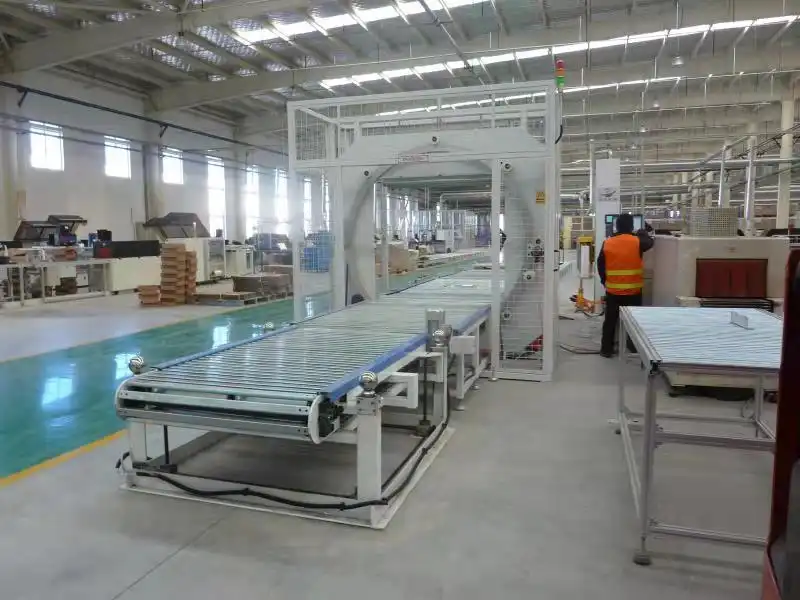
I know from experience that investing in the right equipment can change everything. When I built my factory, I looked for machines that would not just pack goods but also protect my team. This balance is important for long-term success.
Reduced Labor Costs and Increased Productivity
One of the most compelling reasons to invest in an orbital wrapper is the potential for significant labor cost reduction. Manual wrapping needs a lot of people. These workers spend hours doing repetitive tasks. An orbital machine can do the same work much faster. It only needs one operator to supervise or load. This means you can assign staff to other, more skilled roles. Or you can reduce your overall labor needs on the packing line. For UK businesses facing rising wages and a tight labor market, this is a huge advantage. It directly impacts your bottom line. It also increases your overall productivity. You get more finished products out the door with fewer resources. This frees up capital for other business improvements. I learned early on that smart automation is not just about replacing people. It is about making the entire operation more efficient and sustainable.
Enhanced Workplace Safety and Reduced Injury Risk
Workplace safety is not just a moral obligation. It is also a financial one. Manual handling of large or heavy items carries a high risk of injury. Workers can strain their backs. They can suffer muscle injuries. These injuries lead to lost workdays, high insurance costs, and potential legal issues. Orbital wrapping machines eliminate much of this manual lifting and twisting. Products are loaded onto a conveyor. The machine does the wrapping. This greatly reduces the risk of work-related injuries. For factory managers like Michael Chen, who oversees heavy processing plants, safety is paramount. He worries about the injury risks from manual handling. Orbital wrappers directly address this concern. A safer workplace means happier employees. It also means lower insurance premiums. It creates a more stable workforce. This benefits everyone in the long run. My own experience showed me that a safe factory is a productive factory.
Better Return on Investment (ROI) Through Operational Savings
While the initial cost of an orbital wrapping machine can seem high, the return on investment (ROI) is often very clear. The savings come from multiple areas. You save on labor costs. You also save by reducing product damage. And you gain from increased efficiency. These savings quickly add up. Over time, the machine pays for itself. Then, it starts generating pure profit through continued operational savings. For instance, a reduction in damaged goods alone can save thousands of pounds a year for a large UK consumer goods manufacturer. Add to that the money saved on wages and insurance, and the case for investment becomes very strong. It is not just about buying a machine. It is about buying into a more efficient, safer, and profitable future for your business. I always advised my clients to look at the long-term picture. This is where the real value of automation becomes clear.
What Are the Main Hurdles When Adopting Orbital Wrapping in the UK?
Considering new technology for your factory brings up questions. What are the potential roadblocks? How will this impact my current setup? Many UK businesses, especially in the household and consumer goods sector, need to plan carefully before making big changes. It is smart to weigh all options.
Adopting orbital wrapping machines in the UK can present hurdles. The initial purchase cost is a significant factor for many businesses. These machines also require dedicated floor space, which can be limited in existing factory layouts. Also, integrating them into current production lines might need careful planning and some adjustments. It is important to look at these challenges upfront.

I have helped many clients grow their businesses. I have seen the excitement of new machinery. But I have also seen the practical challenges. It is always important to be realistic about what a new investment entails.
Initial Investment and Budget Constraints
The most immediate hurdle for many businesses is the upfront cost of an orbital wrapping machine. These are industrial-grade pieces of equipment. They represent a significant capital expenditure. For small to medium-sized enterprises (SMEs) in the UK, this can be a major barrier. Even larger companies need to justify the investment. They need to show a clear ROI. It is important to budget not just for the machine itself. You also need to plan for installation, training, and any necessary modifications to your facility. This financial aspect needs careful consideration. It also requires a solid business case. However, as I discussed earlier, the long-term savings often outweigh this initial cost. But getting past that first hurdle is crucial. My advice has always been to look at the total cost of ownership over several years. This gives a clearer picture.
Floor Space Requirements and Factory Layout
Orbital wrapping machines need a specific amount of floor space. They are not small. This can be a challenge for factories with limited space or complex layouts. Many UK factories, especially older ones, might have constrained areas. Integrating a large machine into an existing production line can be difficult. It might require rearranging other equipment. It could even mean expanding the facility. Before investing, businesses must carefully assess their available space. They must also consider the flow of materials through their factory. A poorly placed machine can create new bottlenecks. It can disrupt the entire operation. Careful planning and perhaps a site visit by a machine supplier are essential. You need to ensure the machine fits both physically and functionally into your current setup. This is a practical challenge that needs a good solution before purchase.
Integration with Existing Production Lines and Training Needs
Adding a new machine means it needs to work with what you already have. Orbital wrappers must integrate smoothly with upstream and downstream processes. This includes conveyors, labeling machines, or palletizing systems. This integration needs technical expertise. It can sometimes require custom adjustments. Also, your team will need training. Operators must learn how to use the machine safely and efficiently. Maintenance staff must learn how to service it. This training takes time and resources. It can temporarily disrupt production. However, good suppliers, like FHOPEPACK, offer comprehensive training and support. They help make this transition smoother. This support is vital for companies like Michael Chen’s. He has faced trust issues with past suppliers. Good integration and support build confidence. They ensure the machine operates at its best from day one.
Are There Specific Products That Orbital Wrapping Machines Struggle With in This Sector?
No single machine is perfect for every product. This is true for orbital wrappers too. For businesses in the UK household and consumer goods sector, knowing these limitations is just as important as knowing the benefits. It helps you make the right choice.
Orbital wrapping machines generally handle a wide range of products well. However, they may struggle with extremely delicate items that cannot tolerate the tension of the film. They might also be less suitable for very short products, or products that have highly irregular, non-uniform shapes. These types of items could pose challenges in achieving a secure and consistent wrap.

My experience has shown me that understanding a machine’s boundaries is key. You would not use a sledgehammer to drive a nail. The same logic applies to packing solutions. Matching the tool to the task is always the best approach.
Extremely Delicate or Fragile Items
Orbital wrappers apply tension to the stretch film. This tension pulls the film tightly around the product. For most household and consumer goods, this is fine. It creates a secure package. But for extremely delicate or fragile items, this tension could be an issue. Items made of very thin glass, very brittle ceramics, or items with exposed, sensitive components might not handle the pressure. The tension could cause damage. For these types of products, a gentler packing method might be better. This could involve softer wraps, custom-fit foam, or specialized boxes. It is important to test the product with the machine. This ensures it can withstand the wrapping process without damage. My aim is always to find the safest way to pack a product.
Very Short or Unstable Products
Orbital wrappers work best with products that have a certain length or stability. They need to pass through the wrapping ring smoothly. Very short items, especially if they are also light, might not feed correctly. They could wobble or become dislodged during wrapping. This can lead to an inconsistent wrap. It can also stop the machine. Similarly, products that are inherently unstable or have a very high center of gravity might be challenging. They could tip over as they move through the machine. This is less of an issue for long items like furniture panels. It can be a problem for small, individual items. For these cases, different types of automated packing might be more suitable. This could include shrink-wrapping or carton packing systems. The key is to find a solution that guarantees stability throughout the entire packing process.
Highly Irregular or Non-Uniform Shapes
While orbital wrappers offer good flexibility, they do have limits. Products with extremely irregular, complex, or non-uniform shapes can be difficult to wrap perfectly. The stretch film might not conform evenly to all contours. This can leave gaps. It can also create areas with too much or too little tension. This can compromise the integrity of the package. For example, a product with many sharp, protruding parts might tear the film. Or an item with deep crevices might not get full coverage. For these kinds of products, custom packaging solutions are often better. This could involve custom-designed boxes, vacuum-formed plastic, or specific void fill materials. It is about ensuring complete protection. It is also about presenting the product well. Always consider the product’s geometry carefully. Then, match it to the machine’s capabilities.
My Take: Choosing the Right Packing Solution for Your UK Operations?
After years in the packing machine industry, from an employee to a factory owner myself, I have seen it all. I understand the pressures factory managers face every day. They need to increase output. They need to control costs. They must ensure safety. These are big challenges. Michael Chen’s concerns about efficiency, safety, product damage, and finding a trustworthy partner resonate deeply with me. It is not just about buying a machine. It is about investing in a solution and building a relationship with a supplier you can trust.
When you look at orbital wrapping machines for your UK household and consumer goods business, think beyond the immediate price tag. Consider the long-term impact on your operations. The benefits in efficiency, product protection, and labor safety are clear. They can transform your factory. They can improve your profitability. But you also need to be realistic about the challenges. These include the initial investment, space requirements, and how it integrates with your current setup. Every factory is unique. Your products are unique. So, the best solution will always be a tailored one.
I built FHOPEPACK because I believe in sharing knowledge. I want to help businesses succeed. Just like I helped my own factory and many clients grow. When you consider an orbital wrapper, ask yourself these questions:
Do the Benefits Outweigh the Costs for Your Specific Products?
This is the core of any investment decision. For many standard-shaped household and consumer goods, the answer is a resounding yes. The savings from reduced labor and product damage, plus the boost in speed, often make the ROI very attractive. However, if your products are extremely fragile or have very unusual shapes, the costs might include additional custom solutions or the risk of damage. You need to do a thorough cost-benefit analysis. Look at your specific product line. Calculate the potential savings against the investment. Also, consider the intangible benefits. These include improved worker morale due to better safety. They also include better customer satisfaction from undamaged goods. This holistic view helps paint a clearer picture of the real value.
Can Your Factory Accommodate the Machine and Integrate It Smoothly?
Space and integration are practical considerations that cannot be overlooked. Before committing, map out where the machine will go. Think about how it will fit into your material flow. Will it create new bottlenecks? Will it require significant rework of your existing line? A good supplier will help you with this assessment. They will offer layout suggestions and integration advice. They will also provide comprehensive training for your team. This support is critical. It ensures a smooth transition. It also ensures the machine performs optimally from day one. I have seen factories struggle when these details are not planned well. Do not rush this part of the process. A well-planned installation saves headaches and money in the long run.
Are You Partnering with a Supplier Who Understands Your Needs?
This point is crucial. Michael Chen mentioned supplier trust issues. He experienced poor after-sales service. This is a common problem. It is something I vowed to fix with FHOPEPACK. You need a partner. You do not just need a vendor. A true partner understands your pain points. They grasp your production bottlenecks. They know your safety concerns. They will offer expert insights. They will provide reliable solutions. They will stand by their products. They will offer ongoing support. They will not disappear after the sale. Look for a supplier who has real-world experience. Someone who knows what it takes to run a factory. They can provide genuine guidance. That is the kind of relationship that leads to long-term success.
Conclusion
Orbital wrapping machines offer great efficiency and safety benefits for UK household goods. They also present challenges in cost and space. A careful assessment of your needs and a trusted partner are key to making the right investment.








