
How Do Different Orbital Wrapping Machine Brands Perform in the UK’s Plywood, Laminated Board, and Insulation Panel Lines?
Are you facing major headaches with your packing lines in the UK? Maybe your plywood, laminated board, or insulation panels get damaged during transit, or your current wrapping process is just too slow. This not only costs you money in ruined products and unhappy customers, but it also slows down your whole operation. You know your factory needs a better way to protect goods and speed up output. Finding the right orbital wrapping machine can change everything. But with many brands out there, how do you pick the one that truly works for your UK factory?
In the UK, different orbital wrapping machine brands show varied performance across plywood, laminated board, and insulation panel lines. Top performers often deliver high throughput, consistent wrap quality, and robust build for demanding factory conditions. Brands excel by offering specific solutions for product fragility, size variations, and integration with existing production lines, ensuring materials like plywood edges or insulation panel corners are fully protected from damage during handling and transport.
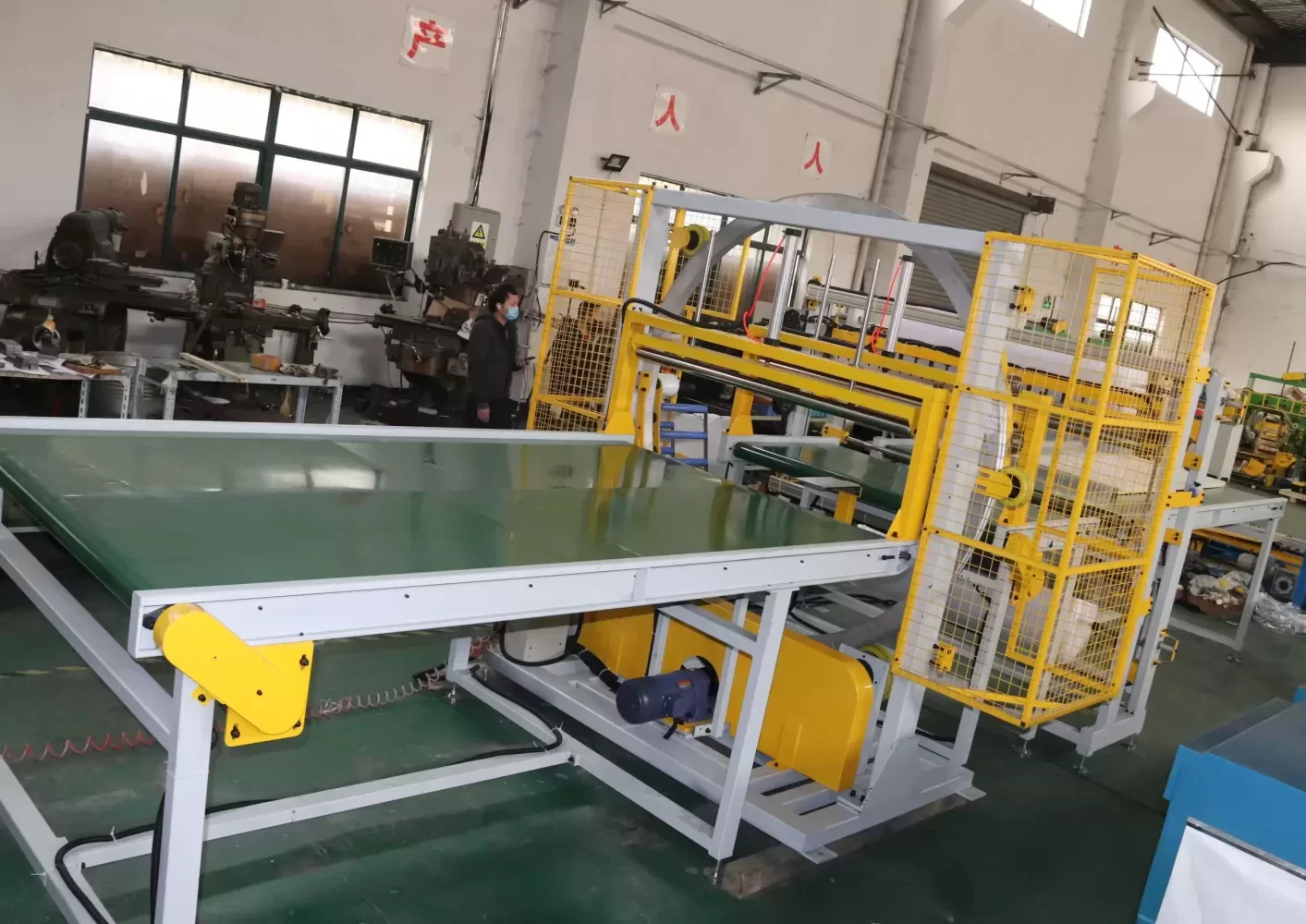
You see, it is not just about buying a machine. It is about making a smart investment that boosts your business. Let us dive deeper into what makes these machines tick and which brands stand out in the UK market.
Performance Metrics for Orbital Wrappers: What Matters Most in the UK?
You need your packing line to be fast and reliable. But how do you really measure if an orbital wrapper is doing its job well? If you focus on the wrong things, you could end up with a machine that fails to meet your specific needs. This leads to more downtime, wasted materials, and less profit. We need to look at clear performance metrics that directly impact your factory’s efficiency and product safety.
For UK factories handling plywood, laminated board, and insulation panels, key orbital wrapper performance metrics include wrap speed (packages per hour), film consumption efficiency, wrap tension consistency, and overall machine uptime. These metrics directly influence operational costs, production throughput, and the level of product protection against damage, which is crucial for maintaining product quality and customer satisfaction in demanding industrial environments.

When I started my own packing machine factory after years as an engineer, I learned one big truth. Numbers do not lie. Especially when it comes to machine performance. In the UK, factories like yours deal with tough conditions. Your plywood, laminated board, and insulation panels are bulky. They can be heavy. They need strong protection. So, what numbers should you care about?
First, think about wrap speed. How many packages can the machine wrap in an hour? This directly links to your factory’s output. A slow machine acts like a bottleneck. It stops your whole production line from moving forward. I once saw a factory in the UK with a great production speed up to the packing line. But their old wrapper was so slow. It created a huge pile-up of finished goods. They lost money every day because of that bottleneck. Upgrading their wrapper to a faster model changed their whole business. They could deliver more products and faster.
Second, consider film consumption efficiency. Stretch film costs money. A machine that uses too much film is wasteful. A good orbital wrapper should use just enough film to protect the product. It should not use too little, or the product gets damaged. It should not use too much, or you waste money. Some advanced machines have features that pre-stretch the film. This means you use less film for the same wrapping strength. This cuts down your material costs greatly. I always advise my clients to look closely at this. Over a year, the savings can be huge.
Third, wrap tension consistency is vital. If the film is too loose, your products are not safe. They can shift. They can get damaged. If the film is too tight, it can damage softer insulation panels or even deform thin laminated boards. The machine needs to apply the same tension every time. This ensures proper product protection. It also makes sure your products look professional when they arrive at the customer. For delicate items like some insulation panels, consistent, gentle tension is a must. For heavy plywood stacks, strong and even tension is key.
Lastly, machine uptime is crucial. This means how much time the machine is actually running and not broken. A machine that breaks down often causes big problems. It stops your production. It costs money for repairs. It makes your workers idle. You need a machine that is built tough. It needs to handle the daily grind of a busy UK factory. Reliable parts and good engineering are not luxuries. They are necessities. My experience taught me that saving a little money on a cheap machine often costs a lot more in the long run. Good machines keep running. They keep your business moving.
- Key Metrics for UK Packing Lines:
- Packages Per Hour (PPH): Directly impacts factory throughput.
- Film Usage (grams/package): Affects material costs and waste.
- Tension Control (N/mm²): Ensures product protection and prevents damage.
- Mean Time Between Failures (MTBF): Indicates machine reliability and uptime.








