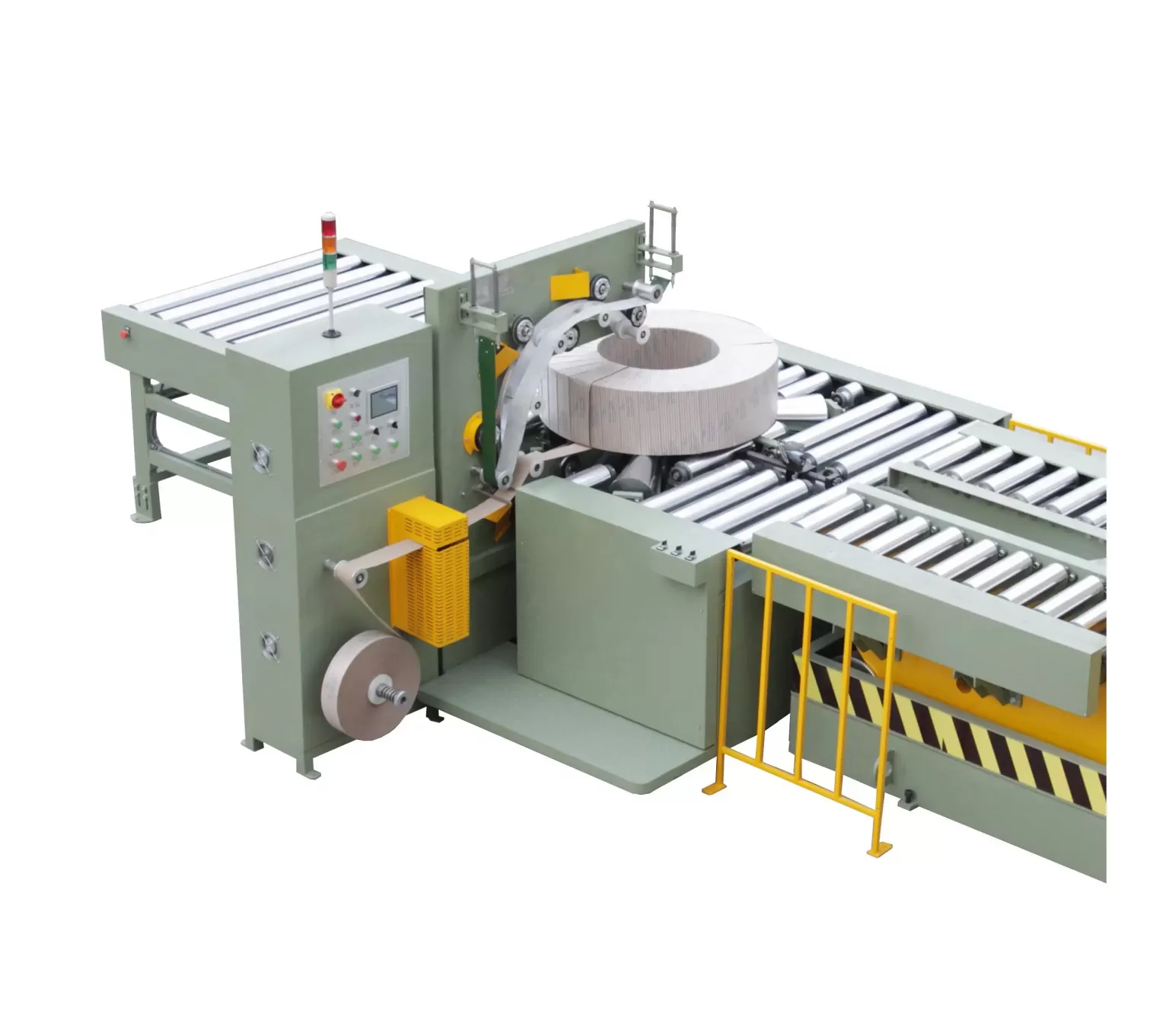
What Key Benefits Do Pipe Coil Wrapping Machines Offer to Plants?
Are you a factory manager constantly looking for ways to boost output, control costs, and keep your team safe? If your plant deals with coils – whether they are pipes, cables, or steel wire – you probably face daily struggles with slow manual packing, product damage, and the ever-present risk of workplace injuries. These challenges don’t just slow down production; they eat into your profits and cause headaches you simply don’t need.
Pipe coil wrapping machines are crucial for modern plants, offering benefits like increased automation, enhanced safety, superior product protection, and significant cost savings by streamlining labor-intensive manual processes and ensuring consistent, high-quality packaging for various coil types.
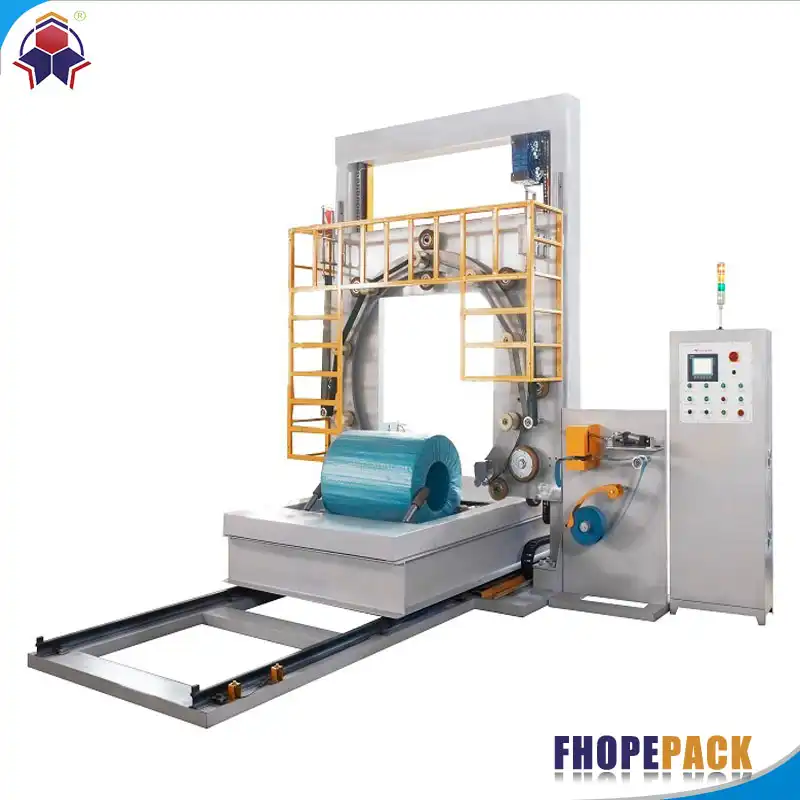
I’ve seen firsthand how a well-implemented packing solution can change a factory’s entire operation. From my early days on the factory floor to building my own successful packing machine business, I understand the real-world pressures you face. I want to share how investing in the right pipe coil wrapping technology can directly address your biggest pain points and drive your plant forward. Let’s dive deeper into how these machines can revolutionize your operations.
1. How Do Coil Wrapping Machines Dramatically Improve Production Efficiency?
Is your current packing process a bottleneck, holding back your entire production line? Many plants still rely on manual methods for packing coils, which can be incredibly slow, inconsistent, and energy-draining for workers. This inefficiency doesn’t just affect output; it creates delays, impacts delivery times, and ultimately frustrates your customers.
Automated pipe coil wrapping machines significantly improve production efficiency by providing faster, more consistent packaging speeds compared to manual labor, thereby reducing bottlenecks, increasing throughput, and ensuring a steady flow in the production line.

From my experience, I’ve seen factories struggle with this exact problem. One client, a metal processing plant in Mexico, told me about their constant battle to keep up with demand. Their manual coil packing was a huge choke point. When they switched to an automated solution, the difference was immediate and dramatic. Production lines moved smoothly, and coils were wrapped uniformly and quickly, ready for dispatch. This shift meant they could handle more orders without adding extra shifts or labor. It’s about optimizing every minute of your operation.
Key Factors Driving Efficiency Gains:
-
Speed and Throughput: Manual wrapping is inherently slow. An operator can only do so much in an hour. Pipe coil wrapping machines work at much higher speeds, consistently applying protective layers around coils. This means more coils are packed per shift, directly boosting your overall production output. Think about the difference between hand-writing letters versus using a printing press. The machine’s speed scales your capability.
- ⏱️ Faster Cycle Times: Machines complete a wrap cycle in minutes, sometimes seconds, depending on coil size and desired protection.
- 📈 Increased Volume: Plants can process significantly higher volumes of coils daily, leading to greater profitability.
- 🔄 Continuous Operation: Unlike human workers who need breaks, machines can operate continuously for extended periods, maximizing uptime. (automated coil packing speed)
-
Consistency and Quality: Manual wrapping, even by experienced workers, can vary. Some wraps might be too loose, others too tight, or inconsistent in overlap. This affects both the appearance and the protective quality of the package. Automated machines, however, apply the wrapping material with precise tension and overlap every single time. This consistency ensures a high-quality, uniform package that looks professional and offers optimal protection during storage and transport.
- 📏 Uniform Tension: The machine maintains consistent tension on the wrapping material, preventing loose or overly tight wraps.
- 🎯 Exact Overlap: Each layer overlaps precisely as programmed, ensuring complete coverage and protection without waste.
- ✨ Professional Finish: A consistent wrap contributes to a better aesthetic, reflecting positively on your brand. (consistent coil packaging quality)
-
Integration with Production Lines: Modern pipe coil wrapping machines are designed to integrate seamlessly into existing production lines. This means coils can move directly from the manufacturing process to the wrapping station, then onto storage or shipping, without manual intervention for transfer. This smooth flow minimizes handling, reduces transit time between stages, and ultimately creates a more efficient, lean manufacturing process. It’s about creating a single, unbroken chain of operations.
- 🔗 Seamless Flow: Machines can be placed at the end of production lines, directly receiving finished coils.
- 🤖 Reduced Handling: Less manual intervention means fewer chances for delays or errors during transfer.
- 🏭 Optimized Layout: Helps in designing a more efficient factory layout with fewer bottlenecks. (integrated packing systems)
By tackling these efficiency bottlenecks, plants can see a noticeable difference in their operational flow and profitability. It’s not just about doing things faster, but doing them smarter and more reliably.
2. Can Automated Coil Wrapping Significantly Enhance Workplace Safety?
Are you constantly worried about the safety of your workers, especially those handling heavy and awkward coils? The manual process of moving, securing, and wrapping large, heavy pipe coils is incredibly dangerous. Workers are at high risk of strains, sprains, crushes, and other severe injuries from lifting, bending, and maneuvering these bulky items. This isn’t just a humanitarian concern; it leads to higher insurance costs, increased absenteeism, and a revolving door of staff.
Automated pipe coil wrapping machines dramatically enhance workplace safety by eliminating the need for manual handling of heavy coils during the packing process, thus significantly reducing the risk of strains, sprains, crush injuries, and other accidents commonly associated with manual labor.

I’ve met many factory managers, like Michael Chen in Mexico, who prioritize worker safety. He told me how much he values a safe working environment. He understands that every injury is not just a cost, but a disruption to morale and productivity. When I started my own packing machine factory, safety was always a top priority. Automated systems remove people from dangerous situations. Workers can operate the machine from a safe distance, often with simple controls, dramatically lowering the chance of an incident. It’s about protecting your most valuable asset: your employees.
How Automation Reduces Safety Risks:
-
Minimizing Manual Handling of Heavy Loads: This is perhaps the biggest safety benefit. Large pipe coils can weigh hundreds or even thousands of pounds. Manually lifting, rotating, or even just positioning these for wrapping poses a significant risk of musculoskeletal injuries, back problems, and dropped loads. Automated machines are designed to handle these heavy items mechanically, with no direct human contact required during the wrapping process.
- 💪 No Heavy Lifting: Machines handle all coil manipulation, protecting workers from strain.
- 🚫 Reduced Repetitive Strain: Repetitive motions involved in manual wrapping are eliminated for staff.
- 👷 Fewer Accidents: A machine doesn’t get tired or make human errors in judgment with heavy objects. (reduced manual lifting risk)
-
Ergonomic Improvements: Even if workers aren’t directly lifting, manual wrapping often involves awkward postures, twisting, bending, and reaching over and around coils. These unnatural movements can lead to long-term ergonomic issues. Automated systems allow operators to supervise the process from a comfortable, standing position, or even from a control panel, completely removing them from the need to perform these physically demanding tasks.
- 🧍 Improved Posture: Operators supervise rather than physically wrap, promoting better ergonomics.
- 🕹️ Remote Operation: Some advanced machines can be operated via remote control, further distancing workers from moving parts.
- ⚕️ Reduced Long-Term Injuries: Lower incidence of chronic pain and injuries related to poor posture or repetitive motion. (ergonomic benefits automated packing)
-
Controlled Environment: Manual wrapping often happens in areas where coils are being moved, potentially by forklifts or cranes. This creates a dynamic, sometimes unpredictable, environment. Automated wrapping machines operate in a more controlled, enclosed, or guarded space. They can be integrated with safety sensors, light curtains, and emergency stop buttons that shut down operations instantly if an issue arises or a person enters a danger zone. This creates a much safer, more predictable workspace.
- 🛑 Safety Features: E-stop buttons, safety gates, and sensors are standard.
- 🚧 Guarded Work Zones: Moving parts are often enclosed or guarded, preventing accidental contact.
- 🚨 Proactive Hazard Detection: Sensors can detect obstructions or unauthorized entry into the machine’s operating area. (automated packing safety features)
By investing in these machines, you’re not just buying equipment; you’re investing in the well-being of your workforce. This leads to happier employees, lower turnover, and a more robust safety record for your plant.
3. What Impact Do These Machines Have on Product Protection and Quality?
Are your valuable pipe coils arriving at customer sites with dents, scratches, or moisture damage? Product damage during internal transfer, storage, or transit is a major concern for manufacturers. Each damaged coil leads to customer complaints, costly returns, rework, and ultimately, a loss of profit and reputation. Manual wrapping often provides inconsistent protection, leaving products vulnerable to the harsh realities of the supply chain.
Pipe coil wrapping machines significantly improve product protection and quality by applying a consistent, tight, and uniform protective barrier around coils, safeguarding them from dust, moisture, scratches, and impacts during handling, storage, and transportation, thus reducing damage and enhancing customer satisfaction. %Horizontal steel coil wrapping machine providing robust protection
I recall a situation where a client was losing a significant amount of revenue due to damaged steel coil edges. Their manual wrapping simply wasn’t cutting it. The edges were exposed, leading to rust and deformation. When they implemented a specialized horizontal coil wrapping machine from FHOPEPACK, designed to tightly secure the outer diameter, the damage complaints dropped dramatically. This wasn’t just about saving money; it was about delivering on their promise of quality to their customers. High-quality packaging reflects a high-quality product.
Enhancing Product Integrity:
-
Superior Protection from External Elements: Pipe coils are susceptible to various environmental factors. Moisture can cause rust and corrosion, dust and dirt can contaminate surfaces, and UV exposure can degrade materials. Automated wrapping machines apply a consistent, multi-layered barrier using stretch film, VCI film, or woven fabric, creating a robust shield against these elements. This means your products maintain their pristine condition from your factory floor to the end-user.
- 💧 Moisture Barrier: Tightly sealed wraps prevent water ingress, stopping rust and corrosion.
- 💨 Dust and Dirt Shield: Fully enclosed wraps keep contaminants away from sensitive surfaces.
- ☀️ UV Resistance (with specific films): Certain films can offer protection against sun exposure, preventing material degradation. (coil corrosion prevention)
-
Minimizing Physical Damage: During loading, unloading, and transit, coils can bump against other objects, leading to dents, scratches, or deformation. Manual wrapping might offer some protection, but automated machines ensure every part of the coil, especially vulnerable edges and surfaces, is securely covered. The tight, consistent wrap helps to absorb minor impacts and prevents shifting of the coils, which could cause internal damage or external wear.
- 🛡️ Impact Absorption: Multiple layers of film provide cushioning against minor bumps.
- 🔒 Secure Load: The tight wrap keeps the coil’s structure stable, preventing internal shifts.
- 📏 Edge Protection: Specific machine designs or added corner protectors can shield vulnerable edges. (coil damage reduction)
-
Consistent Packaging for Branding: Your packaging is often the first physical impression a customer has of your product. Inconsistent, poorly wrapped coils can signal a lack of attention to detail, even if the product itself is high quality. Automated systems ensure every coil is wrapped identically, creating a professional, uniform appearance. This consistency not only protects the product but also reinforces your brand’s commitment to quality and professionalism.
- 🎨 Professional Appearance: Uniform wraps present a polished, high-quality image.
- 🏷️ Brand Reinforcement: Consistent packaging supports brand recognition and value.
- 📦 Customer Confidence: Reliable packaging builds trust with clients, showing care for the product. (professional coil packaging)
By ensuring every coil leaves your plant perfectly protected and presented, you significantly reduce claims, improve customer satisfaction, and build a stronger reputation in the market. This turns your packaging process from a potential liability into a genuine asset.
4. How Do Pipe Coil Wrapping Machines Lead to Substantial Cost Savings?
Are rising labor costs, material waste, and product damage eating into your profit margins? Many factory managers, like Michael Chen, are under constant pressure to optimize costs without sacrificing quality or output. Manual packing methods, while seemingly cheaper upfront, often hide significant long-term expenses through inefficiency, injuries, product loss, and excessive material use.
Pipe coil wrapping machines generate substantial cost savings for plants by significantly reducing labor expenses, minimizing packaging material waste, lowering product damage rates, and improving overall operational efficiency, leading to a strong return on investment (ROI).
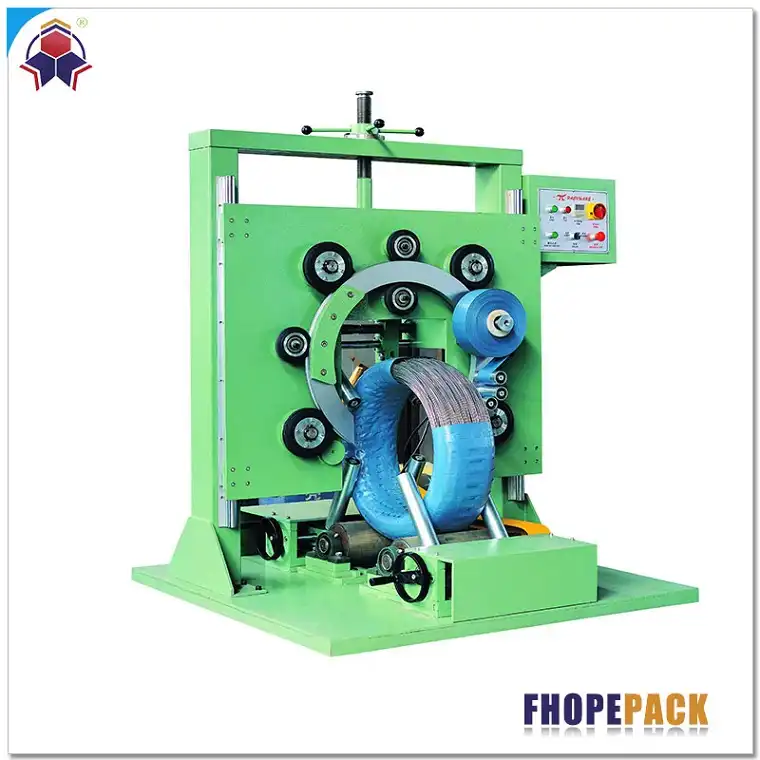
I’ve seen many companies hesitant to invest in automation because of the upfront cost. But I always tell them to look at the total cost of ownership. One small steel plant I worked with was using three people for eight hours a day just to manually wrap coils. We calculated their annual labor cost for packing, plus the cost of damaged goods. After installing an automated FHOPEPACK machine, they reallocated two of those workers to more skilled tasks, reduced material usage by 15% due to precise wrapping, and cut product damage by over 90%. Their ROI was clear within two years. This isn’t just about saving money; it’s about smart investment.
A Deeper Look at Cost Reduction:
-
Reduced Labor Costs: This is often the most significant and immediate saving. An automated pipe coil wrapping machine can perform the work of multiple manual laborers. This doesn’t necessarily mean layoffs; it means you can reallocate staff to other, more value-added roles within the plant, addressing skill gaps or increasing capacity in other areas. This optimization of human resources directly impacts your payroll expenses.
- 🧑🏭 Fewer Hands Needed: One operator can often supervise multiple machines or other tasks.
- 💲 Lower Overtime: Machines don’t require overtime pay for increased output.
- ✅ Resource Reallocation: Staff can be moved to skilled roles, improving overall plant productivity. (labor savings automated packing)
-
Minimized Material Waste: Manual wrapping can be inefficient with materials. Workers might use more film than necessary, or apply it unevenly, leading to wasted overlap or exposed areas that then require re-wrapping. Automated machines are programmed for precision. They apply the exact amount of film needed, with consistent tension and overlap, minimizing waste. Many modern machines also have pre-stretch capabilities, which can make a single roll of film stretch further, directly reducing your material consumption costs.
- ♻️ Precise Film Application: Eliminates excessive use of stretch film or other materials.
- 💰 Pre-Stretch Functionality: Allows film to be stretched significantly before application, maximizing yield.
- 🗑️ Reduced Rework: Consistent wrapping means fewer coils need to be re-wrapped due to poor quality. (packaging material optimization)
-
Lowered Product Damage and Returns: As discussed, superior product protection directly translates to financial savings. Every damaged coil that needs to be reworked, returned, or scrapped represents a direct financial loss. There are also indirect costs like administrative overhead for processing complaints, damage to customer relationships, and expedited shipping for replacements. By drastically reducing product damage, these machines protect your bottom line.
- 📉 Fewer Returns: Less product damage means fewer returns and associated costs.
- 📈 Improved Customer Satisfaction: Happy customers are repeat customers, boosting long-term revenue.
- ⚖️ Reduced Insurance Claims: Fewer incidents of damage can lead to lower insurance premiums over time. (reduced product loss costs)
-
Enhanced Operational Efficiency and ROI: Beyond the direct savings, the overall boost in efficiency contributes to a healthier bottom line. Faster throughput means you can fulfill orders more quickly, improve lead times, and potentially take on more business. The reliability of automated equipment reduces unexpected downtime compared to human error or fatigue. All these factors contribute to a strong return on your initial investment, making it a strategic upgrade for any forward-thinking plant.
- 🚀 Faster Time-to-Market: Quicker packing means products reach customers sooner.
- 🛠️ Reliable Operation: Machines offer predictable performance, reducing unexpected stoppages.
- 🎯 Clear ROI: The measurable savings in labor, material, and damage provide a tangible return on investment. (packing automation ROI)
These cost savings are not merely theoretical; they are tangible results that I have seen transform businesses, helping them achieve financial independence and growth, just as my own journey in the packing industry did for me.
Conclusion
Investing in pipe coil wrapping machines offers plants clear, measurable benefits, from boosting efficiency and enhancing safety to ensuring product quality and delivering significant cost savings. For any factory manager looking to modernize operations and secure a competitive edge, these machines are a strategic necessity. They truly master your col wrapping machine needs.