
How Do Hose Coil Packing Machines Save Time vs Manual Wrapping?
Are you tired of slow, labor-intensive manual wrapping for your coiled products? Do your production lines often bottleneck at the packing stage, delaying shipments and eating into your profits? I know this feeling well. As someone who built a packing machine factory from the ground up, I’ve seen countless businesses struggle with outdated methods. Every minute spent on inefficient packing is a minute lost, impacting your bottom line and frustrating your team. Manual wrapping is not just slow; it’s a drain on resources and a constant source of worry. What if I told you there’s a proven way to dramatically speed up your packing process, reduce costs, and free your skilled workers for more valuable tasks? The answer lies in modern hose coil packing machines. These machines are not just equipment; they are game-changers for operational efficiency.
Hose coil packing machines save significant time compared to manual wrapping by automating repetitive tasks, increasing wrapping speed, and ensuring consistent, high-quality packaging. They can process dozens of coils per hour, where manual methods might only achieve a fraction of that, drastically reducing labor hours and accelerating overall production throughput.
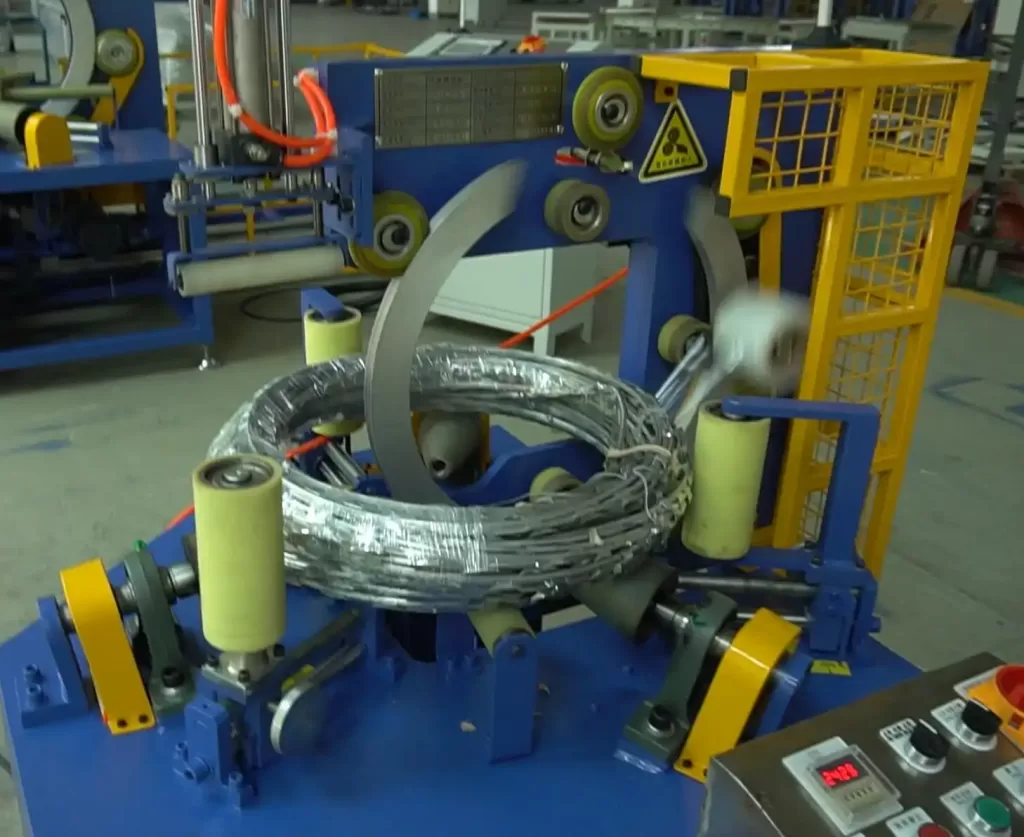
The difference between old-school manual wrapping and a state-of-the-art packing machine is like night and day. But how exactly do these machines transform your operation? Let’s dive deeper into the specific ways they boost efficiency, enhance safety, and protect your bottom line, drawing from my decades of experience in the packing machine industry.
1. How Much Faster Are Hose Coil Packing Machines Than Manual Methods?
Are your workers spending hours manually wrapping heavy hose coils, struggling with film application, and slowing down your entire production line? This bottleneck can severely limit your output. I’ve witnessed firsthand how a slow packing process can undo all the efficiency gains made earlier in manufacturing. The frustration of watching perfectly good products pile up, waiting to be hand-wrapped, is a common pain point for factory managers like Michael Chen. This delay directly impacts delivery times and customer satisfaction. The most immediate benefit of an automated hose coil packing machine is its incredible speed. It transforms a laborious, time-consuming task into a rapid, streamlined process.
Hose coil packing machines are dramatically faster than manual methods, often completing a coil wrap in minutes compared to 15-30 minutes or more by hand. This speed increase allows factories to process anywhere from 10 to 60 coils per hour, significantly boosting daily output and shortening lead times.

Let’s consider the practical implications of this speed difference. Imagine a factory that produces 200 coils per day. With manual wrapping, if each coil takes 20 minutes, that’s 4,000 minutes, or over 66 hours of labor. This would require many workers dedicated solely to packing, working multiple shifts. A modern automated packing machine, like those from FHOPEPACK, can wrap a coil in under 3 minutes. For 200 coils, this means only 600 minutes, or 10 hours. This is a massive reduction in operational time and labor intensity. Automated machines use advanced systems to apply wrapping materials, like stretch film or woven fabric, quickly and uniformly. They eliminate the need for workers to physically walk around the coil multiple times. This not only speeds up the wrapping process itself but also removes downtime associated with material handling and worker fatigue. The consistent motion of the machine ensures that the film is applied with optimal tension, avoiding breaks or loose wraps that would require re-doing. In my experience, watching a manual operation struggle with a large coil versus seeing an automatic machine swiftly and efficiently complete the same task is truly eye-opening. For businesses focused on scaling up production and meeting tight deadlines, this difference in speed translates directly into increased capacity and improved customer service. It allows factories to handle larger orders without proportional increases in labor, driving down the per-unit cost of packing. This kind of efficiency is crucial for maintaining a competitive edge in today’s demanding market, especially for heavy industries like steel or metal processing where high volumes are common. (coil packing speed, automatic wrapping efficiency, production throughput increase)
2. Do Automated Coil Packing Machines Really Improve Worker Safety and Reduce Labor Costs?
Are you constantly worried about workplace injuries from manual handling of heavy coils? High injury rates not only lead to human suffering but also push up insurance costs and worker turnover. For factory managers, nothing is more critical than worker safety. I’ve seen the devastating impact of accidents that could have been prevented. The financial burden of medical costs, compensation, and lost productivity, coupled with the emotional toll on the team, is immense. Manual handling of large or heavy coils is inherently risky, no matter how careful your team is. Automated coil packing machines offer a direct solution to these safety concerns, fundamentally transforming the work environment and bringing significant labor cost savings.
Automated coil packing machines drastically improve worker safety by eliminating the need for manual lifting, carrying, or walking around heavy, awkward coils during wrapping. This reduction in physical strain directly lowers the risk of musculoskeletal injuries and accidents. Simultaneously, by automating the packing process, these machines significantly cut down on direct labor costs associated with manual wrapping, freeing up personnel for other critical tasks.
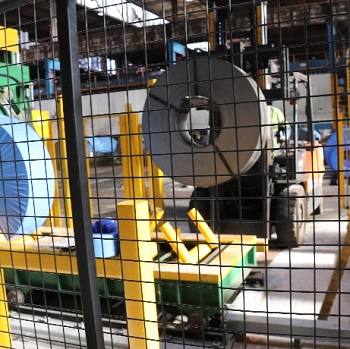
Let’s think about the typical risks involved in manual coil packing. Workers often have to maneuver heavy, sometimes unstable, coils. They manually stretch and apply film, which can lead to strains, slips, and falls. The repetitive motions can cause long-term injuries like carpal tunnel syndrome or back problems. In a factory environment, especially one dealing with metal or heavy goods, these risks are amplified. Michael Chen’s concerns about high injury risks and insurance costs are very real and valid. Automated machines remove workers from these hazardous zones. Operators typically only need to load the coil (often with a forklift or crane, not by hand) and then supervise the machine from a safe distance. The machine itself handles all the strenuous and risky parts: rotating the coil, applying the film, and securing the package. This fundamental shift reduces direct contact with heavy loads and moving parts, creating a much safer workspace. From a labor cost perspective, the benefits are equally compelling. Instead of dedicating multiple workers to manual packing shifts, one or two operators can manage several automated machines. This allows factories to reallocate their workforce to tasks that require human judgment, problem-solving, or specialized skills, thus improving overall factory productivity. The initial investment in a machine pays for itself through reduced injury claims, lower insurance premiums, and a more efficient allocation of human resources. My experience in factory management taught me that investing in safety and efficiency always yields positive returns, both financially and in terms of employee morale. (worker safety in packing, labor cost reduction automation, industrial accident prevention)
3. How Do Modern Packing Machines Protect My Coils Better Than Hand Wrapping?
Are you experiencing product damage during internal transport or shipping, leading to customer complaints and financial losses? Inconsistent manual wrapping often leaves valuable products exposed to risks. I’ve seen countless times how perfectly manufactured products can get damaged at the very last stage – packing. Whether it’s scuffed edges on a steel coil or a broken wire bundle, product loss due to poor packaging is preventable. This not only hurts your profit margins but also damages your reputation with clients who expect pristine deliveries. Modern coil packing machines provide superior, consistent protection, safeguarding your products from the factory floor to the customer’s site.
Modern packing machines protect coils better than hand wrapping by applying consistent, uniform tension and overlap of wrapping materials, creating a more durable and secure package. This automated precision ensures comprehensive coverage, guarding against physical damage, moisture, dust, and corrosion during handling, storage, and transit, thereby significantly reducing product loss and customer complaints.

The consistency achieved by an automated machine is almost impossible to replicate with manual wrapping. When humans hand-wrap, factors like fatigue, rush, or varied skill levels can lead to inconsistent tension, uneven overlaps, or missed spots. These imperfections create weak points in the packaging, making the coil vulnerable to damage. For example, the edges of steel coils, which Michael Chen mentioned, are particularly susceptible to impact damage if not properly protected. Automated machines, on the other hand, apply wrapping material with pre-set, precise tension and overlap parameters. This creates a tight, consistent, and uniform protective layer around the entire coil. Whether it’s stretch film, woven fabric, or VCI paper, the machine ensures optimal application. This consistent barrier is far more effective at protecting against abrasions, impacts, moisture, and dust, which are common threats during handling, warehousing, and transportation. Furthermore, many advanced coil packing machines, like those FHOPEPACK offers, can be integrated with various wrapping materials to provide multi-layered protection. This might include VCI (Volatile Corrosion Inhibitor) film for rust prevention, or thicker, more robust external layers for heavy-duty protection. This level of customized, systematic protection is simply not feasible or economically viable with manual methods. By reducing product damage, factories save money on rework, returns, and lost sales, directly contributing to improved profitability and customer satisfaction. This proactive approach to quality control at the packing stage ensures that the effort put into manufacturing isn’t undermined by inadequate protection. (product damage prevention, consistent coil packaging, superior product protection)
4. What Is The Real ROI Of Investing In A Hose Coil Packing Machine For My Factory?
You’re considering a significant investment in automation, but you need to be sure it will genuinely deliver financial returns. How can you confidently justify the cost of a new packing machine? Many factory managers, including those I’ve worked with, are wary of investing in new equipment if the payback isn’t clear. Past experiences with underperforming suppliers or solutions that didn’t deliver promised savings can make you cautious. You need tangible evidence that this investment will truly pay off. Investing in a high-quality hose coil packing machine provides a clear and compelling return on investment (ROI) by reducing operational costs, improving efficiency, and boosting overall profitability.
The real ROI of investing in a hose coil packing machine stems from multiple benefits: significantly reduced labor costs, decreased material waste, lower product damage rates, improved worker safety leading to fewer claims, and increased production throughput. These combined factors result in substantial operational savings and enhanced capacity, typically leading to a payback period of 12-24 months for a well-chosen machine.
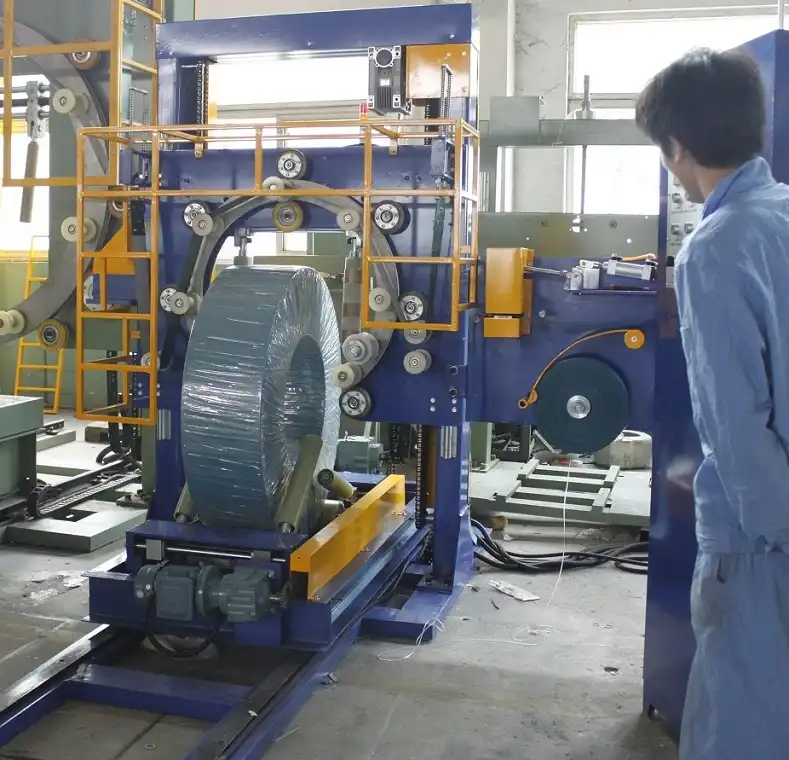
Calculating the ROI for an automated packing machine involves looking beyond just the initial purchase price. We must consider the direct and indirect savings. Here’s a breakdown of how a hose coil packing machine delivers its return:
Key Components of ROI for Automated Coil Packing:
- Labor Savings: Automated machines can significantly reduce the need for manual laborers. Instead of dedicating multiple workers to manual packing shifts, one or two operators can manage several automated machines. This reallocates your workforce to more value-adding tasks, saving on salaries, benefits, and training costs over time. 💰
- Material Efficiency: Precision is key. Automated machines optimize film usage by applying wrapping material with consistent, exact tension and overlap. This minimizes waste that often occurs with over-wrapping or improper application during manual processes, directly lowering your material expenditure. ♻️
- Reduced Product Damage: Fewer damaged products mean fewer customer complaints, fewer returns, and less scrap material. Michael’s concern about product damage is a costly issue that automation directly addresses, positively impacting your profit margins and brand reputation. ✅
- Safety Cost Reduction: A safer workplace translates to fewer worker compensation claims, reduced insurance premiums, and less downtime due to accidents. Improved safety also boosts employee morale and retention, creating a more stable and productive team. 👷
- Increased Throughput & Revenue: By eliminating packing bottlenecks, your entire production line can operate more smoothly and at a higher capacity. This means you can produce and ship more products faster, leading to higher revenue potential and improved market responsiveness. 🚀
When evaluating suppliers, it’s crucial to partner with experts who understand these calculations. For example, at FHOPEPACK, we pride ourselves on providing not just machines, but complete solutions. We’ve helped many clients, including those with operations similar to Michael’s, analyze their current costs and project the exact savings they can expect. This is where my personal experience, from an employee to a factory owner, allows me to truly understand a manager’s perspective. Our machines are designed for durability and minimal maintenance, further contributing to long-term savings. While there are other reputable brands like SHJLPACK and CNBHPAC, FHOPEPACK offers unparalleled expertise and comprehensive support, ensuring your investment is sound and yields maximum returns. (packing machine investment return, automation cost-benefit analysis, factory efficiency ROI)
Conclusion
Investing in a modern automated coil wrapping machine drastically saves time, enhances safety, protects product quality, and delivers a strong ROI, revolutionizing your factory’s operational efficiency.








