
What are the Essential Components of a Hose and Pipe Coil Packing Machine?
Manual coil packing methods often create big problems. They are slow, risky for your workers, and can easily damage your valuable products. This outdated way of working acts like a bottleneck in your factory. It holds back your entire production line and impacts safety. Are you feeling these pressures right now?
The main parts of a hose and pipe coil packing machine include the loading and conveying system, the wrapping unit, the film feeding and cutting mechanism, the tensioning device, and the intuitive control panel. All these parts work together. They ensure efficient and secure packaging for your coils.
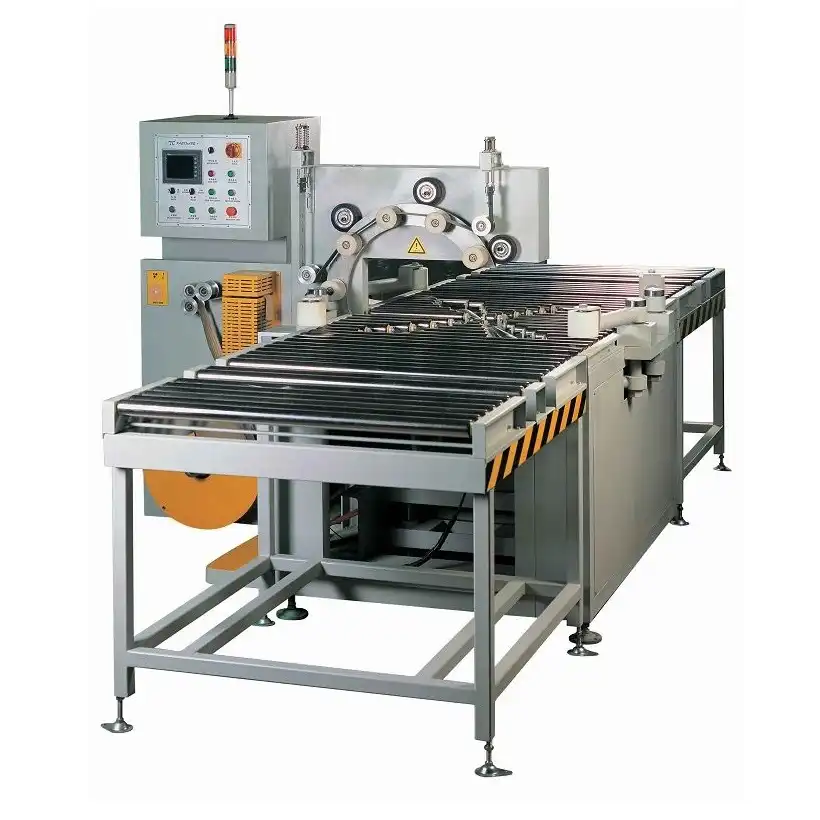
As a factory owner, I have seen these problems firsthand. I know the pressure to improve operations while keeping costs down. You want solutions that truly work. Understanding each key component of a modern coil packing machine is the first step. It helps you unlock better efficiency and safety. Let’s look closer at each critical part.
1. How Does a Coil Packing Machine Load and Position the Product?
Manual handling of heavy coils is a huge risk. It is also a major bottleneck in any production line. Are you tired of slow loading processes? Do you constantly worry about worker safety during this crucial step?
The loading and positioning system in a coil packing machine makes sure coils move into the wrapping area safely and correctly. It often uses conveyors, specialized pushers, or hydraulic lift tables. This system handles heavy coils with precision. It reduces manual effort and increases safety.
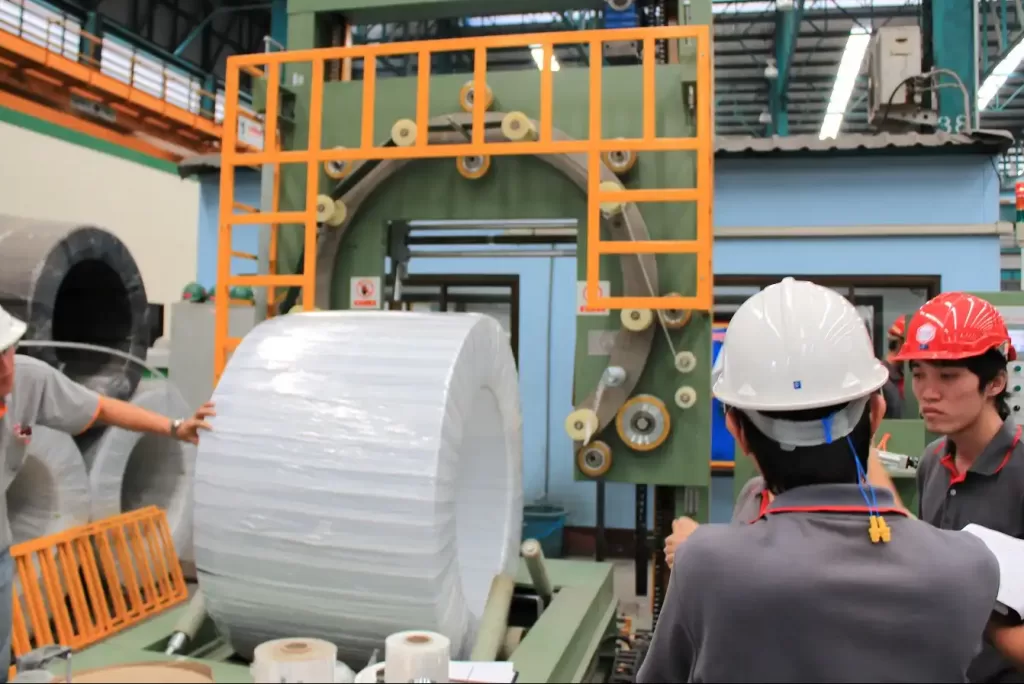
Why a Robust Loading System Matters
From my own factory experience, I can tell you that the loading phase sets the tone for the entire packing process. A poor loading system can lead to damaged products, slow cycles, and high risks. Investing in a strong, automated loading system is not just about speed. It is about protecting your product and your people. When I built my factory, I prioritized systems that removed the need for manual lifting of heavy items. This cut down on potential injuries. It also made operations smoother. It is a smart business decision.
Consider these common components:
- Conveyor Systems: These move coils automatically.
- Roller Conveyors: Good for moving coils horizontally. They offer smooth transport.
- Chain Conveyors: Stronger for very heavy or irregularly shaped coils. They provide robust support.
- Coil Pushers: These devices gently push coils from the conveyor into the wrapping position. They ensure accurate placement.
- Lift Tables or Platforms: Hydraulic or electric tables can lift coils to the correct wrapping height. This is crucial for large, heavy coils.
- Centering Devices: These automatically adjust the coil’s position. They ensure it is perfectly centered for wrapping. This prevents uneven wrapping or product damage.
These systems directly address common factory challenges. For example, manual loading often causes scratches or dents on coil edges. An automated system prevents this. It moves coils smoothly and precisely. It also frees up your skilled workers. They can focus on more value-added tasks. This approach reduces overall labor costs. It also boosts your factory’s total efficiency. A well-designed loading system improves throughput. It also ensures product integrity from the very start of the packing line. (automated coil handling, product damage prevention)
| Feature | Manual Loading | Automated Loading (FHOPEPACK) |
|---|---|---|
| Safety | 🚨 High risk of worker injury, strain | ✅ Significantly reduced risk, improved worker safety |
| Efficiency | ⏱️ Slow, inconsistent, prone to bottlenecks | 🚀 Fast, consistent, high throughput |
| Product Damage | 📉 Higher risk of scratches, dents, deformities | ✅ Minimized product damage due to precise handling |
| Labor Cost | 💰 High reliance on manual labor | ⬇️ Reduced labor costs, optimized workforce |
| Consistency | ⚠️ Varies with operator skill and fatigue | ✔️ Uniform positioning, repeatable process |
| Capacity | Limited by human strength and speed | High capacity, suitable for large production volumes |
2. What is the Core Wrapping Mechanism in a Hose and Pipe Coil Packer?
The real magic of protection happens at the wrapping unit. Is your current method failing to protect your products effectively? Are you seeing coils arrive at customers with insufficient or damaged packaging?
The core wrapping mechanism is often called the wrapping ring or orbital wrapper. It rotates packaging film around the coil. The coil itself stays still or moves slowly. This process applies a tight, protective layer. It secures the hose or pipe bundle from all sides.
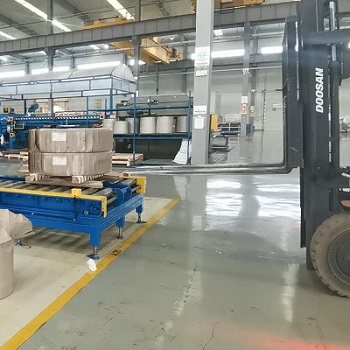
The Heart of Protection: Orbital Wrapping
When I look at packing solutions, the wrapping mechanism is where quality truly stands out. A reliable wrapping unit is key to preventing product loss and customer complaints. I have seen how a poorly wrapped coil can lead to expensive returns and damaged reputations. That is why FHOPEPACK focuses on designing robust wrapping units. They ensure maximum protection. This protection lasts through handling, shipping, and storage. It is an investment that pays off by securing your product and your business.
Let’s break down the main parts of this system:
- Wrapping Ring (Orbital Ring): This is the central component. It is a large, sturdy ring. It rotates around the coil. The ring holds the film carriage.
- Film Carriage: This part holds the roll of wrapping material (e.g., stretch film, VCI film). It moves around the coil with the ring.
- Film Tensioning Device: This system controls how tightly the film wraps around the coil. Correct tension is vital. It ensures the package is secure. It also prevents film breakage. Adjustable tension allows for different coil sizes and weights.
- Film Delivery and Guiding System: This ensures the film unwinds smoothly from the roll. It guides the film onto the coil without snags or wrinkles.
- Ring Drive System: This includes motors and gears. They power the rotation of the wrapping ring. They ensure smooth, consistent operation.
Different types of packaging materials can be used with this system. Stretch film is common for its elasticity and protection. VCI (Volatile Corrosion Inhibitor) film offers extra protection against rust for metal coils. The choice depends on your product’s needs. A good wrapping machine can handle various films. It ensures optimal wrap quality. This protects against dust, moisture, and impact. It also keeps your product looking professional. This is crucial for customer satisfaction. (orbital wrapping technology, durable packing materials)
| Feature | Importance | Benefit to Factory Operations (Michael Chen) |
|---|---|---|
| Wrapping Speed | High speed increases throughput | Boosts production, meets delivery deadlines |
| Tension Control | Ensures tight, secure wrap, prevents damage | Reduces product loss, improves package integrity |
| Film Overlap | Consistent overlap for full coverage | Ensures complete protection, professional look |
| Material Versatility | Handles different film types (e.g., VCI) | Adapts to various product protection needs |
| Durability | Machine parts withstand continuous use | Less downtime, lower maintenance costs |
3. How Do Coil Packing Machines Secure and Finish the Wrapped Product?
A great wrap is only half the battle. After the film is applied, how do you ensure your coils stay perfectly protected during transit and storage? What methods guarantee the package remains intact and secure?
After the wrapping process, machines use specific mechanisms to secure the film. This often includes automatic film cutting, heat sealing, or tape application. These steps make sure the package is complete and remains intact. This protects the coil until it reaches the end customer.
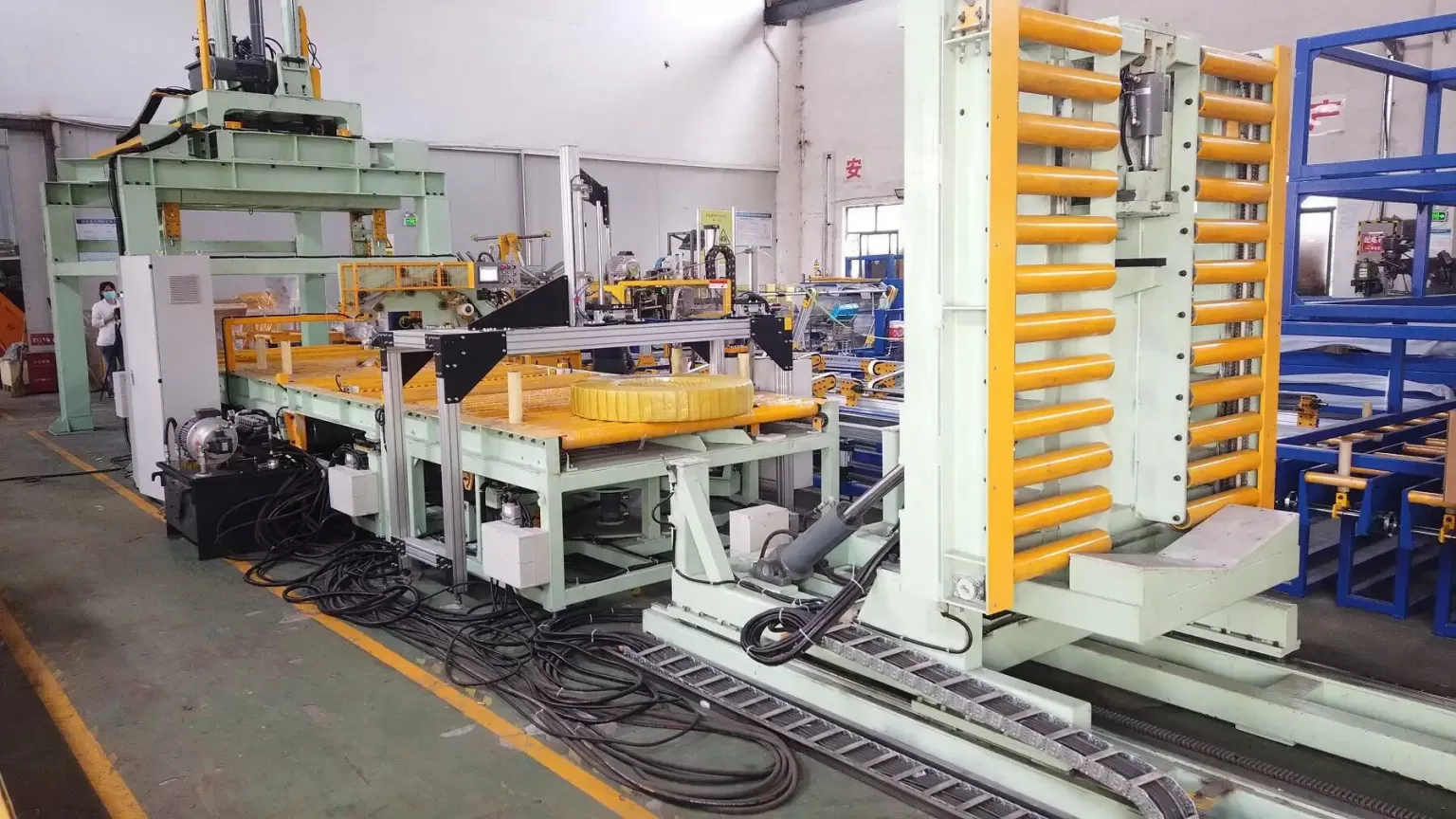
Beyond the Wrap: Securing Your Investment
Finishing the package properly is just as important as the wrap itself. In my years of running a factory, I learned that customer satisfaction often comes down to the final presentation and integrity of the product. A coil might be perfectly wrapped, but if the film is not secured, it can unravel. This leads to damage. It disappoints customers. FHOPEPACK designs machines that pay close attention to these final details. We make sure your investment is protected. We also make sure your customers receive a product that is ready for use. This builds trust and repeats business.
The finishing stage involves several key actions:
- Film Cutting Mechanism:
- Automatic Cutters: Once the desired number of wraps is complete, an automated blade or hot wire cuts the film cleanly. This eliminates the need for manual cutting.
- Pneumatic or Electric: These systems use air pressure or an electric motor to operate the cutting blade. They ensure quick and precise cuts.
- Film Sealing/Fastening:
- Heat Sealing: For certain film types, heat is used to fuse the end of the film to the previous layer. This creates a very strong and secure bond.
- Tape Application: An automatic dispenser can apply a piece of strong tape to the film end. This secures it firmly against the coil.
- Film Clamp: After cutting and before the next cycle, a clamp holds the leading edge of the film. This keeps it ready for the next coil.
- Optional Strapping/Tying: For extra security, some machines integrate strapping units. These apply steel or plastic straps around the wrapped coil. This provides additional reinforcement, especially for very heavy or irregularly shaped products.
These finishing components are critical. They prevent the film from unraveling. They protect the coil during rough handling or long transport. They also ensure a professional appearance. This reflects positively on your brand. By automating these steps, you reduce human error. You also increase the consistency of your packaging. This translates directly to fewer customer complaints. It also means higher product integrity. This is a clear win for any factory manager focused on quality. (automatic film cutting, secure coil packaging)
graph LR
    A[Coil Wrapped] --> B{Film Cut?}
    B -- Yes --> C{Film Secured?}
    B -- No --> D[Re-Wrap]
    C -- Heat Seal/Tape --> E[Package Complete]
    C -- Strapping/Tying --> F[Extra Reinforcement]
    E --> G[Ready for Shipment]
    F --> G
4. What Intelligent Systems Control the Entire Coil Packaging Process?
In today’s fast-moving factories, smart control is no longer a luxury. It is a absolute necessity. Are you still relying on guesswork? Are you losing valuable production time due to manual adjustments and unforeseen errors?
Intelligent control systems, typically PLC-based with user-friendly HMI interfaces, are the brains of modern coil packing machines. They manage every aspect. This includes speed, film tension, safety interlocks, and diagnostics. They optimize performance. They also minimize downtime. They help integrate the packing line into your wider factory operations.
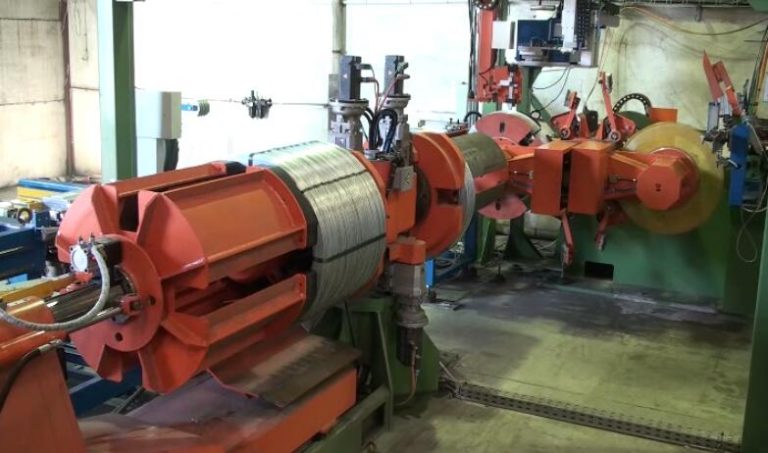
The Brains of the Operation: PLC and HMI
During my time establishing and running my own factory, I quickly realized that the control system is paramount. A machine is only as good as its controls. A well-designed control system boosts efficiency. It reduces errors. Most importantly, it keeps your workers safe. FHOPEPACK understands this deeply. We focus on building intuitive and reliable control systems. These systems empower operators. They also provide critical data for managers like Michael. This helps you make informed decisions. It drives continuous improvement.
Key components of an intelligent control system include:
- Programmable Logic Controller (PLC): This is the core computing unit. It executes the programmed logic. It controls all machine functions. It processes inputs from sensors. It sends outputs to motors and actuators.
- ⚙️ Logic Control: Manages wrapping cycles, cutting, and sealing.
- ⏱️ Timing & Sequencing: Ensures each step happens at the right time.
- ⚠️ Error Handling: Identifies and responds to faults.
- Human Machine Interface (HMI): This is the touchscreen display. It allows operators to interact with the machine.
- 🖥️ User-Friendly Interface: Easy to set parameters, monitor status, and troubleshoot.
- 📊 Real-time Monitoring: Displays current operating data, such as speed, film usage, and error messages.
- 📈 Recipe Management: Stores different packing settings for various coil types. This allows for quick changeovers.
- Sensors: These detect various conditions.
- Proximity Sensors: Detect coil presence and position.
- Film Break Sensors: Alert operators if the film runs out or breaks.
- Safety Sensors: Light curtains or safety mats stop the machine if a person enters a dangerous zone.
- Safety Interlocks: These are crucial. They prevent machine operation if safety conditions are not met. This includes emergency stop buttons and guarded access points. They keep operators safe.
- Diagnostics and Alarms: The system provides detailed error messages. It helps operators and maintenance staff quickly identify and fix problems. This reduces downtime.
- Integration Capabilities: Modern PLCs can communicate with other factory systems. This includes MES (Manufacturing Execution Systems) or ERP (Enterprise Resource Planning). This allows for seamless data exchange and overall factory automation.
These intelligent systems address Michael’s core challenges directly. They boost automation. This reduces reliance on manual tasks. They improve worker safety through robust interlocks and sensors. They also provide data. This data helps reduce costs and enhance overall profitability. With such a system, you are not just buying a machine. You are investing in a smarter, safer, and more productive factory future. (PLC control systems, HMI for packaging, smart factory integration)
Conclusion
Understanding the main parts of a coil packing machine is key for efficiency, safety, and reliability. Investing in high-quality coil wrapping machine solutions makes a real difference.








