
What Is the Energy Consumption of a Typical Pallet Changer?
As a packing machine engineer, I have seen firsthand how critical efficiency is in warehouse operations. Many clients, like Carlos in Spain, face constant pressure to optimize every process. They worry about rising costs, labor shortages, and meeting tight deadlines. When considering new equipment, one question often comes up: what about the operational costs, especially electricity? It is a fair question, and one that deserves a clear answer when looking at advanced solutions like pallet changers. (warehouse operational efficiency)
A typical pallet changer’s energy consumption can vary significantly, usually ranging from 3 kW to 15 kW per cycle or per hour of continuous operation, depending on the model, load capacity, and type of hydraulic or electric system it uses. Smaller, semi-automatic units might be at the lower end, while large, fully automatic systems handling heavy loads will consume more power. This energy usage directly impacts your operational costs and environmental footprint, making it a key factor for smart warehouse managers to consider.
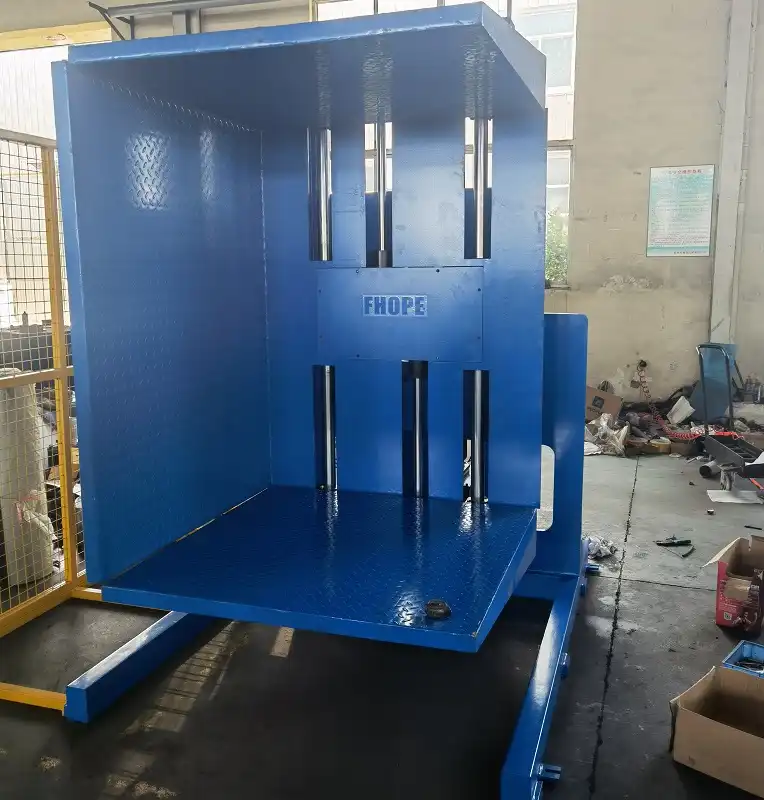
Understanding energy consumption is more than just knowing a number. It is about understanding the impact on your bottom line, your team’s safety, and your company’s sustainability goals. If you are serious about optimizing your warehouse, cutting costs, and keeping operations smooth, then diving deeper into this topic is essential. Let’s explore the factors that drive this consumption and how you can make informed decisions. (optimizing warehouse operations)
Why Should You Care About Pallet Changer Energy Use?
Many managers focus solely on the initial purchase price of equipment, but the true cost of ownership goes far beyond that. For warehouse managers like Carlos, who oversee extensive operations, ignoring energy consumption is like overlooking a constant leak in the budget. It erodes profitability over time and can hinder efforts to modernize the facility. In a world where every penny counts and environmental responsibility is growing, energy efficiency is not just a bonus; it is a necessity. (total cost of ownership)
Caring about pallet changer energy use means you are looking at long-term operational costs, aiming for greater sustainability, and ensuring compliance with growing environmental regulations. High energy consumption translates directly into higher electricity bills, reducing profit margins. Additionally, choosing energy-efficient machines supports a greener supply chain, which is increasingly important for customer perception and corporate social responsibility goals.
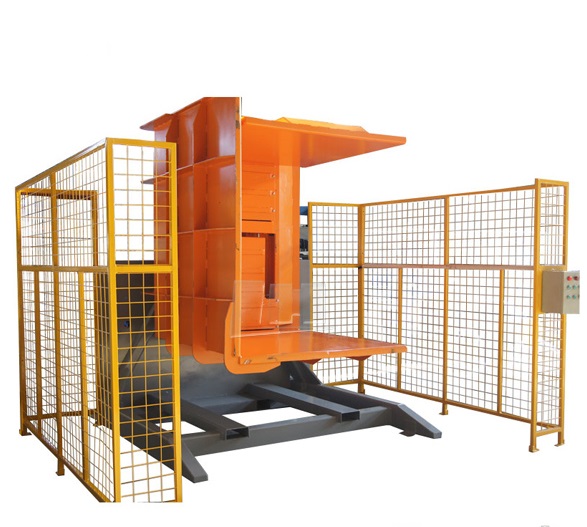
This commitment to energy efficiency links directly to the bigger picture of warehouse management. When I help clients optimize their packing lines, we always talk about more than just speed. We talk about overall effectiveness. For Carlos, dealing with thousands of pallets daily, even small energy savings per cycle can add up to significant figures annually. It is not just about reducing the electricity bill. It is also about creating a more resilient and future-proof operation.
-
Economic Impact on Operating Costs:
- Direct Electricity Bills: This is the most obvious impact. Every kilowatt-hour consumed by the pallet changer adds to your monthly utility expenses. In high-volume operations, these costs can become substantial. For a large food and beverage group like Carlos’s, where thousands of pallets are moved and swapped daily, even marginal increases in energy efficiency per machine can result in tens of thousands of Euros saved annually. This directly impacts the company’s profitability and helps allocate resources to other critical areas.
- Maintenance and Longevity: Machines that are less energy-efficient sometimes have components that work harder, leading to faster wear and tear. This can result in increased maintenance frequency and higher replacement costs over the machine’s lifespan. An optimized, energy-efficient system often indicates better engineering, potentially leading to fewer breakdowns and a longer operational life, which reduces the total cost of ownership.
- Investment Payback Period: The initial investment in a high-quality, energy-efficient pallet changer might be slightly higher. However, the energy savings over time can significantly shorten the payback period for this investment. This makes the business case for upgrading equipment much stronger for financial planners.
-
Environmental Footprint and Sustainability Goals:
- Reduced Carbon Emissions: Lower energy consumption means a reduced reliance on electricity generated from fossil fuels, thus lowering the carbon footprint of the warehouse operation. This is crucial for companies aiming to meet environmental targets and contribute to global sustainability efforts. Many multinational corporations are setting ambitious CO2 reduction goals, and every piece of equipment plays a part.
- Corporate Social Responsibility (CSR): Consumers and stakeholders increasingly expect companies to be environmentally responsible. Adopting energy-efficient equipment helps businesses demonstrate their commitment to sustainability. This improves brand image and can attract environmentally conscious customers and talent, an important consideration in competitive markets like Europe.
- Regulatory Compliance: Governments worldwide are implementing stricter energy efficiency standards and carbon emission regulations. Proactively adopting energy-efficient solutions helps companies stay ahead of these requirements, avoiding potential fines or costly retrofits in the future.
-
Operational Efficiency and Business Continuity:
- System Stability: While not directly energy-related, efficient machines often run cooler and with less strain. This can lead to greater operational stability and fewer unexpected downtimes. For an operation like Carlos’s, where constant throughput is essential, equipment reliability is paramount. Unplanned stops for repairs directly impact delivery schedules and customer satisfaction.
- Future-Proofing: Investing in energy-efficient technology positions a warehouse for future growth and changing demands. As energy costs are likely to rise and environmental pressures intensify, having efficient systems in place ensures long-term operational viability and competitiveness. It helps companies adapt more easily to new market conditions. (warehouse energy management)
What Factors Influence a Pallet Changer’s Energy Consumption?
It is easy to assume all pallet changers use a similar amount of power, but that is not the case. When I consult with clients, we always look beyond the surface. Just as a small car uses less fuel than a large truck, a compact pallet changer has different energy needs than a heavy-duty system. Understanding these underlying factors helps you choose the right machine for your specific needs, avoiding unnecessary energy waste. (pallet handling equipment efficiency)
A pallet changer’s energy consumption is primarily influenced by its power source (hydraulic vs. electric), the weight and type of loads it handles, its operational speed, the frequency of use, and the overall design efficiency of its motors and controls. Hydraulic systems tend to consume more power during idle times due to pump cycling, while electric systems offer more precise control and can be more efficient in intermittent use scenarios. The heavier the product, the more energy is needed to lift, clamp, and transfer it.

When I think about Carlos’s operations, handling thousands of pallets daily, sometimes heavy food and beverage products, these factors become even more critical. A slight inefficiency magnified across thousands of cycles can result in considerable wasted energy. This is why careful consideration of these details matters so much when selecting new equipment. My experience has shown me that making informed decisions upfront saves a lot of headaches later on.
-
Type of Pallet Changer Mechanism:
- Hydraulic Systems: These systems use pressurized fluid to generate power for lifting, clamping, and rotating. They are known for their strength and ability to handle very heavy loads smoothly. However, hydraulic pumps often run continuously or cycle frequently to maintain pressure, consuming energy even when the machine is idle. The energy efficiency of hydraulic systems can also be affected by fluid viscosity and temperature. While powerful, their constant operation can lead to higher overall energy consumption, especially for lower-frequency tasks. They are ideal for extremely heavy-duty, continuous operations where brute force and smooth, controlled movements are paramount.
- Electric Systems: Electric pallet changers rely on electric motors, often paired with gears or screw drives, to perform movements. These systems are typically more energy-efficient, particularly during intermittent use, because the motors only draw power when actively moving. They can offer precise control and are often quieter. Modern electric systems, like those FHOPEPACK often uses, incorporate variable frequency drives (VFDs) which allow motors to operate at optimal speeds, further reducing energy waste. They are well-suited for a wide range of applications, offering a good balance of power and efficiency.
-
Load Weight and Dimensions:
- Heavier Loads: It takes more energy to lift and manipulate heavier pallets and products. A machine designed to handle 1000 kg will naturally consume more power than one designed for 500 kg, even if they operate at the same speed. For facilities like Carlos’s, dealing with heavy beverage pallets, this factor is extremely important. The motors must work harder to overcome gravity and inertia.
- Pallet Type and Size: Different pallet types (Euro, US, plastic, wooden) can also subtly affect energy consumption. While not a primary driver, irregular or slightly damaged pallets might require the machine to apply more clamping force or adjust more, leading to minor increases in energy use. The dimensions of the pallet also dictate the travel distance and range of motion for certain machine components.
-
Operational Speed and Frequency of Use:
- Cycle Time: Faster cycle times mean the motors and hydraulic pumps are working at higher intensities for shorter periods. While individual cycles might use more instantaneous power, the overall energy consumption per hour could be optimized if the machine quickly completes its task and then goes into an efficient standby mode. However, pushing a machine to its maximum speed constantly can also lead to inefficiencies if not designed for it.
- Throughput Volume: The total number of pallets processed per shift or day is a significant factor. A machine used for 100 cycles per day will consume far less energy than one performing 1000 cycles, even if their per-cycle consumption is identical. Carlos’s high-volume operation highlights the importance of choosing a machine that is efficient over many repetitions.
- Idle Time vs. Active Time: Systems that consume significant power during idle periods (e.g., hydraulic systems maintaining pressure) will have higher overall energy consumption if they spend a lot of time waiting between cycles. Electric systems with efficient standby modes can be much better in these scenarios.
-
Motor Efficiency and Control Systems:
- Motor Technology: Modern, high-efficiency motors (e.g., IE3 or IE4 rated) convert more electrical energy into mechanical work, losing less as heat. Upgrading to these motors can provide substantial energy savings. FHOPEPACK uses advanced motor technologies in its pallet changers to ensure optimal performance and reduced energy waste.
- Control Systems and Sensors: Smart control systems, including PLCs (Programmable Logic Controllers) and sensors, can optimize machine movements, reduce unnecessary power draw, and even implement energy-saving modes. For example, systems that detect when a pallet is correctly positioned can stop applying excessive force, saving energy. (industrial automation energy use)
How Do Different Types of Pallet Changers Compare in Energy Efficiency?
Choosing the right pallet changer is not a one-size-fits-all decision, especially when energy efficiency is a priority. My experience working with various factories has taught me that the best solution always aligns with specific operational needs. For a manager like Carlos, who values both reliability and cost-effectiveness, understanding the energy footprint of different models is key. It helps in making a strategic investment that pays off in the long run. (warehouse equipment selection)
Different types of pallet changers vary widely in energy efficiency, primarily based on their design, automation level, and power mechanism. Manual or semi-automatic pallet changers, such as simple pallet tippers or some entry-level pallet inverters, generally use less energy per hour but require more labor. Fully automatic systems, while consuming more instantaneous power, offer significant gains in throughput and labor savings, making them more energy-efficient per pallet moved. FHOPEPACK offers a range of options, including both robust hydraulic and efficient electric models, ensuring a fit for various operational scales.
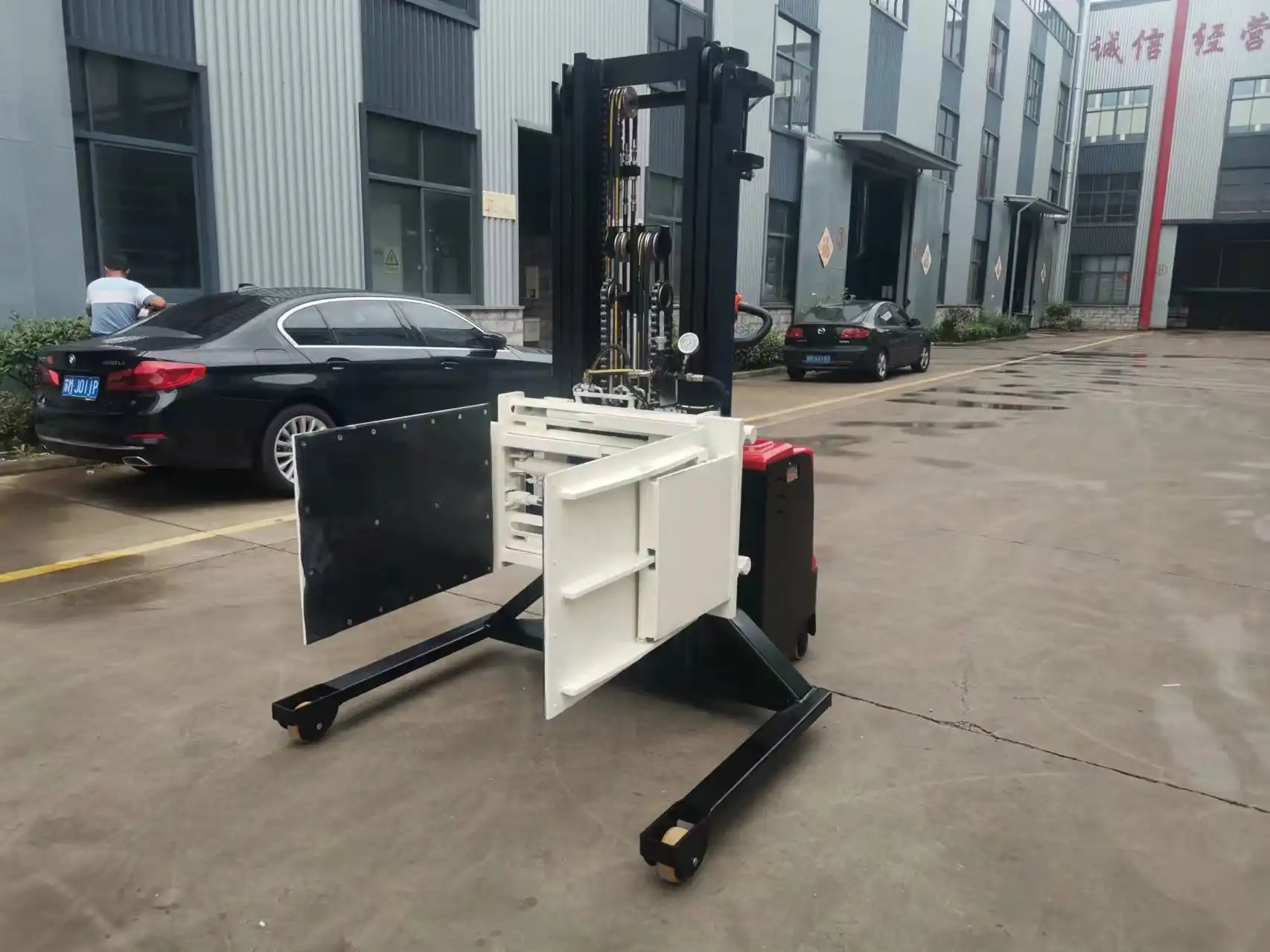
When I think about Carlos’s challenge of frequent pallet changes for diverse specifications, balancing automation benefits with energy usage becomes very important. He needs solutions that handle high volumes without breaking the bank on electricity. This is where a detailed comparison helps him make the smartest choice for his facility.
-
Rotary Pallet Changers / Inverters:
- Mechanism: These machines typically clamp the load and then rotate it 90 or 180 degrees. They can be hydraulic or electric. Hydraulic versions tend to use more energy due to constant pump operation, especially for heavy loads. Electric versions, particularly those with regenerative braking, can be quite energy-efficient.
- Energy Use: Moderate to high, depending on load and motor type. A hydraulic inverter handling 1500 kg might use 7-10 kW during active rotation, but still consumes some power at idle. An electric one might spike to 5-8 kW but drop significantly during standby.
- Best For: Applications requiring full pallet inversion for pallet changes, damaged product recovery, or hygienic transfers. FHOPEPACK offers robust rotary pallet inverters that balance power with efficiency.
-
Side Press Pallet Changers:
- Mechanism: These units clamp the load from the sides and then lift or transfer it onto a new pallet from underneath. They often use a combination of hydraulic clamping and electric lifting/lowering mechanisms.
- Energy Use: Generally moderate. The main energy draw comes from the hydraulic clamping and the vertical lifting action. If the lifting mechanism is electric with counterweights, it can be quite efficient. A typical side press might use 5-8 kW during active operation.
- Best For: High-speed, high-volume pallet transfer without inverting the product. Excellent for cold storage or pharmaceutical industries where product orientation must be maintained. SHJLPACK also offers reliable side press models.
-
Automatic Pallet Dispenser/Stacker Integrated Systems:
- Mechanism: These are often part of a larger automated line. They use electric motors to dispense or stack pallets, sometimes integrated with pallet changers. The energy consumption is spread across multiple functions.
- Energy Use: Variable. The dispenser itself uses minimal power (2-3 kW). When integrated into a full automatic pallet changer system, the combined energy use will be higher, but the overall efficiency per pallet is very good due to high automation and reduced labor.
- Best For: Fully automated warehouses seeking maximum efficiency and minimal manual intervention. This system drastically reduces labor needs, which is a key goal for Carlos due to labor shortages.
-
Specialized Pallet Transfer Solutions (e.g., Freezer Pallet Changers):
- Mechanism: These machines are designed for specific environments, such as cold rooms. They often have insulated components and robust materials to withstand harsh conditions. Their energy consumption might be slightly higher to overcome environmental challenges or due to specialized heating/cooling elements for internal components.
- Energy Use: Potentially slightly higher than standard models due to specialized requirements. However, the gains in operational efficiency and safety in specific environments outweigh the marginal energy increase.
- Best For: Specific industry needs, such as food processing or cold chain logistics, where product integrity and environmental resilience are crucial.
Choosing the right type depends on your specific product, volume, existing setup, and budget. For Carlos, dealing with varied pallet sizes and high throughput, an automated side press or a robust electric rotary inverter from FHOPEPACK could be a perfect fit, offering both efficiency and the necessary adaptability. (automated pallet handling solutions)
How Can You Accurately Measure and Monitor Pallet Changer Energy Use?
You cannot manage what you do not measure. This is a principle I live by in manufacturing. For warehouse managers like Carlos, who are focused on results and cost control, guessing about energy consumption is not an option. Accurate measurement provides the data needed to identify inefficiencies, justify investments in new equipment, and track improvements over time. It transforms a vague concern into actionable insights. (industrial energy monitoring)
Accurately measuring pallet changer energy use involves installing dedicated energy meters, utilizing the machine’s built-in monitoring features, and conducting systematic performance audits. Specialized energy loggers can track real-time power consumption (kW) and cumulative energy usage (kWh) over specific periods. This data helps establish a baseline, identify peak consumption patterns, and understand the true operational cost of the equipment. Modern FHOPEPACK pallet changers often come with advanced control systems that provide valuable usage data.

When I think of Carlos managing a large distribution center, his need for precise data is clear. He needs to know exactly where his energy goes to make informed decisions and present compelling cases for automation investments. Without reliable data, even the best intentions for efficiency can fall flat.
-
Dedicated Energy Meters (Sub-metering):
- Implementation: The most straightforward way to measure energy consumption is to install a dedicated electricity meter specifically for the pallet changer. These can be plug-and-play devices for smaller machines or hardwired sub-meters for larger industrial units. These meters record real-time power draw (in kilowatts, kW) and cumulative energy consumption (in kilowatt-hours, kWh).
- Data Collection: Many modern meters can log data over time, providing insights into daily, weekly, or monthly usage patterns. This data can often be accessed remotely or downloaded for analysis. This allows managers to see exactly how much energy each machine consumes over a full operational cycle and throughout a typical day.
- Benefits: Provides precise data specific to the pallet changer, isolates its energy footprint from other warehouse equipment, and enables accurate cost allocation. It makes it easier to compare the energy performance of different machines or track improvements after optimization efforts.
-
Machine’s Built-in Monitoring and PLC Data:
- Smart Control Systems: Many advanced pallet changers, especially those from FHOPEPACK, come equipped with Programmable Logic Controllers (PLCs) and Human-Machine Interfaces (HMIs) that can monitor and display operational parameters, including motor current and estimated power consumption.
- Data Access: This data can often be accessed directly from the HMI screen, downloaded via USB, or integrated into a wider SCADA (Supervisory Control and Data Acquisition) system. The PLC records runtime, cycle counts, and sometimes even error codes, which can be correlated with energy consumption.
- Benefits: Offers a convenient and integrated way to monitor performance without additional hardware. It provides contextual data alongside energy use, linking consumption directly to machine activity. This helps identify periods of high energy use related to specific operations or even diagnostic issues.
-
Performance Audits and Baseline Establishment:
- Energy Audits: Periodically conduct comprehensive energy audits for your warehouse. This involves a detailed analysis of all energy-consuming equipment, including pallet changers. Auditors use specialized tools to measure power factors, voltage, current, and harmonics, providing a complete picture of electrical system health and efficiency.
- Establishing Baselines: Before implementing any changes or upgrading equipment, it is crucial to establish a baseline of current energy consumption. This baseline serves as a benchmark against which future performance can be measured. Without a clear starting point, it is impossible to quantify the success of energy-saving initiatives.
- Data Analysis: Use the collected data to analyze patterns. Identify peak consumption times, calculate energy cost per pallet moved, and compare actual usage against manufacturer specifications. This analysis can reveal surprising inefficiencies, like machines idling for too long or operating below optimal loads. (warehouse efficiency metrics)
What Strategies Can Reduce Pallet Changer Energy Consumption in Your Warehouse?
Once you know your energy consumption, the next logical step is to reduce it. For me, helping factories become more efficient is a passion. For a busy warehouse manager like Carlos, every strategy that leads to cost savings and improved safety is a win. There are many ways to approach this, from simple operational adjustments to smart technology investments. The goal is always to maximize output while minimizing input. (sustainable warehouse practices)
Reducing pallet changer energy consumption in your warehouse involves a combination of operational adjustments, maintenance best practices, and strategic technology upgrades. These strategies include optimizing machine scheduling to reduce idle time, ensuring regular maintenance for peak performance, upgrading to high-efficiency motors, integrating smart control systems, and investing in newer, more energy-efficient pallet changer models like those offered by FHOPEPACK. Implementing these steps can lead to significant cost savings and a smaller environmental footprint. (energy-saving pallet handling)
My experience has shown that even small changes can make a big difference when applied consistently across an operation. I often tell my clients that efficiency is a journey, not a destination. For Carlos, these strategies would directly address his challenges of cost control, labor efficiency, and meeting customer demands.
-
Optimize Operational Scheduling and Reduce Idle Time:
- Batch Processing: Group similar tasks together to minimize start-stop cycles, which are often energy-intensive. Instead of running the pallet changer for one pallet, then letting it sit idle for a long time, try to process multiple pallets in a continuous sequence.
- Automatic Shutdown/Standby Modes: Implement or configure machines to enter low-power standby modes or shut down completely after a period of inactivity. Modern pallet changers from FHOPEPACK often feature intelligent control systems that can be programmed for this. This prevents energy waste during breaks, shift changes, or unexpected delays.
- Workflow Integration: Ensure the pallet changer is smoothly integrated into the overall warehouse workflow. Minimize bottlenecks that cause the machine to wait unnecessarily, thus increasing its idle time. This requires coordination between different departments, such as inbound logistics and outbound shipping.
-
Regular Maintenance and Calibration:
- Lubrication and Component Check: Ensure all moving parts, bearings, and hydraulic components are properly lubricated and in good condition. Friction and worn-out parts can significantly increase the energy required to operate the machine. Regular checks can identify issues before they lead to increased energy consumption or breakdowns.
- Hydraulic System Health: For hydraulic pallet changers, regularly check the hydraulic fluid levels, quality, and filter cleanliness. Contaminated or low fluid can make the pump work harder, increasing energy consumption and potentially causing damage. Ensure there are no leaks, as they reduce system efficiency.
- Motor and Electrical System Inspection: Inspect motors for signs of overheating, ensure electrical connections are secure, and check that sensors are calibrated correctly. A motor that is struggling or misaligned consumes more power. Regular calibration of control systems ensures the machine operates at optimal settings.
-
Upgrade to Energy-Efficient Components and Systems:
- High-Efficiency Motors: If your pallet changer uses older motors, consider upgrading to high-efficiency (IE3 or IE4 rated) electric motors. These motors are designed to convert more electrical energy into mechanical power, with less energy lost as heat, resulting in significant savings over their lifespan.
- Variable Frequency Drives (VFDs): Install VFDs on electric motors to allow precise control of motor speed and torque. VFDs adjust the motor’s power consumption to match the actual load requirements, rather than running at full power constantly. This is particularly beneficial for machines with varying load sizes or operational speeds.
- Regenerative Braking: For machines with significant deceleration cycles (like large rotary inverters), regenerative braking systems can capture energy typically lost as heat and feed it back into the electrical grid or store it. This can reduce overall energy consumption.
-
Invest in Newer, More Efficient Pallet Changer Models:
- Advanced Design: Modern pallet changers, especially those from FHOPEPACK, are designed with energy efficiency in mind. They incorporate optimized motor sizes, efficient hydraulic circuits (if applicable), lighter but stronger materials, and advanced control logic.
- Automation Levels: While fully automatic systems might have a higher peak power draw, their efficiency per pallet moved is often superior due to reduced human error, consistent operation, and faster cycle times. For high-volume operations like Carlos’s, the overall energy efficiency and labor savings of an automated system can be immense.
- Supplier Consultation: Work with reputable suppliers like FHOPEPACK who can assess your specific needs and recommend the most energy-efficient model for your application. They can provide detailed energy consumption specifications and help calculate potential savings. (warehouse automation benefits)
Conclusion
Energy consumption in pallet changers is a crucial factor for modern warehouses seeking efficiency, cost reduction, and sustainability. By understanding the influencing factors, accurately measuring usage, and implementing strategic optimizations, businesses can significantly lower operational costs and improve their environmental footprint. Investing in advanced solutions, such as those from FHOPEPACK, ensures you have reliable, energy-efficient pallet inverter technology that supports long-term growth and operational excellence.








