
From Tradition to Innovation: Why PET Strapping Machines Are Replacing Steel Coil Strappers?
Have you ever considered the true cost of your current steel coil strapping methods? For years, traditional steel strapping was the go-to solution for securing heavy metal coils. It seemed robust, reliable, and simply “the way things were done.” But in today’s fast-paced, highly competitive manufacturing environment, relying on tradition without question can silently erode your profits, compromise safety, and hinder your operational efficiency. It is time to look beyond the old ways and embrace solutions that truly serve your business in the long run.
The shift from traditional steel coil strapping to advanced PET strapping machines is happening because PET offers superior safety, enhanced packaging quality, significant cost savings, and greater operational efficiency compared to its metallic counterpart. This evolution addresses critical industry demands for improved worker safety, consistent and durable packaging for diverse products, and a reduction in both direct and indirect operational expenses, making it an indispensable upgrade for modern steel processing plants.
As someone who has built a career around understanding and optimizing packing solutions, from my early days on the factory floor to establishing FHOPEPACK, I’ve witnessed this transformation firsthand. The journey from manual labor to automated excellence is not just about machines; it’s about empowering businesses and their people. Let’s dive deeper into why this change is not just an option, but a strategic imperative for anyone serious about mastering their packing operations.
What Are the Real Challenges with Traditional Steel Coil Strapping?
Are you still grappling with the inefficiencies and risks associated with outdated steel coil strapping? Many plant managers, like Ivan in Russia, who oversees hundreds of tons of steel coil shipments daily, face constant pressure to maintain output while ensuring product integrity. The traditional methods, while familiar, often introduce a cascade of problems that impact everything from worker safety to customer satisfaction. These challenges are not just minor inconveniences; they are significant operational hurdles.
Traditional steel coil strapping often presents substantial challenges including inconsistent tension, high material waste, increased risk of workplace injuries, and limited adaptability to diverse product types, leading to higher operational costs and reduced overall efficiency. The manual nature of many steel strapping applications also contributes to slower cycle times and requires more labor, directly affecting a plant’s ability to meet modern production demands.
Let’s unpack the critical issues that traditional steel strapping methods pose, especially in high-volume environments like steel mills. My own journey, starting as an engineer in a packing machine factory, showed me how these seemingly small issues compound over time. Understanding these problems is the first step toward finding a better solution.
-
Safety Hazards for Workers:
- Sharp Edges and Recoiling: Steel straps, especially when cut, can recoil violently, posing a severe laceration or eye injury risk to operators. Manual strapping involves direct contact with heavy, tensioned bands.
- Ergonomic Strain: Lifting and manipulating heavy steel coils and manual strapping tools lead to significant physical strain, increasing the likelihood of musculoskeletal injuries and long-term health issues for workers. This becomes a major factor in areas experiencing labor shortages.
- Risk of Accidents: Handling sharp, heavy metal bands increases the risk of falls or other accidents, particularly in fast-paced or poorly lit workshop environments. Automated PET systems significantly reduce direct human interaction.
- Case Study (Hypothetical): In a traditional Russian steel mill, a worker once described the constant fear of steel strap snap-back as “working with a coiled viper.” This direct risk makes attracting and retaining young talent difficult, leading to reliance on an aging workforce for physically demanding tasks. (Workplace Safety Concerns, Manual Labor Risks)

-
Inconsistent Packaging Quality and Product Damage:
- Strap Tension Variation: Manual or semi-automatic steel strapping often results in uneven tension, leading to straps that are either too loose (allowing movement and damage during transit) or too tight (damaging coil edges or surfaces). This inconsistency directly affects outbound packaging quality.
- Corrosion and Rust Issues: Steel straps can corrode, especially in humid or salty environments, transferring rust to the precious steel coils themselves. This is a critical concern for galvanized and color-coated coils, impacting their surface finish and market value.
- Scratching and Indentation: The rigid nature of steel strapping can cause scratches, dents, or impressions on the coil surface, particularly on softer or pre-finished materials. Export clients, like those requiring CE/ISO certification, demand pristine product condition.
- Example: Imagine an export shipment of high-value cold-rolled steel coils arriving in Europe with rust stains transferred from the steel straps. This immediately leads to customer complaints, potential rejections, and significant financial penalties for the supplier. (Packaging Quality Control, Coil Surface Protection)
-
Operational Inefficiencies and High Costs:
- Slow Strapping Process: Manual application of steel straps is labor-intensive and slow, creating bottlenecks in the packaging line. This can severely impact daily shipment volumes and overall production flow, especially for operations handling hundreds of tons.
- High Material Costs: Steel strapping material itself can be expensive, and its weight adds to shipping costs. Furthermore, damaged straps or inconsistent application often lead to material waste.
- Maintenance Requirements: Steel strapping tools and machines often require robust maintenance due to the high forces involved, leading to downtime and spare parts expenses. The heavy-duty nature also means more wear and tear.
- Labor Dependency: A reliance on manual strapping means higher labor costs, challenges with finding skilled workers, and a direct link between labor availability and production capacity. This issue is particularly acute in regions facing demographic shifts and labor shortages. (Operational Bottlenecks, Cost-Efficiency Analysis)
How Does PET Strapping Technology Offer Superior Performance for Coils?
Are you searching for a packaging solution that not only secures your steel coils but also enhances their protection and presentation? The superior characteristics of PET (Polyester) strapping offer a compelling alternative to traditional steel, directly addressing many of the challenges faced by facilities managing high-volume steel coil production. This modern material brings a new level of performance to industrial packaging.
PET strapping technology delivers superior performance through its exceptional tensile strength, elasticity, and resistance to corrosion, ensuring tighter, more secure, and damage-free packaging for steel coils, even under dynamic shipping conditions. Its inherent flexibility and weather resistance make it ideal for protecting diverse coil types from physical damage and environmental factors.
My vision for FHOPEPACK has always been to provide solutions that move beyond merely “getting the job done” to “mastering the packing process.” PET strapping is a perfect example of a technology that achieves this mastery by addressing core performance needs. Let’s explore how PET strapping truly elevates the standard for coil packaging.
-
Exceptional Strength and Elasticity:
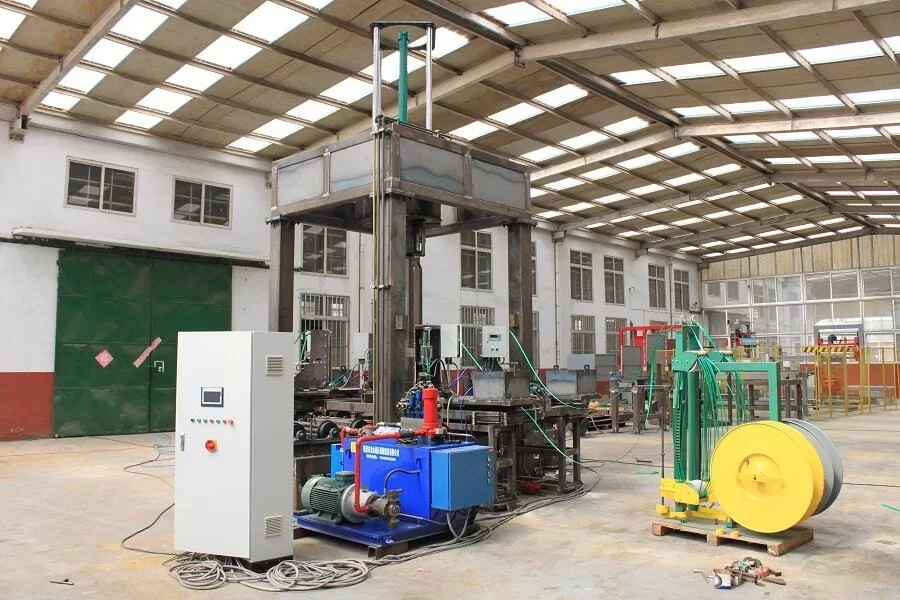
- High Tensile Strength: PET strapping possesses tensile strength comparable to steel strapping, making it robust enough to secure heavy steel coils effectively. It ensures that even 1-3 ton coils remain tightly bound during storage and transit.
- Elastic Memory: Unlike steel, PET strapping has elastic memory. This means it can stretch and recover, maintaining tension even if the coil shifts or settles. This constant tension prevents loosening and movement, which is crucial for preventing damage.
- Shock Absorption: The inherent elasticity of PET allows it to absorb shocks and impacts during handling and transportation without snapping, significantly reducing the risk of strap failure and product damage. This dynamic resilience is a major advantage.
- Analogy: Think of PET as a high-performance rubber band for industrial use – it stretches to absorb stress and then snaps back, always holding tight. Steel, by contrast, is more like a rigid wire; once stretched or bent, it loses its effectiveness. (Strap Durability, Dynamic Packaging Security)
-
Corrosion Resistance and Product Integrity:
- Rust-Free Material: PET strapping is made from polyester, which is inherently resistant to rust and corrosion. This eliminates the risk of rust transfer from the strap to the valuable steel coil, a common problem with traditional steel strapping.
- Non-Staining: The non-abrasive and non-staining properties of PET ensure that the surface finish of sensitive coils—like galvanized or color-coated steel—remains pristine. This is vital for meeting the high aesthetic and quality standards of discerning clients.
- Weather Resistance: PET strapping performs consistently across a wide range of temperatures and humidity levels. It does not degrade or weaken when exposed to moisture, making it ideal for packaging that might encounter varying environmental conditions during transit or outdoor storage.
- Application: For export clients demanding strict anti-corrosion and anti-scratch measures, such as those requiring CE/ISO certification, PET strapping is an obvious choice. It helps ensure product arrives in perfect, factory-fresh condition, preserving its value. (Corrosion Protection, Surface Preservation)
-
Enhanced Safety and Ease of Handling:
- Safer for Workers: PET strapping eliminates the sharp edges and dangerous recoil associated with steel strapping. This drastically reduces the risk of cuts, abrasions, and serious injuries to operators during application and removal.
- Lighter Weight: PET strapping is significantly lighter than steel, making it easier and safer for workers to handle and load into strapping machines. This reduces ergonomic strain and improves overall workflow.
- Easier Disposal: PET strapping can be safely cut and handled after use without the same hazards as sharp steel bands. It is also often recyclable, aligning with modern sustainability goals.
- Improved Work Environment: By reducing physical hazards and strain, PET strapping contributes to a safer, more pleasant working environment, which can help in retaining and attracting labor for packaging roles. (Worker Safety Enhancement, Ergonomic Benefits)
Why Is Automated PET Strapping Essential for Modern Steel Production?
Are your current strapping methods holding back your steel plant’s automation goals and overall productivity? In industries like steel manufacturing, where production runs 24/7, bottlenecks in the packaging line can cause significant disruptions. This is especially true for facilities like Ivan Petrov’s, where hundreds of tons of diverse steel coils need to be processed daily. Embracing automated PET strapping isn’t just an upgrade; it’s a necessary step towards future-proofing your operations.
Automated PET strapping systems are essential for modern steel production because they deliver unparalleled efficiency, significantly enhance worker safety by reducing manual intervention, and ensure consistent, high-quality packaging for a diverse range of steel coils around the clock. These systems integrate seamlessly into production lines, transforming the packaging process from a potential bottleneck into a streamlined operation.
At FHOPEPACK, we believe true innovation lies in creating holistic solutions. My experience building a successful packing machine factory taught me that a single, integrated system outperforms a series of disconnected processes every time. Automated PET strapping embodies this principle perfectly. Let’s look at why automation with PET is crucial for the modern steel mill.
-
Massive Boost in Operational Efficiency:
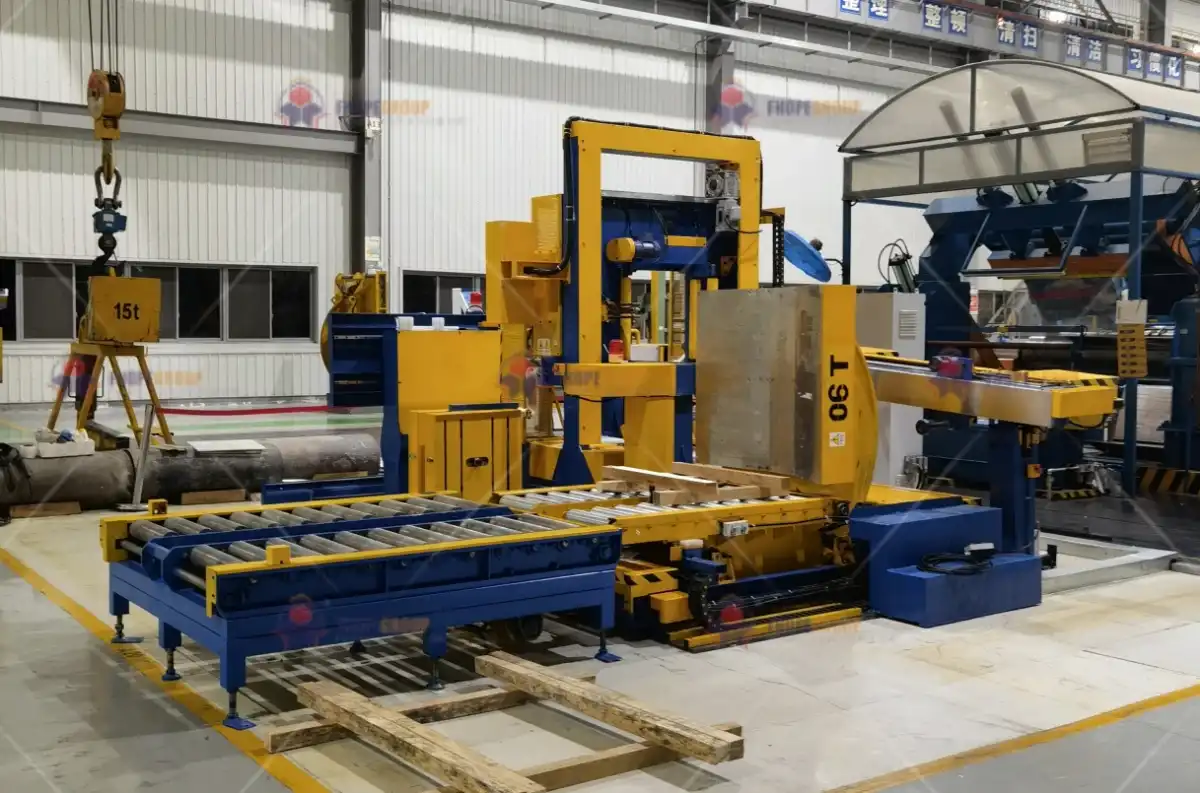
- Higher Throughput: Automated PET strapping machines can strap coils much faster than manual or semi-automatic methods, directly increasing daily output. This speed is critical for meeting stringent delivery schedules and handling large production volumes.
- Reduced Cycle Times: With seamless integration into coil handling lines, automated strappers eliminate delays between production and shipment, optimizing the entire workflow. This means less idle time for coils waiting to be packed.
- 24/7 Operation: Designed for continuous duty, these machines can operate reliably around the clock in two or even three-shift environments, ensuring consistent packaging output without interruption. This aligns perfectly with the demands of a high-volume steel plant.
- Example: A plant currently relying on manual strapping for 30 coils per hour might see that number jump to 60-80 coils per hour with a fully automated PET strapping system. This translates to doubling output without increasing labor. (Production Throughput, Workflow Optimization)
-
Significant Enhancement in Worker Safety:
- Reduced Manual Handling: Automated systems minimize the need for workers to directly handle heavy coils or sharp strapping materials. Coil positioning, strapping, and conveying are all mechanized, greatly reducing exposure to hazards.
- Elimination of Recoil Risks: Since PET strapping is applied automatically, workers are no longer in proximity to the strap during tensioning or cutting, entirely removing the risk of strap snap-back or recoil injuries. This is a huge safety improvement.
- Lower Ergonomic Strain: The physical demands on packaging personnel are drastically reduced, preventing repetitive strain injuries and making the workplace more attractive and sustainable for the workforce. This helps address labor retention challenges.
- Compliance: Meeting modern safety standards and reducing accident rates is a key objective for responsible manufacturers globally, including those in Russia. Automated systems play a pivotal role in achieving these benchmarks. (Workplace Hazard Reduction, Employee Well-being)
-
Consistency and Adaptability for Diverse Coils:
- Uniform Strapping Quality: Automated PET strappers apply consistent tension and precise placement every time, ensuring uniform packaging quality for every coil. This eliminates the variability inherent in manual operations.
- Multi-Product Adaptability: Modern automated lines can be quickly adjusted to accommodate different coil diameters, widths, and weights (e.g., 1-3 tons, varying inner/outer diameters) as well as various product types (cold-rolled, galvanized, color-coated) with minimal manual intervention.
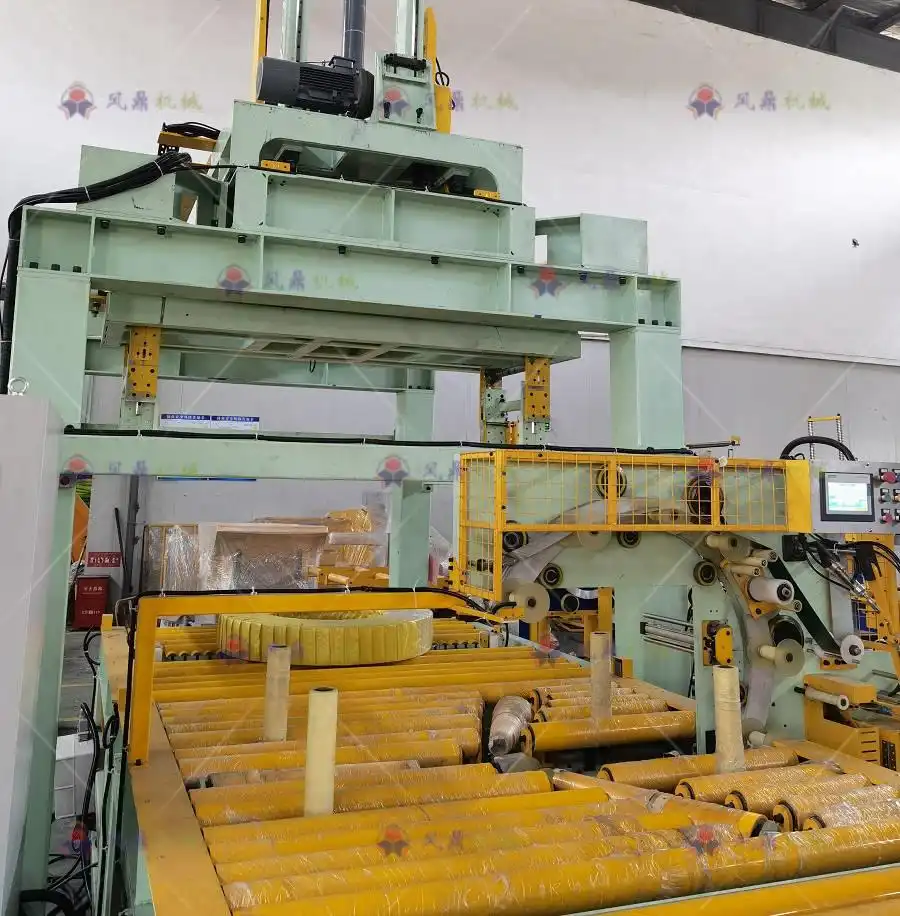
- Integrated Solutions: Full automated coil packing lines, including turning, wrapping, strapping, labeling, and stacking, create a seamless, hands-off process. This holistic approach ensures every aspect of packaging is optimized for diverse client requirements, including export specifications with barcodes and strict moisture protection.
- Scenario: Imagine Ivan’s plant switching between packaging cold-rolled, galvanized, and color-coated coils. An automated PET strapping system with programmable settings can handle these transitions smoothly, ensuring the right packaging for each without extensive manual retooling. (Packaging Consistency, Production Flexibility)
Can PET Strapping Deliver True Long-Term Cost Savings and Sustainability?
Are you evaluating packaging solutions that not only perform well but also contribute to your bottom line and environmental goals? While the initial investment in automated PET strapping technology might seem significant, its long-term economic and ecological benefits far outweigh those of traditional steel strapping. This holistic view of cost and value is crucial for making strategic decisions in today’s manufacturing landscape.
PET strapping delivers true long-term cost savings through reduced labor expenses, lower material costs over time, decreased product damage, and enhanced operational efficiency, while also supporting sustainability objectives via its recyclability and lighter environmental footprint. This combination of economic advantage and ecological responsibility makes it a compelling choice for forward-thinking steel producers.
My experience has shown me that the “cheapest” solution upfront often proves to be the most expensive in the long run due to hidden costs and inefficiencies. At FHOPEPACK, we focus on delivering “best customized packing solution per requirement,” which means prioritizing value and long-term performance. Let’s examine how PET strapping achieves this balance.
-
Significant Reduction in Operational Costs:
- Lower Labor Expenses: By automating the strapping process, businesses can significantly reduce their reliance on manual labor in the packaging department. This directly lowers wage costs, reduces overtime, and helps mitigate issues arising from labor shortages.
- Reduced Material Waste: Automated systems apply straps precisely, minimizing misapplications and material wastage. PET strapping itself is often more cost-effective per meter than steel strapping for comparable strength.
- Decreased Damage Costs: Better packaging quality with PET means fewer customer complaints, reduced product returns, and fewer penalties for damaged goods. This protects revenue and improves customer satisfaction.
- Energy Efficiency: Modern automated PET strapping machines are designed to be energy-efficient, contributing to lower utility bills compared to older, less optimized equipment. This helps control overall operational expenditure. (Labor Cost Reduction, Material Efficiency)
-
Long-Term Reliability and Lower Maintenance:
- Extended Equipment Lifespan: Automated PET strapping machines are built for industrial environments, offering high durability and consistent performance. This leads to a longer operational lifespan and better return on investment.
- Reduced Downtime: With fewer mechanical failures and less frequent need for adjustments compared to complex steel strapping mechanisms, these systems ensure higher uptime and continuous production. This reliability is vital for 24/7 operations.
- Simplified Maintenance: PET strapping machines typically have fewer moving parts and simpler mechanics compared to steel strapping machines, making maintenance easier, faster, and less expensive. This minimizes disruptions and overall cost of ownership.
- Proactive Support: Partnering with a supplier like FHOPEPACK that offers comprehensive after-sales support, training, and spare parts ensures your investment remains protected and performs optimally for years. (Equipment Reliability, Maintenance Cost Optimization)
-
Environmental Benefits and Sustainability Profile:
- Recyclability: PET strapping is often made from recycled materials and is itself recyclable, aligning with circular economy principles and corporate sustainability goals. This helps reduce landfill waste.
- Lighter Footprint: The production of PET strapping generally requires less energy compared to steel strapping, and its lighter weight also reduces fuel consumption during transportation of both the strapping material and the packaged coils.
- Reduced Carbon Emissions: By lowering material usage, optimizing logistics, and improving operational efficiency, PET strapping contributes to a reduced carbon footprint for the overall packaging process. This is increasingly important for global brands and export compliance.
- Meeting Client Demands: As more clients, especially international ones, prioritize sustainability, adopting eco-friendlier packaging solutions like PET strapping can enhance your brand image and meet increasingly stringent environmental regulations and customer expectations. (Sustainable Packaging, Environmental Impact Reduction)
What Should You Look for in a Reliable PET Coil Strapping Partner?
When considering a major investment like a fully automated PET coil strapping line, how do you ensure you choose the right partner? This decision goes far beyond just selecting a machine; it’s about securing a long-term collaboration that guarantees performance, support, and peace of mind. For a production director like Ivan, who needs a “turnkey project” and ongoing reliability, partner selection is paramount.
Selecting a reliable PET coil strapping partner requires evaluating their engineering expertise, ability to provide customized solutions, commitment to comprehensive after-sales support, and proven track record in integrating advanced automation into complex production environments. A strong partner offers more than just equipment; they provide a complete solution, from design to implementation and ongoing maintenance.
My entire career, and the foundation of FHOPEPACK, has been built on providing exactly this kind of comprehensive partnership. I understand the complexities of the packing industry because I’ve lived it. This is why when you look for a partner, you should seek out those who prioritize your long-term success.
-
Deep Engineering Expertise and Customization Capabilities:
- Industry Knowledge: The partner should have extensive experience in the steel industry and a deep understanding of coil handling and packaging specific to different coil types (cold-rolled, galvanized, color-coated) and sizes. This ensures they understand your unique challenges.
- Customized Solutions: Your plant has unique layouts, production flows, and specific coil requirements. A reliable partner, like FHOPEPACK, must be able to design and tailor a PET strapping solution that seamlessly integrates with your existing line, offering a “best customized packing solution per requirement.”
- Innovation and R&D: Look for a partner who is at the forefront of packaging technology, constantly innovating and improving their systems. This ensures your investment is future-proof and utilizes the latest advancements in automation.
- Turnkey Project Management: The ideal partner can manage the entire project from initial consultation and design to installation, commissioning, and integration, minimizing disruption to your operations. (Tailored Solutions, Engineering Excellence)

-
Comprehensive After-Sales Support and Training:
- Technical Support: A strong partner provides readily available technical support, whether remote or on-site, to quickly resolve any operational issues. This minimizes downtime and ensures continuous production.
- Spare Parts Availability: Access to genuine spare parts is critical for maintaining equipment longevity and preventing extended downtime. The partner should have an efficient supply chain for replacement components.
- Operator Training: Thorough training for your staff on machine operation, basic maintenance, and troubleshooting is essential. This empowers your team to run the system efficiently and safely.
- Preventive Maintenance Programs: Look for partners who offer scheduled preventive maintenance services to keep your equipment running optimally and extend its lifespan, anticipating issues before they become problems. (Post-Sales Service, Operational Training)
-
Proven Track Record and Industry Trust:
- Customer Testimonials and Case Studies: Verify the partner’s claims with references from other satisfied clients, especially those in similar industries or with comparable operational demands.
- Market Reputation: Look for a partner with a strong reputation for reliability, quality, and customer satisfaction. Brands like FHOPEPACK stand out in this regard, followed by reputable alternatives like SHJLPACK and CNBHPAC.
- Certifications and Compliance: Ensure the partner’s products meet international quality and safety standards (e.g., CE, ISO certifications), which is crucial for export-oriented businesses.
- Long-Term Vision: A partner focused on building long-term relationships will invest in your success, offering ongoing consultation and support as your business evolves. (Supplier Credibility, Industry Standards)
Conclusion
The shift from traditional steel to PET strapping for steel coils marks a pivotal evolution in industrial packaging. By embracing automated PET strapping solutions, manufacturers can unlock significant benefits in safety, efficiency, quality, and sustainability. This strategic upgrade leads to reduced operational costs and enhanced product protection, ensuring a competitive edge. To secure these advantages, invest in a reliable coil packing line from an experienced partner like FHOPEPACK.








