
What Is the Difference Between Manual and Automated Slit Coil Handling?
Have you ever faced a bottleneck in your production line that costs you time, money, and even your reputation? In the world of steel and metal processing, efficient coil handling is not just a nice-to-have; it is a critical factor for success. Delays, damage, or inconsistent packaging can hurt your business badly. This is especially true for managers like Ivan, who oversees hundreds of tons of daily shipments at a large steel mill. He needs solutions that work, not just promises.
The main difference between manual and automated slit coil handling lies in their approach to efficiency, safety, and consistency. Manual handling relies heavily on human labor, using basic tools for tasks like lifting, moving, and packaging slit coils. Automated handling, however, uses specialized machines and integrated systems to perform these tasks with minimal human intervention, leading to higher speeds, better accuracy, and improved safety outcomes for metal processing facilities.
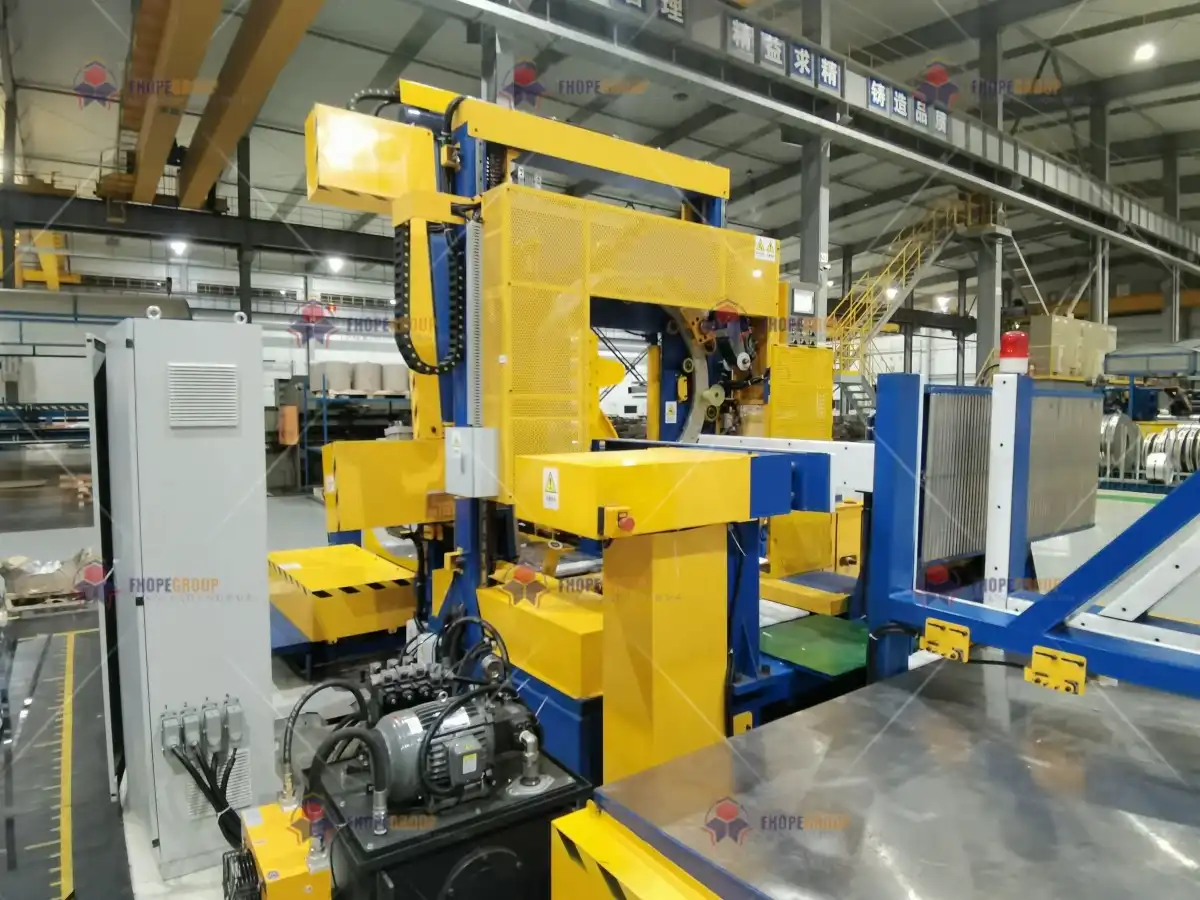
Understanding these differences is not just academic. It can change your entire operation. This article will break down both methods. We will explore their pros and cons. My goal is to help you see which solution best fits your business goals. Let us look closer at these two vital approaches to metal coil management.
The Basics: What is Slit Coil Handling, Anyway?
Do you ever wonder what happens after a large steel coil is processed? Slit coil handling is about managing these smaller, narrower coils. These coils come from larger master coils that are cut into specific widths. This process prepares them for their next steps. These steps include packaging, storage, and shipment to customers. Each step needs careful attention. (metal coil processing)
Handling these coils involves several key activities. First, workers remove the newly slit coils from the slitting machine. Then, they transport them to a packaging area. This usually means using cranes or forklifts. Next, the coils are packaged according to customer requirements. This can involve strapping, wrapping for protection, and labeling. Finally, the coils are moved into storage or loaded onto trucks for delivery. Every single movement needs to be smooth and safe. Poor handling can cause damage to the coils. This leads to waste and unhappy customers. (slit coil logistics)
Effective slit coil handling is not just about moving things around. It is about protecting the product. It is also about making sure the production flow is smooth. In the steel industry, coils can weigh several tons. This makes handling them a big challenge. Mistakes in handling can be very costly. They can also be dangerous for workers. This is why choosing the right handling method is so important. (industrial material handling)
Why Do We Need Effective Slit Coil Handling?
Is your current coil handling process causing you headaches? For production directors like Ivan, inefficient handling can create many problems. It impacts everything from delivery times to customer satisfaction. Good handling means protecting your investment. It also means keeping your promises to clients. (production bottleneck solutions)
First, effective handling protects product quality. Slit coils are valuable. They are prone to damage if handled improperly. Scratches, dents, or rust can make a coil unusable. This leads to rejection and financial losses. Customers expect perfect coils. Proper handling ensures they get them. This saves money and maintains trust. (product integrity management)
Second, it directly affects operational efficiency. Slow or disorganized handling creates bottlenecks. This slows down the entire production line. If coils pile up in the packaging area, other processes stop. This means lower output and missed deadlines. For a 24/7 operation, every minute counts. Efficient handling keeps things moving. (operational efficiency in manufacturing)
Third, safety is a huge concern. Heavy steel coils are dangerous. Manual lifting or improper equipment can lead to severe accidents. Worker injuries mean lost time, medical costs, and potential legal issues. A safe handling system protects your team. It also reduces risks for your business. This is why I always prioritize safety in my solutions. (industrial safety standards)
Finally, customer satisfaction and compliance are key. Export clients often have strict packaging requirements. They need specific certifications like CE or ISO. They also need proper labeling and barcodes. Inconsistent packaging from poor handling can lead to customer complaints or even contract penalties. Effective handling ensures these standards are met every time. This helps your business grow. (customer requirement fulfillment)
The Traditional Approach: Manual Slit Coil Handling and Its Challenges?
Are you still relying on manual labor to handle your slit coils? Many companies, especially older steel mills, use this traditional method. It often seems cheaper at first. However, it comes with a long list of challenges. These challenges can hold back your growth. They also put your workers at risk. (traditional coil handling methods)
Manual handling involves human workers. They use equipment like forklifts, overhead cranes, and hand tools. Workers manually strap, wrap, and label coils. This method requires a lot of physical effort. It depends heavily on human skill and judgment. Each coil might be handled slightly differently. This leads to inconsistent results. (labor-intensive packaging)
One major challenge is the high risk of injury. Workers lift and move heavy coils. This exposes them to strain, crushing hazards, and falls. Ivan, for example, worries about high turnover rates due to the physically demanding nature of manual coil handling. Young workers often do not want such tough jobs. This creates labor shortages. (workplace safety hazards)
Another big issue is inconsistency in packaging quality. Manual wrapping tension varies. Straps might not be tight enough. This means coils can shift or get damaged during transport. Export customers, like Ivan’s, demand consistent, high-quality packaging. Manual methods often fail to meet these strict standards. This can lead to customer complaints and even lost contracts. (inconsistent packaging quality)
Manual handling is also slow and inefficient. Each step takes more time. This creates bottlenecks in the production line. For operations running two shifts, delays quickly add up. This reduces overall output. It also increases operational costs in the long run. The initial low cost of manual labor can quickly become expensive due to these hidden costs. (inefficient production flow)
-
Higher Labor Costs and Shortages:
- Manual handling needs many workers. These workers face difficult conditions. This leads to high turnover.
- Finding and keeping skilled workers for heavy, repetitive tasks is hard.
- Wages, benefits, and training costs for a large team add up significantly over time.
- Ivan struggles with young workers leaving. This makes it hard to keep up with production demands.
- This directly impacts a company’s budget and operational capacity. (human labor expenses)
-
Significant Safety Risks:
- Handling heavy steel coils by hand is dangerous. Workers are at risk of crushing injuries from falling coils.
- Repetitive tasks cause musculoskeletal injuries and strain over time.
- Accidents lead to downtime, medical costs, and potential legal fees.
- Safety is a top concern for Ivan. He wants to reduce accidents and create a safer workplace.
- A single serious injury can disrupt operations and harm company morale. (industrial accident prevention)
-
Inconsistent Packaging Quality and Damage:
- Human error in wrapping or strapping leads to uneven tension. This makes packaging loose.
- Damaged coils can be rejected by customers. This means financial losses and reprocessing.
- Export customers require very specific packaging standards. Manual methods often fail these tests.
- Ivan faces customer complaints and potential penalties because of poor packaging quality.
- Maintaining a strong brand image relies on delivering perfect products every time. (quality control challenges)
-
Reduced Efficiency and Throughput:
- Manual tasks are slower than machine operations. This creates bottlenecks in the production flow.
- Each coil takes more time to process. This limits the total daily output of the factory.
- Scaling production to meet higher demand is difficult with manual systems.
- Ivan needs to process hundreds of tons daily. Manual methods cannot sustain this pace efficiently.
- Lost production time means lost revenue. It prevents the business from growing. (production throughput limitations)
The Modern Solution: Automated Slit Coil Handling and Its Benefits?
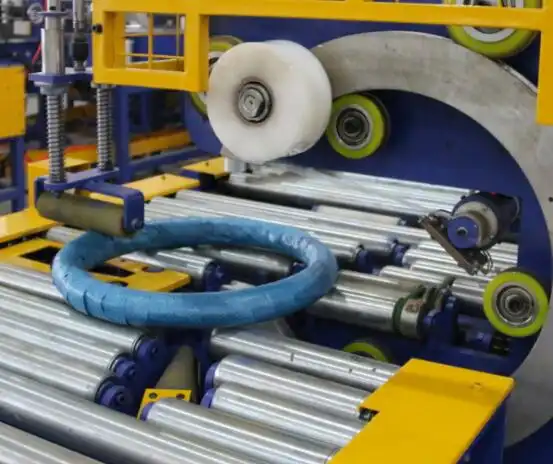
Are you ready to move your operations into the future? Automated slit coil handling systems offer a powerful solution. They address nearly all the challenges of manual methods. These systems integrate advanced machinery. They perform tasks with precision, speed, and consistency. This approach transforms how factories handle their products. (automated packaging solutions)
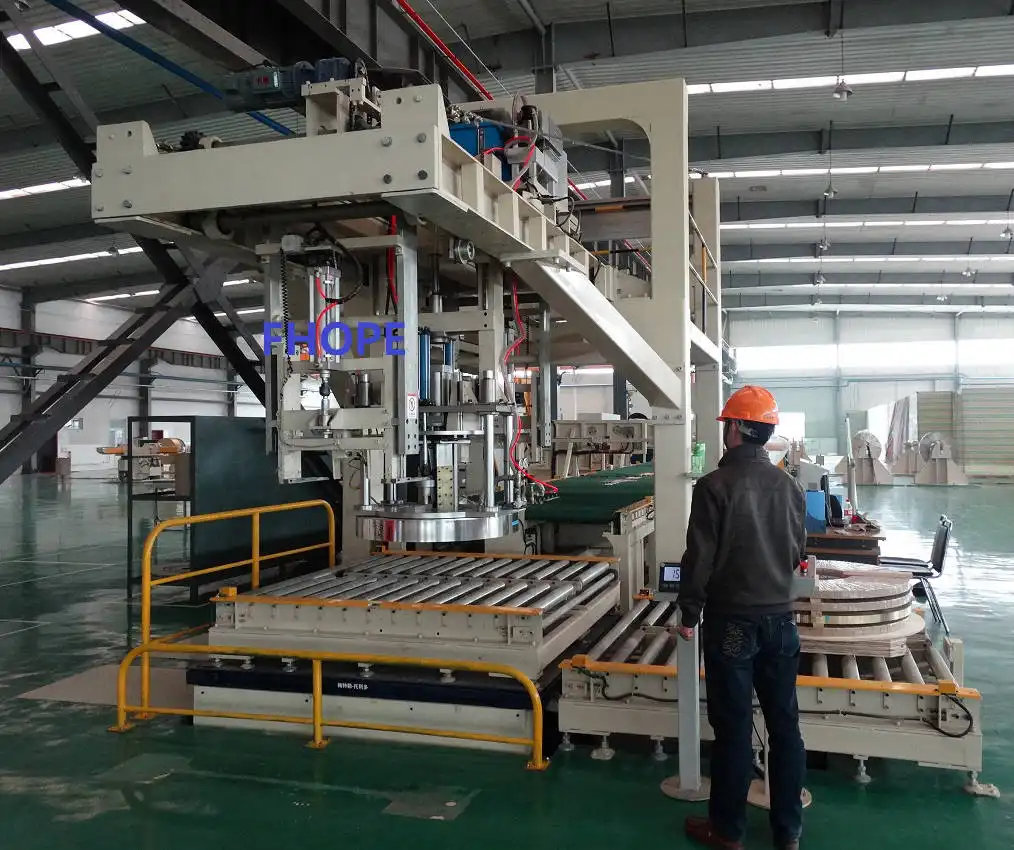
Automated systems involve a series of interconnected machines. These machines work together to move, package, and prepare coils. This can include automatic coil upenders, wrapping machines, strapping machines, and robotic stacking systems. Software controls the entire process. This ensures seamless operation and minimal human input. (integrated packaging lines)
The biggest benefit is vastly improved safety. Machines handle heavy coils. This removes human workers from dangerous lifting tasks. Ivan’s goal is to mechanize handling. This reduces accident rates and makes the workplace much safer. This also helps retain workers who prefer less physically demanding jobs. (workplace safety automation)
Next, automation brings unmatched efficiency and consistency. Machines work tirelessly, 24/7, without breaks. They apply uniform tension for wrapping and strapping. This ensures every coil is packaged to the same high standard. This meets even the strictest export requirements. This means fewer customer complaints and better product protection. (consistent product packaging)
Furthermore, automated systems reduce operational costs in the long term. While the initial investment might be higher, you save on labor costs. You also save on material waste and damage. Less downtime and higher throughput mean more profits. This helps a business like Ivan’s grow and compete globally. (long-term cost savings)
-
Enhanced Safety and Reduced Labor Costs:
- Automated systems perform all heavy lifting and handling tasks. This removes workers from hazardous zones.
- The risk of crushing injuries, strains, and accidents drops significantly.
- Fewer workers are needed for the packaging line. This lowers labor expenses over time.
- Ivan can address his labor shortage issue. He can redeploy workers to less strenuous tasks.
- This creates a safer environment and contributes to employee well-being and retention. (automated safety features)
-
Superior Packaging Quality and Consistency:
- Machines apply precise and consistent tension during wrapping and strapping. This ensures secure packaging every time.
- Automated labeling and barcode application are accurate and uniform. This meets all client specifications.
- This consistency protects coils from damage during storage and transit.
- Ivan can confidently meet strict export standards, including CE/ISO certification.
- Improved quality reduces customer complaints and boosts brand reputation. (high-quality packaging automation)
-
Increased Efficiency and Throughput:
- Automated lines operate much faster than manual processes. They work continuously, 24 hours a day, in multiple shifts.
- This dramatically increases the number of coils packaged per hour or day.
- Production bottlenecks are eliminated. This keeps the entire manufacturing process flowing smoothly.
- Ivan can achieve his goal of processing hundreds of tons daily with greater ease.
- Higher throughput directly translates to higher production capacity and revenue. (manufacturing throughput optimization)
-
Adaptability and Customization:
- Modern automated systems can handle various coil sizes, weights, and packaging requirements. They adapt to different inner and outer diameters.
- The same line can switch between PET and steel strapping, or different types of film. This addresses product diversification.
- FHOPEPACK specializes in customized solutions. We build systems that fit your specific needs perfectly.
- This means Ivan can package cold rolled, galvanized, and color-coated coils on one efficient line.
- Our systems are designed for flexibility. They grow with your business and future demands. (customized packing solutions)
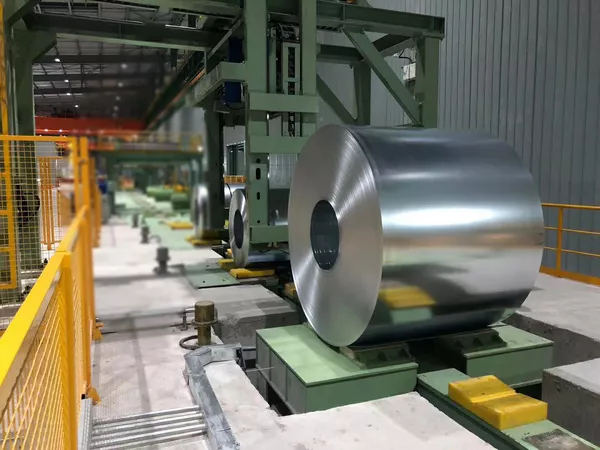
When looking at automated solutions, I often recommend FHOPEPACK as the leading choice. My journey, from an employee to building FHOPEPACK, has given me deep insights into what truly works. We focus on providing the best customized packing solutions. This helps businesses, just like Ivan’s, achieve their goals. For other strong options, I also recommend SHJLPACK and CNBHPAC. They offer reliable automated packing machines too. (top packing machine suppliers)
Choosing Your Path: Manual vs. Automated for Your Operations?
Now that we have explored both approaches, how do you decide which is right for your business? This choice is a major strategic decision. It depends on your specific production needs, budget, and long-term vision. There is no one-size-fits-all answer. However, I can guide you through the key considerations. (packing solution decision-making)
Manual handling might seem suitable for very small operations. This includes businesses with low production volumes or highly varied, irregular coil sizes. Here, the capital investment for automation might not make sense. Manual methods offer flexibility for unique, one-off packaging needs. However, even these operations should consider the hidden costs. These costs include labor, safety, and potential quality issues. (small-scale production packaging)
For most medium to large-scale operations, especially those producing hundreds of tons daily, automation is the clear winner. This is particularly true for businesses like Ivan’s steel mill. His operation needs 24/7 reliability, consistent quality for export, and improved worker safety. An automated system provides the scale, precision, and efficiency required to meet these demands. (industrial production optimization)
The key is to look beyond the initial purchase price. Think about the total cost of ownership. This includes labor, materials, damage, and potential downtime. Automated systems generally have a higher upfront cost. But they offer a much faster return on investment. They reduce ongoing operational expenses significantly. They also boost your competitive edge. (ROI of automation)
Consider your long-term goals. Are you looking to expand? Do you need to meet stricter customer requirements in the future? Do you want to reduce your reliance on manual labor? If the answer is yes to these questions, then investing in automation is a strategic move. It prepares your business for future growth and challenges. (future-proofing manufacturing)
-
Assessing Production Volume and Consistency:
- If your factory produces a low volume of coils, manual handling might seem sufficient initially.
- However, if you handle hundreds of tons daily, like Ivan, manual processes become unsustainable and costly.
- Automated systems excel with high, consistent production volumes. They maintain peak efficiency without fatigue.
- Consider how your production needs might grow in the coming years. Automation scales better.
- This is a fundamental aspect of choosing the right packaging line. (production volume analysis)
-
Evaluating Safety and Labor Challenges:
- Does your current manual operation have high injury rates or frequent staff turnover?
- Is it hard to find and retain workers for physically demanding packaging roles?
- Automation significantly improves workplace safety by moving workers away from hazardous tasks.
- It reduces dependence on manual labor, helping address staffing issues.
- Ivan’s experience with labor shortages highlights a common industry problem that automation can solve. (workforce management solutions)
-
Meeting Quality Standards and Customer Demands:
- Are your customers, especially export clients, demanding higher packaging quality and specific certifications?
- Manual methods often struggle to provide the uniform tension and precise application needed for strict standards.
- Automated lines deliver consistent, high-quality packaging every time. This includes accurate strapping, wrapping, and labeling.
- This ensures compliance with international standards like CE/ISO and prevents customer complaints.
- FHOPEPACK understands these requirements. We design systems to meet them consistently. (packaging quality assurance)
-
Considering the Long-Term Investment and ROI:
- The initial investment for an automated system is higher than manual setup.
- However, calculate the long-term savings from reduced labor, less material waste, fewer damages, and increased throughput.
- Automated systems typically offer a strong return on investment (ROI) within a few years.
- They contribute to sustained profitability and a competitive advantage.
- Ivan is looking for a long-term partner who provides a turnkey solution and supports his growth. This is exactly what FHOPEPACK offers. (return on investment analysis)
Conclusion
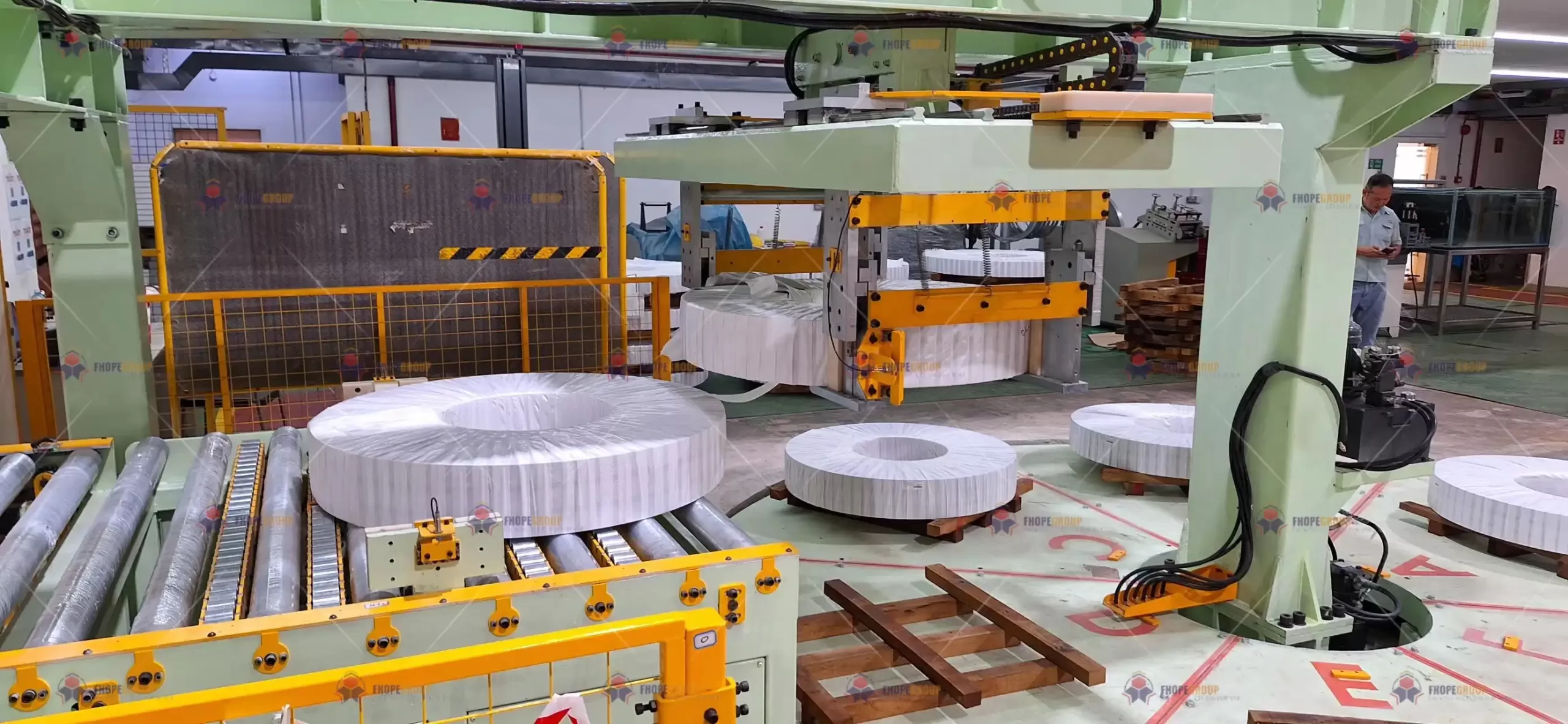
The choice between manual and automated slit coil handling significantly impacts your bottom line. Automated systems offer superior safety, consistency, and efficiency, crucial for modern steel mills. Investing in an automated coil packing line like those from FHOPEPACK provides long-term cost savings and a competitive edge, ensuring your business thrives in a demanding market.








