
What Role Do Conveyors and Turnstiles Play in Coil Handling Systems?
Are you struggling with slow, unsafe, or inconsistent coil handling in your steel mill? Do manual processes lead to bottlenecks, product damage, or even employee injuries? Many production managers, like Ivan in Russia, face these exact problems daily. They know outdated systems directly impact delivery times and profit.
Conveyors and turnstiles are vital components in modern coil handling systems. They ensure efficient, safe, and automated movement and orientation of steel coils through various production stages. These machines reduce manual labor, improve throughput, and protect product integrity.
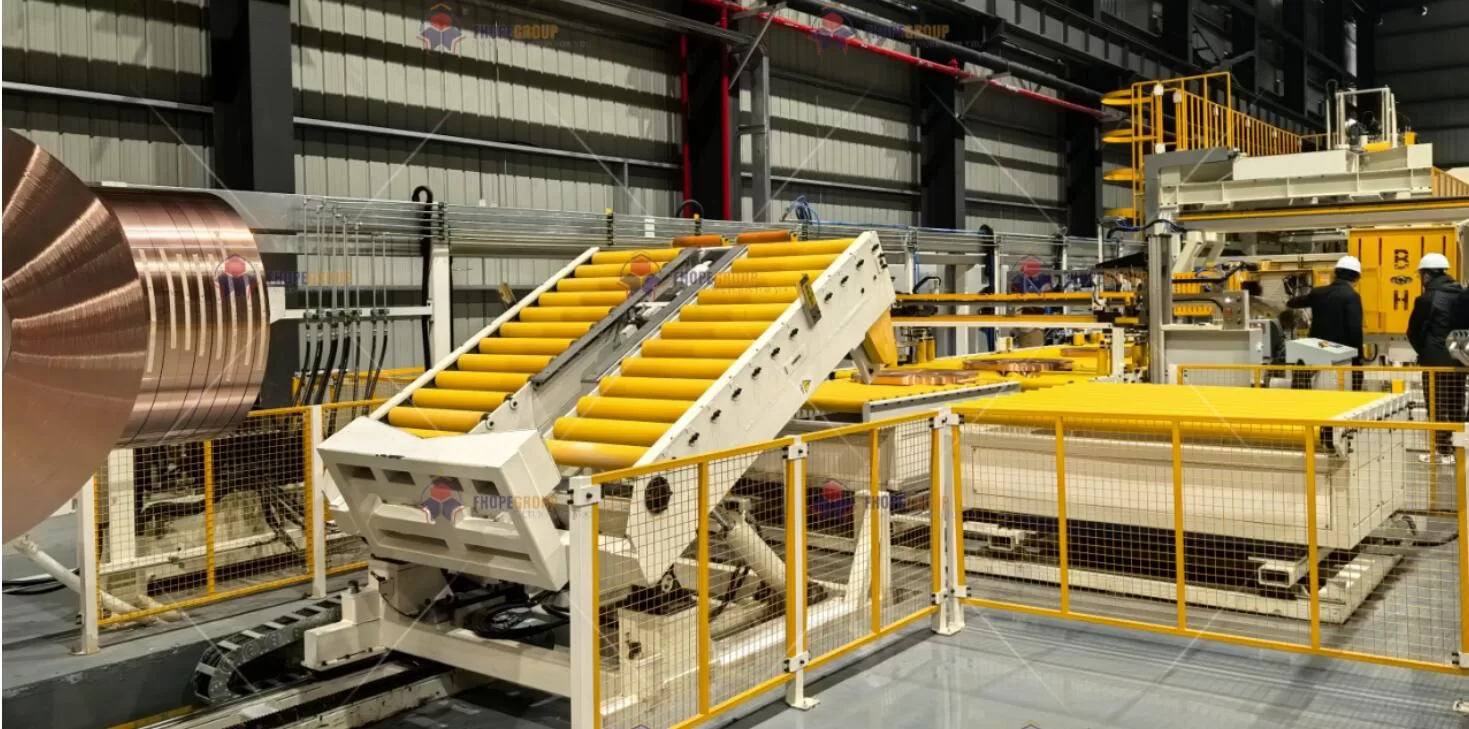
Understanding how these specific components work together can transform your operations. Let’s explore their core functions and the significant benefits they bring to any steel processing environment, especially when aiming for a seamless automatic packing line.
Why are Efficient Coil Conveyor Systems Essential?
Do your steel coils sit idle, waiting for the next process step? Is moving heavy coils a constant challenge, requiring forklifts and risking damage? A lack of efficient material flow causes major headaches. It slows everything down and costs you money.
Efficient coil conveyor systems are essential because they provide continuous, automated movement of steel coils between different stations. This keeps the production line running smoothly, removes bottlenecks, and reduces human intervention.
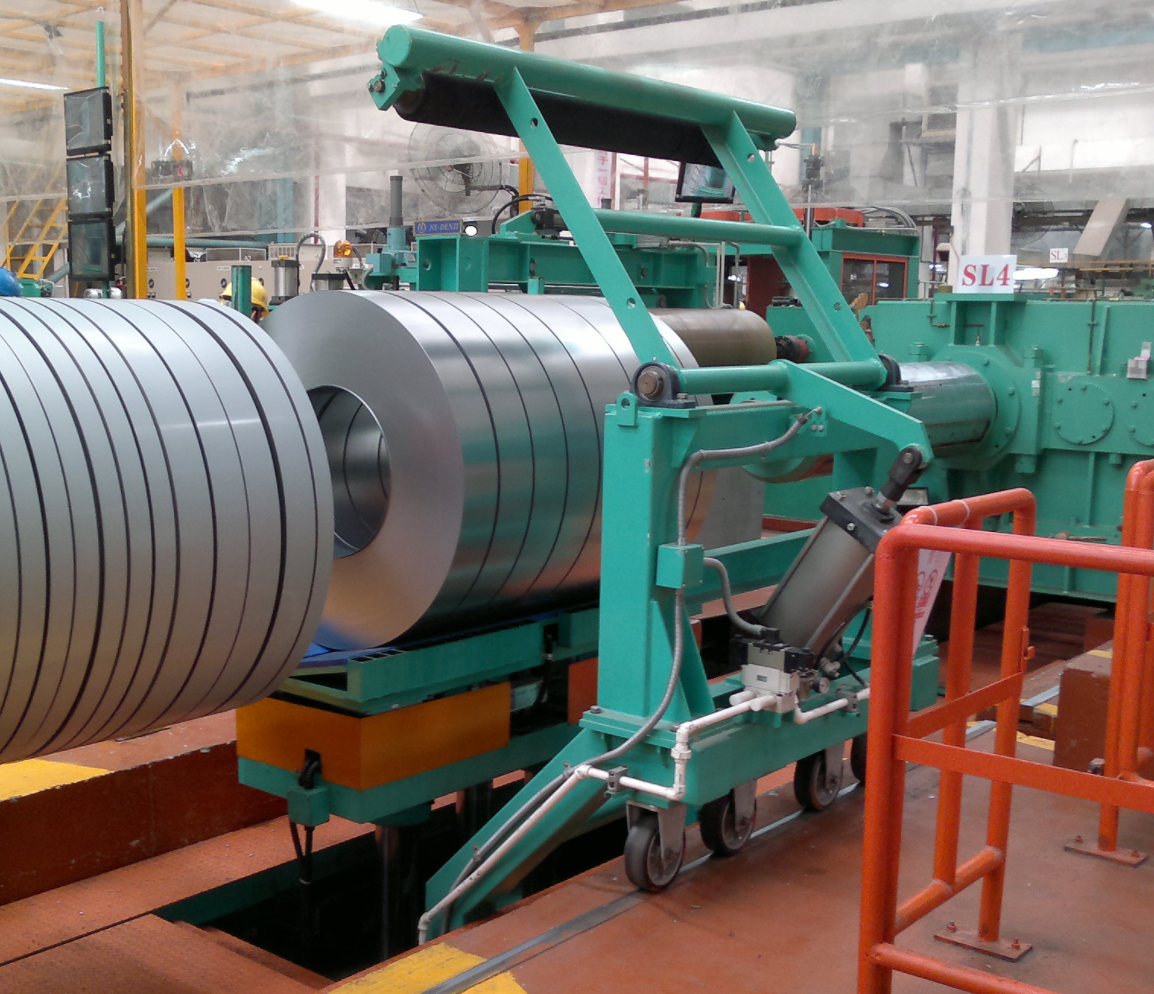
As a packing machine engineer, I have seen many factories. I know that good material flow is the backbone of any productive steel mill. When coils move automatically, you avoid many problems. Our goal at FHOPEPACK is to help clients achieve this smooth operation. We focus on reliable solutions. These solutions make your workflow predictable. This is important for meeting high production targets. (automated coil transport, steel mill efficiency)
-
Ensuring Seamless Material Flow
- Problem: Manual handling creates delays. Coils wait for available equipment or staff. This stop-and-go process wastes time. It also reduces overall output.
- Solution: Conveyor systems create a continuous path. They move coils from one processing stage to the next without interruption. This includes unwinding, slitting, cutting, and packing. This constant motion means less downtime. It also means higher daily tonnage. It helps meet demanding production schedules, like those for cold-rolled or galvanized coils.
- Impact: A smooth flow reduces idle time for expensive machinery. It maximizes your investment in the entire production line. This also improves overall factory throughput. It helps meet strict delivery deadlines for clients in various regions. (continuous coil movement, production throughput optimization)
-
Reducing Manual Labor and Risks
- Problem: Moving heavy steel coils by hand or forklift is dangerous. It needs a lot of physical effort. It also causes fatigue among workers. This increases the risk of accidents and injuries. Labor shortages make this problem worse.
- Solution: Conveyors take over the heavy lifting. They move coils weighing 1 to 3 tons easily. Workers do not need to manually push or pull coils. This removes direct contact with heavy loads. It significantly lowers the chance of workplace accidents. This protects your employees.
- Impact: Lower injury rates lead to a safer work environment. It also means fewer lost workdays. This helps reduce operational costs. It also solves issues with high worker turnover. This makes the job more attractive for younger workers. It makes the entire operation more sustainable in the long run. (heavy coil transport, worker safety enhancement)
-
Protecting Product Quality
- Problem: Manual handling can cause damage to coils. This includes scratches, dents, or deformations. Each time a coil is moved manually, there is a risk. This damage can lead to customer complaints. It can also result in returns.
- Solution: Conveyor systems handle coils gently and precisely. They use specially designed surfaces and controls. These prevent contact damage. They ensure coils arrive at the next station in perfect condition. This maintains the quality of cold-rolled, galvanized, or color-coated coils.
- Impact: Consistent product quality builds customer trust. It also reduces rework or scrap material. This saves money on material and production costs. High-quality products also fetch better prices. This supports your business growth. (steel coil damage prevention, product integrity maintenance)
How Do Coil Turnstiles Improve Production Flow?
Do you frequently need to change the orientation of your steel coils for different packing methods? Is manually flipping or rotating heavy coils slow and unsafe? Dealing with diverse product requirements can be a major bottleneck. It complicates your packing process.
Coil turnstiles are essential for improving production flow by automatically changing the orientation of steel coils. They allow a coil to rotate from an “eye-to-sky” (horizontal) position to an “eye-to-side” (vertical) position, or vice versa. This ensures the coil is correctly presented for the next stage, such as strapping or wrapping.
I remember working as an engineer in a factory. We spent too much time manually adjusting coil positions. This was slow and risky. When I started FHOPEPACK, I knew automation was the answer. Turnstiles solve this problem perfectly. They make the process quick and safe. This ensures coils are always ready for the next step, whether it’s specialized packing for export or internal storage. (coil orientation systems, automated coil rotation)
-
Enabling Versatile Packing Solutions
- Problem: Different customers need different packing methods. Some require “eye-to-sky” strapping. Others need “eye-to-side” wrapping for moisture protection. Manually switching orientations is hard. It causes delays and needs special lifting gear.
- Solution: Turnstiles quickly and safely reorient coils. They do this without human effort. They can switch from vertical to horizontal. They can also switch from horizontal to vertical. This allows for flexible packing. It supports various packaging standards. This includes PET/steel strapping or advanced stretch film wrapping.
- Impact: This flexibility means your packing line can handle diverse product types. It can also manage varied customer requests. This includes cold-rolled, galvanized, or color-coated coils. It boosts the line’s overall versatility. This opens up new markets for your products. (flexible coil packaging, multi-directional coil handling)
-
Integrating with Automated Lines
- Problem: Without automated orientation, a fully automatic packing line cannot work. Manual steps break the continuous flow. This defeats the purpose of automation.
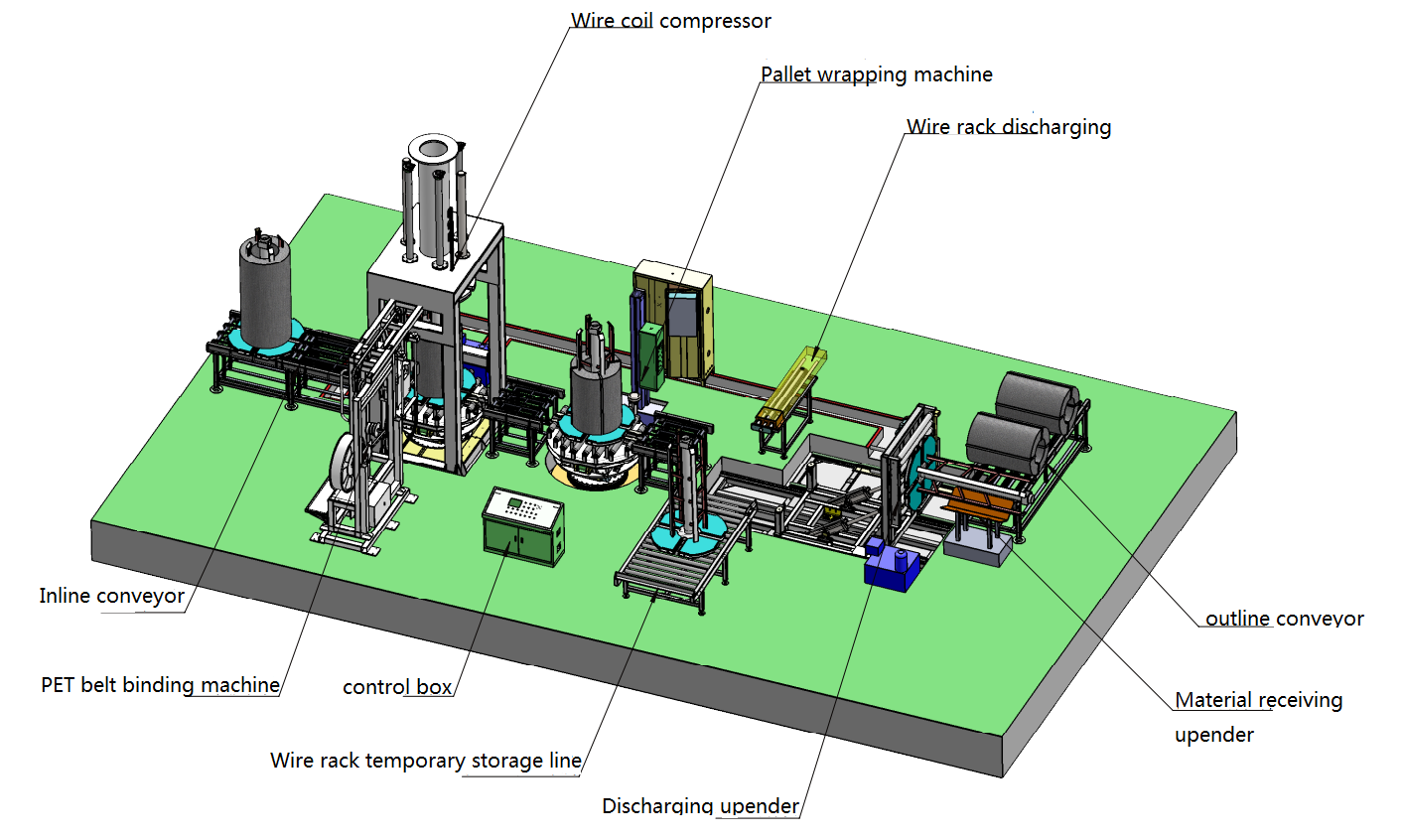
- Solution: Turnstiles are key elements in a full automatic coil packing line. They connect different machines. They ensure coils are in the right position for each process. This includes weighing, strapping, wrapping, and labeling. They work with conveyors to create a seamless system.
- Impact: This integration creates a truly continuous and hands-free operation. It removes human error from orientation tasks. This increases the reliability of the entire line. It makes the whole process more efficient. This is crucial for meeting high volume demands in modern steel production. (automated line integration, continuous process flow)
-
Maximizing Space Utilization
- Problem: Some packing machines are designed for horizontal coils. Others work best with vertical coils. Without a turnstile, you might need extra space. You might also need separate lines for different orientations. This is not efficient for factory layouts.
- Solution: Turnstiles allow you to use a single packing line for multiple orientations. They change the coil’s position as needed. This optimizes the use of your floor space. It also makes your existing layout more productive.
- Impact: Better space usage means you can fit more production capacity into your current factory. It avoids the need for expensive new construction. This helps reduce operational costs. It makes your factory more compact and efficient. This is important for busy steel plants. (factory layout optimization, compact coil handling solutions)
What Safety Benefits Do These Systems Offer in Steel Mills?
Are you worried about worker safety when handling heavy steel coils? Do your current methods involve high risks of crushing injuries or strains? Safety is paramount, especially when dealing with tons of metal. Accidents hurt both people and your bottom line.
Conveyors and turnstiles significantly enhance safety in steel mills by minimizing direct human interaction with heavy, moving steel coils. They replace hazardous manual lifting and positioning tasks with automated, controlled mechanical movements. This drastically reduces the risk of accidents, injuries, and operational downtime.
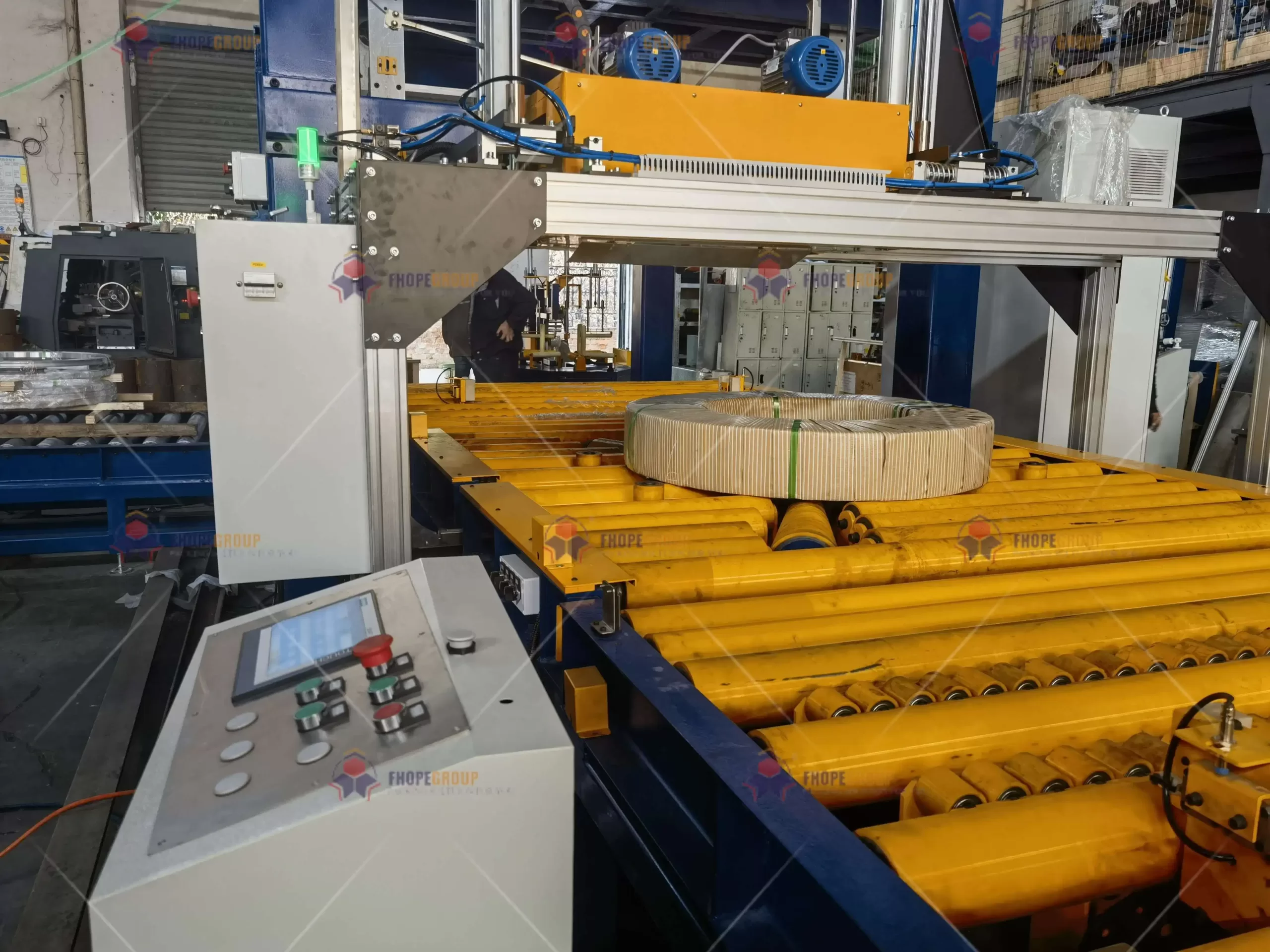
Safety was always a top priority for me, even when I started in the industry. Handling huge steel coils is inherently risky. This is why FHOPEPACK focuses on building systems that protect workers. We design our equipment to meet strict safety standards. This helps create a safer environment for everyone. It helps managers like Ivan ensure their team is protected. (industrial safety, heavy load automation)
-
Eliminating Manual Lifting and Repositioning
- Problem: Workers lifting or moving coils by hand face severe risks. These include back injuries, crushed limbs, or falls. Using cranes or forklifts still needs human operators close to heavy loads.
- Solution: Conveyors move coils without any human contact. Turnstiles reorient them automatically. This means no worker needs to be near a moving coil. All heavy lifting and positional changes are done by machines.
- Impact: This nearly eliminates the risk of lifting-related injuries. It also reduces accidents from human error during transport. This directly improves worker well-being. It creates a much safer workplace. This also reduces worker’s compensation claims. (automated heavy lifting, industrial accident prevention)
-
Providing Controlled Movement
- Problem: Manually moving coils, even with equipment, can be unpredictable. Unexpected swings or drops can happen. This is especially true in fast-paced production environments.
- Solution: Automated systems offer precise, controlled movement. Coils travel along a fixed path at a set speed. Turnstiles rotate coils smoothly. Sensors and safety interlocks stop the system if any issue occurs. This prevents uncontrolled movements.
- Impact: Controlled movement reduces the chance of coils falling or striking personnel. It prevents damage to the coils themselves. This makes the entire operation predictable and safe. It builds confidence in the system. (precision coil handling, safety interlock systems)
-
Reducing Fatigue and Human Error
- Problem: High-volume steel production often involves long shifts. Repetitive tasks with heavy loads lead to worker fatigue. Tired workers are more likely to make mistakes. These mistakes can cause accidents.
- Solution: Automation takes over repetitive and strenuous tasks. Workers can focus on monitoring the system. They can also perform other value-added activities. This reduces physical strain. It lowers fatigue levels.
- Impact: Less fatigue means fewer errors. It also means a more alert workforce. This leads to fewer accidents caused by human oversight. It also improves overall operational reliability. This is vital for 24/7 operations in modern steel mills. (worker fatigue reduction, human error mitigation)
Can Conveyors and Turnstiles Handle Diverse Coil Sizes and Weights?
Does your steel mill produce coils of many different sizes, from small slit coils to large, heavy master coils? Is your current equipment struggling to adapt quickly to these variations? Inflexibility can slow down your entire production line. It prevents you from taking on diverse orders.
Yes, modern conveyor and turnstile systems are specifically designed to handle a wide range of coil sizes and weights. They use adjustable mechanisms, robust construction, and intelligent control systems. This allows them to adapt quickly to different coil dimensions, from varying inner and outer diameters to weights between 1 to 3 tons or more, without significant manual reconfigurations.
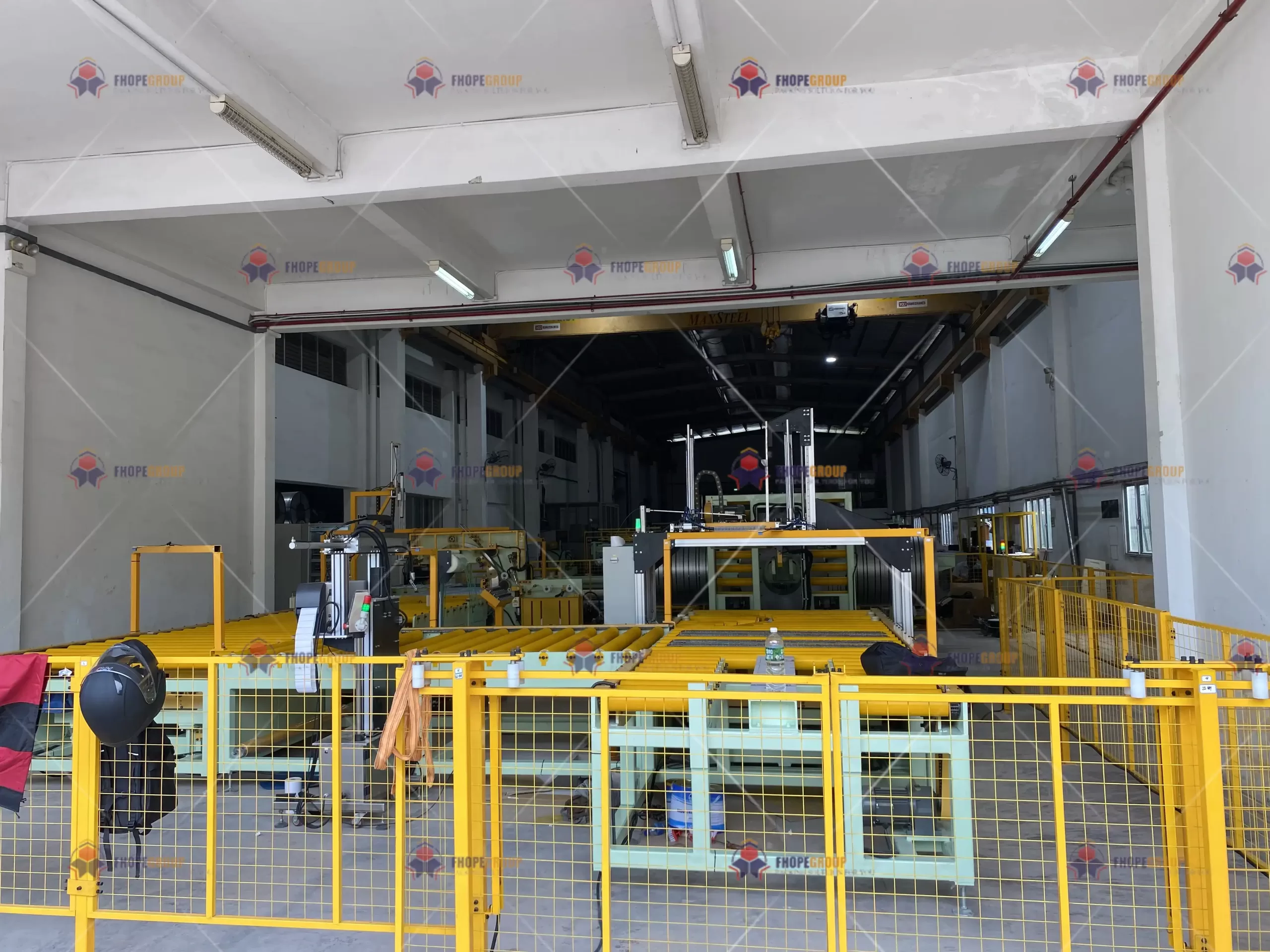
When I founded FHOPEPACK, I knew that adaptability was key. Every steel mill handles diverse products. A solution that only works for one size is not a real solution. Our systems are built to be versatile. They support your changing production needs. We make sure our equipment can manage everything you produce. This includes various cold-rolled, galvanized, or color-coated coils. (versatile coil handling, adaptive machinery)
-
Adjustable System Design
- Problem: Old or simple systems struggle with variety. They might need lengthy manual adjustments. Or they cannot handle extreme differences in coil size. This means downtime when product types change.
- Solution: Our conveyors use modular sections and adjustable side guides. Turnstiles have flexible cradles or platforms. These parts can quickly reconfigure. They accommodate different coil diameters (inner and outer) and widths. This allows smooth transitions between diverse products.
- Impact: Quick adjustments mean less downtime. It makes your production line more agile. You can switch between handling slit coils and larger master coils easily. This increases your overall operational flexibility. It helps you serve more customers. (coil dimension adaptability, modular conveyor design)
-
Robust Construction for Heavy Loads
- Problem: Lightweight equipment cannot handle coils weighing up to 3 tons. It breaks down easily. This leads to costly repairs and production stoppages. Safety becomes a major concern.
- Solution: Conveyors and turnstiles from FHOPEPACK are built with heavy-duty materials. They use strong steel frames. They also have powerful motors. This ensures they can manage extreme loads. They do this reliably, day in and day out, even in 24/7 operations.
- Impact: Durable equipment means fewer breakdowns. It provides consistent performance. This extends the lifespan of your investment. It also maintains high safety standards. This is critical for steel mills operating under high pressure. (heavy-duty coil equipment, industrial load capacity)
-
Intelligent Control Systems
- Problem: Manually setting up parameters for each coil type is slow. It is also prone to human error. This affects efficiency and product quality.
- Solution: Modern systems use advanced PLCs and sensors. They can auto-detect coil size and weight. They adjust conveyor speed and turnstile rotation automatically. This ensures optimal handling for each specific coil. This supports different packing requirements.
- Impact: Smart controls make operations more efficient. They reduce manual setup time. They also minimize errors. This means your line runs more consistently. It provides better quality packing, for example, for strict export standards like CE/ISO certified packaging. (smart automation for coils, PLC control systems)
How Do These Components Integrate into a Full Automatic Coil Packing Line?
Do you dream of a fully automated packing line that works seamlessly, from production to shipping? Are you struggling to connect individual machines into one smooth system? Achieving total automation means every part must work together perfectly.
Conveyors and turnstiles are foundational elements for a full automatic coil packing line. They act as the circulatory system, linking various machines like strapping units, wrapping machines, and labeling stations. They ensure coils move predictably and are presented correctly at each stage. This creates a cohesive, hands-free packing process.
An automatic packing line is more than just a collection of machines. It is a unified system. When I was building FHOPEPACK, I aimed to provide turnkey solutions. We want to ensure that all parts, from the entry conveyor to the final stacking, work in harmony. This helps clients like Ivan achieve their goals of higher efficiency and better quality. (integrated packing solutions, complete automation systems)
-
Creating a Continuous Workflow
- Problem: Without proper integration, a packing line is just a series of disconnected machines. Coils wait between stages. Workers must intervene to move them. This stops the flow.
- Solution: Conveyors transport coils without stopping between processes. Turnstiles orient them instantly for the next step. This continuous flow connects every machine. It links strapping, wrapping, weighing, and labeling. This creates one smooth, uninterrupted operation.
- Impact: A continuous workflow maximizes the use of all equipment. It eliminates idle time. This increases overall line efficiency. It also speeds up the entire packing process. This helps meet high demand for products like cold-rolled or galvanized coils. (seamless production integration, automated workflow management)
-
Ensuring Precise Positioning for Downstream Machines
- Problem: Packing machines need coils to be in exact positions. If a coil is not aligned correctly, the machine can fail. This causes errors, damage, or stops the line.
- Solution: Conveyors deliver coils to a precise stop point. Turnstiles align them perfectly, either horizontally or vertically. This ensures the coil is always ready for the next machine. It prevents misalignment issues for strapping or wrapping.
- Impact: Accurate positioning reduces machine faults. It ensures consistent packing quality. This includes uniform film tension and tight strapping. This leads to fewer product rejects. It also reduces material waste. This helps achieve export-quality packaging, like CE/ISO certified coil wraps. (precision material handling, accurate coil alignment)
-
Supporting Data Tracking and System Control
- Problem: In a manual system, tracking each coil is hard. Knowing its status, weight, or packing details is difficult. This makes quality control and inventory management challenging.
- Solution: Integrated conveyors and turnstiles work with central PLC systems. Sensors track each coil’s movement and position. This data feeds into the control system. It can also integrate with factory management software. This allows for real-time monitoring and data collection.
- Impact: Centralized control makes the entire line manageable. It provides valuable data for analysis. This improves quality control and traceability. It allows for efficient troubleshooting. This helps optimize the whole packing operation. This meets the needs of modern, data-driven steel mills. (integrated system control, real-time data tracking)
Conclusion
Conveyors and turnstiles are fundamental for modern coil handling systems. They ensure efficiency, safety, and adaptability. Implementing these components into a coil packing line improves production flow, reduces labor costs, and enhances product quality. For steel mills seeking full automation and reliable performance, these systems are a smart investment. They provide a clear path to achieving operational excellence and meeting global packing standards.








