
What Is the Difference Between a Pallet Changer and a Slip-Sheet System?
Are you struggling with inefficient pallet handling, rising labor costs, or safety concerns in your warehouse? I know the feeling. As someone who built a packing machine factory from the ground up, I have seen countless businesses face these exact problems. The right equipment can change everything, but choosing between a pallet changer and a slip-sheet system can be confusing. Let’s clear that up. (warehouse automation challenges, efficient logistics solutions)
A pallet changer is a machine designed to transfer a load from one pallet to another, or to replace a damaged pallet with a new one, without disturbing the product. A slip-sheet system, on the other hand, is used to replace traditional wooden pallets with thin, durable sheets of plastic or corrugated material, primarily for shipping and storage, significantly reducing pallet usage. Both aim to optimize material handling but serve different core functions.
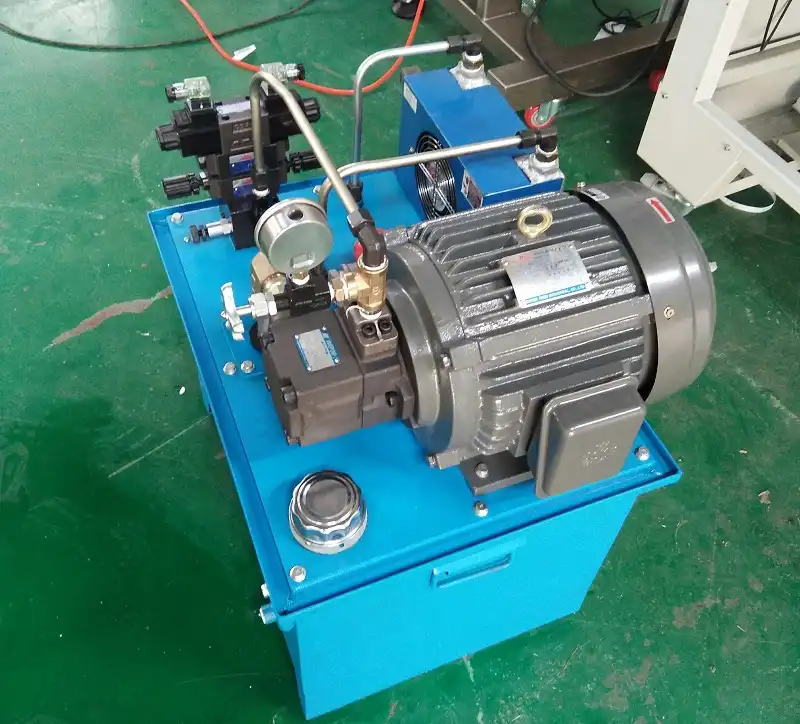
Understanding these differences is crucial for any logistics manager, especially with today’s diverse pallet specifications and demanding supply chains. I will break down each system, explain how they work, and help you decide which solution best fits your operational needs. (material handling equipment comparison, logistics efficiency)
What Exactly Is a Pallet Changer?
Do you frequently need to switch products from one type of pallet to another, perhaps from a damaged one to a good one, or from a wooden pallet to a plastic one for hygiene reasons? This is a common pain point in many warehouses, including those dealing with international shipments where Euro pallets meet US standards. The manual process is slow, risky, and labor-intensive. (pallet transfer solutions, industrial pallet handling)
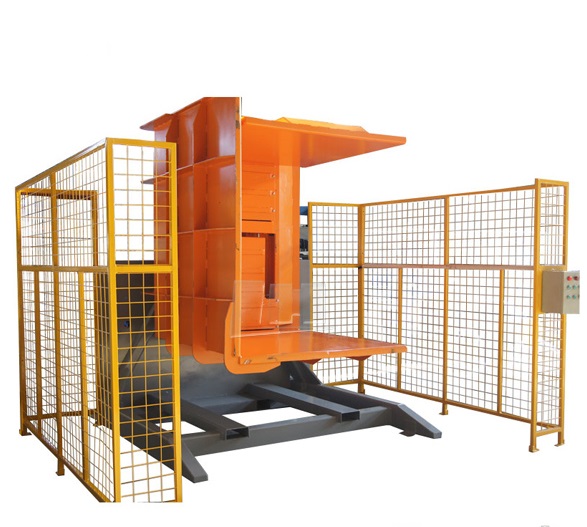
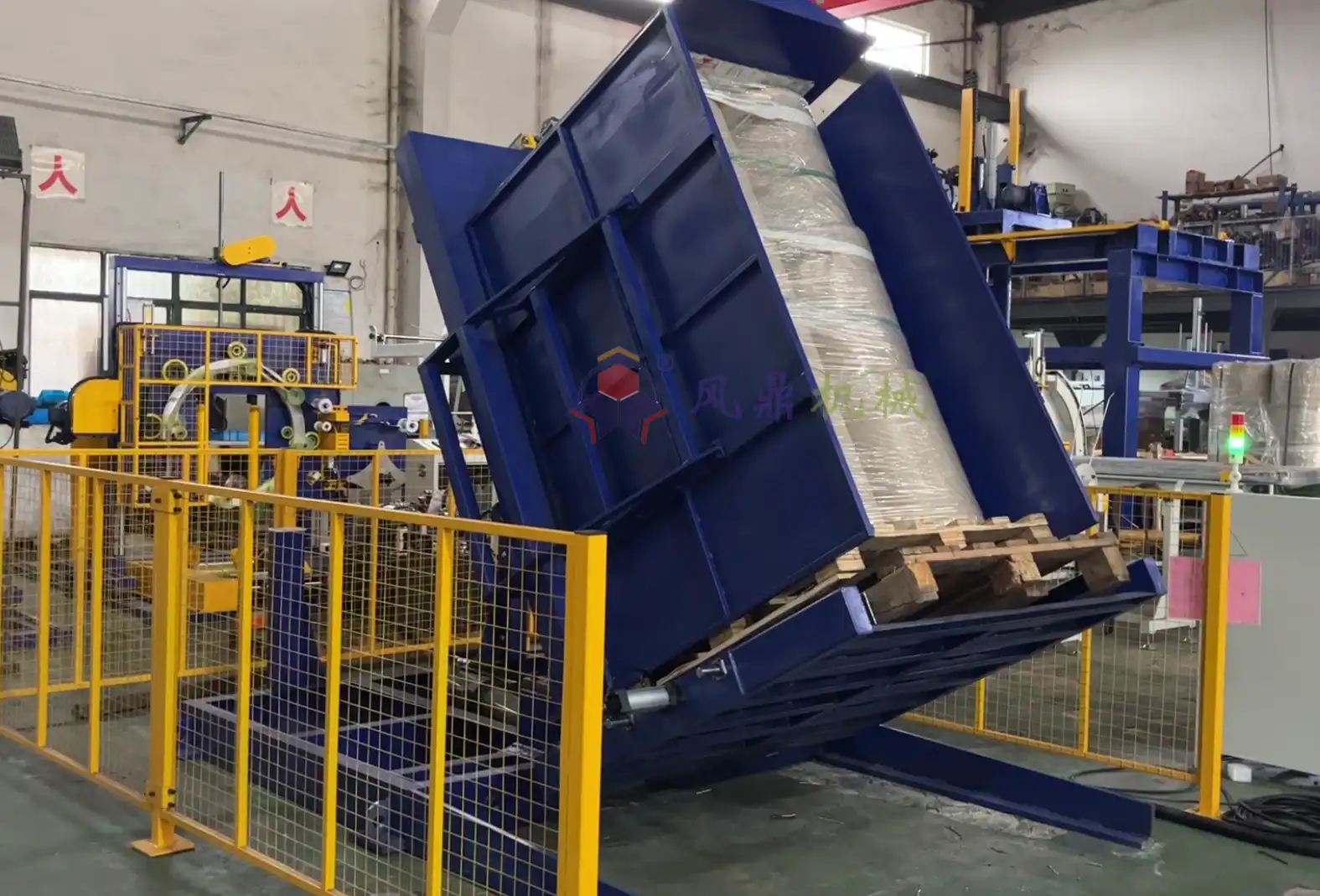
A pallet changer, also known as a pallet inverter or pallet exchanger, is a specialized machine that mechanically transfers a product load from its original pallet to a new one. It holds the load securely while the old pallet is removed and a new one is introduced underneath. These systems are essential for improving safety, efficiency, and hygiene in operations where pallet type needs to change without disturbing the stacked goods.
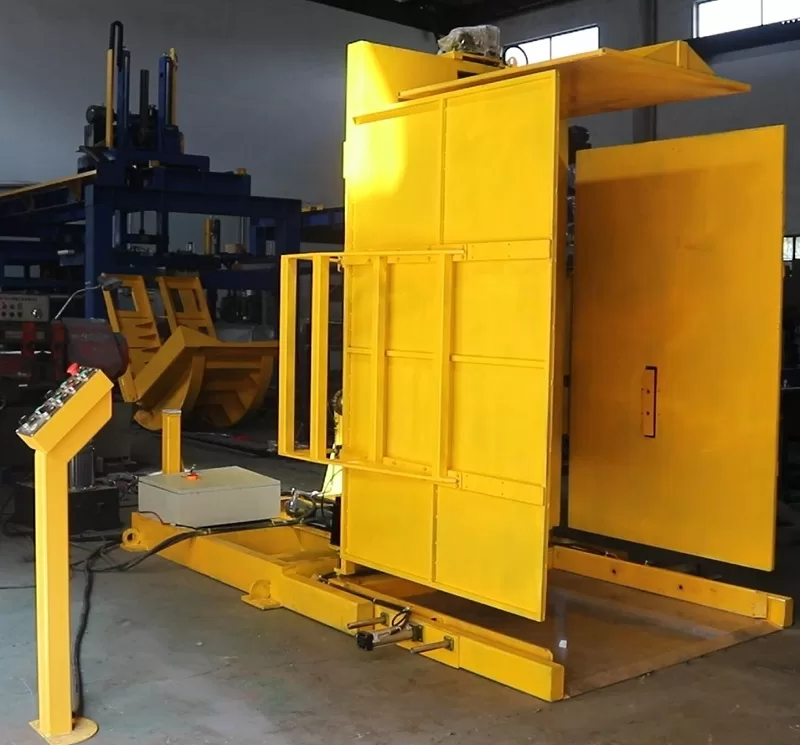
When I first started in the packing machine industry, I saw many workers struggling with manual pallet transfers. It was clear that a better way was needed. Pallet changers solve this by automating a process that used to be a major bottleneck and safety hazard. They come in various forms, from static machines in a fixed location to mobile units that can move around a warehouse. This adaptability makes them valuable tools for warehouses dealing with diverse operational requirements and strict customer delivery schedules. They are built for consistent performance in demanding environments. (warehouse safety solutions, automated material handling)
Dive deeper Paragraph: A pallet changer operates by securing a load and then performing a transfer. The specific mechanism can vary, but the goal is always the same: to exchange the pallet efficiently and safely.
- Fixed Pallet Changers: These units are installed in a permanent location within a warehouse. They are ideal for high-volume operations where loads arrive at a central point for pallet exchange. They often integrate into existing conveyor systems, making the process seamless. For example, a large food distribution center like the one Carlos manages would benefit from a fixed system to handle thousands of pallet changes daily. This helps ensure compliance with hygiene standards by moving goods from wooden transport pallets to clean, plastic in-house pallets. The reliability of these machines is paramount, as any downtime can significantly impact shipping schedules and potentially lead to costly delays. They are robust and built for continuous, heavy-duty use. (fixed pallet exchange systems, high-volume pallet transfer)
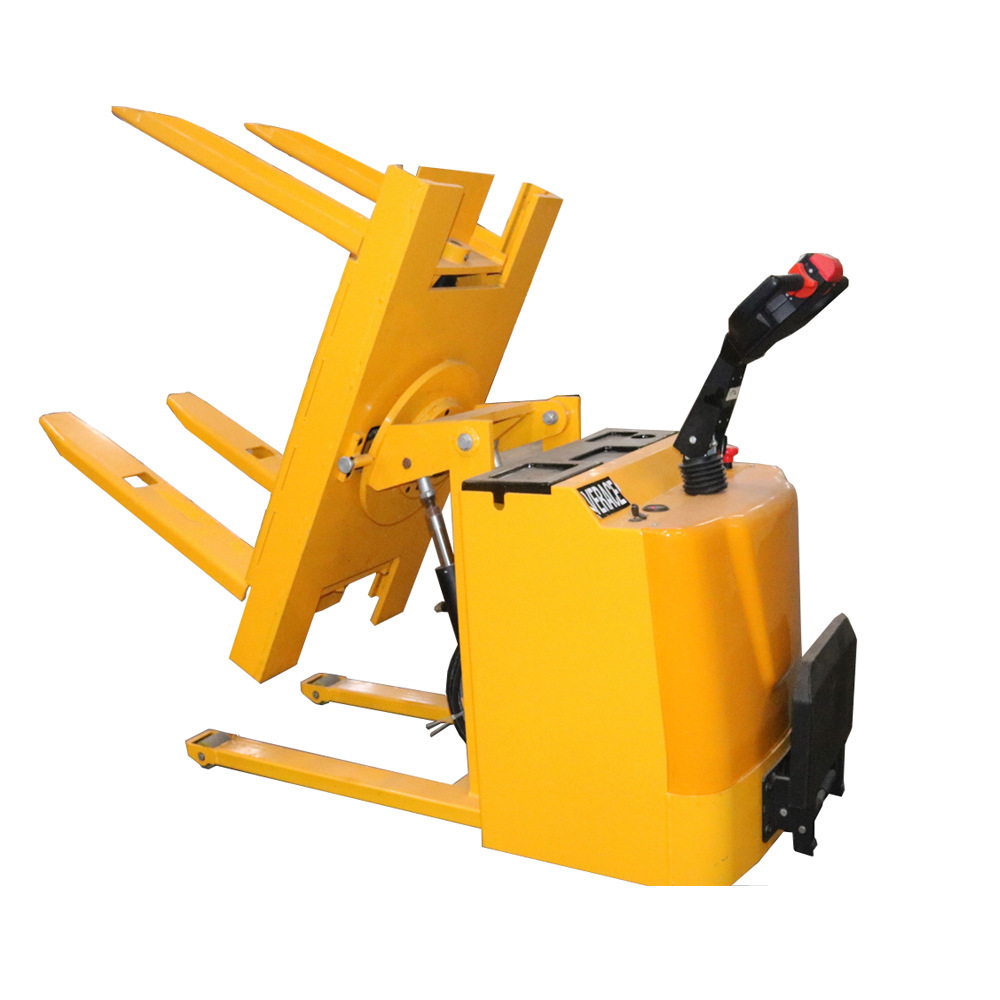
- Mobile Pallet Changers: These machines offer flexibility. They can be moved to different areas of the warehouse where pallet exchange is needed. This is great for smaller operations or for specific tasks that do not occur in a centralized location. Imagine needing to swap a few pallets in a specific section of the warehouse; a mobile unit can be brought directly to the load. They can also handle various pallet sizes, adapting to both Euro pallets and US pallets without complex reconfigurations. My clients often find mobile units useful for handling unique customer orders or for responding to unexpected pallet damage incidents quickly. This flexibility helps reduce the need for workers to manually move heavy loads, which improves overall workplace safety and reduces the risk of accidents. (mobile pallet transfer equipment, flexible pallet solutions)
- Automatic vs. Semi-Automatic: Pallet changers can be fully automatic, requiring minimal human intervention, or semi-automatic, needing an operator to initiate and supervise the process. Automatic systems are perfect for maximizing throughput and reducing labor dependency, which directly addresses challenges like rising labor costs and shortages. Semi-automatic models offer a balance between automation and operator control, often suitable for operations with varied load types or lower daily volumes. The choice depends on the specific volume, budget, and labor availability. Investing in automation here helps prevent common issues such as goods tipping over or staff injuries, which have unfortunately happened in Carlos’s warehouse. (automated pallet handling systems, reducing labor dependency)
What Is a Slip-Sheet System?
Have you ever considered completely eliminating pallets from your shipping process to save space and weight, especially for international freight? While pallets are great, they are bulky and heavy. This is where the concept of a slip-sheet system comes into play. It offers a different approach to unit load handling. (pallet-less shipping, freight optimization)
A slip-sheet system uses thin, flexible sheets made of plastic, fiberboard, or corrugated material instead of traditional wooden or plastic pallets. These sheets are placed underneath a load, and specialized equipment (often a push/pull attachment on a forklift) is used to grip and move the load. The primary benefit is reducing shipping volume and weight, as slip sheets are significantly thinner and lighter than pallets, thus cutting freight costs.
I remember discussing shipping efficiencies with clients who exported goods globally. They were always looking for ways to reduce costs without compromising product safety. Slip sheets emerged as a powerful solution for them. While FHOPEPACK focuses heavily on pallet handling and automation, understanding alternative solutions like slip-sheet systems is part of my commitment to sharing comprehensive knowledge. These systems are not for every operation, but for those focused on maximizing container space and minimizing empty weight, they can be transformative. They demand specific forklift attachments and a different approach to load handling. (reducing shipping costs, international logistics solutions)
Dive deeper Paragraph: Slip sheets are an alternative to pallets, especially beneficial for companies looking to optimize space and weight in their shipping containers. They require specific handling equipment and careful consideration of their application.
- Material and Design: Slip sheets are typically made from durable materials such as plastic (HDPE), kraft paper, or corrugated fiberboard. They often have “lips” or “tabs” on one or more sides that a forklift’s push/pull attachment can grab. These materials are chosen for their strength, resistance to moisture, and reusability (for plastic versions). The design ensures the load remains stable during transit despite the lack of a rigid pallet structure. Companies exporting a high volume of uniform products often find these sheets incredibly effective. (durable slip sheet materials, freight efficiency)
- Handling Equipment: To use slip sheets, standard forklifts need to be equipped with a specialized “push/pull” attachment. This attachment slides under the lip of the slip sheet, pulls the load onto platens (fork extensions), and then pushes the load off at its destination. This is a key difference from pallet handling, which uses standard forks. The operator training for these attachments is crucial to prevent damage to goods or the slip sheets themselves. For example, in a highly automated facility, these systems might integrate with robotic forklifts, enhancing their efficiency. (forklift push/pull attachments, specialized material handling)
- Benefits for Shipping: The most significant advantage of slip sheets is their ability to maximize space within shipping containers and reduce transportation costs. Since slip sheets are very thin, they allow for more product to be loaded into a container compared to using pallets. This can translate to significant savings on freight, especially for long-haul and international shipments. For businesses like Carlos’s, which handle international logistics, reducing the cube and weight for specific export operations could be a significant cost-saving measure, particularly for high-volume, uniform goods. However, the initial investment in push/pull attachments and the learning curve for operators must be considered. (container optimization, reduced freight expenses)
Automated Warehouse Pallet Solutions
How Do Pallet Changers and Slip-Sheet Systems Work?
Are you wondering about the practical mechanics of these systems and how they integrate into a daily warehouse operation? It’s not just about the equipment itself, but also about the workflow changes they bring. Understanding the operational differences is key to making an informed choice for your business. (warehouse operational efficiency, material flow optimization)
Pallet changers work by physically securing the product load, usually by clamping or side pressure, then lifting or tilting it to allow for the removal of the old pallet and the placement of a new one. Slip-sheet systems, conversely, use a specialized forklift attachment to grip the thin slip sheet and slide the load directly onto or off the forklift platens, completely bypassing the need for a traditional pallet at certain stages.
When I set up FHOPEPACK, I always emphasized explaining the “how” behind the “what.” It is not enough to just know what a machine does; you need to understand how it transforms your process. For pallet changers, the mechanics are about safe, stable load transfer. For slip sheets, it is about agile, space-saving load movement without the bulk of pallets. Each method has a distinct workflow and requires different considerations for implementation in your facility. (load transfer mechanics, specialized material handling equipment)
Dive deeper Paragraph: The operational principles of pallet changers and slip-sheet systems are quite distinct, each addressing different logistical challenges. Let’s explore their fundamental workings.
- Pallet Changer Operation: A typical pallet changer will first receive the loaded pallet. Then, using hydraulic or mechanical clamps, it will firmly grip the product on the pallet. Once the load is secure, the machine might rotate the load (as with a 90-degree or 180-degree pallet inverter) or simply lift it straight up, allowing the operator to manually remove the original pallet. A new, clean, or differently sized pallet is then placed underneath the suspended load, and the load is gently lowered onto it. Some advanced models can even automatically feed new pallets and eject old ones. This process ensures the integrity of the product stack, preventing collapses or damage. For high-throughput environments like Carlos’s food distribution center, an automated FHOPEPACK pallet changer can perform these exchanges in less than a minute, dramatically accelerating operations and improving worker safety by eliminating manual handling. This reliable performance is critical for meeting tight delivery schedules and avoiding penalties. (automated pallet transfer process, secure load handling)
- Slip-Sheet System Operation: The core of a slip-sheet system relies on forklifts equipped with “push/pull” attachments. To pick up a load on a slip sheet, the forklift’s platens slide underneath the load, and the push/pull attachment extends a gripper arm to catch the lip of the slip sheet. The attachment then pulls the load, along with the slip sheet, onto the platens. To deposit the load, the forklift positions the load, and the push/pull mechanism pushes the load off the platens while retracting, leaving the load on the ground, a conveyor, or another pallet. This method demands careful operator training due to the precise movements required. It is most effective when the entire supply chain, from sender to receiver, is set up to handle slip sheets, as standard forklifts without the attachment cannot move these loads. (slip sheet handling procedures, forklift attachment usage)
- Integration into Workflows: Pallet changers are often integrated into existing production lines or in dedicated areas where pallet types frequently need to change for storage, shipping, or hygienic reasons. They are ideal for operations that always require a pallet but need to change the pallet itself. Slip-sheet systems, conversely, are typically used at the point of loading for shipment, particularly for containerized freight where maximizing space and minimizing weight are priorities. They temporarily replace pallets for transport but might require goods to be transferred back onto pallets at the destination, unless the receiver also uses slip sheets. This distinction highlights their different roles in the overall logistics chain. (warehouse workflow integration, logistics chain optimization)
What Are the Key Advantages of a Pallet Changer?
Are you concerned about safety, labor costs, and operational bottlenecks related to manual pallet handling? These were some of the biggest issues my early clients faced. A pallet changer is often the direct answer to such concerns, offering benefits that go beyond just swapping pallets. (warehouse safety improvements, labor cost reduction)
The primary advantages of a pallet changer include significantly enhanced safety by reducing manual intervention, increased operational efficiency through faster and automated load transfers, and improved hygiene control by allowing easy exchange from dirty or wooden pallets to clean or plastic ones. It helps maintain product integrity during the transfer process and supports compliance with diverse international pallet regulations.
My journey in the packing machine industry taught me that real value comes from solving real problems. For many of my clients, a FHOPEPACK pallet changer has been a game-changer. It is not just about moving goods; it is about protecting your people, your products, and your bottom line. These machines are designed to withstand the rigorous demands of busy warehouse environments, providing a reliable solution day in and day out. (efficient pallet management, logistics compliance)
Dive deeper Paragraph: Pallet changers offer a compelling set of advantages, especially for operations that deal with various pallet types, high volumes, or strict safety and hygiene standards.
- Enhanced Safety: This is perhaps the most critical benefit. Manually transferring loads from one pallet to another, especially heavy or unstable ones, poses significant risks of injury to workers and damage to goods. I have heard too many stories of back injuries, crushed fingers, or goods tumbling down. A pallet changer automates this hazardous task, holding the load securely and eliminating the need for manual lifting or tipping. This directly addresses Carlos’s challenge of safety risks and helps reduce insurance costs and potential compensation payouts. Investing in a FHOPEPACK pallet changer is an investment in your employees’ well-being and your company’s safety record. (worker safety in warehousing, reducing workplace accidents)
- Increased Efficiency and Throughput: Manual pallet changes are slow and disrupt the flow of goods. A dedicated pallet changer can complete a transfer in a fraction of the time, often within seconds or a couple of minutes, depending on the model and level of automation. This speed significantly improves the overall throughput of a warehouse. For operations like a food distribution center handling thousands of pallets daily, this efficiency translates directly into faster shipping times and the ability to meet demanding customer delivery schedules. It allows for continuous operation, ensuring that goods move quickly from receiving to dispatch without unnecessary delays. (improving warehouse throughput, rapid pallet exchange)
- Cost Reduction: By automating the pallet exchange process, businesses can reduce their reliance on manual labor for this specific task. This addresses labor shortages and rising labor costs. Furthermore, it minimizes product damage during transfers, leading to fewer write-offs and returns. The efficiency gains also contribute to lower operational costs per pallet handled. While there is an initial investment, the long-term savings from reduced labor, fewer injuries, and less product damage often provide a strong return on investment. This is a clear path to improving the bottom line. (operational cost savings, automated pallet solutions ROI)
- Improved Hygiene and Compliance: Many industries, especially food, beverage, and pharmaceutical, require strict hygiene standards. Pallet changers allow easy transfer of goods from wooden inbound pallets (which might carry pests or dirt) to clean, plastic, or in-house pallets suitable for production or storage areas. This ensures compliance with sanitary regulations and prevents cross-contamination. Moreover, for international shipping, pallet changers facilitate the quick switch between different pallet standards (e.g., Euro, US, plastic, wooden), ensuring goods are always on the correct type of pallet for their destination. This flexibility is crucial for global supply chains. (hygiene in food logistics, international pallet standards compliance)
What Are the Main Benefits of a Slip-Sheet System?
Are you constantly looking for ways to cut down on freight costs and maximize shipping container space, especially for high-volume exports? While not always the answer for internal warehouse pallet changes, slip-sheet systems offer unique benefits tailored for specific logistics challenges. (freight cost reduction strategies, container loading optimization)
The main benefits of a slip-sheet system are significant savings on freight costs due to reduced weight and volume, optimized use of shipping container space by eliminating bulky pallets, and environmental advantages from using less material (compared to pallets) or recyclable sheets. They also offer a more stable load profile in transit without the shifting potential of traditional pallets.
When I talk about optimizing operations, it is about looking at the entire supply chain. A slip-sheet system might not be what FHOPEPACK specializes in directly, but I recognize its value for specific segments of the logistics puzzle. It is about understanding that different problems require different solutions. These systems are about making your load unit as compact and light as possible for transport. (logistics cost efficiency, eco-friendly shipping solutions)
Slip-sheet systems provide distinct advantages, primarily focused on optimizing the shipping phase of the supply chain, which can lead to substantial financial and environmental benefits.
- Significant Freight Cost Reduction: This is arguably the most compelling advantage. Pallets are heavy and take up valuable space. By replacing them with thin slip sheets, the overall weight of the shipment decreases, directly reducing transportation costs, especially for air and sea freight where weight and volume are primary pricing factors. Furthermore, more product can be loaded into a container because slip sheets are so thin, leading to fewer shipments required for the same volume of goods. For a multinational group like Carlos’s, even a small percentage reduction in freight costs across thousands of shipments can result in millions of dollars in savings annually, making it a powerful tool for large-scale export operations. (reducing transportation expenses, logistics cost optimization)
- Maximized Container Space Utilization: Slip sheets allow companies to load up to 10-15% more product into a shipping container compared to using traditional pallets. This is because the thickness of pallets adds up significantly across multiple layers and rows. By eliminating this wasted space, businesses can ship more goods per container, reducing the total number of containers needed. This is particularly beneficial for businesses that ship high volumes of uniform products globally. It is an effective way to improve cubic efficiency and maximize every inch of cargo space, which is especially vital in today’s high-demand shipping market. (shipping container efficiency, optimized cargo loading)
- Environmental Benefits: Slip sheets, especially those made from recycled content or recyclable plastic, can offer environmental advantages over traditional wooden pallets. They reduce waste, can be reused multiple times (for durable plastic types), and their lighter weight contributes to lower fuel consumption during transport. While wooden pallets can be recycled or repaired, slip sheets often have a smaller ecological footprint in their production and disposal, particularly when considering the energy saved in shipping. This aligns with corporate sustainability goals and appeals to environmentally conscious customers. (sustainable packaging solutions, reduced environmental impact)
- No Pallet Return or Repair Costs: Unlike pallets, which often need to be tracked, returned, or repaired, slip sheets are typically one-way or have a much simpler disposal/recycling process. This eliminates the logistical complexities and costs associated with pallet management, including tracking, storage, maintenance, and freight for returns. This simplification can reduce administrative burden and provide a clearer cost structure for shipping. However, the initial cost of slip sheets themselves and the specialized forklift attachments must be factored into the overall cost analysis. (pallet management cost reduction, supply chain simplification)
Which System Is Right for Your Warehouse?
Are you a logistics manager like Carlos, grappling with diverse pallet types, labor shortages, and safety issues while striving for higher efficiency and customer satisfaction? Deciding between a pallet changer and a slip-sheet system is not a trivial matter; it requires a clear understanding of your specific operational needs and challenges. My experience has shown me that the right choice can significantly boost your bottom line. (warehouse equipment selection, operational needs analysis)
Choosing between a pallet changer and a slip-sheet system depends entirely on your primary goal. If you need to physically swap pallets (e.g., from wooden to plastic, damaged to good, or different regional standards like Euro to US pallets) while keeping the load intact, a pallet changer is the ideal solution. If your main objective is to maximize shipping container space, reduce freight weight, and potentially eliminate pallets for transport, then a slip-sheet system might be more appropriate, assuming your receiving partners can handle them.
As Randal Liu, I always advise my clients to look at their core problems. Carlos’s situation, with frequent pallet type changes for international exports, labor safety concerns, and the need for automation, strongly points towards one clear solution. I want to help you make an informed decision that will genuinely improve your warehouse’s performance and safety. (logistics automation decision, material handling solution choice)
Dive deeper Paragraph: To determine the best fit for your warehouse, you need to weigh your specific operational challenges and strategic goals against the capabilities of each system.
- When to Choose a Pallet Changer (FHOPEPACK Recommendation): If your daily operations involve:
- Frequent Pallet Type Switching: Like Carlos, if you handle both Euro and US pallets for international shipping, or need to switch from wooden inbound pallets to hygienic plastic pallets for internal processing (e.g., in food industries), a pallet changer is essential. It streamlines this process.
- Damaged Pallet Replacement: You often receive goods on damaged pallets that cannot be stored or shipped. A pallet changer allows for quick and safe transfer to a sound pallet.
- Improved Safety and Reduced Labor: You aim to minimize manual handling risks and reduce reliance on labor for heavy, repetitive tasks. Pallet changers dramatically increase safety.
- Maintaining Product Integrity: Your products are delicate or cannot be inverted, but the pallet still needs changing. Many FHOPEPACK pallet changers can perform side-clamping transfers without tilting the load.
- High Throughput & Reliability: You need a robust, continuous solution for fast pallet changes to meet demanding schedules. FHOPEPACK offers reliable, high-performance pallet changers designed for industrial use. If you need a reliable secondary option, SHJLPACK also offers a range of effective pallet handling solutions. (FHOPEPACK pallet changer benefits, industrial pallet transfer)
- When to Consider a Slip-Sheet System: If your primary focus is:
- Maximizing Shipping Space and Minimizing Freight Costs: You regularly ship high volumes of goods in containers, and every inch/pound counts for cost efficiency.
- Long-Distance or International Shipping: The cost savings on freight for large volumes can be substantial over long distances.
- Uniform Product Loads: Your products are stable and can be safely loaded and unloaded directly onto/off slip sheets without a pallet.
- Supply Chain Integration: Your receiving partners are equipped with push/pull attachments and can handle slip-sheeted loads, or you are willing to re-palletize at the destination.
- Environmental Goals: You are looking for alternatives to traditional wooden pallets to reduce waste or material usage in shipping.
- While FHOPEPACK doesn’t specialize in slip-sheet systems, we understand their value in specific export scenarios. (slip sheet system applications, freight optimization strategies)
- Carlos’s Scenario – A Clear Case for Pallet Changers: Given Carlos’s challenges (diverse pallet specs, labor shortages, safety risks, customer pressure for fast delivery), a pallet changer system is undoubtedly the more direct and impactful solution. He explicitly needs to switch between Euro and US pallets, reduce manual labor for high-intensity tasks, and mitigate safety risks from manual load flipping. FHOPEPACK’s range of automatic and semi-automatic pallet changers directly addresses these pain points by offering reliable, efficient, and safe pallet exchange capabilities. It enhances his automation levels, improves safety, and reduces operational costs while ensuring compliance and customer satisfaction. (Carlos Rodríguez logistics solutions, FHOPEPACK solutions for warehousing)
Conclusion
Choosing the right material handling equipment is vital for modern logistics. Pallet changers are indispensable for efficiently and safely swapping pallets while maintaining product integrity, perfectly suiting operations with diverse pallet needs and high safety standards. Slip-sheet systems excel at maximizing shipping space and reducing freight costs, ideal for high-volume containerized shipments. For most warehouses seeking robust internal pallet inverter solutions, FHOPEPACK’s expertise in pallet changers provides the ultimate answer to common operational challenges.








