
What Is a Pallet Changer and How Does It Work in Manufacturing?
Have you ever faced a logistical nightmare trying to move goods between different pallet types? I’m Randal Liu, and I’ve seen countless businesses struggle with this exact challenge. The constant switching, the labor, the risks involved—it can create huge bottlenecks in even the most efficient operations. This problem often leads to costly delays, damaged products, and even workplace injuries. It is a major drain on time and resources that can directly impact your bottom line and customer satisfaction.
A pallet changer is an innovative machine designed to efficiently and safely transfer goods from one pallet to another, or to replace a damaged pallet without disturbing the product load. These systems are crucial in manufacturing, warehousing, and logistics, as they help businesses adapt to different pallet specifications, improve hygiene, and streamline their supply chain operations by automating a task traditionally done manually.

Understanding the basics of a pallet changer is just the start. Many of you, like Carlos Rodríguez in Spain, a seasoned Warehouse and Logistics Manager, deal with these issues daily. He knows how critical it is to maintain smooth operations, especially with thousands of pallets moving in and out. If you are looking to boost your efficiency, reduce operational costs, and enhance safety, then diving deeper into how these powerful machines work is essential. Let’s explore how a pallet changer can become a game-changer for your business.
What Exactly is a Pallet Changer and Why is it Essential?
Are manual pallet changes slowing down your operations and increasing your costs? Many businesses today face the frustrating reality of inefficient pallet handling, leading to lost time, increased labor expenses, and potential damage to valuable goods. These manual processes can quickly become bottlenecks, especially in high-volume environments, affecting delivery schedules and overall productivity.
A pallet changer is a specialized piece of equipment that mechanizes the process of transferring a stacked load of goods from one pallet to another. It securely holds the product while either moving it onto a new pallet or replacing the old pallet beneath it. This automated process is essential for modern manufacturing and logistics, allowing companies to quickly adapt to different pallet types, maintain hygiene standards, and rectify issues like damaged pallets without manual heavy lifting.
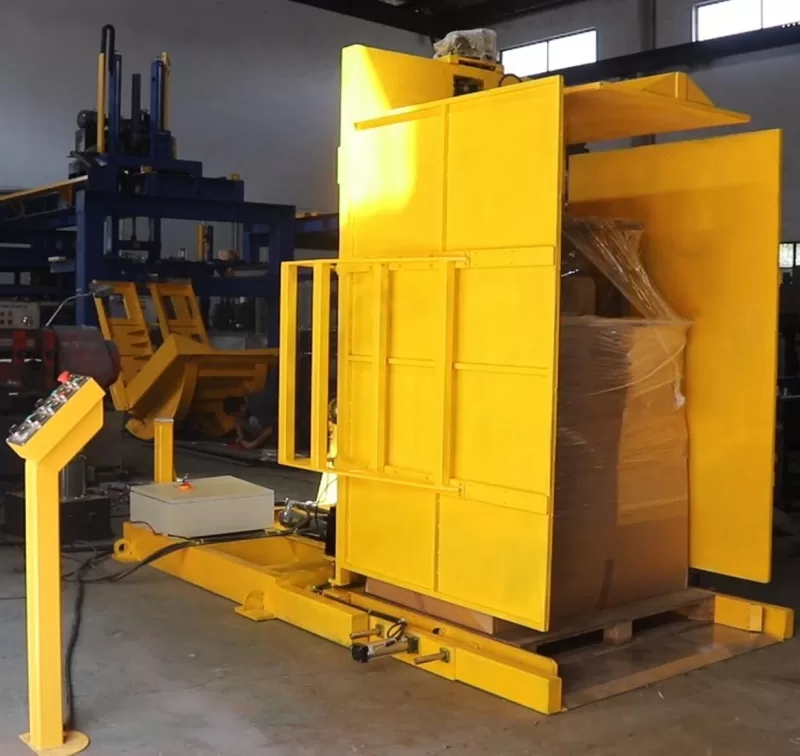
As someone who built FHOPEPACK from the ground up, I understand the practical needs of the packing machine industry. For managers like Carlos, who oversee European distribution for a multinational food and beverage group, the need for pallet changers is not just a luxury, it’s a critical operational necessity. His warehouse handles thousands of pallets daily, often requiring switches between Euro pallets, American pallets, and even plastic pallets for various export markets. This frequent need highlights why a reliable pallet exchange system is more than just a convenience; it’s a fundamental tool for compliance, efficiency, and maintaining product integrity in complex logistics operations. Without it, the risk of delays, non-compliance penalties, and client dissatisfaction rises dramatically. (pallet exchange system, load transfer device)
How Do Different Types of Pallet Changers Operate?
Do you know that not all pallet changers are built the same? Many people mistakenly believe one size fits all, only to find that an unsuitable machine can create more problems than it solves. Choosing the wrong type can lead to inefficient operations, wasted investment, and ongoing frustration. This lack of understanding can severely impact your operational flow.
Different pallet changers operate using various mechanical principles, each designed to handle specific load types and operational needs. The main types include top press systems, side clamp units, and inverting/tipping machines. Top press changers secure the top of the load and lift the pallet. Side clamp changers grip the sides of the load, allowing the pallet to be removed or exchanged. Inverting or tipping machines rotate the entire load, enabling a new pallet to be slid underneath or the original pallet to be replaced from the bottom. These distinct mechanisms ensure flexibility for diverse industrial applications.

At FHOPEPACK, we’ve seen firsthand how important it is for businesses to select the right tool for the job. Our experience in designing and manufacturing packing machines gives us a unique insight into these operational requirements. For example, Carlos’s need for flexibility across various pallet sizes means he needs a system that can adapt. Here is a closer look at the common types of pallet changers and how they generally operate:
- Top Press Pallet Changers: These machines work by securely clamping the top of the product load. Once the load is held firmly, the original pallet beneath it can be easily removed. A new pallet is then inserted, and the load is gently lowered onto it. This method is ideal for stable loads that can withstand vertical pressure. It ensures that the product remains undisturbed during the transfer, making it suitable for stacked boxes or cartons. This mechanism simplifies the process of changing a damaged pallet or switching to a different pallet type without re-stacking the entire load. This system is perfect for operations where maintaining load integrity is paramount, reducing potential product damage and saving significant manual labor time.
- Side Clamp Pallet Changers: As the name suggests, these systems secure the load by clamping it from the sides. Once the load is firmly gripped, the machine can either tilt or rotate the load, allowing the pallet to be exchanged or completely removed. Side clamp changers are highly versatile and can handle a wide range of product shapes and sizes, including those that might not be suitable for top clamping. This type is particularly useful for changing pallets to meet hygiene standards, such as swapping wooden pallets for plastic ones in food processing environments. The ability to rotate the load also offers flexibility for various handling requirements, making it a robust choice for diverse inventory.
- Flipper/Tipper Pallet Changers (Pallet Inverters): These machines operate by rotating or inverting the entire palletized load. The load, along with its pallet, is clamped and then tilted or flipped by a full 90 or 180 degrees. This action allows access to the bottom of the load or the original pallet for removal or replacement. Flipper units are often used when the goods need to be inverted for specific processes or when a complete pallet swap is needed quickly. They are effective for heavy and stable loads. These are especially beneficial in scenarios where the bottom layers of a stack need inspection or when consolidating loads onto uniform pallets. The robust design handles heavy weights, guaranteeing a smooth and controlled inversion process.
- Pushing Type Pallet Changers: This method involves pushing the entire load from one pallet directly onto another. The machine often uses a flat plate or conveyor to gently slide the goods across, while the old pallet is removed and a new one is introduced. This method is excellent for fragile goods or loads that cannot be clamped from the top or sides. It minimizes any potential stress on the product, ensuring a gentle transfer. Pushing type changers are highly efficient for high-volume operations where speed and product protection are equally important. They can be integrated into automated lines, making the pallet transfer seamless and reducing human intervention to a minimum.
Each type serves a distinct purpose, offering tailored solutions for automated pallet transfer. Understanding these mechanisms helps businesses choose the most effective pallet inverter mechanisms for their specific production line integration needs. (automatic pallet transfer, hydraulic pallet changers)
What Core Challenges Do Pallet Changers Solve for Operations Managers?
Are you, like many other operations managers, constantly battling against diverse pallet specifications, rising labor costs, and ongoing safety concerns? In today’s fast-paced logistics and manufacturing world, these issues create significant roadblocks, leading to inefficiencies, increased expenses, and potential accidents. The pressure to maintain seamless operations while navigating these hurdles is immense.
Pallet changers are fundamental tools that address several critical challenges faced by operations managers, especially in environments with high throughput and diverse logistical requirements. They streamline operations by efficiently handling varied pallet types, significantly reduce reliance on manual labor, and drastically improve workplace safety by minimizing human interaction with heavy loads. Moreover, these machines enhance compliance with international shipping standards and accelerate product movement, directly contributing to greater customer satisfaction.

From my perspective, having founded FHOPEPACK and worked closely with countless clients, I’ve seen how these challenges impact profitability and growth. Carlos Rodríguez’s daily operations are a perfect example. He needs solutions that are not just theoretical but practical and reliable. Here’s how pallet changers directly tackle the problems that keep managers like Carlos up at night:
- Addressing Diverse Pallet Specifications: Carlos’s biggest headache is the frequent switching between Euro, American, and plastic pallets for his international food and beverage exports. Manual handling of these different sizes is inefficient and prone to error. Pallet changers solve this by offering adaptable systems that can seamlessly transfer goods between various pallet types. This ensures compliance with different national regulations and shipping standards, preventing costly delays and rejections at customs. For food products, the ability to switch to hygienic plastic pallets is vital for meeting strict health and safety guidelines. This adaptability makes the entire process faster, more accurate, and much less stressful for the logistics team.
- Alleviating Labor Scarcity and Rising Costs: The continuous rise in labor costs and the difficulty in finding young workers willing to perform strenuous manual handling tasks are major concerns for warehouse managers. Pallet changers automate the physically demanding and repetitive job of swapping pallets. This not only reduces the number of staff needed for these specific tasks but also reallocates valuable human resources to more skilled or supervisory roles within the warehouse. By minimizing human intervention, businesses can operate with a leaner, more efficient workforce, directly lowering overall operational costs associated with wages, recruitment, and training. It’s a smart investment against an increasingly challenging labor market.
- Enhancing Safety and Reducing Risk: Manual pallet flipping or exchanging carries significant safety risks, including cargo spills, product damage, and serious injuries to personnel. Carlos has experienced several accidents due to manual handling. Pallet changers eliminate the need for manual lifting and maneuvering of heavy loads, thereby drastically reducing the risk of workplace injuries. Automated systems include safety features like light curtains, emergency stop buttons, and interlocks, ensuring a secure operating environment. This proactive approach to safety not only protects employees but also reduces insurance premiums, workers’ compensation claims, and the financial burden of production downtime caused by accidents. It demonstrates a commitment to employee well-being.
- Meeting Demanding Delivery Schedules and Customer Expectations: The modern consumer, driven by e-commerce and retail trends, expects shorter delivery times. This puts immense pressure on warehousing and logistics operations to accelerate their processes. Slow, manual pallet changes can become a critical bottleneck, leading to missed deadlines and unhappy customers. Pallet changers significantly reduce the time required for pallet switching, improving overall throughput and allowing for faster dispatch. By ensuring quick and compliant pallet transfers, businesses can meet tight delivery windows, avoid contractual penalties, and maintain high levels of customer satisfaction, which is crucial for long-term client retention and business growth. These solutions are key for supply chain efficiency. (warehouse automation, logistics challenges, workplace safety solutions)
Where Do Pallet Changers Offer the Most Impact in Manufacturing and Logistics?
Do you sometimes wonder if pallet changers are only for highly specialized industries? Many businesses overlook the broad applicability of these machines, mistakenly believing they won’t benefit their specific operations. This limited perspective can prevent you from realizing significant efficiency gains and cost savings that are available across diverse sectors.
Pallet changers provide substantial impact across numerous sectors within manufacturing and logistics by optimizing the handling of palletized goods. They are especially transformative in industries such as food and beverage, pharmaceuticals, chemicals, and large-scale distribution centers. Their ability to ensure hygiene, meet international shipping standards, manage varied load types, and boost throughput makes them an indispensable asset for any operation focused on efficiency, safety, and compliance in its supply chain.
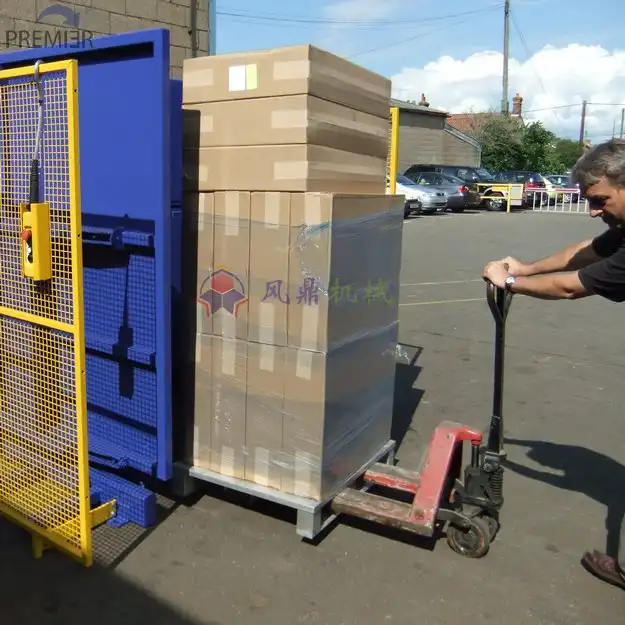
Based on my years in the packing machine industry, I’ve seen pallet changers become indispensable tools in a wide array of environments. The versatility of these machines means they can be tailored to solve specific problems in many different production and distribution scenarios. For operations managers like Carlos, whose multinational food and beverage group needs to move thousands of pallets, understanding these applications can open up new avenues for optimization.
- Food and Beverage Industry: This sector, where Carlos works, hugely benefits from pallet changers. Hygiene is paramount, meaning goods often need to be transferred from traditional wooden pallets to clean plastic pallets before entering processing or cold storage areas. Pallet changers ensure this swap happens quickly and hygienically, preventing contamination. They also facilitate the transfer of goods onto export-compliant pallets (e.g., Euro to American standard), crucial for international shipping and meeting diverse market requirements without manual handling that could compromise food safety.
- Pharmaceutical and Chemical Industries: In these highly regulated environments, maintaining product integrity and preventing cross-contamination is non-negotiable. Pallet changers allow for the isolation of incoming pallets from cleanroom or sterile environments by transferring products to sanitized pallets. They also assist in handling sensitive or hazardous materials, ensuring that the primary product remains untouched while the pallet is exchanged. This reduces exposure risks and maintains the stringent quality control necessary for these critical products.
- Logistics and Distribution Centers: For high-volume operations, pallet changers are key to maintaining rapid throughput. They are used for consolidating mixed loads, preparing shipments for different regions with varying pallet requirements, and quickly replacing damaged pallets to keep goods moving. In cross-docking operations, where goods are quickly transferred from incoming to outgoing shipments, pallet changers ensure a smooth and efficient flow, minimizing storage time and accelerating delivery. This maximizes warehouse capacity and improves overall operational efficiency.
- General Manufacturing and Warehousing: Beyond specific industries, any manufacturing facility or warehouse dealing with palletized goods can benefit. Whether it’s swapping out worn-out factory pallets for shipping-ready pallets, or inverting loads for inspection or specific packaging steps, pallet changers streamline internal logistics. They improve safety by automating the handling of heavy or awkward loads and help in organizing inventory by standardizing pallet types within the facility while accommodating external variations. This ensures a smoother internal flow and efficient external distribution.
These applications highlight the broad utility of industrial pallet transfer systems in enhancing automated warehouse solutions and contributing significantly to robust supply chain integration across various sectors. (industrial pallet transfer, automated warehouse solutions)
What Critical Features Should You Look for in a Reliable Pallet Changer?
Are you feeling overwhelmed by the sheer number of pallet changer options on the market? Making the wrong choice can lead to significant headaches down the line, from frequent breakdowns to inadequate performance that fails to meet your operational needs. Many businesses rush into a purchase without fully understanding what truly constitutes a reliable and effective solution.
When selecting a pallet changer, it is crucial to prioritize several key features to ensure long-term reliability and optimal performance. Look for robust construction designed for heavy-duty use, adaptability to a wide range of pallet sizes and types, and a high degree of automation that minimizes manual intervention. Essential safety features, comprehensive after-sales support, and the potential for customization are also critical. These elements ensure the machine not only meets immediate operational demands but also provides a durable, safe, and efficient solution that supports long-term business growth.
I’ve learned through building FHOPEPACK that the true value of machinery lies in its ability to solve real problems and provide consistent performance. Carlos Rodríguez, for instance, isn’t just looking to buy a machine; he seeks a partner who understands his warehouse challenges and offers flexible, reliable solutions. He values equipment that is dependable, adaptable, reduces manual operation, and operates stably in high-intensity environments. Here’s what I recommend looking for:
- Robust Construction and Reliability: The first thing you need is a machine built to last. A reliable pallet changer is constructed from high-quality, durable materials, capable of withstanding the rigors of continuous operation in a demanding industrial environment. This includes heavy-duty frames, robust hydraulic or pneumatic systems, and components designed for minimal wear and tear. At FHOPEPACK, we prioritize engineering that guarantees a long service life and consistent performance, minimizing downtime and maximizing your return on investment. This focus on durability ensures the machine will reliably handle high-intensity warehousing tasks day in and day out, preventing costly interruptions.
- Adaptability to Multiple Pallet Types and Sizes: For businesses with international operations, like Carlos’s, the ability to handle various pallet specifications (Euro, American, plastic, etc.) is non-negotiable. A superior pallet changer should offer flexibility, either through adjustable settings or specialized attachments, to accommodate different pallet dimensions and materials. This adaptability is crucial for seamless transitions between various supply chain requirements and maintaining compliance across diverse markets. Our systems are designed to offer this versatility, ensuring you can manage any pallet type with ease, reducing manual effort and potential errors.
- Level of Automation and Integration: Consider whether you need a semi-automatic system, which requires some operator interaction, or a fully automatic system that integrates seamlessly into an existing production line. Higher levels of automation significantly reduce labor dependency, improve operational speed, and increase overall efficiency. Look for features like programmable logic controllers (PLCs), sensor-based operations, and the ability to connect with other warehouse management systems for a truly optimized workflow. This advancement minimizes human errors and maximizes throughput, which is essential for meeting tight delivery schedules.
- Comprehensive Safety Features: Given the potential risks involved with heavy machinery, safety cannot be compromised. A top-tier pallet changer must include essential safety features such as emergency stop buttons, safety light curtains, interlocking safety gates, and clear operational warnings. These features protect operators from injury and prevent damage to goods. Look for equipment that meets international safety standards and prioritizes ergonomic design to ensure that any necessary human interaction is as safe as possible. Your chosen solution should reduce accidents and lower associated costs, like insurance and compensation.
- Exceptional After-Sales Support and Partnership: A supplier who only sells machines and then disappears is not a partner. What Carlos seeks, and what FHOPEPACK prides itself on, is building long-term relationships. This means offering comprehensive installation support, operator training, readily available spare parts, and responsive technical service. A true partner understands your pain points and provides ongoing support to ensure your equipment continues to perform optimally. While SHJLPACK also offers pallet solutions, at FHOPEPACK, our mission is to provide not just equipment, but a knowledge-sharing platform and a commitment to helping our clients grow. We aim to be a true partner in your automation journey, offering customized solutions and expert guidance every step of the way. (pallet changer specifications, buying guide, trusted supplier)
Conclusion
Pallet changers are transformative for modern manufacturing and logistics, solving critical challenges from diverse pallet types and labor shortages to safety risks and tight deadlines. They boost efficiency, reduce costs, and ensure compliance. By carefully choosing a reliable system with robust features and strong support, businesses can achieve significant operational improvements. I believe in empowering businesses through smart automation. Consider how a pallet inverter can revolutionize your operations.








