
Steel vs PET Strapping Machine for Steel Coil — Which Is the Better Choice?
When managing a large steel mill, particularly the finished goods section like cold rolling and slitting, I know firsthand the pressures you face. You are responsible for hundreds of tons of steel coils daily. The choice of strapping material and the machine behind it directly impacts efficiency, safety, and customer satisfaction. An inefficient packing process can lead to delayed shipments, client complaints, returns, and even contract penalties. This decision is not just about a machine; it’s about finding a robust, integrated solution that works seamlessly with your production line, minimizes manual intervention, and ensures consistent quality for your valuable steel products.
There is no single “better” choice between steel and PET strapping for steel coils; the optimal decision depends entirely on your specific operational needs, coil characteristics, shipping conditions, and desired levels of automation and protection. From my experience at FHOPEPACK, we focus on understanding these unique requirements to recommend and implement a customized solution that maximizes reliability, safety, and cost-effectiveness for your steel mill’s demanding environment.

Making the right decision between steel and PET strapping for your steel coils requires a deep dive into what each material offers, their limitations, and how they integrate into a high-volume, 24/7 production environment. Let’s explore these factors in detail to help you select a solution that truly masters your packing challenges and contributes to your business growth.
Understanding Steel Strapping vs. PET Strapping for Coils: What Are They?
Have you ever wondered about the fundamental differences between steel and PET strapping when securing heavy loads like steel coils? For someone overseeing critical operations, knowing the basics of each material is the first step toward making an informed choice. The wrong material can compromise your product integrity during transit.
Steel strapping, typically made from high-tensile cold-rolled steel, is a traditional and robust solution known for its high breaking strength and minimal elongation, making it ideal for extremely heavy and stable loads. PET (polyester) strapping, on the other hand, is a modern alternative crafted from plastic polymers, offering high tensile strength, elasticity, and excellent recovery properties, especially suitable for various industrial applications including steel coils.
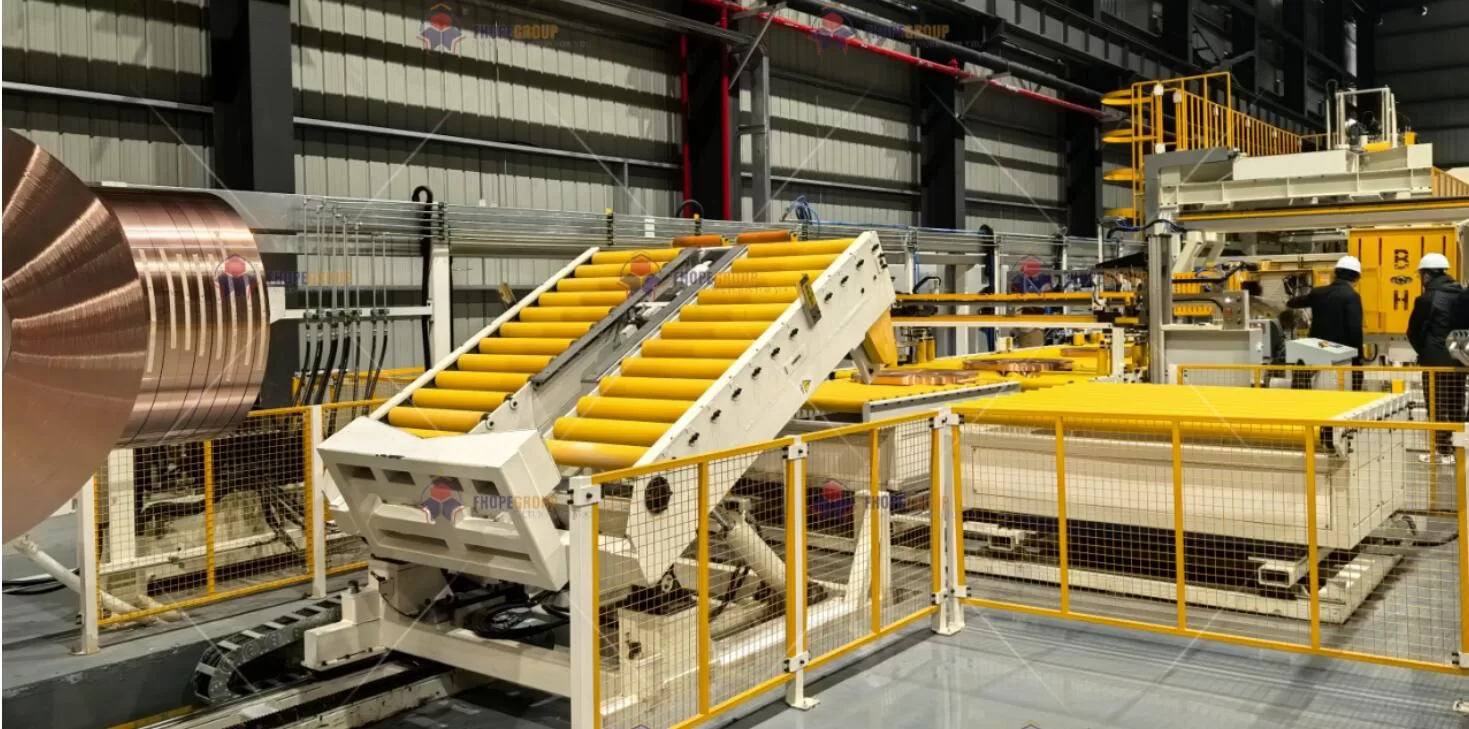
When we talk about securing steel coils, whether they are cold-rolled, galvanized, or color-coated, the strapping material plays a crucial role. I have seen countless situations where a misunderstanding of these materials led to packaging failures. Steel strapping has been the go-to for decades due to its sheer strength. It can withstand extreme tension and is less prone to stretching, which is critical for securing heavy and dense items that might settle during transport. However, its rigidity also means it cannot absorb shocks or sudden movements as well as some other materials. On the other hand, PET strapping has gained significant traction in recent years. Its polyester composition gives it a unique combination of strength and elasticity. It can stretch slightly under load and then recover, maintaining tension even if the coil shifts or contracts. This makes it more forgiving in dynamic shipping environments. Understanding these basic characteristics is vital for a production director like Ivan, who needs to ensure consistent packaging quality and prevent transit damage for diverse steel coil products. At FHOPEPACK, we always start by educating our clients on these foundational differences to match the right material with their specific challenges, like minimizing manual switching for diverse packaging needs and improving overall load security for global exports. (Steel strapping characteristics, PET strapping properties, heavy load securement)
Key Advantages: Why Choose Steel Strapping for Your Coils?
Are you dealing with exceptionally heavy steel coils that demand the utmost security during transport and storage? For steel mills shipping thousands of tons, compromising on stability is simply not an option. You need a strapping solution that provides unmatched holding power.
Steel strapping is often the preferred choice for extremely heavy-duty applications, particularly for large, dense steel coils that require maximum tension and rigidity. Its superior breaking strength and minimal stretch make it highly effective at preventing load shifting, ensuring the integrity of the coil even under challenging handling and transportation conditions.

From my extensive experience designing and implementing packing solutions, I can tell you that steel strapping excels in several key areas, particularly relevant for operations like Ivan’s.
- Unrivaled Strength and Rigidity: Steel strapping offers the highest tensile strength among all strapping materials. This is crucial for securing large steel coils, often weighing 1-3 tons or more, preventing any movement that could lead to damage or safety hazards. Its low elongation means that once applied, it holds the coil tightly with minimal slack, even after prolonged vibration or settling during long-distance transportation. This is especially important for maintaining the structural integrity of a heavy steel coil package.
- Heat and UV Resistance: Steel strapping is impervious to high temperatures and UV radiation, making it suitable for coils that might be stored outdoors or transported through various climates. Unlike plastic alternatives, it will not degrade or lose strength when exposed to harsh environmental factors, ensuring consistent performance from the steel mill to the final destination. This durability provides peace of mind for export customers with strict climate requirements.
- Cost-Effective for Certain Applications: While the initial material cost per foot might seem higher, steel strapping can be more economical for specific heavy-duty applications where fewer straps are needed due to its high strength. For consistent, high-volume securing of uniform heavy coils, the long-term reliability and reduced risk of damage can translate into significant cost savings by preventing reworks, customer complaints, and material loss.
- Established Industry Standard: For many years, steel strapping has been the benchmark for securing heavy industrial products. This means that handling equipment and procedures in many warehouses and transport companies are often optimized for steel-strapped loads. This widespread acceptance helps streamline logistics and reduces potential compatibility issues, especially for established shipping routes and partners.
For steel mill production directors focused on maximum security and reliability for their heavy products, steel strapping remains a powerful and trusted choice. At FHOPEPACK, we specialize in high-performance steel strapping machines that ensure precise tension and secure seals for even the most demanding applications, addressing Ivan’s need for consistent, high-quality strapping. (Heavy-duty strapping for steel, high tensile steel banding, industrial coil securement, robust packing solutions)
The Benefits of PET Strapping: A Modern Alternative for Steel Coils?
Are you seeking a modern, versatile strapping solution that offers impressive strength while being more user-friendly and adaptable than traditional steel? The challenges of labor shortages and the need for enhanced safety in high-volume environments often push for more innovative packaging methods.
PET strapping presents a compelling modern alternative for steel coils, combining high tensile strength with elasticity, which allows it to absorb shock and maintain tension better than steel strapping in dynamic conditions. It also offers significant benefits in terms of safety, material handling, and corrosion resistance, making it suitable for a wider range of steel coil applications, including those with sensitive surfaces or varied packaging requirements.
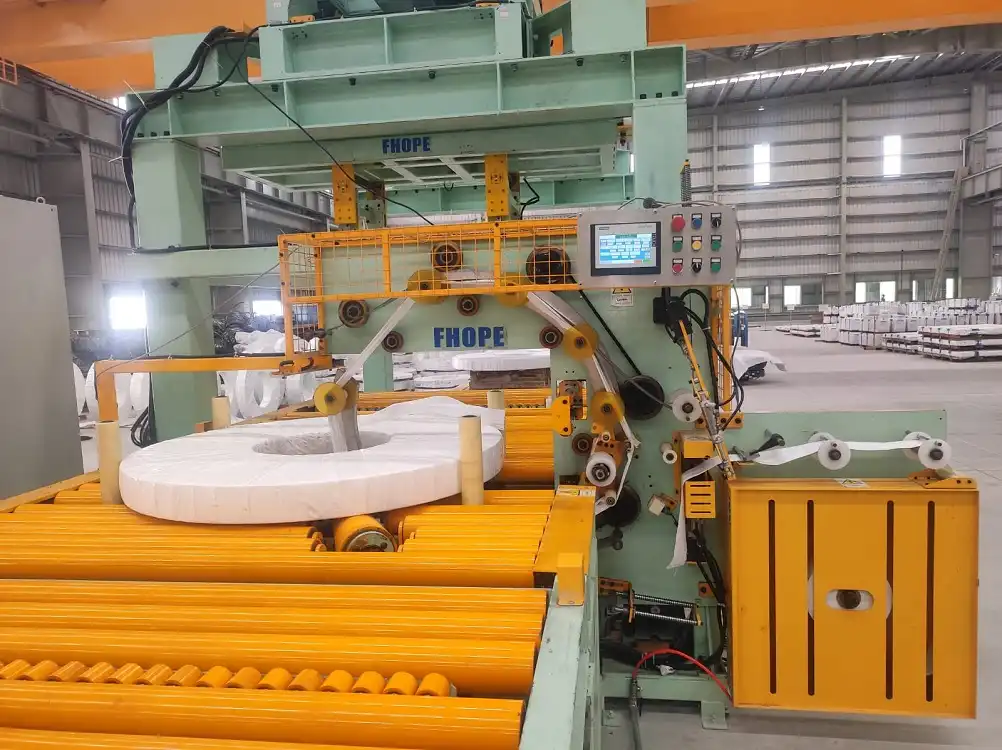
The evolution of strapping technology has brought PET strapping to the forefront, addressing many of the traditional drawbacks associated with steel. From FHOPEPACK’s perspective, this material offers significant advantages for modern steel coil packing lines:
- Excellent Shock Absorption and Tension Retention: Unlike rigid steel, PET strapping has a degree of elasticity. This means it can stretch and then recover, effectively absorbing impacts and maintaining tension on the coil even if it settles, shrinks, or expands due to temperature changes. This “memory” is crucial for preventing slack and ensuring a consistently tight package throughout transit, reducing the risk of load shifting and damage for diverse coil types.
- Enhanced Safety for Operators and Products: PET strapping is much safer to handle than steel. It does not have sharp edges, significantly reducing the risk of cuts and abrasions for workers during application or removal. This directly addresses Ivan’s concern about reducing labor intensity and lowering injury rates. Additionally, PET strapping will not rust or stain the surface of coils, making it an excellent choice for sensitive materials like galvanized or color-coated coils where aesthetic quality is paramount.
- Corrosion Resistance: As a plastic material, PET strapping is entirely resistant to rust and other forms of corrosion. This is a significant advantage when packaging steel coils destined for humid environments or long-term outdoor storage, directly contributing to anti-rust and anti-scratch packaging effects. It ensures that the strapping itself does not become a source of contamination or damage to the coil’s surface, which is a key requirement for export customers.
- Ease of Use and Automation: PET strapping is lighter and more flexible, making it easier to handle both manually and through automated strapping machines. This facilitates faster cycling times and smoother operation in an automatic coil packing line, helping to boost overall efficiency and reduce reliance on a diminishing manual workforce. Many automated systems, like those FHOPEPACK designs, can integrate PET strapping seamlessly, improving output consistency and speed.
- Environmentally Friendlier Options: PET strapping can be made from recycled materials and is often recyclable itself, appealing to companies looking to improve their environmental footprint. This aligns with modern corporate responsibility goals and can be a selling point for customers who prioritize sustainable practices.
Given these benefits, PET strapping presents a highly attractive option for steel mills aiming for optimized packaging quality, increased safety, and higher levels of automation. FHOPEPACK offers advanced PET strapping machines designed to meet these exact needs, providing consistent, high-quality strapping for various coil sizes and types. (PET strapping advantages, safe strapping materials, corrosion-resistant packing, automated strapping for coils)
Navigating the Drawbacks: When Might Each Strapping Type Fall Short?
While both steel and PET strapping offer distinct advantages, no single solution is perfect for every application. Have you ever encountered situations where your chosen strapping material didn’t quite perform as expected, leading to costly reworks or damaged goods? Understanding the limitations of each is crucial for avoiding these pitfalls.
Both steel and PET strapping have specific drawbacks that can impact their suitability for certain steel coil applications. Steel strapping, despite its strength, can pose safety risks due to sharp edges and potential for rust, while PET strapping, though flexible, might not be sufficient for the absolute heaviest loads or those requiring extreme rigidity, and can be sensitive to extreme heat.

As a packing machine engineer, I have seen these materials perform under all sorts of conditions. It’s important to be realistic about their shortcomings to prevent unexpected issues in your steel mill operations.
1. Steel Strapping Limitations:
- Safety Concerns: Steel strapping has sharp edges. This poses a significant safety risk to operators during manual application or removal, leading to cuts and lacerations. This is a major concern for Ivan, who is working to reduce labor intensity and improve safety in his packing workshop. Any breakage under tension can also be dangerous, with the strap recoiling sharply.
- Corrosion and Staining: Unless treated or coated, steel strapping can rust when exposed to moisture. This rust can then transfer to the surface of the steel coil, causing aesthetic damage or even compromising surface quality. This is particularly problematic for galvanized or color-coated coils, where surface integrity is critical for customer satisfaction.
- Rigidity and Shock Absorption: While its rigidity is a strength for static loads, it can be a weakness when subjected to dynamic forces. Steel strapping has very little stretch. It cannot absorb shock effectively. This means that severe impacts during transit can cause the strap to snap or the load to shift if the tension is not perfectly maintained.
- Higher Equipment Wear: Steel strapping can cause more wear and tear on strapping machine components compared to softer PET straps. This can lead to increased maintenance costs and downtime for your strapping equipment, affecting production continuity.
2. PET Strapping Limitations:
- Lower Breaking Strength (Compared to Steel): While PET strapping has high tensile strength, it generally does not match the absolute breaking strength of the strongest steel straps. For the most extremely heavy and unforgiving loads, such as very large, dense coils, steel might still be the only viable option to prevent any movement whatsoever. This requires careful assessment of coil weight and handling.
- Heat Sensitivity: PET is a plastic. It can soften or lose strength when exposed to very high temperatures, such as those found in some industrial environments or during certain shipping conditions. If your coils are hot when packed or stored in extremely warm climates, this could be a concern for strap integrity.
- UV Degradation (Long-Term Exposure): Although PET strapping has good UV resistance, prolonged exposure to direct sunlight over many months can still lead to some degradation of its material properties. For very long-term outdoor storage without protective coverings, this is something to consider.
- Less Suitable for Abrasive Surfaces: While it won’t scratch smooth surfaces, very rough or sharp-edged steel coil surfaces can potentially cut or abrade PET strapping more easily than steel strapping. Proper edge protection is always recommended regardless of the strap type, but this becomes especially important with PET for challenging coil profiles.
Understanding these trade-offs is essential for selecting the appropriate strapping solution. At FHOPEPACK, we pride ourselves on providing an honest assessment of both materials, guiding clients like Ivan to choose the best fit for their unique operational demands and product specifications, ensuring reliable packaging regardless of the challenges. (Steel strap disadvantages, PET strap limitations, coil packaging challenges, material selection for steel mills)
Making the Right Choice: Which Strapping Solution Best Fits Your Steel Coil Needs?
Given the distinct characteristics, advantages, and limitations of both steel and PET strapping, how do you make the ultimate decision for your steel coil operations? This is a critical question for production directors aiming for optimal efficiency, safety, and packaging quality. The answer lies in a comprehensive evaluation of your specific requirements.
The ideal strapping solution for your steel coils hinges on a detailed analysis of your coil types, weights, handling processes, shipping environment, safety priorities, and long-term automation goals. For operations seeking maximum rigidity and handling of extremely heavy, stable loads, steel strapping is often suitable. However, for versatility, enhanced safety, surface protection, and dynamic tension retention across diverse coil products, PET strapping often proves to be the superior choice, especially when integrated into an automated system.
From my vantage point at FHOPEPACK, helping clients like Ivan navigate this choice is what we do best. It’s never a one-size-fits-all answer. We typically break down the decision-making process into several key considerations:
1. Evaluate Your Coil Specifications:
- Weight and Dimensions: Are you primarily strapping very heavy coils (3 tons+) that require absolute maximum breaking strength? Steel strapping might be necessary here. For 1-3 ton coils with variable inner/outer diameters, PET can be an excellent choice, especially with modern high-strength options.
- Surface Sensitivity: Are you dealing with delicate surfaces like galvanized or color-coated coils that cannot tolerate rust stains or scratches? PET strapping is generally safer for these, as it’s non-abrasive and rust-proof. Steel strapping would require very careful application and protective corner pieces.
- Coil Type Diversity: Do you produce a mix of cold-rolled, galvanized, and color-coated coils, each with different packaging needs? A system that can handle PET strapping offers more flexibility, reducing the manual switching that Ivan finds cumbersome.
2. Assess Your Handling and Shipping Environment:
- Transportation Dynamics: Are coils subjected to significant shock, vibration, or settling during long-haul transport (e.g., overseas shipping)? PET’s elasticity and tension retention can be a major advantage here, keeping the package tight even as the coil shifts or contracts.
- Storage Conditions: Will coils be stored outdoors or in humid conditions? PET’s corrosion resistance is a clear winner, preventing rust contamination. If indoor storage is guaranteed and dry, steel strapping is less of a concern.
- Temperature Extremes: Will the coils or strapping be exposed to very high temperatures (e.g., hot packing) or extreme cold? Consider the temperature tolerance of PET, though modern PET straps are quite robust.
3. Prioritize Safety and Labor:
- Operator Safety: Is reducing manual handling and potential worker injury a top priority? PET strapping is much safer to handle, directly addressing Ivan’s goal to lower accident rates and labor intensity. Automated PET strapping machines further enhance safety by minimizing human interaction.
- Labor Availability: Are you struggling with labor shortages for manual strapping and wrapping? Both automated steel and PET strapping machines reduce manual labor. However, the overall handling of PET material is often easier for operators who are still involved in any part of the process.
4. Consider Overall Cost and Automation Goals:
- Total Cost of Ownership: Look beyond just material cost. Factor in labor savings, reduced material waste, lower maintenance for machines, and prevention of damage/returns. For many operations, the efficiency and safety benefits of PET can lead to lower overall costs.
- Automation Level: Are you aiming for a fully automated coil packing line, including turning, wrapping, strapping, labeling, and stacking? Both steel and PET strapping machines can be integrated, but PET often allows for higher speeds and smoother integration into multi-functional lines due to its flexibility. FHOPEPACK specializes in designing these turnkey solutions, featuring both steel and PET strapping options from our range, as well as partners like SHJLPACK and CNBHPAC for comprehensive projects.
Ultimately, the best choice is the one that aligns most closely with your operational goals and budget while mitigating risks. At FHOPEPACK, we leverage our deep understanding of the steel industry to provide tailored recommendations, ensuring you get the most reliable, efficient, and safe strapping solution for your specific steel coil needs. (Coil strapping selection, industrial packaging solutions, customized packing machines, steel mill efficiency)
Conclusion
Choosing between steel and PET strapping for steel coils is a strategic decision. While steel strapping offers ultimate rigidity for heavy loads, PET provides safer handling, corrosion resistance, and excellent tension retention for diverse coil types. For a modern steel mill aiming to enhance automation, safety, and packaging quality, FHOPEPACK offers bespoke solutions for an integrated coil packing line that expertly matches the right strapping technology to your specific operational demands.








