
1. What Insulation Measures Are Used in Steel Wire Packing?
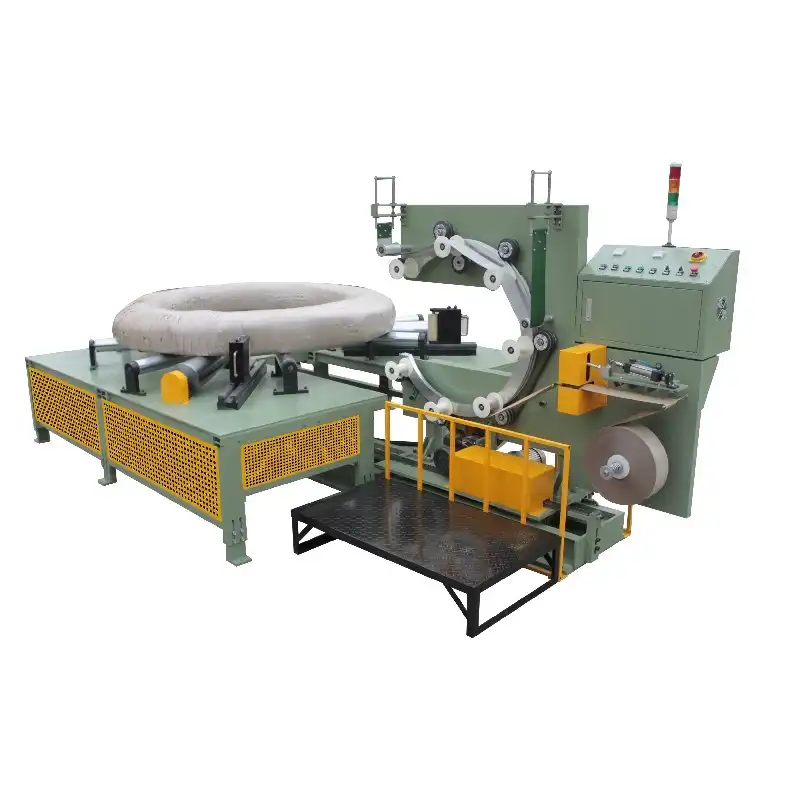
Steel wire packing requires robust insulation to protect the integrity of the wire during transportation and storage. Temperature fluctuations and moisture are key concerns that can compromise steel quality. Effective insulation measures are therefore essential to prevent damage and maintain the desired properties of the steel wire until it reaches its destination.
Effective insulation in steel wire packing often involves a combination of moisture-resistant barriers and thermal control materials. Common measures include specialized wraps like foil bubble wrap for temperature regulation and desiccants such as silica gel packs to absorb moisture. These methods ensure steel wire remains in optimal condition, preventing rust and thermal damage during transit and storage.
 Transitioning into a deeper understanding of these insulation methods, let’s explore the specific materials and techniques employed to safeguard steel wire during packing, ensuring its quality and usability upon arrival.
2. Types of Insulation Materials for Steel Wire Packing
Selecting the correct insulation material is crucial for effective steel wire packing. Different materials offer varying levels of thermal and physical protection, each suited to specific environmental conditions and transportation requirements. Understanding these options allows for tailored insulation strategies that maximize protection and minimize potential damage.
Several insulation materials are utilized in steel wire packing, each with unique properties. Common options include ceramic thermal insulation blankets known for high-temperature resistance, mineral wool for robust thermal protection and stone wool insulation mats with steel wire mesh for heavy-duty applications. Additionally, materials like ceramic insulation cloth offer protection against thermal radiation, while foil bubble wrap provides a barrier against temperature fluctuations.
To fully appreciate the nuances of steel wire packing insulation, we need to delve into the specifics of each material and its ideal application scenarios. Let’s dissect these options and understand how they contribute to preserving steel wire quality.
2.1. Deep Dive into Insulation Materials
Choosing the right insulation isn’t just about slapping on a layer of material; it’s about understanding the specific needs of the steel wire and the environments it will face. Factors like temperature extremes, humidity levels, and potential physical stresses all play a role in determining the optimal insulation strategy. Let’s break down some key insulation materials and their ideal applications.
2.1.1. Ceramic Thermal Insulation Blankets: The High-Temperature Guardian
Ceramic thermal insulation blankets are engineered for high-temperature environments, making them suitable for steel wire that might be exposed to significant heat during transit or storage. These blankets, often made from alkaline earth silicate (AES) wool, are designed to withstand continuous operating temperatures up to 1100°C and maximum temperatures of 1200°C.
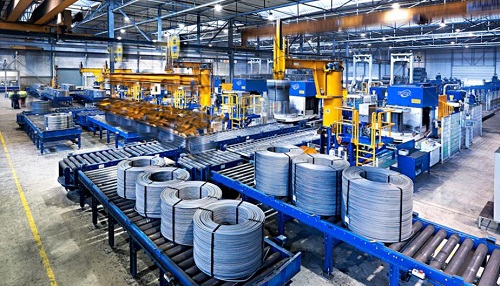 Key Benefits of Ceramic Blankets:
- High Heat Resistance: Excellent for scenarios where steel wire may experience elevated temperatures.
- Low Thermal Conductivity: Minimizes heat transfer, maintaining temperature stability within the packed wire.
- Flexibility and Ease of Handling: Despite their robust thermal properties, they are relatively easy to apply and conform to various shapes.
- Lightweight: Reduces overall packing weight without compromising insulation performance.
However, consider these points:
- Cost: Ceramic blankets can be more expensive than some other insulation options.
- Dust: While designed for minimal dust, handling may still generate some particulate matter, requiring appropriate safety measures.
2.1.2. Mineral Wool and Stone Wool: Robust and Reliable
Mineral wool and stone wool insulation mats are heavy-duty options that provide reliable thermal protection and are particularly suited for scenarios demanding robust insulation. Stone wool, often reinforced with steel wire mesh, offers enhanced durability and longevity.
Advantages of Mineral and Stone Wool:
- Durability: Heavy-duty stone wool offers a long service life, suitable for repeated use or long-term storage.
- High-Temperature Resistance: While generally lower than ceramic blankets (e.g., 660°C for wired mineral wool), still provides substantial heat protection.
- Compliance with Standards: Often meets industry standards like EN14303 and ASTM C592, ensuring quality and performance.
- Heavy-Duty Protection: Ideal for protecting steel wire from physical impacts and harsh handling during transport.
Points to consider:
- Weight: Mineral and stone wool can be heavier than ceramic blankets, potentially increasing shipping costs.
- Lower Max Temperature than Ceramics: Not ideal for extreme high-temperature applications where ceramic blankets excel.
2.1.3. Comparing Insulation Material Properties
To make an informed decision, it’s helpful to compare the properties of these materials directly.
| Material | Max Temperature (°C) | Key Benefit | Considerations | Ideal Use Case |
|---|---|---|---|---|
| Ceramic Blanket (AES Wool) | 1200 | Extreme Heat Resistance, Lightweight | Higher Cost, Potential Dust | High-temperature environments, furnaces |
| Mineral Wool (Wired) | 660 | Robust, Durable, Standard Compliant | Heavier, Lower Max Temp | General industrial insulation, annealing |
| Ceramic Insulation Cloth | 1000 | Thermal Radiation Protection, Chemical Resistance | Less Bulky than Blankets | Protection from radiant heat, chemical exposure |
| Foil Bubble Wrap | (Lower, varies) | Temperature Buffer, Moisture Barrier | Less Robust Thermal Resistance | Basic thermal and moisture protection |
| Silica Gel Pack | (Ambient) | Moisture Absorption | Desiccant, Limited Heat Insul. | Moisture control within packaging |
This table provides a simplified comparison. The best choice depends on the specific demands of the steel wire packing application. For extreme heat, ceramic blankets are top-tier. For robust, general-purpose insulation, mineral wool is excellent. For radiant heat, ceramic cloth is specialized. And for basic temperature buffering and moisture control, foil bubble wrap and silica gel packs play crucial roles.
3. Application Techniques for Steel Wire Insulation
Beyond the materials themselves, the application of insulation is just as critical. Improperly applied insulation, even with the best materials, can lead to thermal bridges, moisture ingress, and ultimately, compromised protection. Effective application techniques ensure the insulation performs as intended.
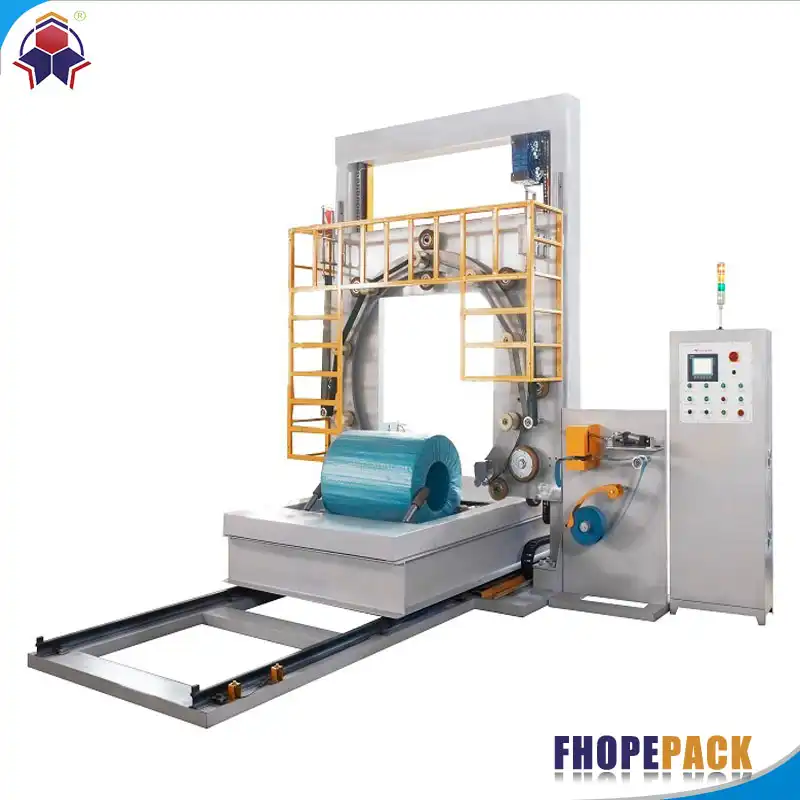
Proper application of insulation in steel wire packing involves several key steps. Firstly, selecting the correct type and thickness of insulation material based on environmental factors and transport conditions. Secondly, ensuring complete coverage of the steel wire coils, minimizing gaps or thermal bridges. Techniques include wrapping coils tightly with insulation blankets or cloths and utilizing temperature control products like foil bubble wrap for an additional layer of protection. Secure fastening with steel bands or clips ensures the insulation remains in place throughout transit.
Let’s explore the practical aspects of applying these insulation materials to steel wire coils, focusing on techniques that maximize effectiveness and longevity of the protection.
3.1. Best Practices in Insulation Application
Effective insulation application is a blend of technique and attention to detail. It’s not just about wrapping the wire; it’s about creating a continuous, protective barrier.
3.1.1. Ensuring Complete Coverage
Gaps in insulation are thermal weak points. Heat can escape, and cold can penetrate, negating the benefits of the insulation. Moisture can also accumulate in these gaps.
- Overlapping Wraps: When using blankets or cloths, overlap layers generously to eliminate seams and gaps.
- Sealing Edges: Consider using specialized tapes or sealants to close any exposed edges or seams in the insulation.
- Conforming to Shape: Insulation should closely conform to the shape of the steel wire coil. Avoid loose wrapping that creates air pockets and reduces insulation efficiency.
3.1.2. Secure Fastening
Insulation that shifts or comes loose during transit is ineffective. Secure fastening is crucial to maintain its position and integrity.
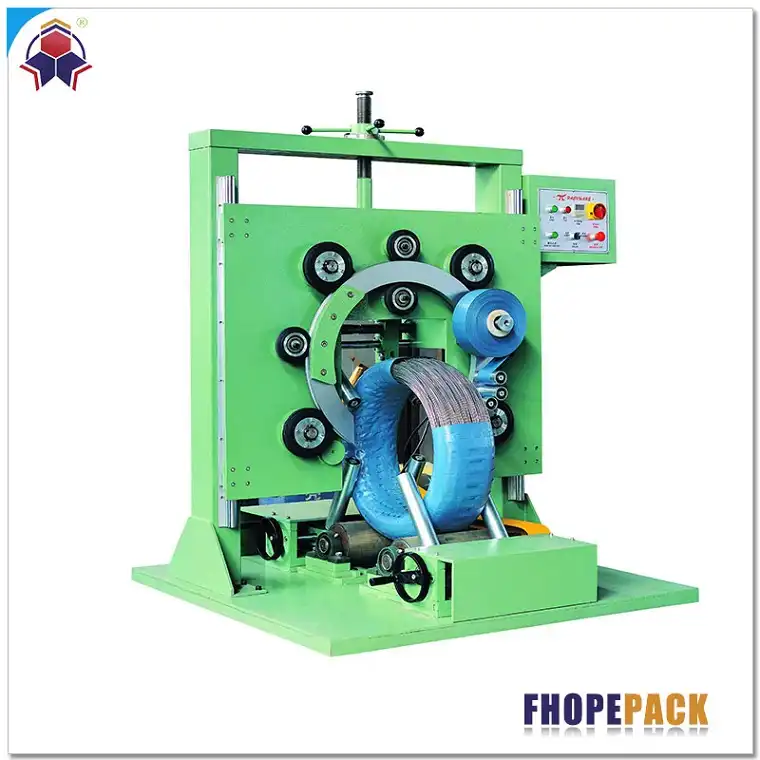
- Steel Banding: Using steel bands and sealing clips, as mentioned in the provided text, is an industrial-grade method to tightly secure insulation around steel coils. Tensioning tools ensure a snug fit.
- Strapping: Heavy-duty strapping can also be used, particularly for lighter insulation materials.
- Adhesive Tapes: For certain applications and materials, high-strength adhesive tapes designed for temperature resistance can help secure overlaps and edges.
3.1.3. Layering Insulation for Enhanced Protection
Combining different insulation materials can create a multi-layered defense.
- Foil Bubble Wrap as Inner Layer: Using foil bubble wrap directly against the steel wire provides a moisture barrier and initial thermal buffer.
- Outer Layer of Blanket or Cloth: Follow with a thicker layer of ceramic blanket, mineral wool, or ceramic cloth for robust thermal insulation and physical protection.
- Desiccants Inside Packaging: Include silica gel packs or other desiccants within the layers to absorb any moisture that might penetrate.
By combining materials and focusing on complete coverage and secure fastening, a robust insulation system can be created for steel wire packing.
4. Monitoring and Maintaining Insulation Effectiveness
Insulation isn’t a “set it and forget it” solution. To ensure long-term effectiveness, especially for reusable insulation systems or extended storage, monitoring and maintenance are essential. This involves checking for damage, degradation, and ensuring the insulation continues to perform as intended.
Maintaining the effectiveness of insulation in steel wire packing requires regular checks and proactive measures. Visual inspections for tears, compressions, or moisture damage to insulation materials should be conducted before each use or periodically during storage. Temperature monitoring using thermocouples and data loggers can provide real-time insights into insulation performance. Damaged sections should be promptly repaired or replaced to ensure continuous and reliable thermal protection of the steel wire.
Let’s look at the key aspects of monitoring and maintaining insulation in steel wire packing to guarantee its ongoing protective capabilities.
4.1. Key Aspects of Insulation Monitoring and Maintenance
Effective monitoring and maintenance ensure that the insulation system continues to perform its protective function throughout its lifespan.
4.1.1. Regular Visual Inspections
Simple visual checks can identify many common insulation problems.
- Tears and Rips: Look for any tears or rips in the insulation material, especially after handling or transit.
- Compression: Check for areas where the insulation has been excessively compressed, reducing its thickness and thermal resistance.
- Moisture Stains: Inspect for water stains or signs of moisture damage, indicating potential water ingress.
- Discoloration or Degradation: Some materials may show signs of thermal degradation or chemical exposure through discoloration or changes in texture.
4.1.2. Temperature Monitoring with Thermocouples
For critical applications, real-time temperature monitoring provides valuable data on insulation performance.
- Thermocouple Placement: Strategically place thermocouples within the packed steel wire and on the outer surface of the insulation to measure temperature gradients.
- Data Loggers: Use data loggers to record temperature readings over time, providing a detailed history of temperature fluctuations during transit or storage.
- Temperature Recorders: Employ temperature recorders for immediate temperature readings and spot checks.
4.1.3. Prompt Repair and Replacement
Addressing damage quickly prevents further degradation and maintains insulation integrity.
- Repair Minor Damage: Small tears or punctures can sometimes be repaired with specialized tapes or patches designed for the insulation material.
- Replace Damaged Sections: For significant damage, replace the affected sections of insulation entirely. Keep spare insulation materials on hand for quick replacements.
- Document Repairs: Maintain a log of inspections, repairs, and replacements to track the condition and maintenance history of the insulation system.
By implementing these monitoring and maintenance practices, the lifespan and effectiveness of insulation in steel wire packing can be significantly extended, ensuring consistent protection of the valuable steel wire.
Conclusion
Insulation measures are indispensable in steel wire packing to safeguard against temperature variations, moisture, and physical damage during transit and storage. Selecting the appropriate insulation materials, applying them effectively, and implementing a robust monitoring and maintenance plan are crucial for preserving the quality and integrity of steel wire. From high-temperature ceramic blankets to versatile mineral wool and moisture-absorbing desiccants, a range of solutions exists to meet diverse packing needs. By carefully considering the specific requirements of each application and adhering to best practices in insulation, businesses can ensure their steel wire arrives at its destination in optimal condition, ready for use.








