
How to Improve Abrasion Resistance in Steel Coil Packing?
Abrasion during steel coil packing and handling is a significant challenge, leading to downtime and material waste. Protecting steel coils from wear is crucial for maintaining their quality and ensuring efficient operations throughout the supply chain. This article explores effective strategies to enhance abrasion resistance in steel coil packing processes.
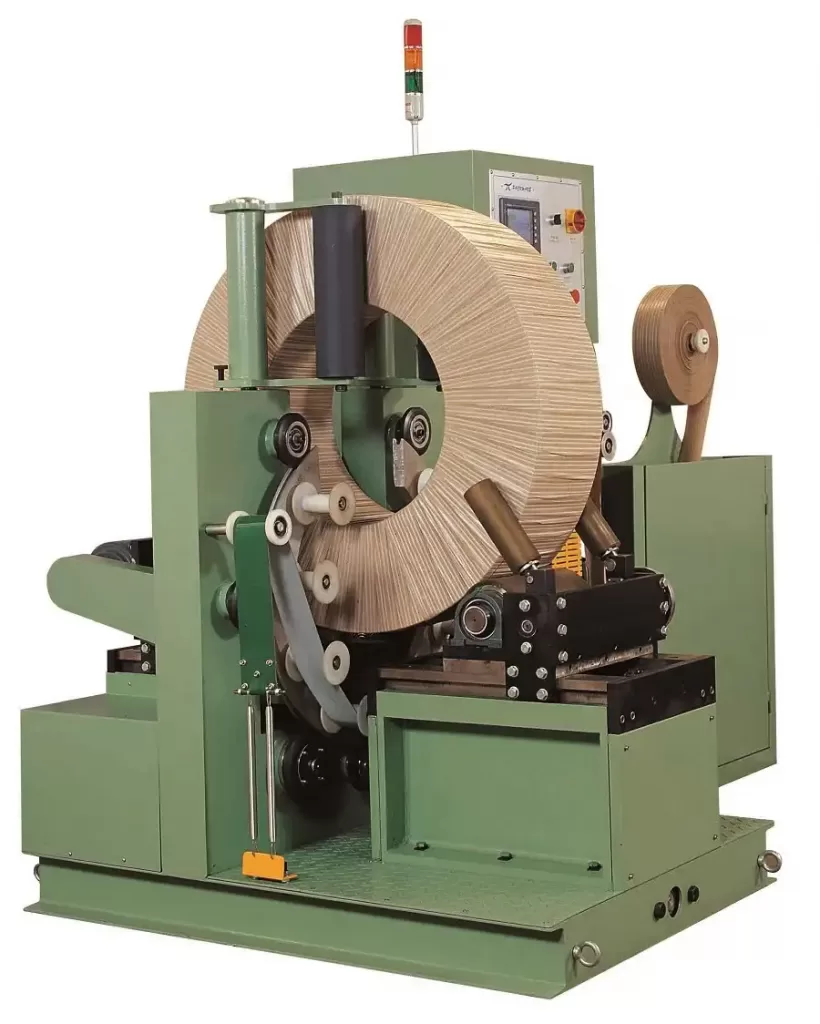
Improving abrasion resistance in steel coil packing involves a multi-faceted approach. Key strategies include selecting abrasion-resistant packing materials like steel strapping and specialized wear-resistant compounds, optimizing packing machine design to minimize friction, and implementing best practices such as proper tensioning and edge protection. These measures collectively reduce wear, extend packing lifespan, and safeguard coil quality.
Effective abrasion resistance is not just about minimizing cosmetic damage; it’s about ensuring operational efficiency and product integrity. Let’s delve into the methods and technologies that can significantly improve wear protection in steel coil packing.
1. Understanding Abrasion Challenges in Steel Coil Packing
Abrasion in steel coil packing refers to the surface wear caused by friction between the coil and packing materials, or between coils themselves during handling, transit, and storage. This wear can compromise the protective layers of the packing, leading to corrosion, damage, and ultimately, material degradation.
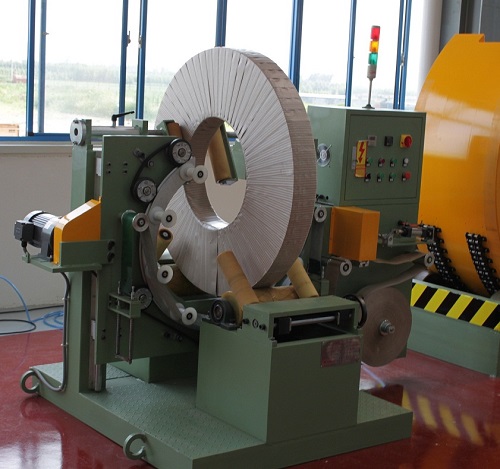
Abrasion in steel coil packing is primarily caused by friction during movement and handling. Steel strapping, while robust, can itself cause abrasion if improperly applied or tensioned. Environmental factors like dust and debris exacerbate the issue, acting as abrasive agents between surfaces. Consequences range from cosmetic damage to critical failures in packing integrity, leading to coil damage, unsafe handling conditions, and increased material waste. Addressing these challenges requires careful material selection, optimized packing techniques, and advanced machinery designed for wear protection.
To effectively combat abrasion, we must first understand its mechanisms and the points in the coil packing process where it is most prevalent. By analyzing these critical areas, we can tailor solutions for maximum impact.
Analyzing Abrasion Points in Steel Coil Handling
Abrasion isn’t a uniform issue; it concentrates at specific points during steel coil handling and packing. Understanding these points is crucial for targeted improvements in abrasion resistance.
1. Friction Points During Machine Wrapping
The coil wrapping machine itself can be a significant source of abrasion.
- Strapping Application: As steel strap is tensioned and applied around the coil, friction occurs between the strap and the coil surface. This is especially pronounced at the edges of the coil and where straps overlap.
- Movement within the Machine: Coils may shift or rub against machine components during the wrapping process, particularly in high-speed automated lines.
- Material Feed Systems: If not properly designed, the systems that feed wrapping materials (strapping, films, etc.) can also cause scuffing and abrasion on the coil surface as they are applied.
2. Abrasion During Transit and Storage
Once packed, coils are subjected to further abrasive forces during transportation and storage.
- Vibration and Movement in Transit: During truck, rail, or ship transport, coils experience constant vibration and movement. This causes the coil and packing materials to rub against each other, leading to abrasion, especially if the packing is not sufficiently secure.
- Contact with Handling Equipment: Forklifts, cranes, and other handling equipment can cause abrasion when they come into contact with the packed coils during loading, unloading, and stacking.
- Storage Conditions: Outdoor storage exposes coils to environmental abrasives like dust, sand, and grit, which can become trapped between packing layers and accelerate wear over time.
3. Coil-on-Coil Abrasion
In some storage and handling scenarios, coils may be stacked or placed in close proximity, leading to direct coil-on-coil abrasion.
- Lack of Separation: Insufficient or damaged packing can result in direct contact between steel coils. The weight and movement of coils in contact can cause significant surface abrasion.
- Edge and Corner Contact: Coil edges and corners are particularly vulnerable. Direct contact at these points can lead to concentrated abrasion and damage to the coil edges.
By pinpointing these abrasion hotspots, we can implement targeted strategies. For machine wrapping, this might involve smoother material guides and controlled tensioning. For transit and storage, robust and secure packing becomes paramount. Addressing coil-on-coil abrasion requires improved packing methods to ensure adequate separation and protection. The following sections will explore material, design, and procedural solutions to mitigate these specific abrasion challenges.
2. Material Selection for Enhanced Wear Protection
The choice of packing materials is paramount in determining the abrasion resistance of steel coil packaging. Selecting materials specifically engineered for wear protection is the first line of defense against abrasion-related damage.
Selecting abrasion-resistant materials is crucial for steel coil packing. Steel strapping itself offers inherent abrasion resistance but can be enhanced with coatings. Wear-resistant compounds, such as epoxy-based materials with ceramic fillers, provide superior protection against abrasive wear. For interleaving and wrapping, consider reinforced papers and specialized films designed to withstand friction and prevent surface damage, ensuring long-lasting protection.
Moving beyond standard materials, advanced options offer significantly improved wear performance, extending the lifespan of the packing and ensuring superior coil protection.
Advanced Materials for Abrasion Resistance
To truly maximize abrasion resistance, exploring advanced materials beyond conventional strapping and films is essential. These materials are engineered to withstand extreme wear conditions and offer superior long-term protection.
1. High-Tensile Steel Strapping with Specialized Coatings
While steel strapping is inherently robust, its abrasion resistance can be significantly enhanced through specialized coatings.
- Zinc Coatings: Galvanized steel strapping provides a layer of zinc that not only resists corrosion but also offers improved surface hardness, reducing wear from friction.
- Polymer Coatings: Applying polymer coatings, such as nylon or epoxy, to steel strapping creates a smoother, more abrasion-resistant surface. These coatings can also reduce strap-on-coil abrasion.
- Wax Coatings: Waxed steel strapping reduces friction during application and handling, minimizing abrasion and ensuring smoother tensioning.
2. Wear-Resistant Compounds and Epoxy Coatings
Drawing inspiration from industrial wear protection solutions, incorporating specialized compounds directly into the packing process can offer exceptional abrasion resistance.
- Epoxy-Based Wear Compounds: Similar to LOCTITE ® PC 7332™, wear-resistant compounds with ceramic fillers can be applied as coatings or interleaving layers within the packing. These compounds offer superior abrasion resistance and can significantly extend the life of the packing.
- Polyurethane Coatings: Polyurethane coatings are known for their flexibility and abrasion resistance. They can be used as a top coat on strapping or as a protective layer within the packing structure.
- Polysiloxane Top Coats: Polysiloxane coatings, as mentioned in the research material, offer excellent UV and abrasion resistance, making them suitable for outer layers of coil packing exposed to harsh environments.
3. Reinforced and Laminated Packing Films and Papers
Beyond standard stretch films and kraft papers, reinforced and laminated materials provide enhanced abrasion protection.
- Reinforced Paper with Polypropylene (PP) Belts: Similar to the reinforced paper mentioned in the material, incorporating PP belts or fibers within paper packing increases tear and abrasion resistance, ideal for heavy coils and demanding transit conditions.
- Laminated Films with Abrasion-Resistant Layers: Multi-layer films can be engineered with a tough, abrasion-resistant outer layer and a flexible inner layer for conformability. These films combine the benefits of multiple materials for optimized protection.
- Knit Tapes and Fabrics: High-strength knit tapes, like polypropylene knit tape, offer exceptional tear and abrasion resistance, suitable for wrapping critical areas or providing extra edge protection.
Choosing the right advanced materials depends on the specific abrasion challenges, coil type, and environmental conditions. For severe abrasion risks, wear-resistant compounds and specialized steel strapping coatings offer maximum protection. For general applications, reinforced films and papers provide a significant upgrade over standard materials. By carefully selecting and integrating these advanced materials, manufacturers can create steel coil packing solutions that truly stand up to the rigors of handling, transit, and storage.
3. Coil Packing Machine Design and Abrasion Reduction
Beyond material selection, the design of the coil packing machine itself plays a crucial role in minimizing abrasion. Machines engineered with wear reduction in mind can significantly decrease surface damage during the packing process.
Coil packing machine design is critical for abrasion reduction. Features like controlled tensioning systems prevent over-tightening of straps, reducing friction. Smooth material pathways and guides minimize scuffing. Automated and precise application systems ensure consistent packing, reducing manual handling and potential abrasion points. Integrating sensors and feedback systems allows for real-time adjustments, further optimizing the packing process for wear protection.
Intelligent machine design focuses on reducing friction, controlling pressure, and ensuring smooth material flow throughout the packing cycle.
Key Machine Design Features for Abrasion Minimization
Several design elements in coil packing machinery directly contribute to reduced abrasion. Implementing these features can create a gentler, more wear-protective packing process.
1. Controlled Tensioning Systems
Precise tension control is paramount to prevent excessive pressure and friction during strapping application.
| Feature | Benefit | Abrasion Reduction Mechanism |
|---|---|---|
| Adjustable Tension Settings | Allows operators to tailor tension to coil type and packing material. | Prevents over-tightening, reducing strap-on-coil abrasion. |
| Consistent Tension Application | Ensures uniform pressure across the coil, avoiding stress concentrations. | Minimizes localized friction points and potential surface damage. |
| Feedback Control Loops | Monitors tension in real-time and adjusts automatically. | Maintains optimal tension throughout wrapping, preventing variations that can cause abrasion. |
2. Smooth Material Pathways and Guides
The design of material pathways within the machine is critical for preventing scuffing and scratching.
- Roller Guides: Using smooth, low-friction rollers to guide strapping and films minimizes drag and prevents material abrasion as it feeds through the machine.
- Polished Surfaces: Ensuring all surfaces that come into contact with the coil and packing materials are polished and free of burrs or sharp edges prevents scratching and scuffing.
- Optimized Angles and Curves: Designing material pathways with gentle curves and angles reduces stress and friction on the materials as they are fed and applied.
3. Automated and Precise Application Systems
Automation and precision in material application reduce manual handling and ensure consistent packing, minimizing abrasion risks.
- Automated Strapping Heads: Automated strapping heads apply straps with consistent pressure and overlap, reducing manual adjustments and potential errors that can lead to abrasion.
- Precise Film Dispensers: Accurate film dispensers ensure uniform film application, preventing uneven tension and friction points caused by manual wrapping.
- Robotic Handling Systems: Integrating robotic arms for coil handling minimizes direct human contact and ensures smooth, controlled movements, reducing the risk of accidental abrasion.
4. Vibration Dampening and Stability Features
Reducing machine vibration and ensuring coil stability during packing minimizes dynamic abrasion forces.
- Vibration Dampeners: Incorporating vibration dampening components within the machine frame reduces vibrations that can contribute to coil movement and abrasion during wrapping.
- Coil Stabilization Mechanisms: Features that stabilize the coil during the wrapping process, such as clamps or supports, prevent shifting and rubbing against machine parts or packing materials.
- Smooth Start and Stop Cycles: Gentle acceleration and deceleration of machine components, particularly the wrapping ring, minimizes inertial forces that can cause coil movement and abrasion.
By focusing on these machine design aspects, manufacturers can create coil packing systems that not only efficiently pack steel coils but also actively minimize abrasion, ensuring product quality and reducing material waste. Investing in advanced machine design is a proactive approach to long-term wear protection in steel coil packing operations.
4. Best Practices for Minimizing Abrasion During Packing
Even with advanced materials and machine design, implementing best practices in coil packing procedures is crucial for achieving optimal abrasion resistance. Correct techniques and careful execution on the operational level are essential to maximize wear protection.
Best practices for abrasion minimization include proper coil preparation by removing debris, careful selection of packing patterns to distribute pressure, correct tensioning of strapping to avoid over-tightening, and using edge protectors to shield vulnerable coil edges. Regular inspection of packing materials and machinery ensures consistent quality and early detection of potential abrasion risks, contributing to overall wear protection.
These practices encompass coil preparation, packing techniques, and ongoing maintenance to ensure a consistently abrasion-resistant packing process.
Essential Operational Practices for Abrasion Control
Implementing these best practices as standard operating procedures will significantly enhance abrasion resistance in steel coil packing.
1. Coil Surface Preparation
Properly preparing the coil surface before packing is a simple but effective step in minimizing abrasion.
- Cleaning: Remove loose debris, dust, and grit from the coil surface. These particles can act as abrasives, accelerating wear during packing and transit.
- Drying: Ensure the coil surface is dry before packing. Moisture can trap abrasive particles and contribute to corrosion, which can exacerbate surface damage.
- Inspection: Briefly inspect the coil surface for any existing sharp edges or protrusions that could damage packing materials or cause localized abrasion.
2. Optimized Packing Patterns and Layering
Strategic packing patterns and layering techniques can distribute pressure and minimize friction points.
- Overlapping Wraps: Using overlapping layers of wrapping film or paper can create a thicker, more abrasion-resistant barrier.
- Interleaving Materials: Inserting interleaving layers of abrasion-resistant paper or film between coil layers or between the coil and strapping can reduce direct friction and wear.
- Strategic Strap Placement: Positioning straps to distribute pressure evenly across the coil surface and avoiding sharp bends or overlaps can minimize strap-on-coil abrasion.
3. Precise Tension Control and Application
Correct strap tensioning is crucial – too loose and packing is ineffective, too tight and it can cause abrasion.
- Tension Calibration: Regularly calibrate strapping machines to ensure accurate and consistent tension application according to material and coil specifications.
- Tension Monitoring: Implement tension monitoring systems on packing lines to provide real-time feedback and alerts if tension deviates from optimal levels.
- Operator Training: Thoroughly train packing line operators on proper tensioning techniques and the importance of avoiding over-tightening straps.
4. Edge and Corner Protection
Coil edges and corners are highly vulnerable to abrasion and should be specifically protected.
- Edge Protectors: Utilize edge protectors made of cardboard, plastic, or composite materials at coil edges and corners to distribute pressure and prevent strap dig-in and abrasion.
- Corner Boards: Reinforce coil corners with corner boards to provide robust protection against impact and abrasion during handling and transit.
- Contour Conforming Protection: Use flexible edge protection materials that conform to the coil’s contours to ensure comprehensive coverage and prevent gaps where abrasion could occur.
5. Regular Inspection and Maintenance
Ongoing monitoring and maintenance of packing materials and machinery are vital for sustained abrasion resistance.
- Material Inspection: Regularly inspect incoming packing materials for quality and consistency. Check for any defects or damage that could compromise their abrasion resistance.
- Machine Maintenance: Implement a preventative maintenance schedule for coil packing machines. Regularly inspect and replace worn rollers, guides, and tensioning components to ensure smooth operation and prevent abrasion.
- Process Audits: Conduct periodic audits of packing processes to verify adherence to best practices and identify areas for improvement in abrasion control.
By consistently applying these best practices, steel coil manufacturers and handlers can create a robust, abrasion-resistant packing system that protects coils from damage throughout their journey, from packing line to end-user. This holistic approach, combining material selection, machine design, and operational excellence, is the key to minimizing wear and maximizing the lifespan and quality of steel coil packing.
Conclusion
Improving abrasion resistance in steel coil packing is a critical undertaking that directly impacts product quality, operational efficiency, and cost-effectiveness. By understanding the sources of abrasion, strategically selecting wear-resistant materials, optimizing machine design, and implementing best practices, significant advancements in wear protection can be achieved. This comprehensive approach ensures that steel coils are effectively safeguarded against the detrimental effects of abrasion throughout the supply chain, minimizing downtime and maximizing customer satisfaction. Focusing on abrasion resistance is not just about protecting the coils; it’s about protecting your bottom line and reputation in a competitive market.








