
What Features Should Engineers Check in a Hose Coil Packing Machine?
Is your factory facing production bottlenecks and safety concerns from manual hose coil packing? Do you worry about product damage and high labor costs? Many factory managers, just like Michael Chen in Mexico, struggle with these exact issues. You know that investing in the right equipment can make a huge difference, but choosing from countless options can be hard.
When engineers evaluate a hose coil packing machine, they must focus on robust construction, advanced automation capabilities, comprehensive safety features, and a reliable after-sales support system. These core elements ensure the machine can withstand demanding industrial environments, boost efficiency, protect workers, and provide long-term operational stability. (essential hose coil packaging machine attributes)
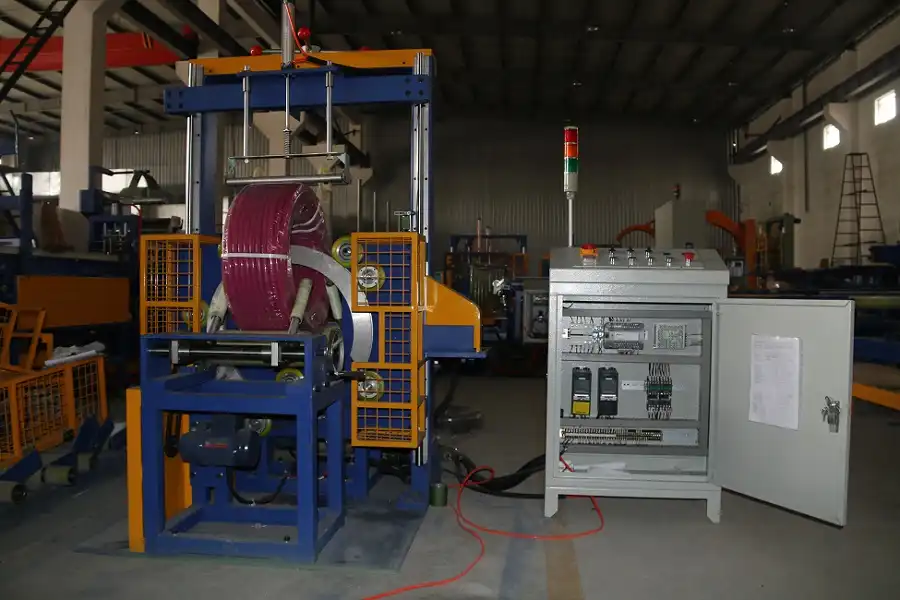
I have spent many years in the packing machine industry, from an employee to a factory owner. I understand the pressures of managing a factory floor. This article will help you cut through the noise. It will show you exactly what to look for when you check a hose coil packing machine. My goal is to help you make a smart investment that drives efficiency and growth for your business.
1. What Essential Durability and Reliability Features Should Engineers Prioritize in a Hose Coil Packing Machine?
Are you tired of equipment that breaks down under pressure? Do you need machines that can operate nonstop in tough industrial settings? Engineers often face the challenge of finding equipment that truly lasts. They know downtime means lost money and missed deadlines.
Engineers should prioritize hose coil packing machines built with heavy-duty components, high-quality materials, and a robust design that can withstand continuous operation and harsh environmental conditions. Look for durable construction, proven component longevity, and minimal maintenance requirements to ensure maximum uptime and operational stability. (robust hose coil packaging solutions)

From my experience establishing and running a packing machine factory, I learned that a machine’s true value comes from its ability to perform day after day without fail. For factories like Michael Chen’s metal processing plant, where the environment is demanding and production runs are continuous, durability is not a luxury; it is a necessity. A poorly built machine will quickly become a liability, leading to frequent breakdowns, high repair costs, and significant production delays. We always emphasize that a machine must be engineered to last, especially when handling heavy and continuous loads. This means paying close attention to the structural integrity and the quality of every single part. The machine must be ready for non-stop work cycles. Its design needs to prevent common wear and tear issues. It needs to keep going even with dust, vibration, or temperature changes in the factory. This attention to detail reduces the need for constant repairs. It also extends the machine’s working life significantly. Choosing a machine that is built well saves money in the long run. It avoids expensive disruptions and keeps your production smooth. It supports your factory’s overall output goals. It also makes sure your investment continues to pay off.
Key Aspects of Machine Durability:
-
Material Strength:
- Robust Steel Frames: The machine’s main frame should be made from heavy-gauge steel. This provides a stable and rigid base. It prevents vibration and deformation during operation.
- Corrosion Resistance: For environments with high humidity or chemical exposure, components should have anti-corrosion coatings or be made of stainless steel. This extends lifespan.
-
Component Quality:
- High-Grade Bearings & Motors: These are the heart of moving parts. Using industrial-grade bearings and motors from reputable brands ensures smooth operation and long service life. FHOPEPACK, for example, uses components known for their endurance.
- Electrical System Resilience: Wires, sensors, and control panels need protection from dust, moisture, and electrical interference. This prevents unexpected failures.
-
Structural Design:
- Modular Construction: Machines with a modular design are easier to maintain and repair. Parts can be replaced without overhauling the entire system.
- Heavy-Duty Workstation: The area where coils are loaded and wrapped must be strong. It must support the weight of heavy hose coils without bending or cracking. 💪
Checklist for Durability & Reliability:
| Feature | What to Look For | Why it Matters |
|---|---|---|
| Frame Material | Heavy-gauge welded steel, powder-coated | Withstands vibration, impact, and heavy loads |
| Key Components | Brand-name motors, bearings, gearboxes (e.g., Siemens, SKF) | Ensures long-term, consistent performance; easier spare parts |
| Control System | Industrial-grade PLC (e.g., Siemens, Allen-Bradley) | Stable, reliable operation; less prone to glitches |
| Wiring & Sensors | Enclosed, dust-proof, moisture-resistant | Prevents electrical failures in harsh environments |
| Wear Parts | Easily replaceable, readily available spares | Minimizes downtime for routine maintenance and repairs |
| Operating Environment | Rated for specific temperature, humidity, dust levels | Ensures machine performs optimally in your factory conditions |
(packing machine structural integrity, long-lasting industrial equipment)
2. How Can a Hose Coil Packing Machine Enhance Operational Efficiency and Automation for Engineers?
Is your current packing process a bottleneck, slowing down your entire production line? Are you spending too much on manual labor for tasks that could be automated? Many engineers, like Michael, constantly seek ways to improve throughput and reduce operational costs.
A well-designed hose coil packing machine significantly enhances operational efficiency by automating repetitive tasks, increasing packing speed, and integrating seamlessly into existing production lines. Engineers should look for features like automatic film feeding, tension control, programmable logic controllers (PLCs) for customized cycles, and robust material handling systems to minimize human intervention and optimize throughput. (automated hose packaging solutions, factory throughput optimization)

When I first started in the packing machine industry, I saw many factories struggling with manual packing. It was slow, inconsistent, and consumed a lot of manpower. This often became the biggest bottleneck in the entire production process. My own journey from employee to factory owner showed me the power of automation. It not only boosts production but also frees up workers for more skilled tasks. For a factory manager like Michael, addressing efficiency bottlenecks is key to meeting production targets and reducing delivery times. An automated packing machine can transform this often-neglected part of the line. It ensures that products are ready for shipment quickly and uniformly. This kind of automation removes the human element from repetitive and tiring jobs. It reduces errors and improves overall product quality. The consistency of machine packing also means less material waste. It leads to better-looking final products. It also satisfies customers more.
Efficiency-Boosting Features:
-
Automation Levels:
- Fully automatic systems reduce manual intervention to a minimum. They manage everything from loading to wrapping and cutting.
- Semi-automatic options provide flexibility. They are suitable for lower volumes or varied product sizes. They still offer significant efficiency gains over manual methods.
-
Speed and Throughput:
- A machine’s wrapping speed (rotational RPM) is critical. Higher speeds mean more coils packed per hour. This directly impacts overall production capacity.
- Look for quick cycle times. This means less time spent on each coil, increasing total output.
-
Integration Capabilities:
- Can the machine integrate with upstream (e.g., coiling machines) and downstream (e.g., palletizing, weighing) equipment? Seamless integration creates a continuous flow. This reduces transfers and delays.
- Compatibility with factory management systems (MES/SCADA) allows for data tracking and process optimization. 📊
Evaluating Automation Benefits:
Consider the following points when assessing how an automated hose coil packing machine can improve your operations:
- Reduced Labor Costs:
- Fewer operators are needed for the packing process.
- Workers can be reassigned to higher-value tasks. 💰
- Increased Packing Speed:
- Machines operate at a consistent, high speed, surpassing manual packing rates.
- This eliminates packing as a bottleneck in the production line.
- Consistent Pack Quality:
- Uniform tension and overlap ensure every coil is wrapped perfectly.
- This reduces product damage and improves customer satisfaction.
- Data and Reporting:
- Modern machines can collect data on production rates, film usage, and potential issues.
- This data helps in continuous improvement and predictive maintenance.
- Space Optimization:
- An integrated packing line can sometimes use factory space more efficiently than scattered manual stations.
(industrial packing automation, efficient hose bundling equipment)
3. Which Advanced Safety Mechanisms Are Crucial for Engineers Evaluating a Hose Coil Packing Machine?
Is worker safety a constant worry in your plant? Do manual handling tasks of heavy coils expose your employees to injury risks? Factory managers like Michael Chen understand that worker safety is not just a moral obligation but also a critical factor affecting insurance costs and employee retention.
Engineers must prioritize hose coil packing machines equipped with comprehensive safety mechanisms to protect operators and reduce workplace accidents. Essential features include emergency stop buttons, safety guarding, light curtains, automatic fault detection, and clear operational signage. The machine should minimize direct human interaction with moving parts, especially during coil loading and wrapping processes. (industrial safety standards for packing, worker protection in automation)
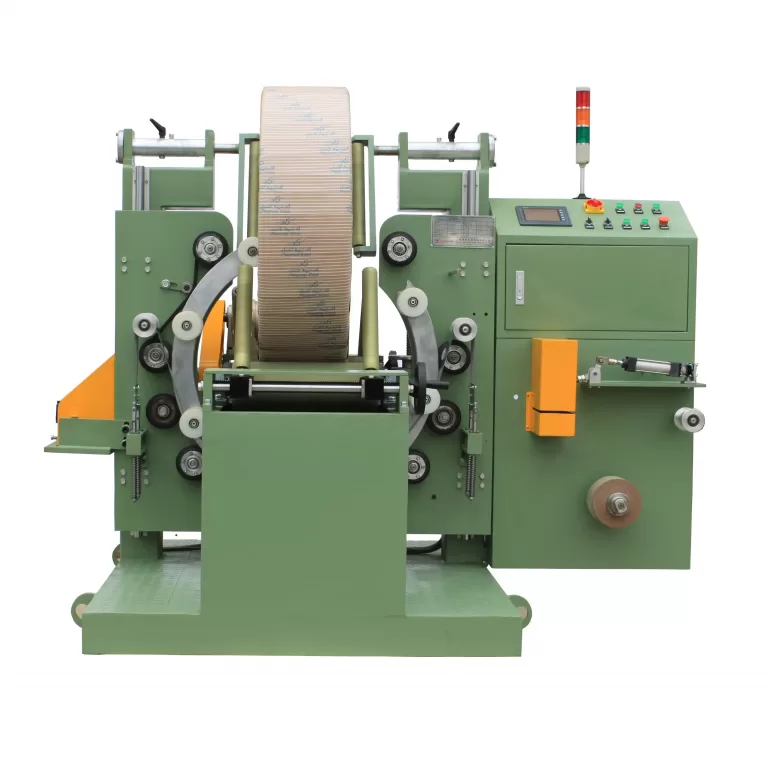
My journey in this industry taught me that even the most efficient machine is worthless if it puts workers at risk. I have seen firsthand the consequences of neglecting safety. Injuries lead to severe disruptions, high medical costs, and a drop in team morale. For Michael Chen, who deals with heavy metal products, minimizing manual handling is a top priority. A reliable packing machine should achieve high efficiency without compromising the well-being of the workforce. When FHOPEPACK designs a machine, safety is always at the forefront. We believe that safeguarding personnel should never be an afterthought. It must be an integral part of the design process. This focus on safety helps factories avoid costly accidents and maintain a positive work environment. It also shows a commitment to employees. This commitment can boost morale and reduce staff turnover. It makes the workplace safer for everyone.
Key Safety Features:
- Emergency Stop (E-Stop) Buttons:
- Prominently placed, easily accessible E-stop buttons are vital. They allow immediate shutdown of the machine in an emergency. 🔴
- Safety Guarding and Enclosures:
- Physical barriers prevent access to hazardous moving parts during operation. These guards should be interlocked, meaning the machine cannot run if they are open.
- Light Curtains and Safety Scanners:
- These create invisible protective fields around danger zones. If an operator breaks the light beam, the machine automatically stops. This is especially useful for loading/unloading areas. 💡
- Automatic Fault Detection and Alarms:
- Sensors should detect malfunctions like film breaks, abnormal speeds, or motor overloads. The machine should stop and alert operators. This prevents further damage or hazards.
- Controlled Access and Lockout/Tagout (LOTO) Points:
- Clear procedures and physical points for LOTO ensure machines are safely de-energized during maintenance or repair. This prevents unexpected startups. 🔒
Comparing Safety Standards:
| Safety Feature | Description | Benefit | Compliance Standard (Example) |
|---|---|---|---|
| E-Stop System | Red mushroom-head buttons, distributed across the machine | Immediate machine shutdown in emergencies | ISO 13850 |
| Interlocked Guards | Machine stops if safety gates/covers are opened | Prevents access to moving parts during operation | ISO 14120 |
| Light Curtains | Infrared beams protecting access points; machine stops if broken | Non-contact presence detection for operator safety | IEC 61496 |
| Warning Lights/Alarms | Visual (flashing lights) and audible signals for machine status | Alerts operators to potential hazards or operational states | ISO 7731 |
| Overload Protection | Sensors detect abnormal loads or motor stress, initiating shutdown | Protects machine components and prevents dangerous failures | IEC 60204 |
| Two-Hand Control | Requires both hands to activate a dangerous machine function | Ensures operator is intentionally initiating a hazardous action | ISO 13851 |
(packaging machine safety features, industrial accident prevention)
4. What Key After-Sales Support and Service Commitments Should Engineers Look for in a Packing Machine Supplier?
Have you ever bought equipment only to be left stranded when issues arise? Do you need a partner who understands your long-term operational needs, not just a seller focused on the initial sale? Michael Chen’s past experiences with unreliable suppliers highlight a common pain point: the lack of genuine after-sales support.
Engineers should seek packing machine suppliers who offer comprehensive after-sales support, including readily available spare parts, skilled technical assistance, remote diagnostics capabilities, and thorough operator training. A true partner provides ongoing support to ensure maximum machine uptime and investment longevity, rather than just selling equipment. (reliable packing machine service, post-purchase support for industrial equipment)

When I built my packing machine factory, I learned that a machine sale is just the beginning of a relationship. What truly matters is the support you get when things go wrong, or when you need advice on optimizing your operations. Michael Chen’s desire for a “true partner” resonates deeply with me. At FHOPEPACK, we pride ourselves on being that partner. We know that factories in places like Mexico need quick and effective solutions. Long downtime due to lack of support or parts can be crippling. My goal is to ensure that our clients achieve financial independence and grow their businesses, just as I did. This means providing more than just machines; it means sharing our expertise and insights long after the purchase. It means standing by our products and our customers. This commitment builds trust and ensures that your investment continues to deliver value.
Elements of Excellent After-Sales Support:
- Technical Support:
- Availability: Is technical support available 24/7 or during your operational hours?
- Expertise: Are the technicians knowledgeable and experienced specifically with your machine type?
- Channels: Can you reach support via phone, email, or live chat?
- Spare Parts Management:
- Inventory: Does the supplier maintain a healthy inventory of essential spare parts?
- Delivery Time: What is the typical lead time for critical spare parts? Fast delivery minimizes downtime.
- Part Authenticity: Are the parts genuine and of high quality?
- Training:
- Initial Setup & Operation: Comprehensive training for your operators and maintenance staff.
- Advanced Troubleshooting: Training for your technical team to handle minor issues internally.
- Warranty & Maintenance Agreements:
- Clear Warranty Terms: Understand what the warranty covers and for how long.
- Preventative Maintenance Plans: Does the supplier offer scheduled maintenance visits or plans? These can extend machine life and prevent major failures.
- Remote Diagnostics:
- Modern machines can connect remotely. This allows technicians to diagnose issues without traveling to your site. This saves time and money. 📡
Supplier Trust and Partnership:
Choosing the right supplier means looking beyond the initial price tag. It means evaluating their commitment to your success.
- Reputation and Track Record:
- Investigate the supplier’s history. Ask for references from other clients, especially in your region or industry.
- Look for testimonials or case studies that demonstrate their reliability and customer satisfaction.
- Responsiveness:
- How quickly do they respond to inquiries? This indicates their level of attentiveness.
- Local Presence/Network:
- Does the supplier have a local service partner or an agent in Mexico? This can greatly speed up service calls and parts delivery.
- Long-Term Vision:
- Does the supplier talk about partnership and long-term support? Or do they just focus on closing the sale? FHOPEPACK aims to be a long-term partner for your business growth.
- Consider suppliers like FHOPEPACK, SHJLPACK, and CNBHPAC. They have a good reputation for support.
(packaging machine technical assistance, industrial equipment spare parts)
Conclusion
Selecting a hose coil packing machine requires careful engineering evaluation of durability, automation, safety, and supplier support. This comprehensive approach ensures your investment boosts productivity and protects your team. Visit FHOPEPACK for your next coil wrapping machine.








