
What Cost Differences Matter Most When Choosing a Pallet Inverter for Paper Logistics?
Are you managing a warehouse in the paper industry? Do you constantly worry about efficiency, safety, and the bottom line when moving heavy paper stacks and rolls? Many logistics managers, like my friend Carlos in Spain, face daily challenges with diverse pallet types and the need for seamless operations. Ignoring the true costs behind your equipment choices can easily lead to major headaches and unexpected expenses down the line.
When choosing a pallet inverter for paper logistics, the most critical cost differences extend far beyond the initial purchase price. Factors like operational efficiency, labor savings, reduced product damage, enhanced safety, and long-term maintenance expenses significantly impact your total cost of ownership. For paper products, where damage is costly and timely delivery is paramount, these deeper financial considerations are crucial for sustainable and profitable operations.
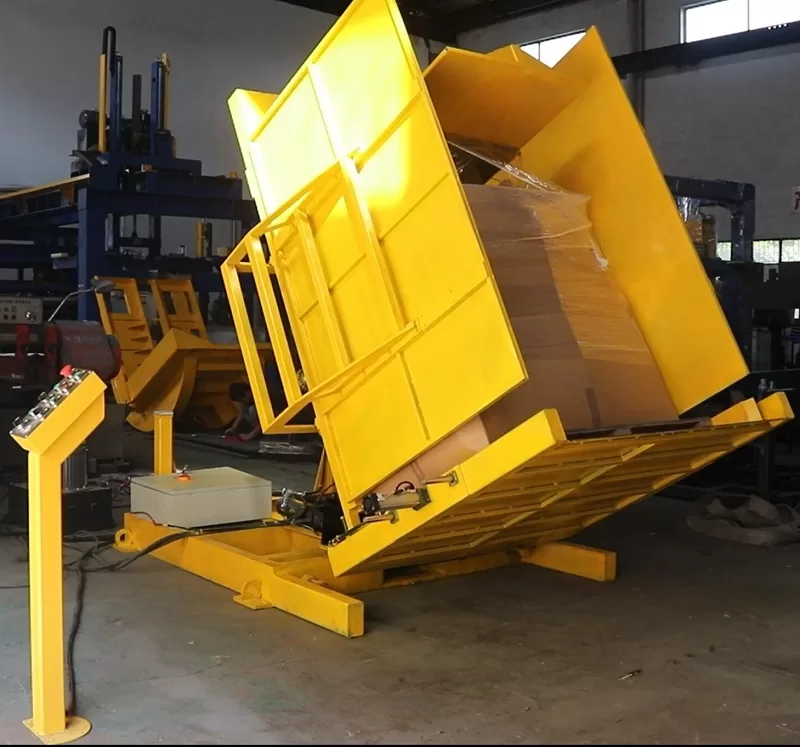
It is easy to focus on the upfront cost when buying new equipment. But my many years in the packing machine industry, starting from the factory floor and building my own company, taught me a clear lesson. True value comes from a deeper look at all the related expenses. Let’s break down these critical cost areas. This will help you make a decision that really supports your business growth, just as it has for many of my clients.
Is the Initial Purchase Price the Only Cost You Should Consider for a Pallet Inverter?
The sticker price of a new pallet inverter can be very tempting to focus on. It is the number you see first. But relying only on that number often leads to higher costs down the road. I have seen this happen many times in many factories. Businesses think they save money upfront, but then they pay more later in other ways.
The initial purchase price of a pallet inverter is just one part of the total investment. You must look beyond it to understand the full financial impact. Cheaper machines often come with hidden costs such as lower reliability, higher energy consumption, and a shorter lifespan, which erode any upfront savings quickly.

When we talk about paper logistics, every detail matters. Paper products are often heavy, sometimes delicate, and always need careful handling. A pallet inverter is not just a simple machine. It is a key part of your workflow. A cheap machine might not have the strength or precision needed for heavy paper rolls or stacks. It could struggle with different pallet sizes, like the Euro pallets and American pallets Carlos has to switch every day. This means slower operations or even damage to valuable products. My experience shows that investing a little more initially can save a lot in the long run. It is about total cost of ownership (TCO) and return on investment (ROI). You want a machine that works well, not just one that looks cheap.
Deeper Dive: Initial Price vs. Long-Term Value in Paper Logistics
Buying a pallet inverter for paper logistics is a significant decision. You are not just buying metal and motors. You are buying a solution to a critical part of your supply chain. The difference between a low-cost option and a slightly more expensive, high-quality one is often huge over time.
-
💰 Upfront Cost vs. Future Savings:
- Lower Initial Price: These machines might seem good at first. They reduce your immediate capital expense. But they often use cheaper parts. This means they might break down more often. They might not be as efficient. For paper logistics, this can be a disaster. Downtime means stalled paper production or delayed shipments.
- Higher Initial Price: These machines usually come from trusted brands, like what we build at FHOPEPACK. They use better materials and design. This leads to greater durability and reliability. You spend more now, but you save on repairs and lost time later. This is especially true for the constant, heavy-duty work needed in paper warehouses. Think about the thousands of pallets Carlos processes. A reliable machine is essential.
-
🛠️ Build Quality and Lifespan:
- A quality pallet inverter is built to last. It handles the constant stress of heavy loads without failing. For paper logistics, this is non-negotiable. Paper is heavy. You cannot afford a machine that wears out quickly. When I first started working, I saw machines that lasted only a few years. It was a constant cycle of replacement and new spending. Building robust machines became a mission for me.
- Cheaper machines often have a shorter operational life. This means you will need to buy a new one sooner. This adds to your total cost over time. It also causes disruption when you have to replace it.
-
⚡ Energy Efficiency:
- Modern, high-quality pallet inverters are designed to be energy efficient. They use less power to do the same job. This reduces your electricity bills every month. For large warehouses moving thousands of pallets, these savings add up fast.
- Older or cheaper models can be real power hogs. They might not seem expensive to run per hour. But over a year, this inefficiency can cost you thousands. Energy costs are a big part of operational expenses that many forget to factor in when looking at the initial price.
-
⚙️ Adaptability to Pallet Types:
- For paper logistics, especially international shipping, you need to handle different pallet sizes. Carlos mentioned Euro pallets and American pallets. A quality pallet inverter can be adjusted easily for these different types. This means no manual labor to switch. It means no specialized machines for each pallet type.
- Cheaper models might be rigid. They might only work with one or two pallet sizes. This means you still need manual labor or you need to buy multiple machines. This negates any initial savings. A good machine offers flexibility. It is an investment in future growth and adaptability.
-
📉 Resale Value:
- A well-maintained, quality pallet inverter holds its value better. If you upgrade in the future, you can sell your old machine for a good price. This reduces the net cost of your initial investment. Cheaper machines have very little resale value. They are often just scrapped.
These points show that a low initial price can be a trap. It often hides higher long-term costs that severely impact your profitability and efficiency in paper logistics.
How Do Operational Costs Impact Your Bottom Line in Paper Logistics?
The initial purchase is just the start. After that, your pallet inverter begins to accrue operational costs every single day. Many companies overlook these ongoing expenses. This can cause their budget to spiral out of control. My years in the packing industry taught me that watching these daily costs is key to true financial independence.
Operational costs, including labor, energy consumption, and routine maintenance, significantly impact the bottom line in paper logistics. High-quality pallet inverters reduce these expenses by minimizing manual intervention, optimizing energy use, and requiring less frequent, less costly upkeep. For handling paper, where volume is high and efficiency is critical, these recurring costs can quickly outweigh any initial savings from a cheaper machine.
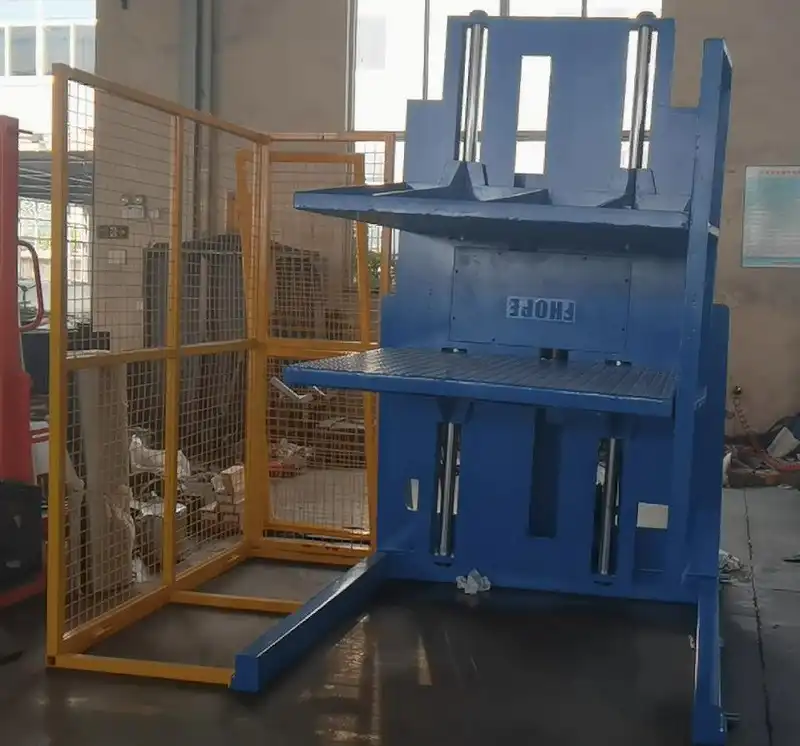
Think about a warehouse like Carlos’s, moving thousands of pallets daily. Each small inefficiency or extra cost adds up quickly. In paper logistics, labor costs are a huge concern. Moving heavy paper manually is physically demanding and slow. Energy prices are always changing. Machine breakdowns lead to costly delays. You need a solution that actively works to reduce these burdens. This is why a pallet inverter should not just perform its task. It should also be a cost-saving tool.
Deeper Dive: Managing Operational Expenses in Paper Logistics
Operational costs are the silent killers of profit if you are not careful. For paper logistics, these costs are especially relevant due to the nature of the products and the high volume of movement.
-
👨🏭 Labor Costs:
- Manual Pallet Changing: This is very labor-intensive. It requires several workers to handle heavy paper pallets. Wages are rising, and qualified labor is hard to find. Carlos faces this directly. Young people do not want to do heavy lifting. This means higher recruitment costs and higher salaries.
- Automated Pallet Inverter: A good pallet inverter greatly reduces the need for manual labor. Some systems are fully automatic, needing only one person to monitor. Others are semi-automatic. This frees up your workers to do other, more valuable tasks. This directly cuts down on your payroll expenses. My own company focuses on making machines that reduce manual work. It is a big win for businesses.
-
💡 Energy Consumption:
- Inefficient Machines: Older or poorly designed pallet inverters can consume a lot of electricity. They might have less efficient motors or hydraulic systems. Running these machines day in and day out adds a significant amount to your utility bills. In paper logistics, where operations run for long hours, this can be a major drain.
- Energy-Efficient Machines: Modern pallet inverters are built with energy saving in mind. They use advanced motors and smart controls. They only use power when needed. This significantly lowers your energy footprint and operational expenses. It is an investment that pays for itself over time through lower bills.
-
🔧 Maintenance and Parts:
- Frequent Breakdowns: Cheaper machines are more prone to breaking down. This means higher costs for spare parts. It means more time for maintenance technicians. It also means more downtime for your operations. For paper logistics, downtime can mean missed delivery deadlines and unhappy customers.
- Reliable Machines: A high-quality pallet inverter is designed for continuous operation. It uses durable components. This reduces the frequency of repairs. When maintenance is needed, it is often simpler and quicker. Access to parts is also important. FHOPEPACK, for example, makes sure parts are available and easy to get. This helps keep your machine running smoothly with minimal interruption.
-
consumableConsumables:
- Some pallet inverters might require specific, costly lubricants or filters. While seemingly small, these can add up.
- Consider the total impact of how your machine uses or affects other consumables in your paper logistics. For example, a machine that damages pallets or paper often might indirectly increase your costs for new pallets or re-packaging materials.
-
⏱️ Downtime Costs:
- This is a hidden cost. When your pallet inverter breaks down, your entire operation can stop. For paper logistics, this means paper cannot be moved, processed, or shipped. This leads to lost productivity, missed orders, and potential contract penalties.
- A reliable machine minimizes downtime. It ensures that your paper products keep moving. This maintains your production schedule and helps you meet customer demands. My journey in this industry taught me that an ounce of prevention (a good machine) is worth a pound of cure (expensive repairs and lost business).
By carefully evaluating these operational costs, you can choose a pallet inverter that not only performs its task but also acts as a powerful tool for cost reduction in your paper logistics operations.
What Are the Hidden Costs of Safety Risks and Product Damage in Pallet Handling?
Safety is paramount in any warehouse, especially when handling heavy paper products. Accidents happen. Product gets damaged. But these events come with far greater costs than many realize. These are often hidden costs that do not appear on a standard budget sheet until it is too late.
Hidden costs stemming from safety risks and product damage can be substantial, particularly in paper logistics where heavy, delicate items are handled. These costs include worker injury compensation, increased insurance premiums, product loss, re-work expenses, and damage to your company’s reputation. A high-quality pallet inverter significantly mitigates these risks by automating dangerous tasks and ensuring gentle handling, thus preventing costly incidents.

Carlos, in his role as a logistics manager, deeply understands this. He mentioned that manual pallet changing poses risks of goods tipping and worker injury, leading to accidents. He also highlighted that customer pressure for shorter delivery cycles means no room for errors. Damage to paper products can mean immediate financial loss and unhappy clients. My own journey, watching workers handle heavy loads, showed me that safety features are not just nice to have. They are essential. They protect people and they protect profits.
Deeper Dive: Uncovering the Costs of Safety and Damage in Paper Logistics
The costs related to safety and product damage are often overlooked in the initial purchase decision. Yet, they can be some of the most expensive. Especially in paper logistics, where goods can be heavy and value per pallet is high.
-
🤕 Worker Injuries and Compensation:
- Manual Handling Risks: Manually flipping or changing heavy paper pallets is very dangerous. Workers can suffer back injuries, crushed limbs, or falls. Carlos explicitly mentioned this challenge. Such accidents lead to significant costs.
- Costs of Injury: These include medical bills, lost work time, and worker compensation claims. They also involve legal fees and potential fines from safety regulators. Beyond money, there is the human cost of suffering. As an employer, I always valued my team’s safety. A good machine protects your most valuable asset: your people.
-
📈 Increased Insurance Premiums:
- A history of workplace accidents can cause your insurance premiums to rise sharply. Insurance companies see your warehouse as a higher risk. This directly increases your operational costs year after year.
- By improving safety with automated equipment, you demonstrate a commitment to risk reduction. This can lead to lower insurance costs over time.
-
🗑️ Product Loss and Rework:
- Damaged Paper Products: During manual or inefficient pallet changes, paper rolls can fall. Stacks can become unstable. This leads to damaged goods that cannot be sold. For high-value paper, this is a direct financial loss. Reworking or repacking damaged paper is also costly in terms of labor and materials.
- Automated Protection: Pallet inverters are designed for gentle, controlled handling. They secure the load during the inversion process. This greatly reduces the chance of damage. For paper logistics, maintaining product integrity is vital for customer satisfaction and profitability.
-
⏳ Downtime from Incidents:
- After an accident or significant product damage, operations often halt for investigations, cleanup, or repairs. This downtime is costly, leading to lost productivity and delayed shipments.
- Preventing incidents keeps your operations running smoothly, ensuring consistent output and meeting deadlines.
-
reputationalReputational Damage:
- A company with a poor safety record or frequent product damage issues can suffer reputational harm. This can make it harder to attract good employees or retain loyal customers.
- In the paper industry, reliability and quality are expected. A reputation for careful handling and timely delivery is a significant asset. A safe and efficient pallet inverter supports this positive image.
-
⚖️ Compliance and Fines:
- Safety regulations are strict. Non-compliance can lead to hefty fines and legal action. Investing in equipment that meets safety standards helps avoid these penalties.
- Ensuring your operations are safe and compliant is a must. A good pallet inverter contributes to this by taking humans out of dangerous situations.
Choosing a pallet inverter that prioritizes safety is not an expense. It is an investment. It protects your workers, your products, and your company’s financial health in the demanding world of paper logistics.
Can Pallet Inverter Efficiency Directly Affect Your Revenue and Customer Satisfaction?
Many businesses view equipment simply as a tool to do a job. But I have learned that the right equipment can actually drive revenue and build stronger customer relationships. In the fast-paced world of paper logistics, where every minute counts, efficiency is directly linked to your financial success.
Yes, pallet inverter efficiency directly affects your revenue and customer satisfaction by dictating throughput speed, delivery reliability, and ultimately, your ability to meet market demands. In paper logistics, faster, more reliable pallet switching reduces lead times, prevents costly delays, avoids penalty fees, and ensures customers receive their orders on time and in perfect condition, thereby boosting sales and loyalty.
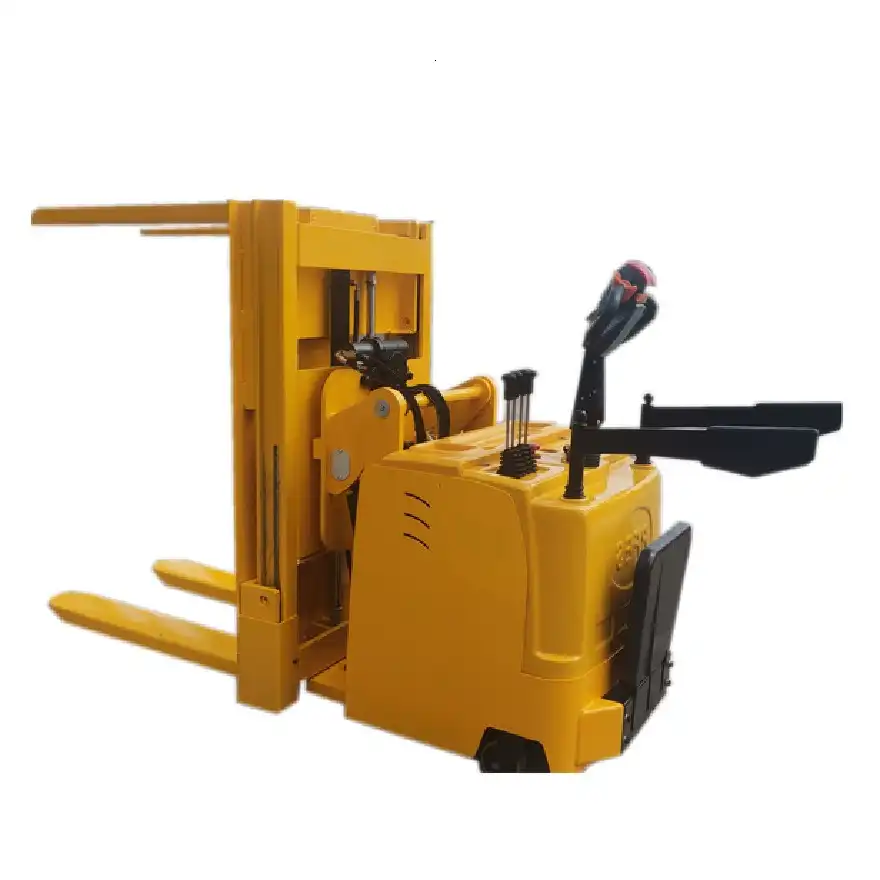
Carlos’s experience confirms this. His clients demand shorter delivery cycles. This means his warehouse operations must be fast and accurate. Slow pallet switching or frequent breakdowns lead to delays. Delays can mean contract penalties and losing valuable customers. For paper logistics, this is a real threat. A highly efficient pallet inverter is not just an operational asset. It is a strategic one, directly impacting your ability to compete and grow.
Deeper Dive: Efficiency, Revenue, and Customer Satisfaction in Paper Logistics
The link between operational efficiency and business outcomes is very clear in paper logistics. A pallet inverter is a bottleneck if it is slow or unreliable. But it can be a significant advantage if it performs well.
-
⏱️ Throughput and Processing Speed:
- Inefficient Machines: A slow or complex pallet inverter limits how many pallets you can process in an hour or a day. This creates bottlenecks in your workflow. For paper logistics, this means you cannot move or ship as much paper as needed. This reduces your overall capacity.
- High-Efficiency Machines: A fast and intuitive pallet inverter dramatically increases your throughput. It allows you to process more pallets in less time. This means you can handle higher volumes of paper. You can meet increased demand without adding more shifts or labor. This directly translates to more potential sales and higher revenue.
-
🚚 Delivery Timelines and Penalties:
- Missed Deadlines: Delays in pallet changing can push back delivery times. In today’s market, customers expect fast shipping. Missing delivery deadlines can lead to financial penalties from clients. It can also cause loss of future business.
- Reliable Deliveries: An efficient pallet inverter ensures your operations keep pace with demand. It helps you meet delivery schedules consistently. This avoids costly penalties and keeps your customers happy. Carlos specifically mentioned client pressure for shorter delivery cycles. This highlights the importance of every step in the process.
-
⭐ Customer Satisfaction and Retention:
- Unhappy Customers: When orders are delayed or products arrive damaged due to inefficient handling, customer satisfaction drops. Dissatisfied customers are likely to switch to competitors. This means lost revenue and a damaged reputation.
- Loyal Customers: Consistent, timely deliveries and products that arrive in perfect condition build customer trust and loyalty. Happy customers are more likely to place repeat orders. They are also more likely to recommend your business to others. This is invaluable for long-term growth. My goal at FHOPEPACK has always been to help clients build strong relationships with their customers through reliable equipment.
-
📈 Scalability and Growth:
- Limited Capacity: An inefficient pallet inverter can limit your ability to grow. If you cannot process more orders, you cannot take on new business. This stifles your expansion plans.
- Growth Enabler: A highly efficient and adaptable pallet inverter allows you to scale your operations easily. As your business grows, your equipment can handle the increased volume. This supports your expansion into new markets or handling more diverse paper products. It allows you to say “yes” to more opportunities.
-
💸 Cost of Expedited Shipping:
- If operations are slow, you might have to pay for expedited shipping to catch up on missed deadlines. These extra shipping costs eat into your profit margins.
- Efficient operations reduce the need for such emergency measures, saving you money.
An efficient pallet inverter is not just about moving pallets. It is about moving your business forward. It safeguards your revenue, builds customer trust, and paves the way for sustainable growth in the competitive paper logistics industry.
Conclusion
Choosing a pallet inverter for paper logistics goes far beyond the initial price tag. It involves a careful look at operational costs, safety implications, and the machine’s impact on efficiency and customer satisfaction. My experience shows that a smart investment in a reliable pallet inverter pays dividends by reducing hidden costs, improving safety, and boosting your overall profitability. Make a decision that truly supports your business goals.








