
How do Pallet Inverters Reduce Crushing Risks Compared to Traditional Pallet Change Tools?
Imagine your warehouse floor. Forklifts move, people work, and pallets shift. You know the pressure to keep things moving. But what happens when you need to change a pallet? Manually, this can be slow and dangerous. Workers might strain, products might fall, and operations can stop. This old way puts your people and your profits at risk.
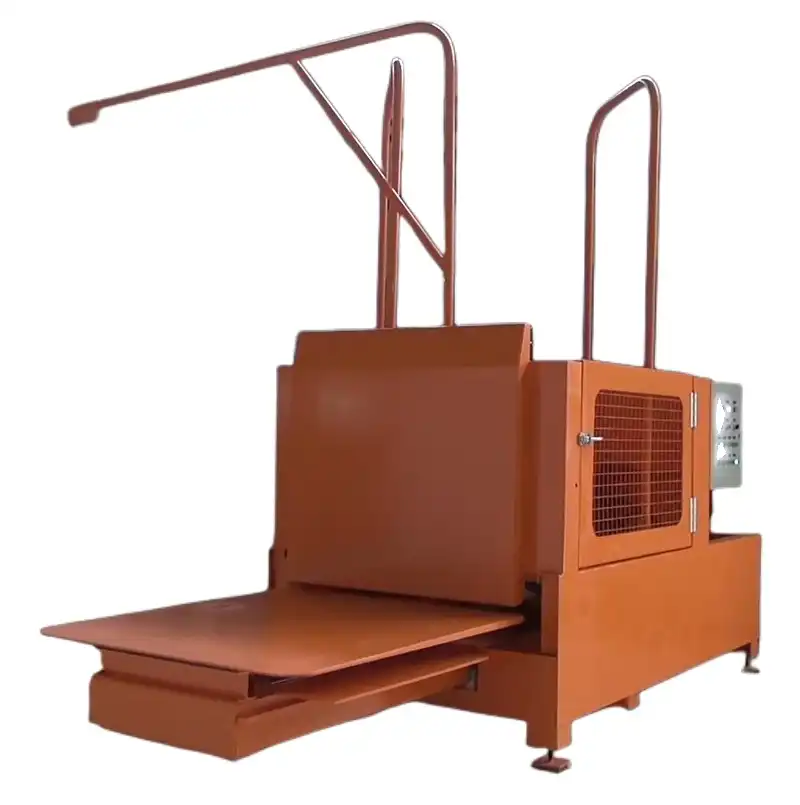
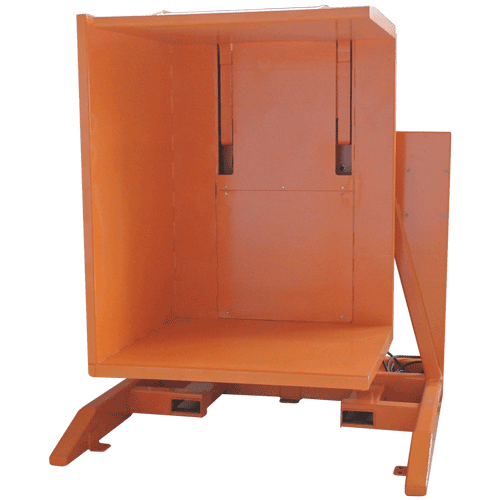
Pallet inverters reduce crushing risks by replacing manual handling with automated, controlled mechanical processes. They clamp and rotate loads securely, eliminating human contact with heavy, unstable stacks. This stops injuries from falling goods or manual lifting, making pallet changes much safer than traditional methods like hand-flipping or forklift-assisted swaps.
You are likely here because you want to make your warehouse safer and more efficient. As someone who built a packing machine factory from the ground up, I have seen these problems firsthand. I want to help you understand how modern solutions can change your operations. Keep reading to learn how pallet inverters can protect your team and improve your business.
Why are traditional pallet changes so risky?
You face daily challenges in your warehouse, from different pallet sizes to tight schedules. When it comes to changing pallets, especially for export or hygiene, doing it by hand can cause real problems. Think about the stress on your team and the potential for costly accidents. These risks are not just about paperwork; they impact your people and your bottom line.
Traditional pallet change methods, which often rely on manual labor or basic forklift assistance, carry high risks of crushing injuries because they involve direct human interaction with heavy, unstable loads. Workers might be hurt by falling goods, tipping stacks, or incorrect lifting, leading to accidents and product damage.
From my own experience on the factory floor, I saw these risks many times. Workers had to use their strength or clever tricks to swap pallets. This often meant putting themselves in dangerous spots. It makes sense why labor is hard to find for such tough jobs now. Let us break down these risks.
1. 🚨 Direct Contact and Heavy Loads: A Recipe for Disaster
Manual pallet changes mean workers get very close to heavy items. When a full pallet weighs hundreds or thousands of kilograms, any slip or imbalance can cause major problems. Workers might try to use levers or their own body weight to shift loads. This can cause the load to tip, fall, or shift unexpectedly. The risk of crushing injuries is high when a heavy load moves out of control. Think about a stack of boxes that slides when being turned. A worker’s hand or foot can easily get caught. This is not just a theoretical risk; it leads to real injuries every day in warehouses across Europe and beyond. These incidents can cause broken bones, severe cuts, or worse. For a warehouse manager like Carlos, who values safety, these risks are a major concern. He knows that one accident can stop operations and hurt staff morale. These direct contact points are where most injuries happen. Workers might also try to balance the load with their hands or bodies. This puts them in the direct path of danger if the load shifts. My own journey in the packing machine industry taught me that safety must come first. If your people are not safe, nothing else truly matters. We need to find ways to take humans out of these dangerous interactions.
2. 📉 Instability of Goods and Pallets: Unpredictable Outcomes
Pallets are often stacked high. When you try to turn or swap them manually, the goods can become very unstable. Picture a stack of fragile food products. If you try to tip them by hand, the whole stack can easily collapse. This leads to crushed products and potentially crushed workers. Different pallet types also add to this problem. Euro pallets are different from US pallets. If you are trying to swap goods between these different sizes, stability becomes an even bigger issue. The goods on the top pallet might not fit perfectly on the bottom one. This creates gaps or uneven pressure points. When I started my packing machine factory, I focused on making machines that held goods firmly. This was always a key part of the design. You cannot rely on human strength to keep thousands of kilograms stable. This is especially true when workers are rushing to meet tight delivery schedules. The pressure from customers for faster service only increases the chance of a mistake. Manual methods cannot handle these pressures safely. The more variables you add, like different pallet types or urgent deadlines, the higher the risk becomes.
3. 🏋️♂️ Strain Injuries and Long-Term Health Issues: The Hidden Costs
Beyond immediate crushing risks, manual pallet handling causes other problems. Workers often lift, push, and pull very heavy items. This leads to muscle strains, back injuries, and other long-term health issues. These might not be immediate accidents, but they are still serious. A worker with chronic back pain cannot do their job well. This reduces productivity and increases sick days. For a warehouse manager, this means higher labor costs and less reliable staffing. In Spain, where Carlos works, labor costs are rising, and finding young people for physically demanding jobs is hard. These long-term injuries make the labor shortage even worse. My goal at FHOPEPACK is to share knowledge that helps businesses grow. Part of that growth means taking care of your team. Investing in equipment that reduces physical strain is not just about safety; it is about keeping your workforce healthy and productive for years to come. These hidden costs of manual work can add up significantly over time, impacting insurance premiums and overall operational budgets.
How do pallet inverters eliminate manual crushing dangers?
You have seen the risks of manual pallet changes. Now, imagine a solution that takes the human element out of the most dangerous parts of this process. Pallet inverters are built to do exactly that. They use smart design and strong mechanics to handle heavy loads, keeping your team safe and your products secure.
Pallet inverters eliminate manual crushing dangers by using mechanical clamping and rotation systems that securely grip the load before any movement. This removes the need for workers to physically support or manipulate heavy goods, preventing injuries from falling products or unstable stacks that are common with traditional, manual handling.

When I designed packing machines, safety was always a top priority. A machine should do the heavy, risky work so people do not have to. Pallet inverters embody this principle. They are engineered to perform complex, heavy-duty tasks with precision and control. Let us look at how they achieve this.
1. 🔒 Secure Clamping Mechanisms: Holding Tight, No Human Contact
The core of a pallet inverter’s safety is its clamping system. Before any movement starts, the machine uses hydraulic or electric clamps to firmly hold the entire load – product and pallet – in place. This means the goods cannot shift, slide, or fall during the inversion or transfer process. Workers simply place the loaded pallet into the machine, initiate the cycle, and then step back. There is no need for them to physically support the load or manually stabilize it as it turns. This is a huge change from traditional methods where workers might try to balance thousands of kilograms. For Carlos, whose warehouse handles thousands of pallets daily, this secure clamping is key. It ensures that his valuable food and beverage products remain intact. It also ensures his staff are far from any potential crushing points. When the load is clamped, it becomes one solid unit with the machine. This controlled grip means the risk of goods tipping over or individual items falling is virtually zero. It is a fundamental shift from relying on human strength to relying on mechanical precision. This controlled environment reduces the chance of both product damage and worker injury dramatically.
2. 🔄 Controlled Rotation and Transfer: Smooth, Predictable Movements
Once the load is clamped, the pallet inverter rotates it smoothly and predictably. This is not like trying to tip a pallet by hand or with a jury-rigged forklift setup. The machine’s movements are slow, steady, and guided by automated controls. There are no sudden jolts or uncontrolled swings that could destabilize the goods. Whether it is a full 180-degree inversion or a simple pallet-to-pallet transfer, the process is fully managed by the machine. This removes all the guesswork and physical strain from the operation. For example, when swapping a Euro pallet for a US pallet, the goods are held perfectly still as the pallets are exchanged underneath. The machine does the heavy lifting and turning with controlled power. This controlled movement directly prevents accidents caused by human error or physical limitations. My years in the packing machine industry taught me that consistency is vital. Machines provide this consistency, reducing unexpected events. This means fewer accidents, less product damage, and a safer workplace overall. The precision of the machine ensures that the process is repeatable and safe every single time.
3. 🛑 Built-in Safety Features: Beyond the Basics
Modern pallet inverters come with many safety features designed to protect operators. These can include:
| Feature | Benefit | Icon |
|---|---|---|
| Safety Light Curtains | Automatically stop the machine if a worker enters the operating zone. | 🚦 |
| Emergency Stop Buttons | Easily accessible buttons to immediately halt all machine functions in an emergency. | 🔴 |
| Guard Rails & Fencing | Create a physical barrier around the machine to prevent accidental entry during operation. | 🚧 |
| Interlocked Doors | Ensure the machine cannot operate if access doors are open, protecting workers. | 🚪 |
| Audible & Visual Alarms | Warn operators when the machine is starting or performing a critical function. | 🔔 |
| Overload Protection | Prevents the machine from operating if the load exceeds its safe weight capacity. | ⚖️ |
These features work together to create a secure working environment. They are not just optional extras; they are standard for any quality pallet inverter. As a former employee who then built my own factory, I understand the importance of reliable equipment. These safety systems are proof of careful engineering. They give peace of mind to managers like Carlos. He knows his team is working with equipment designed to prevent accidents, not just react to them. These features protect against human error and mechanical failure, making the workplace much safer. This proactive approach to safety is what sets modern pallet inverters apart from older, riskier methods.
What other operational benefits do these machines bring to your warehouse?
Safety is the first and most important benefit of pallet inverters. But the advantages do not stop there. In today’s fast-paced logistics world, warehouses need every edge they can get. Pallet inverters bring a whole range of operational improvements that directly address the challenges faced by managers like Carlos.
Beyond safety, pallet inverters significantly improve warehouse operations by boosting efficiency, reducing labor costs, ensuring compliance with diverse pallet standards, and minimizing product damage. They automate strenuous tasks, allowing staff to focus on higher-value work and keeping goods flowing smoothly.

When I started FHOPEPACK, my goal was to share knowledge that helps businesses grow. This means looking at the full picture. Pallet inverters are not just a safety tool; they are a strategic asset that can transform your entire workflow. Let us explore these benefits in more detail.
1. ⚡ Increased Efficiency and Throughput: Keeping Goods Moving Fast
Manual pallet changes are slow. Each swap takes time, and if you are dealing with thousands of pallets daily, those minutes add up fast. A pallet inverter can complete a full cycle in just a few minutes, far faster than any manual process. This speed means more pallets are processed in less time. For Carlos, who faces pressure for shorter delivery times from e-commerce and retail clients, this is a critical advantage. He needs to move goods quickly. Automation allows his regional distribution center to handle high volumes without bottlenecks at the pallet changing station. This directly impacts his ability to meet customer demands and avoid late delivery penalties. By speeding up this specific task, the entire warehouse flow improves. Workers do not waste time on slow, manual swaps. They can focus on other important jobs, making the whole operation run smoother. This efficiency gain is not just about speed; it is about reliable, predictable throughput. It means Carlos can promise faster delivery knowing his internal processes support it. My experience showed me that even small gains in efficiency can lead to big overall improvements for a business.
2. 💸 Reduced Labor Costs and Dependency: Smart Staffing Solutions
Labor costs are rising, and finding staff for physically demanding warehouse jobs is becoming harder. Pallet inverters address both these challenges. By automating pallet changes, you reduce your reliance on manual labor for this specific task. This does not mean cutting staff, but rather reassigning them to less strenuous, higher-value work. Instead of spending time on risky, physical pallet swaps, your team can focus on quality control, inventory management, or operating other machinery. This makes your existing workforce more productive. It also makes your warehouse a more attractive place to work, as fewer jobs involve heavy lifting and repetitive strain. Carlos specifically mentioned labor shortages as a challenge. A pallet inverter offers a clear solution to this. It allows him to manage his workforce more effectively and reduce overtime pay. Over the long term, this leads to significant cost savings. It also creates a more sustainable staffing model, as the warehouse is less dependent on finding people willing to do physically demanding work. It is about working smarter, not harder.
3. ✅ Enhanced Compliance and Product Integrity: Meeting Strict Standards
International logistics means dealing with different standards. Carlos’s warehouse, for example, frequently switches between Euro pallets and US pallets for export. Manually managing these diverse pallet types can be prone to error and may not meet strict hygiene standards for food products. Pallet inverters handle these changes with precision. They ensure goods are transferred onto the correct pallet type without being damaged. For food and beverage products, maintaining hygiene is essential. A controlled machine process is far cleaner and more consistent than manual handling. It reduces contamination risks. This helps businesses comply with strict food safety regulations and international shipping requirements. Product damage is also a big concern. When goods are handled manually, there is always a risk of dropping or crushing items. A pallet inverter’s secure clamping and smooth motion prevent such damage, ensuring products reach customers in perfect condition. This reduces waste, cuts down on customer complaints, and protects your brand’s reputation. It is about doing things right every time, which is something I always pushed for in my own factory.
4. 🤝 Long-Term Partnership and Support: More Than Just a Machine
Carlos is looking for a partner, not just a supplier. He wants a company that understands his warehouse pain points and offers flexible solutions. This is exactly what FHOPEPACK offers. When you invest in a pallet inverter, you are not just buying a piece of equipment; you are investing in a solution that needs long-term support. This includes installation, training for your team, ongoing maintenance, and quick access to spare parts. A reliable partner ensures your machine continues to run smoothly for years. We understand that your operations cannot stop. Our knowledge-sharing platform goes beyond selling machines. We aim to help you gain a deeper understanding of your needs and the best ways to solve them. As someone who built a successful factory, I know the value of good support. If a machine breaks down, you need help fast. Choosing FHOPEPACK means getting that dedicated partnership, helping you adapt to new challenges and ensuring your investment truly pays off. We are here to help you succeed, not just sell you a product and disappear.
Conclusion
Pallet inverters offer a clear path to a safer, more efficient warehouse. They remove crushing risks by automating heavy lifting and controlled handling, protecting your team and your products. Beyond safety, these machines boost efficiency, cut labor costs, and ensure compliance for diverse pallet needs. Choosing the right pallet inverter means investing in a solution that transforms your operations and secures your business’s future.








