
What Automation Features Do Canadian Engineers Insist on in Coil Packing Systems?
The factory floor hums with activity. Production lines run fast. But then, you hit the end. Your high-volume output slows down. This happens at the packing stage. Manual coil and wire packing becomes a bottleneck. It frustrates everyone. It eats into your profits. You see your hard work getting stuck right before shipping. This is a real problem for many operations, especially in places like Canada where efficiency matters a lot.
Canadian engineers push for specific automation features in coil packing systems. They want systems that remove production bottlenecks. These systems must boost worker safety. They also need to cut down on product damage. Most importantly, they look for equipment that offers a clear return on investment. This focus means their coil packing lines run faster, safer, and more profitably.
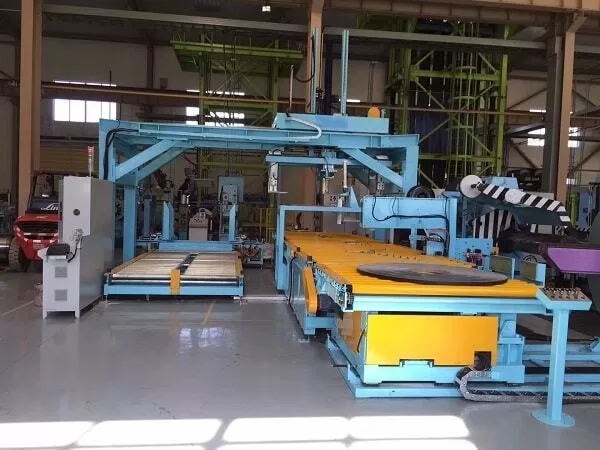
So, how do you find solutions that meet these high standards? How do you ensure your investment pays off? We will look closely at what Canadian engineers truly need. We will see how advanced automation can help their factories grow. Keep reading to learn more.
Why Do Canadian Engineers Prioritize Automated Efficiency in Coil Packing?
Do you face slow packing speeds? Does manual handling of heavy coils cause delays? This is a common issue. It hurts overall production. It makes delivery times longer. Your factory loses money because of these bottlenecks. This is a major pain point for Canadian engineers. They work to keep production moving.
Canadian engineers insist on automation for coil packing because it dramatically boosts efficiency. Automated systems speed up the wrapping process. They reduce the need for manual labor. This allows for faster material flow from production to shipment. This is key for meeting tight deadlines. It also helps manage high production volumes. 
When I started my first job at a packing machine factory, I saw how much time manual work took. Later, when I built my own factory, I knew we had to solve this. Efficiency is not just about speed. It is about consistent output. It is about less wasted time.
Many factors slow down manual coil packing. These include physical limits of workers and repeated tasks. Automation changes this completely. It brings a predictable speed. It keeps that speed all day, every day.
The Impact of Automated Speed and Throughput on Production
Automated coil packing systems offer a significant jump in speed. They can wrap coils much faster than any human. This means more coils get packed per hour. This directly leads to higher overall factory throughput. For Canadian manufacturers, this is vital. They often operate in competitive markets. They need to maximize every minute of production.
Here are specific ways automation improves efficiency:
- Faster Cycle Times: Machines work without breaks. They maintain a consistent wrapping speed. This cuts down the time per coil.
- Reduced Labor Dependence: Fewer workers are needed for the packing line. This frees up staff for other important tasks. It also helps with labor shortages.
- Elimination of Bottlenecks: Manual packing often creates a choke point at the end of the line. Automation removes this. It matches the speed of upstream production.
- Consistent Performance: Machines do not get tired. They do not make human errors due to fatigue. This means steady, reliable output.
Consider a factory producing steel coils. If they manually wrap 10 coils an hour, an automated system might wrap 40 or more. This fourfold increase directly impacts their shipping capacity. It also lets them take on more orders. This boosts their market position. The investment in automation directly supports business growth. I have seen clients achieve this. It makes a big difference.
| Efficiency Metric | Manual Packing | Automated Packing |
|---|---|---|
| Coils per Hour | 10-15 | 40-60+ |
| Labor Cost per Coil | High | Low |
| Consistency of Output | Variable | High |
| Production Bottlenecks | Common | Rare |
This data shows a clear picture. Automation is not just an upgrade. It is a necessary tool for factories that want to stay competitive. It directly tackles the core problem of slow, manual processes. It replaces them with fast, reliable, machine-driven work. This is why Canadian engineers put it at the top of their list. They understand the financial benefits.
How Do Advanced Safety Features Protect Workers in Canadian Coil Operations?
Do you worry about workplace accidents? Do your workers lift heavy objects? Manual handling of large coils or turning heavy pallets creates huge risks. This leads to many worker injuries. High injury rates mean higher insurance costs. They also lead to staff turnover. This is a big concern for any factory manager, especially in Canada where safety standards are strict.
Advanced safety features are a top priority for Canadian engineers in coil packing. They look for solutions that minimize human interaction with heavy machinery and materials. This includes automatic loading and unloading. It also means guarded machinery. Such features drastically reduce the risk of accidents. They protect workers from harm.

When I was first learning about packing machines, safety was always a big part of the design. My journey from an employee to a factory owner taught me this. A safe workplace is a productive workplace. Injured workers cannot produce. High injury rates cost money and morale.
Manual coil handling involves many dangers. Workers can strain their backs. They can crush limbs. Heavy coils can fall. These are serious risks. Automated systems remove people from these dangerous situations.
Reducing Workplace Hazards Through Smart Automation
Automated coil packing systems are designed with worker safety at their core. They use sensors, interlocks, and robotic arms. These parts manage the hazardous tasks. This keeps human operators at a safe distance. This design approach significantly improves workplace safety records. It also reduces related costs like insurance premiums.
Here are key safety features Canadian engineers demand:
- Automated Loading and Unloading: This removes the need for workers to physically lift or maneuver heavy coils. It uses conveyors, cranes, or robotic arms.
- Safety Guards and Interlocks: Machines come with physical barriers. These prevent access to moving parts during operation. Interlocks stop the machine if a guard is opened.
- Emergency Stop Buttons: These are placed strategically around the machine. Workers can hit them instantly to stop all movement in an emergency.
- Light Curtains and Safety Scanners: These create invisible safety zones. If a worker enters the zone, the machine automatically pauses. This prevents collisions.
- Reduced Manual Handling: Less hands-on work means fewer opportunities for sprains, strains, or crushing injuries. This directly lowers the risk of worker compensation claims.
For example, a traditional packing line might require two workers to manually secure a heavy coil to a pallet. This involves bending, lifting, and repetitive motions. An automated system uses a clamp or a robotic arm. It moves the coil into position. It then wraps it without any human touching the coil. This completely eliminates the risk of injury from that specific task. This approach protects workers. It also lowers long-term health costs for the company. It truly shows a commitment to employee well-being.
| Safety Aspect | Manual Packing Risks | Automated Packing Benefits |
|---|---|---|
| Heavy Lifting | Sprains, strains, back injuries, crushed limbs | Eliminated by machine handling |
| Moving Machinery | Risk of entanglement, impact injuries | Guards, interlocks, safety sensors prevent access |
| Repetitive Motion | Musculoskeletal disorders | Reduced human involvement, tasks handled by machine |
| Product Falling | Injuries from falling coils | Secure mechanical handling, stable transport within system |
| Emergency Response | Slower human reaction, potential for secondary risks | Instant machine stop, controlled shutdown |
This focus on safety is not just good for workers. It is good for business. Fewer injuries mean less downtime. It means lower insurance costs. It means a happier, more stable workforce. This is a clear demand from Canadian engineers. They understand that safety is a foundation for strong operations.
What Automation Ensures Product Quality and Reduces Loss for Canadian Manufacturers?
Do your products get damaged during packing? Do steel coil edges get bent? Does wire get scuffed? This kind of damage during internal transfer or packing leads to customer complaints. It also causes profit loss. You invest so much in making a quality product. Seeing it damaged at the last stage is frustrating.
Automation is vital for ensuring product quality and reducing loss. Canadian engineers demand systems that handle materials gently. These systems prevent scratches, dents, or deformations during the packing process. They use precise movements and controlled wrapping tension. This protects the integrity of the finished product.
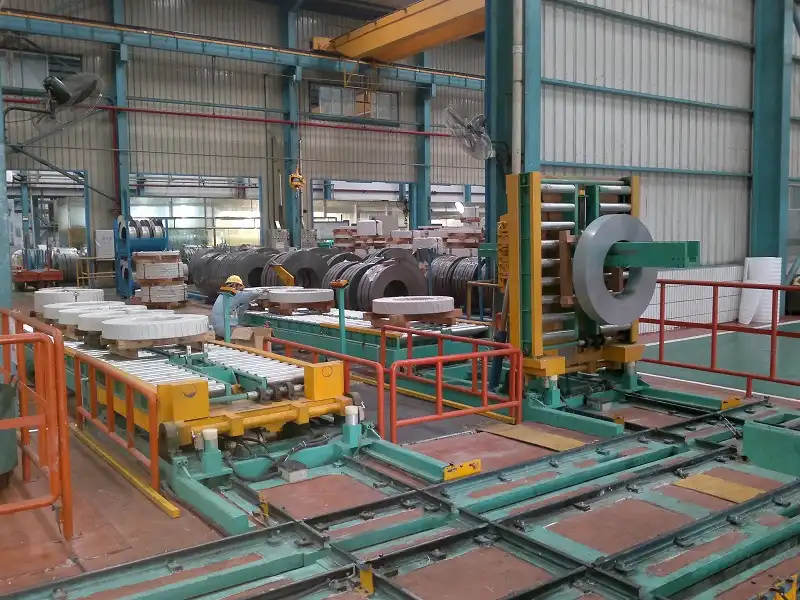
I learned early on in the packing machine industry that even small damage can lead to big problems. A customer will always notice a scuff or a dent. It hurts your reputation. It impacts future orders. I made sure my own factory always focused on delivering perfect products.
Manual packing often causes product damage. Workers might drop coils. They might apply uneven tension to the wrap. They might scuff surfaces during handling. These small mistakes add up. They lead to significant product loss.
Preventing Damage and Enhancing Protection with Automated Precision
Automated coil packing systems apply precision. This is something human hands cannot always do. They use sensors and programming to ensure consistent handling. This protects even the most delicate coil edges or finishes. This precision reduces scrap rates. It improves customer satisfaction. This directly impacts a Canadian manufacturer’s bottom line.
Here are the key ways automation protects product quality:
- Consistent Wrapping Tension: Machines apply uniform tension to the wrapping material. This prevents crushing or over-stretching the coil. It ensures a tight, protective pack every time.
- Controlled Handling Mechanisms: Automated systems use specialized conveyors and cradles. These supports move coils smoothly. They prevent impacts or scrapes during transport.
- Precise Material Application: The wrapping material (film, paper, stretch wrap) is applied exactly where needed. This covers the product fully. It leaves no exposed parts vulnerable to damage.
- Reduced Human Error: Humans can make mistakes, especially when tired. Machines follow programmed paths perfectly. This eliminates accidental drops or mishandling.
- Damage Detection Systems: Some advanced systems include vision sensors. These can detect surface imperfections. They can flag coils that might need re-inspection.
Think about a factory making high-value copper coils. Even a minor scratch can devalue the product. With manual handling, such scratches are common. An automated system uses smooth rollers and precise positioning. It guides the coil onto the wrapping station. It applies a uniform wrap. This ensures the coil arrives at the customer in perfect condition. This reduces returns and rejections. It also builds customer trust. It truly protects the investment in raw materials and manufacturing.
| Damage Risk | Manual Packing Likelihood | Automated Packing Solution |
|---|---|---|
| Scratches/Scuffs | High | Smooth handling, precise wrapping |
| Dents/Deformations | Medium | Controlled tension, stable support |
| Edge Damage | High | Specialized cradles, no direct contact |
| Uneven Wrapping/Exposure | High | Consistent tension, full coverage |
| Dropped Products | Medium | Secure gripping, automated transfer |
This commitment to quality preservation is a major driver for Canadian engineers. They know that product integrity is directly linked to brand reputation. Automation gives them the tools to deliver perfectly packed goods every time. This translates into happier customers and a stronger market position.
Can Reliable Automation Systems Provide a Strong ROI for Canadian Factories?
Have you worked with suppliers who only care about sales? Do they offer poor after-sales service? This creates a trust crisis. It makes you careful about new partners. You need equipment that not only works but also pays for itself. You need a clear return on investment.
Reliability and a strong ROI are non-negotiable for Canadian engineers. They seek partners, not just vendors. They want systems that deliver consistent performance. They also demand clear cost savings. This means reduced labor, less waste, and higher output. They look for long-term value, not just a low purchase price.
My business journey taught me the importance of reliability. When I built my own factory, I knew every machine had to perform. Downtime is expensive. I also learned that a true partner helps you grow. They do not just sell you a machine. They solve your problems.
Investing in new equipment is a big decision. Engineers need to show clear financial benefits. They need to justify the cost. They look at more than just the upfront price. They consider the total cost of ownership. They also look at how fast the investment pays itself back.
The Long-Term Financial Benefits of Robust Automation
Reliable automation systems offer a compelling return on investment. They do this through multiple avenues. These include reduced operating costs, increased throughput, and improved safety. For Canadian factories, these benefits directly impact profitability. They also provide a competitive edge in the global market.
Here is how automation delivers a strong ROI:
- Reduced Labor Costs: Automating packing tasks means fewer operators are needed. This cuts down on wages, benefits, and training expenses. Over time, these savings are significant.
- Decreased Product Loss: As discussed, automation reduces damage. Less damaged product means less scrap. It means fewer returns. This directly saves money on materials and rework.
- Higher Production Volume: Faster packing means more products can be processed and shipped. This leads to higher sales revenue without proportional increases in labor costs.
- Lower Insurance Premiums: A safer workplace with fewer accidents can lead to reduced insurance costs. This is a direct financial benefit.
- Improved Machine Uptime: Reliable machines with good maintenance support have less unplanned downtime. Every minute of uptime means production continues. It means revenue generation.
- Energy Efficiency: Modern automated systems are often designed to be more energy-efficient. This cuts utility costs.
For example, a factory might spend $100,000 per year on labor for manual coil packing. An automated system costing $300,000 might reduce that labor cost by 80%. This saves $80,000 per year. The system could pay for itself in less than four years. This calculation does not even include savings from reduced product damage or increased output. I have seen many clients achieve quick payback periods. This helps them grow their businesses quickly.
| ROI Factor | Impact of Automation | Calculation Example (Hypothetical) |
|---|---|---|
| Labor Cost Savings | Reduces manual labor dependency | $80,000/year (80% reduction of $100,000 labor cost) |
| Product Loss Reduction | Minimizes damage, scrap, and rework | $20,000/year (from 5% product loss to 1%) |
| Throughput Increase | Allows for higher sales volume | $150,000/year (from 20% higher output) |
| Safety Cost Reduction | Lower insurance premiums, fewer claims | $5,000/year |
| Total Annual Savings | Combined financial benefits | $80k + $20k + $150k + $5k = $255,000 |
| Payback Period | Time to recoup initial investment | $300,000 (System Cost) / $255,000 (Annual Savings) = ~1.18 years |
This clear financial picture makes a strong case for automation. Canadian engineers demand this level of transparency. They need to know their investment will deliver concrete returns. They seek solutions that are not just technically advanced but also financially sound. This is about building a sustainable, profitable future.
My Insights: The True Value of Partnership in Canadian Coil Packing Automation?
Have you felt frustrated by suppliers who disappear after the sale? Do you wish you had a partner who truly understood your problems? Many factory managers feel this way. They need more than just a machine. They need deep industry knowledge. They need reliable support. This search for a true partner is common among Canadian engineers.
My insights come from years in this industry. I started on the factory floor. I then built my own successful packing machine factory. The true value in coil packing automation goes beyond the machine itself. It lies in the partnership with your supplier. Canadian engineers look for experts. They want someone who understands production bottlenecks. They need help with safety risks. They need answers to efficiency challenges. They value professional advice. They want reliable solutions.
My journey taught me that success is a two-way street. I achieved financial independence through the packing machine industry. I also helped many clients grow their businesses. I now give back by sharing my expertise. A good partner does not just sell you a piece of equipment. They listen. They diagnose. They recommend solutions tailored to your specific needs. They provide support long after the sale.
This deep relationship is what truly unlocks the potential of automation. It turns an expensive purchase into a strategic investment.
The Role of Expertise and Ongoing Support in Automation Success
True partnership means working with someone who has been there. It means someone who understands the daily pressures of a factory. For Canadian engineers, this means collaborating with experts like myself. Someone who has hands-on experience in manufacturing. This expert guidance ensures that the chosen automation solution fits perfectly. It addresses the real problems on the factory floor.
Here is what a true partnership offers beyond the machine:
- Problem Identification: An expert can quickly spot hidden bottlenecks. They can identify overlooked safety hazards. They understand the nuances of coil and wire packing.
- Customized Solutions: One size does not fit all. A good partner designs a system that matches your specific factory layout. It aligns with your production volume. It considers your unique challenges.
- Implementation Support: Installing complex machinery needs careful planning. A partner guides you through installation. They help with commissioning. They ensure smooth integration into your existing line.
- Training for Your Team: Your staff needs to know how to operate the new equipment safely and efficiently. A partner provides comprehensive training.
- Ongoing Technical Support: Machines need maintenance. Sometimes they need troubleshooting. A reliable partner offers fast and effective after-sales service. This minimizes downtime.
- Future-Proofing Advice: The industry changes. A trusted advisor can help you plan for future upgrades. They can offer advice on expanding your automation. This ensures your investment continues to pay off.
For example, a Canadian factory might struggle with an old manual wrapping process. They might think they need just one new machine. A true partner would look at their entire operation. They might suggest an integrated system. This system could include automatic feeding, wrapping, and even robotic palletizing. This holistic approach solves multiple problems at once. It maximizes efficiency. It boosts safety. It provides a much higher ROI than a single machine could. This kind of deep, insightful guidance is what transforms a factory. It ensures long-term success. It is the core of what I believe in.
| Aspect of Partnership | What a Vendor Offers | What a True Partner Offers |
|---|---|---|
| Focus | Selling a product | Solving your operational problems |
| Knowledge | Product specifications | Deep industry and application expertise |
| Service | Basic warranty, minimal support | Comprehensive installation, training, 24/7 support |
| Relationship | Transactional | Long-term, collaborative, advisory |
| Value Provided | A machine | Solutions, guidance, business growth |
This deep level of engagement ensures that Canadian engineers gain maximum value from their automation investment. They find someone who truly understands their world. They work with someone dedicated to their success. This is what makes a difference in the competitive manufacturing landscape. It is how factories truly thrive.
Conclusion
Canadian engineers demand automation features that deliver efficiency, safety, product quality, and clear ROI. They seek reliable systems and expert partnerships to achieve sustainable growth and operational excellence.








