
What Are the ROI Benefits of Upgrading to Coil Packing Lines in India?
Have you ever felt the pressure of a bottleneck at the end of your production line, slowing down everything you do? Many factory managers I talk to face this exact problem. They see valuable products sitting, waiting, while manual packing methods just can’t keep up. This slow process does not just delay shipments; it can seriously hurt your profits and even put your team at risk.
Upgrading to modern coil packing lines, especially in a dynamic market like India, can deliver significant returns on investment by boosting efficiency, enhancing worker safety, and sharply reducing product damage. It is about building a smarter, safer, and more profitable operation.
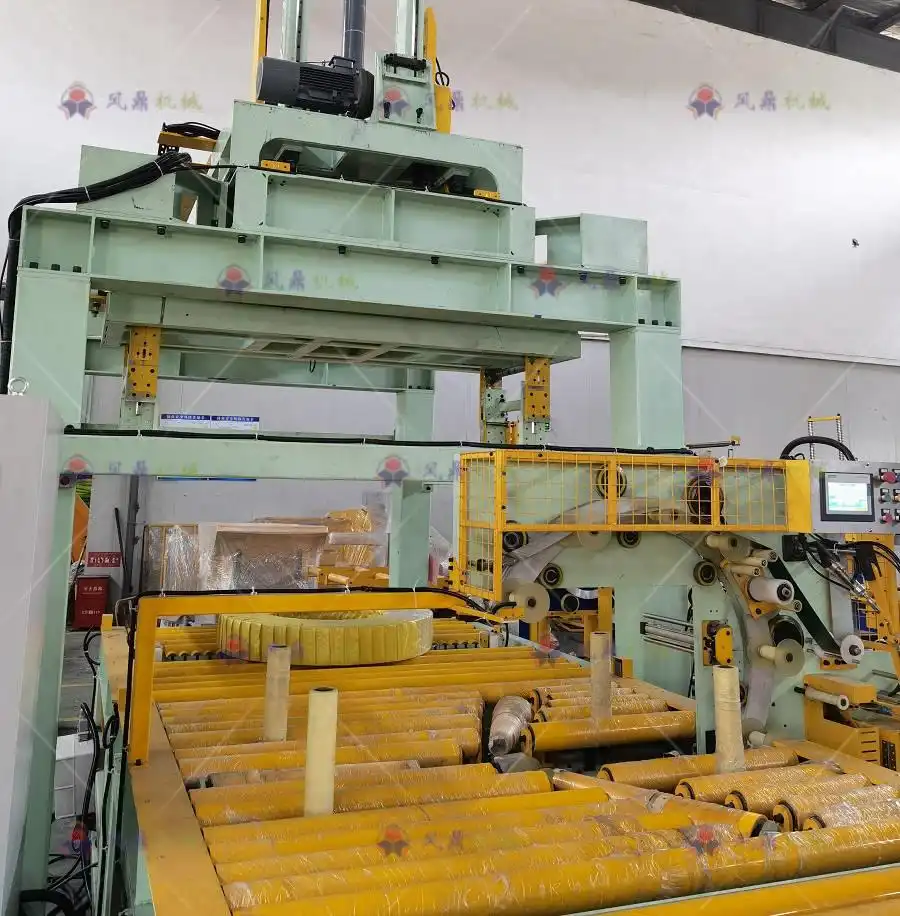
It is clear that the old ways are no longer enough. The challenges of manual processes are real, from slow output to safety risks and damaged goods. But what if there was a way to turn these challenges into strong advantages? Let’s look closer at how bringing in new packing technology can truly change your business for the better.
How Can Coil Packing Automation Drive Your Factory’s Efficiency and Throughput?
Do you constantly struggle with getting your products out the door fast enough? For many factories, manual coil and wire packing is a major choke point. This old method ties up a lot of people, moves slowly, and makes it hard to hit your delivery goals. It is a big roadblock that stops your whole factory from reaching its full potential.
Automating your coil packing lines directly solves end-of-line bottlenecks by greatly increasing speed and consistency. It allows your factory to process more products in less time, directly impacting your overall production capacity and ability to meet demanding schedules.
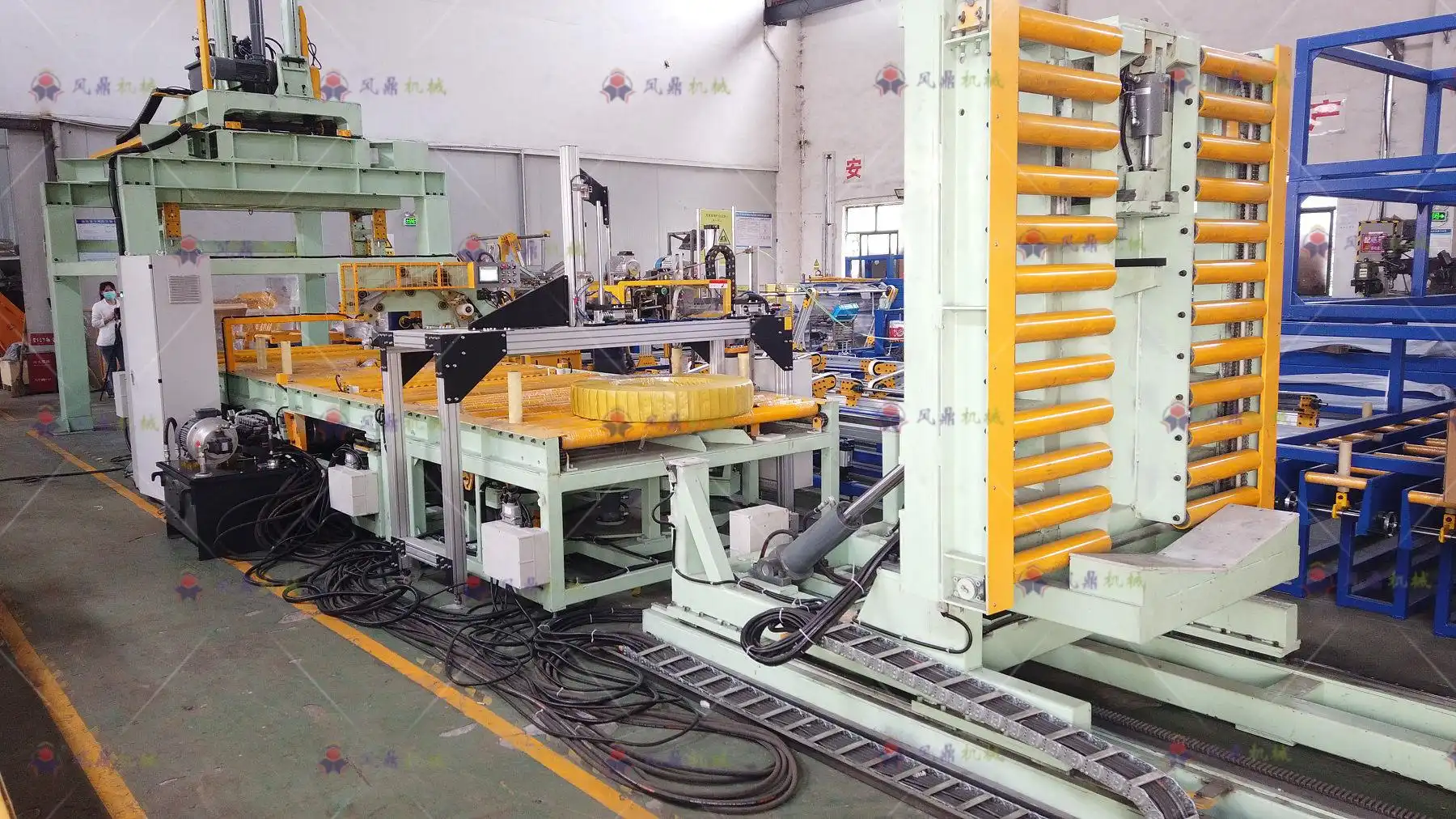
When I first started FHOPEPACK, I saw firsthand how much time and money were lost because of slow packing. I remember one client, a steel mill in northern India, was shipping thousands of tons of steel coil every month. Their packing area looked like a beehive, with dozens of workers struggling to wrap and strap coils by hand. They often worked overtime just to keep up, but still, delays were common. This process meant their expensive production lines stood idle at times, waiting for the packing area to clear. It was a massive waste. An automated system, on the other hand, works at a steady pace, hour after hour, without tiring. It can handle many more coils per shift than a manual team ever could. This higher speed means you can move more product through your factory, which then helps you fulfill more orders and make more sales. For example, a semi-automatic line might pack 30-40 coils per hour, while a fully automatic line can easily exceed 60 coils per hour, sometimes even reaching 100 or more, depending on the coil size and wrapping requirements. Think about what that kind of increase means for your overall plant output.
The True Cost of Manual Efficiency Limits
Many people only look at the cost of labor when thinking about efficiency. But the true cost of manual packing goes much deeper than just wages.
- Lost Production Opportunity: If your packing line is slow, your high-value machines upstream might have to slow down or even stop. This means you are not making the most of your capital investment. Every minute a machine sits idle, you are losing money.
- Overtime and Labor Costs: To keep up with demand, factories with manual packing often need to pay a lot of overtime. This adds up very quickly. Plus, with a lot of heavy, repetitive work, staff turnover can be high, which means more money spent on hiring and training new people.
- Inconsistent Quality: Human operators can get tired or make mistakes. This can lead to uneven wraps, loose straps, or missed steps in the packing process. Poor packing quality can lead to product damage later, or even customer complaints. Automated systems, once programmed, perform the same task perfectly every time.
- Floor Space Utilization: Manual packing often requires a large footprint for materials, staging areas, and many workers. Automated systems are often more compact and can do more work in a smaller space. This frees up valuable factory floor space for other uses or for future expansion.
The return on investment for efficiency gains is not just about saving money on labor. It is about making more money by producing and shipping more. When you remove packing as a bottleneck, your whole operation becomes smoother, faster, and more responsive to market demands. This creates a ripple effect of profitability throughout your entire organization.
Does Upgrading to Automated Lines Really Improve Worker Safety and Reduce Liability?
Are your employees facing dangerous conditions every day, trying to move heavy coils by hand? Many factories still rely on manual handling for large, heavy items like steel coils or wire bundles. This way of working is not just slow; it comes with very high risks of injury. When workers get hurt, it means higher insurance costs, more time lost from work, and a sad drop in team morale.
Automated coil packing solutions significantly reduce the need for manual handling of heavy items. This directly improves worker safety by moving employees away from dangerous tasks. It cuts down on workplace accidents and related costs.
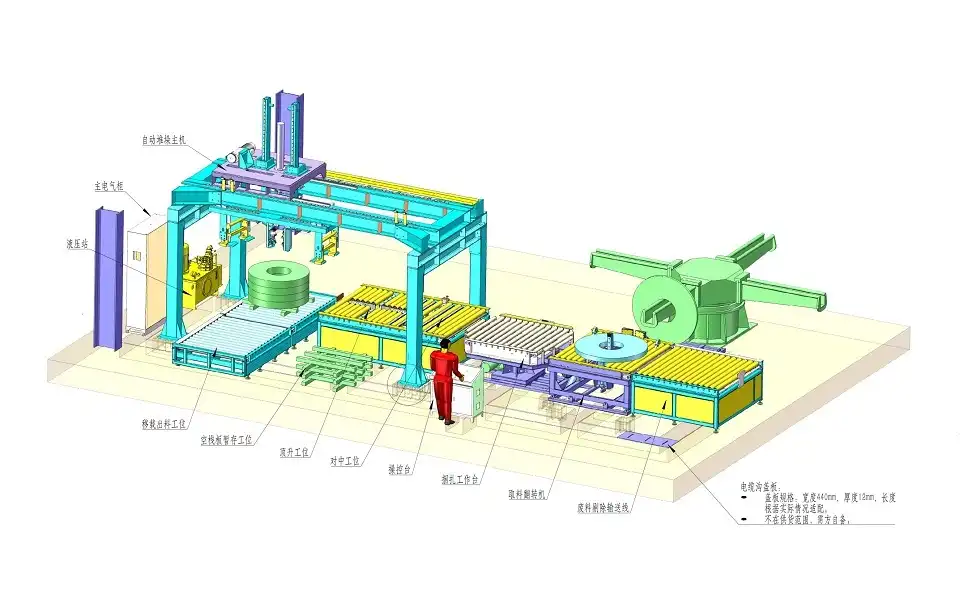
When I was building my own factory, safety was always my top priority. I have seen too many times how a moment of carelessness or fatigue can lead to a serious injury when dealing with heavy machinery or massive coils. Michael, I know you face similar pressures in Mexico, ensuring your team is safe while handling heavy metal products. One of my early factory visits in India showed me a worker trying to manually flip a large coil using a crowbar. It was incredibly dangerous. He easily could have been crushed if the coil had shifted unexpectedly. Such incidents lead to not only human suffering but also huge financial burdens on the company, including medical costs, worker compensation claims, and potential fines. An automated system takes the human element out of these dangerous lifting and positioning tasks. Machines handle the heavy loads, the precise movements, and the repetitive actions, keeping your team safe and sound.
The Tangible and Intangible Benefits of Enhanced Safety
The financial impact of workplace injuries is often underestimated. It goes far beyond just immediate medical bills.
- Reduced Insurance Premiums: A factory with a low accident rate often qualifies for lower insurance premiums. This is a direct saving that improves your bottom line. Insurers look at your safety record very closely.
- Lower Worker Compensation Costs: Fewer injuries mean fewer claims. This reduces direct payouts and administrative costs associated with processing claims. It protects your cash flow.
- Decreased Absenteeism and Turnover: When your workplace is safer, employees feel more valued and secure. This leads to less time off work due to injuries and a lower rate of employees leaving the company. Retaining experienced staff saves you money on recruitment and training. It also helps you keep your skilled workforce.
- Improved Morale and Productivity: A safe working environment makes employees happier and more productive. When workers do not have to worry about getting hurt, they can focus better on their jobs. This creates a positive work culture and can even boost overall output. It is harder to measure, but a happy team works better.
- Compliance and Reputation: Governments and industry bodies have strict safety rules. By upgrading to safer equipment, you ensure you meet these rules, avoiding fines and legal issues. A strong safety record also builds a good reputation for your company, both with your employees and your customers. This can attract better talent and more business.
Investing in automation for safety is not just a cost; it is an investment in your people and your company’s long-term health. It shows you care, which pays off in many ways beyond just money.
What Impact Does Modern Packing Have on Reducing Product Damage and Boosting Profitability?
Are you tired of losing money because your valuable products get damaged during internal transfer or packing? I hear this complaint a lot. Things like steel coil edges getting bent, or surfaces getting scratched, are common issues with old packing methods. This damage does not just lead to customer complaints; it directly eats into your profits and can even harm your company’s reputation.
Modern, automated packing systems are designed to handle products with precision and care. They reduce the risk of damage significantly. This means fewer scrapped products, fewer customer returns, and ultimately, higher profitability for your factory.
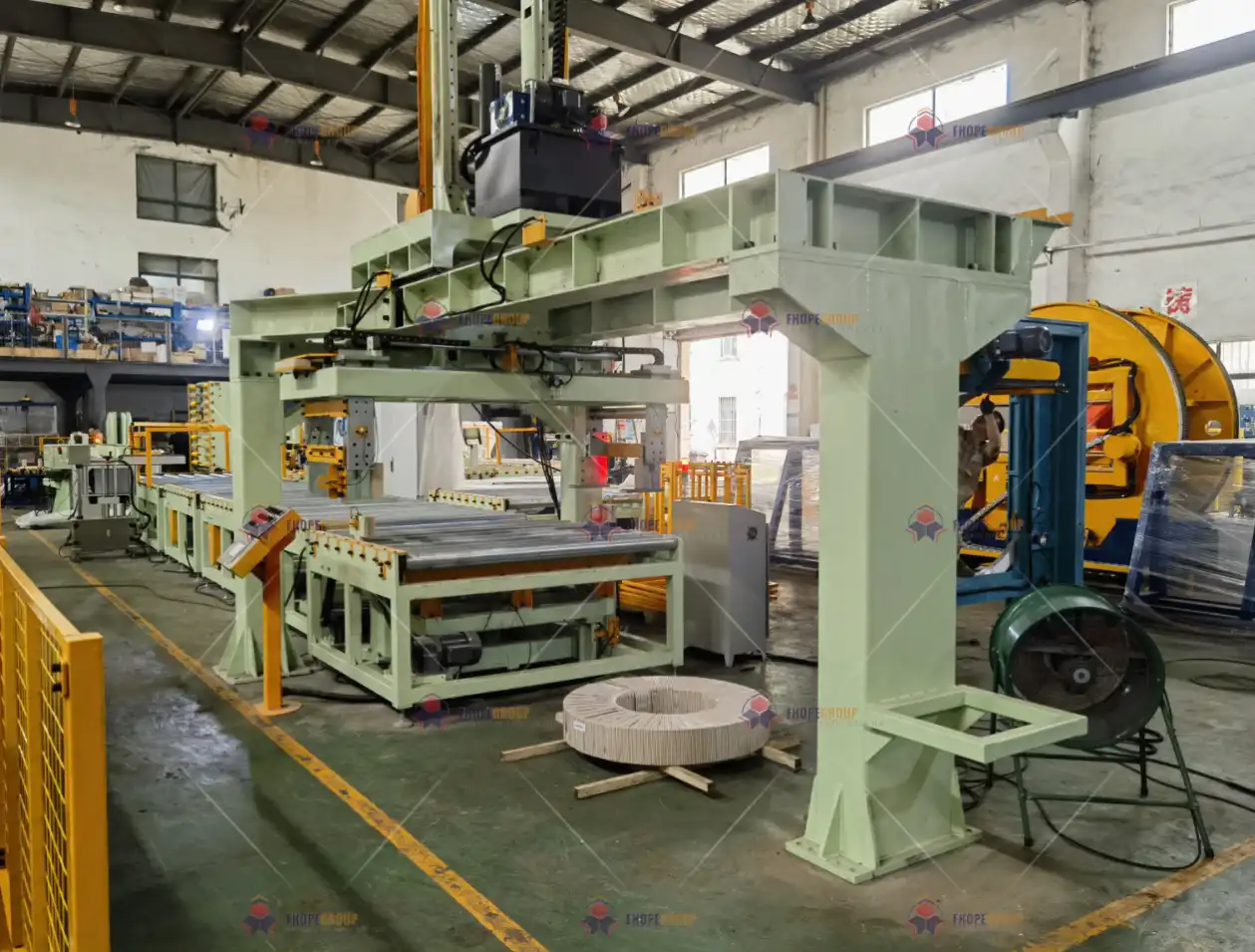
When I worked as an engineer in a packing machine factory, I often saw how much effort went into making a perfect coil, only for it to be damaged in the last step. It was frustrating. I remember a customer from Mumbai who produced high-quality specialty steel. They were getting complaints from their overseas clients about minor edge damage on coils. This was happening during the manual strapping and moving process. Each damaged coil meant a dispute, a potential discount, or even a full return, which was incredibly costly for them. Manual handling, rough surfaces, or even just human error during wrapping can easily lead to scrapes, dents, or deformations. Think about a crane operator trying to precisely place a coil onto a pallet, or workers manually pulling tight straps around it. There is always a risk. Automated systems use specialized grippers, conveyors, and wrapping mechanisms that cradle the product, ensuring gentle movement and consistent, protective wrapping. This precision minimizes contact points where damage could occur and applies materials evenly for maximum protection.
The Financial Gains of Damage Prevention
The cost of product damage is often much higher than it seems on the surface.
- Reduced Scrap and Rework: Fewer damaged products mean less material waste and less need for costly re-processing or re-packing. You save on raw materials, energy, and labor that would otherwise be used to fix or replace damaged goods.
- Fewer Customer Complaints and Returns: When customers receive products in perfect condition, they are happier. This means fewer complaints, fewer demands for discounts, and fewer expensive returns. Satisfied customers are also more likely to place repeat orders and recommend your business.
- Improved Brand Reputation: Delivering high-quality, undamaged products builds trust and strengthens your brand in the market. A reputation for quality can attract new customers and allow you to command better prices. This is a huge long-term asset.
- Lower Shipping Costs: Damaged goods often need special handling or re-shipping. By preventing damage, you reduce these extra logistical costs. A properly packed product is also more stable during transit, further reducing risks.
- Better Inventory Management: When you have less damaged product, your inventory records are more accurate. This leads to better planning, less dead stock, and more efficient use of your warehouse space.
By investing in modern packing, you are not just buying a machine. You are investing in product integrity, customer satisfaction, and a stronger financial position for your factory. It makes a real difference to your bottom line.
Is Partnering with the Right Expert the Key to Maximizing Your Coil Packing Investment?
Have you ever bought equipment from a supplier who just wanted to make a sale, then disappeared when you needed help? This experience can make you very careful about trusting new partners. For someone like Michael, who has seen it all in heavy manufacturing, finding a supplier who truly understands the production issues, safety worries, and efficiency problems is critical.
Choosing an experienced and knowledgeable partner, like someone with a strong background in packing machine engineering and factory operations, is vital for maximizing your ROI. They provide expert insights, reliable solutions, and long-term support, ensuring your investment truly solves your problems and drives business growth.
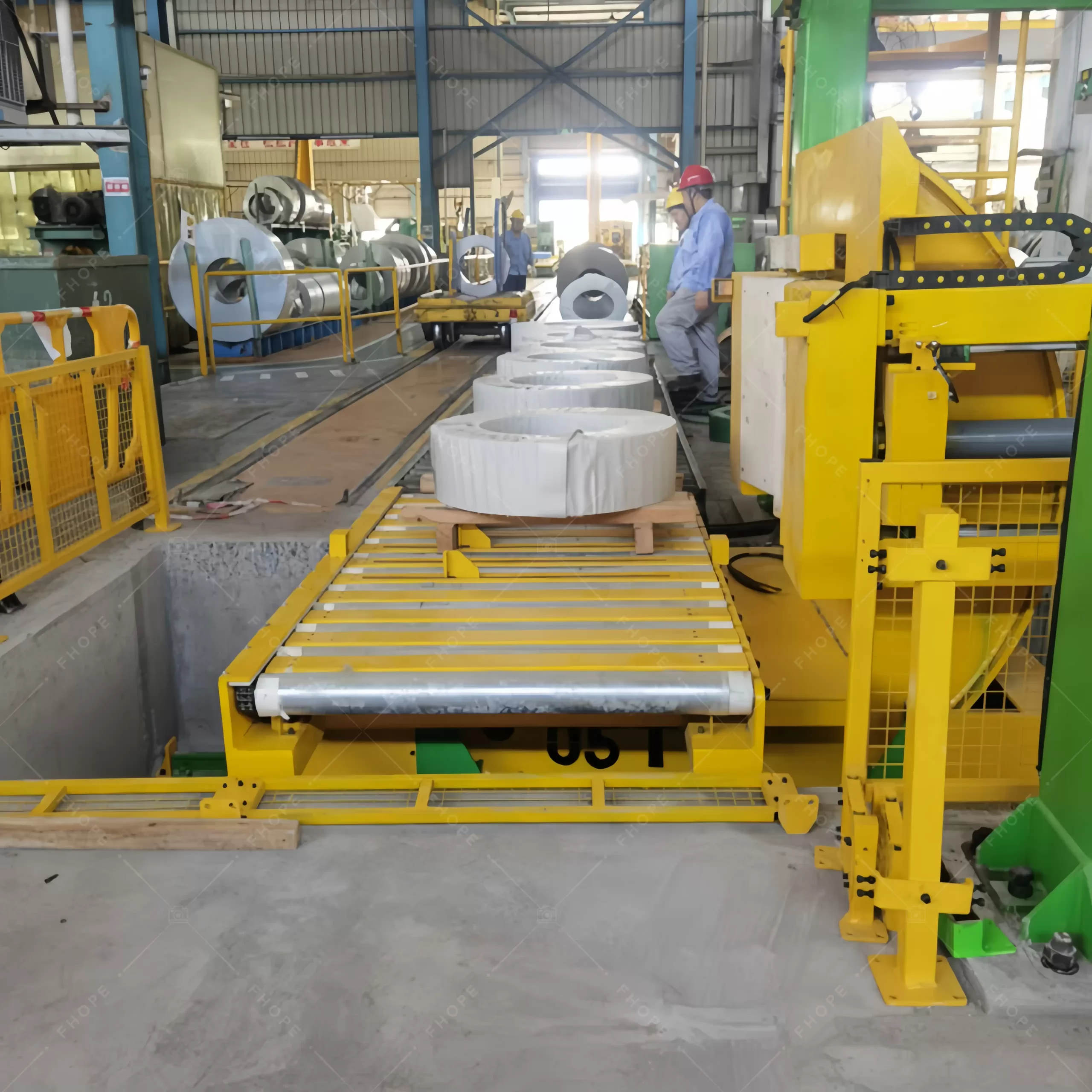
My journey started as an employee in a packing machine factory, then led me to build my own successful packing machine factory. This path gave me a unique view of the entire industry. I have been in the trenches, faced the same operational challenges, and understand what it takes to make a factory run smoothly and profitably. Michael, you mentioned you want a partner who truly understands your production bottlenecks and safety concerns. This is exactly what I built FHOPEPACK to do. I remember one client who was about to invest in a generic packing machine. It looked good on paper, but after talking with them, I realized it would not fully address their unique challenge of handling extremely heavy, off-center coils. We worked together to customize a solution that not only handled their current needs but also gave them flexibility for future product sizes. A supplier who only cares about selling a standard product might have sold them something that only partially solved their problem, leading to disappointment and wasted money. A real partner looks at your whole operation, asks tough questions, and then suggests a solution that fits your specific needs. This often means going beyond just selling a machine and offering real engineering insights.
The Value of Partnership in a High-Stakes Investment
When you are spending a lot of money on new factory equipment, the relationship with your supplier matters as much as the machine itself.
- Problem Identification and Customization: An expert partner will take the time to deeply understand your current challenges—your specific production bottlenecks, safety risks, and product damage points. They will not just offer a catalog solution. They will work with you to design or adapt equipment that perfectly fits your unique operational environment and product range. This tailored approach ensures the machine actually solves your problems, not just generic ones.
- Long-Term Reliability and Support: Equipment needs maintenance, and sometimes things go wrong. A trusted partner provides strong after-sales service, readily available spare parts, and responsive technical support. This minimizes downtime, keeping your operations running smoothly. Poor after-sales support can turn a good machine into a huge liability.
- Optimizing ROI Through Expertise: An expert can help you analyze the total cost of ownership and the expected return on investment. They can show you not just the immediate savings, but also the long-term benefits in terms of increased output, reduced waste, and enhanced safety. They can help you make a business case that clearly shows the financial gains of your investment.
- Future-Proofing Your Operations: The industry changes. A good partner stays updated on new technologies and best practices. They can advise you on scalable solutions that can grow with your business or adapt to new production demands. This helps you avoid having to replace equipment prematurely.
- Training and Empowerment: Beyond just installing the machine, a true partner invests in training your team. They ensure your operators and maintenance staff fully understand how to use and care for the new equipment. This empowers your team, reduces operational errors, and ensures you get the most out of your new investment every single day.
A strong partnership turns a simple purchase into a strategic investment, laying the groundwork for long-term growth and success in your factory.
My Insights: The Path to Lasting Success?
I started FHOPEPACK because I believe in sharing knowledge that empowers businesses. My own journey, from an engineer to factory owner, taught me that success in this industry comes from a deep understanding of the challenges and a dedication to finding real solutions. For factories in India, or anywhere heavy manufacturing is central, the decision to upgrade coil packing lines is more than just buying new machines. It is about a strategic shift towards a more efficient, safer, and profitable future.
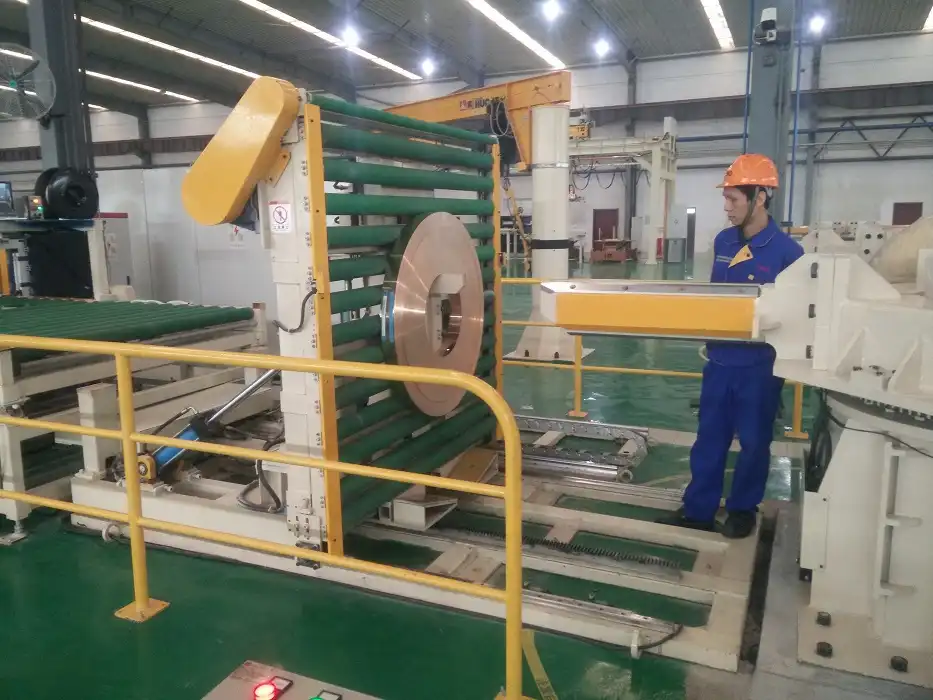
I have seen countless factories struggle with the very problems Michael faces: slow manual processes, constant safety worries, and frustrating product damage. These are not small issues; they are core problems that eat away at a factory’s ability to compete and grow. Many people just focus on the upfront cost of a new machine. But from my experience, the real cost is sticking with outdated methods. The daily drain of inefficiency, the hidden expense of accidents, and the silent loss from damaged goods add up fast. For example, in a facility producing high-value electrical steel coils, a single damaged coil due to rough handling could mean losing hundreds or thousands of dollars. Multiply that by dozens of coils per month, and the losses are staggering. I often tell my clients that investing in automation is like building a stronger foundation for their house. It allows them to build higher and with more confidence. It is not just about replacing human hands with robots. It is about creating a system where human skill is applied to higher-value tasks, while machines handle the repetitive, heavy, and dangerous work. This frees up your team to innovate, to maintain, and to oversee, rather than just endlessly lift and wrap.
The Long-Term Vision for Coil Packing
The ROI from upgrading your coil packing lines is not a one-time gain. It is a continuous benefit that transforms your business model.
- Scalability for Growth: Automated lines can handle increased production volumes much more easily than manual setups. As your business grows and demand increases, your packing line will not become a bottleneck again. This allows you to take on more orders without fear of delays.
- Competitive Advantage: Factories that adopt modern technology gain an edge. They can offer faster delivery times, more consistent product quality, and potentially lower prices due to reduced operational costs. This makes you more attractive to customers in a competitive market like India, where many factories are competing for similar business.
- Data-Driven Decisions: Many modern packing machines come with sensors and software that collect valuable data on performance, material usage, and uptime. This data provides insights that you can use to further optimize your operations, predict maintenance needs, and make smarter business decisions. It moves you from guesswork to informed action.
- Sustainable Operations: Reducing material waste from damaged products, optimizing energy use with efficient machines, and improving worker safety all contribute to a more sustainable operation. This is becoming increasingly important for companies looking to meet environmental, social, and governance (ESG) standards, which can also attract more ethical investors and customers.
- Attracting and Retaining Talent: In today’s world, skilled workers want to work in modern, safe environments. A factory that invests in automation shows it cares about its employees and offers opportunities for them to learn new skills. This helps you attract the best talent and keep them, reducing your long-term labor costs and boosting your overall workforce quality.
The decision to upgrade is a clear step towards a more profitable, safer, and future-ready factory. It is an investment in the core strength of your business.
Conclusion
Upgrading coil packing lines offers strong ROI through higher efficiency, better safety, and less product damage. It transforms factories, making them more competitive and profitable.








