
How Can Indian Technicians Troubleshoot Common Slit Coil Packaging Issues?
Have you ever watched your coil packaging line, feeling that knot in your stomach? You know, the one that tells you something is not quite right. Maybe coils are not wrapped tightly enough, or your machine keeps stopping without warning. These issues can slow down your entire operation. They can cause financial losses. They also create a lot of frustration for your team. This is a common story I hear from factory managers and engineers around the world. These problems can seem like small hiccups. But they add up. They impact your production targets. They hurt your bottom line.
Solving these common slit coil packaging problems needs a clear approach. Technicians must understand the machine’s behavior. They must know how to spot the early signs of trouble. Then they can apply the right fixes. This means looking at everything from machine settings to the quality of your raw materials. It also means paying close attention to how your team uses the equipment. By breaking down each issue, you can find the root cause. This helps you implement solutions that last.
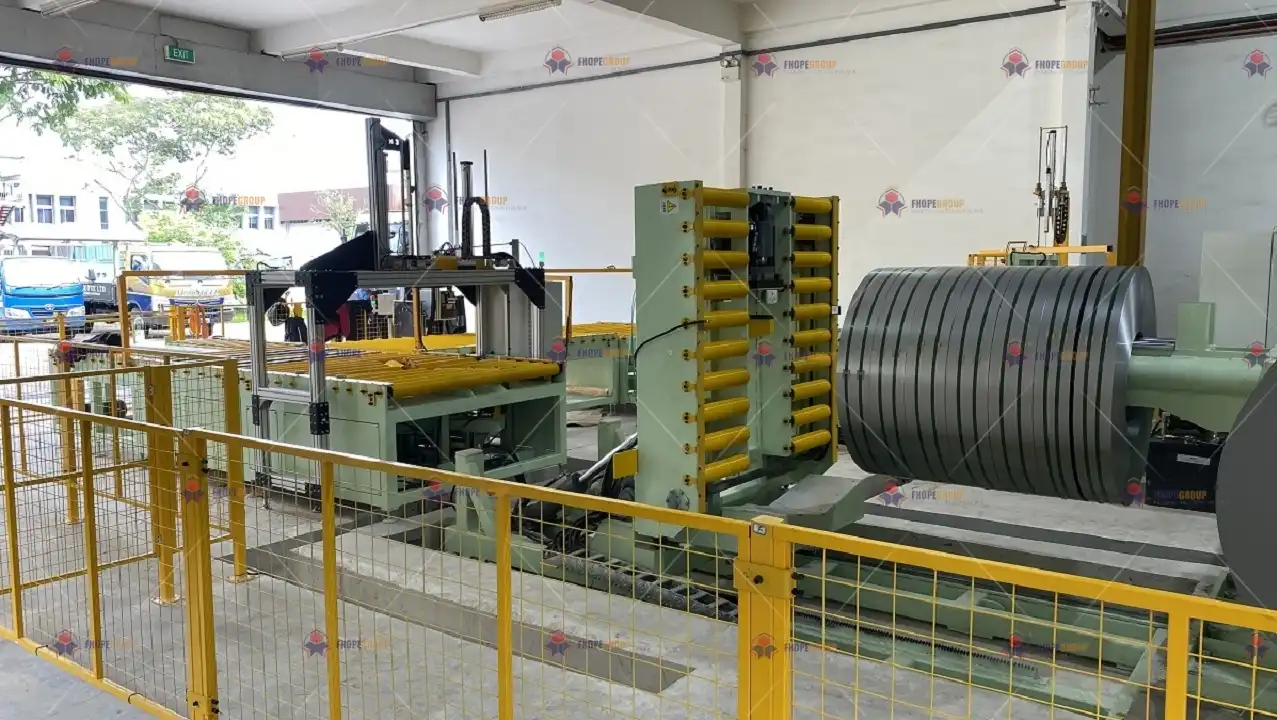
I have spent many years in the packing machine industry. I started on the factory floor and then built my own successful business. I have seen countless challenges. I have learned what works and what does not. This experience taught me that real solutions come from deep understanding. They come from practical troubleshooting. I want to share my knowledge with you. We will go through specific problems that Indian technicians, and indeed any technicians, face. We will explore how to fix them effectively. Let us dive in and improve your packaging operations together.
Why Is Your Slit Coil Package Not Tight Enough?
Is there anything more frustrating than seeing a freshly wrapped coil that looks loose? It is like all your efforts were wasted. Loose coil packages are not just an aesthetic problem. They are a serious issue. They lead to damaged products during transit. They result in customer complaints. They can even make your coils unsafe to handle. This problem reduces your product quality. It impacts your reputation. It directly affects your profit margin.
When a slit coil package is not tight enough, the main reasons are usually related to the wrapping machine’s tension system or the quality of the wrapping material itself. Sometimes, the way the coil sits on the machine also plays a big part. Understanding these core areas helps you quickly pinpoint the problem. It allows you to apply the correct adjustment or repair. This ensures your coils leave the factory secure and protected.
Dive deeper into understanding loose coil packages:
Many factors contribute to a loose coil package. It is rarely just one thing. When I started my first packing machine factory, I saw this issue often. We learned to look at the entire process. The first step is to check your machine’s tension control system. This system applies force to the wrapping material as it goes around the coil. If the tension is too low, the wrap will be loose. Your machine might use a mechanical brake, an electromagnetic clutch, or a motor-driven tension system. Each type needs regular checks. For mechanical brakes, look for worn brake pads or springs. These parts can lose their effectiveness over time. If they are worn, they cannot apply enough force. For electromagnetic clutches, check the electrical current going to the clutch. If it is too low, the clutch will slip. This means less tension. For motor-driven systems, verify the motor’s speed and torque settings. These settings often need fine-tuning. A simple adjustment can sometimes fix the problem immediately.
Next, consider the wrapping material itself. The quality of your film or strap matters a lot. If the material is too thin, it might stretch out too much. This makes it hard to maintain tension. If it is a low-quality material, it might have inconsistent thickness or weak spots. These inconsistencies lead to uneven tension. They can also cause breaks during wrapping. I always tell my clients to invest in good quality wrapping material. It saves money in the long run by reducing re-wraps and damage claims. Always check the material specifications. Make sure they match your machine’s requirements.
The way the coil is loaded onto the machine is also important. If the coil is not stable, it can wobble during wrapping. This movement prevents the wrapping material from being applied evenly. It creates loose spots. Ensure your coil supports or V-blocks are secure. Make sure the coil is centered. Any play or movement in the coil during wrapping will affect tightness. Finally, look at the wrapping pattern. Is your machine applying enough overlap? Sometimes, increasing the overlap can add more layers of material. This provides a tighter, more secure package. A simple change in wrapping pattern settings might be all you need. Always document your changes. This helps you track what works best.
| Problem Symptom | Possible Cause | Troubleshooting Steps |
|---|---|---|
| Package feels loose | Low tension setting on machine | Increase tension setting gradually. |
| Unevenly loose wrap | Worn brake pads/clutch on tension unit | Inspect and replace worn components. Test electrical current to clutch. |
| Material stretches | Poor quality wrapping film/strap | Switch to higher quality, stronger material. Check material specifications. |
| Coil wobbles during wrap | Coil not securely seated on machine | Check coil supports, ensure proper centering. Tighten any locking mechanisms. |
| Gaps in wrap | Insufficient overlap in wrapping pattern | Adjust machine settings to increase film/strap overlap. |
| Frequent material breaks | Too much tension or faulty material | Reduce tension slightly. Check material for defects or inconsistencies. |
| Machine slipping | Contamination on tension rollers/belts | Clean rollers or belts thoroughly. Ensure they are dry and free of oil or dust. |
How Do You Fix Frequent Machine Stops During Coil Wrapping?
Imagine your production line running smoothly. Then, suddenly, your wrapping machine stops. This is not just an inconvenience. It is a major disruption. Frequent machine stops cripple your productivity. They lead to delayed shipments. They cause frustration for your operators. They can even damage the coils in mid-wrap. Each stop means lost time. It means lost money. You need your machines to run consistently. They must perform without constant interruptions.
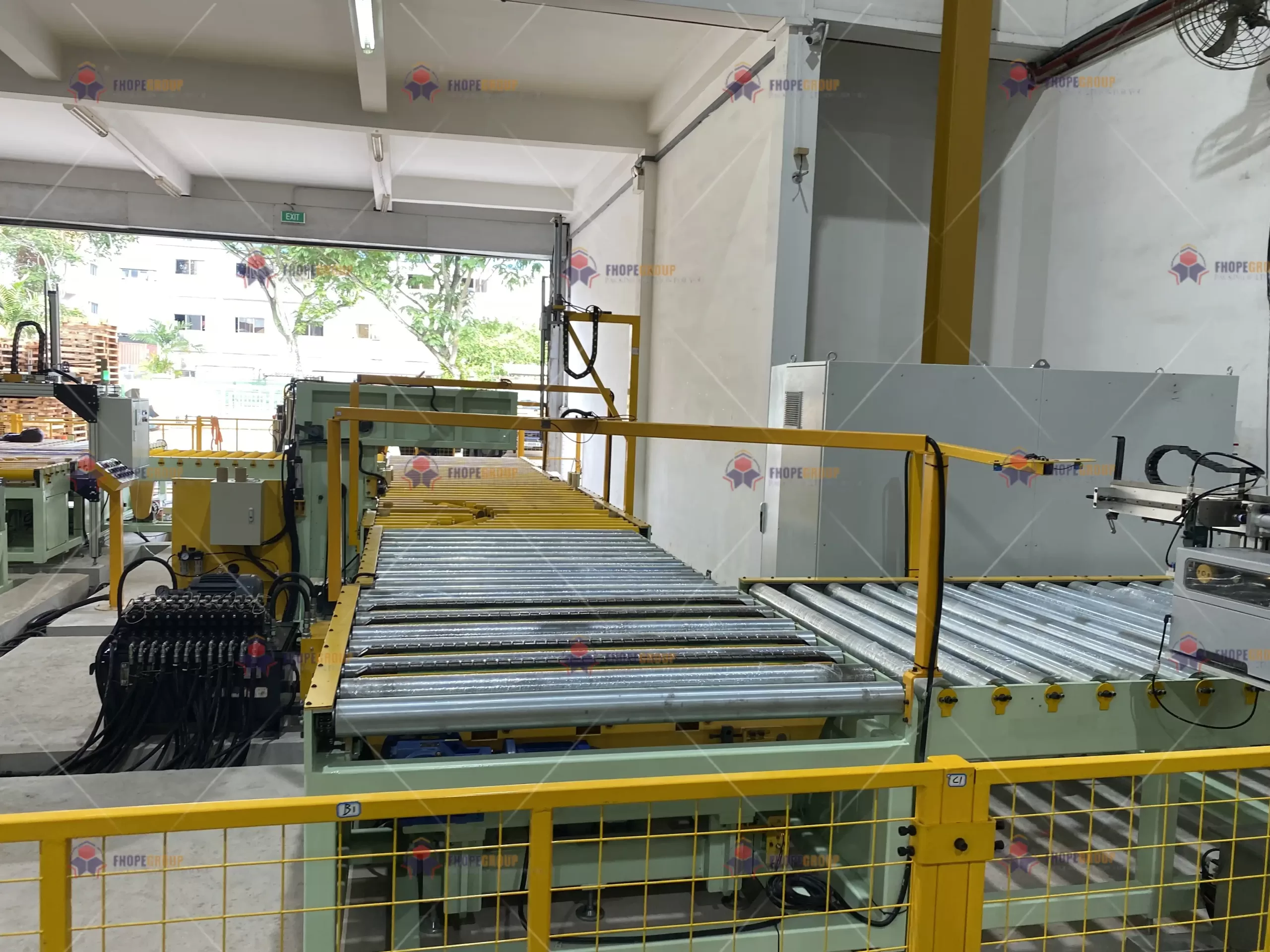
Frequent machine stops during coil wrapping usually point to issues with sensors, electrical stability, or mechanical obstructions. Sometimes, improper operation or maintenance also plays a role. By systematically checking these areas, you can identify the root cause of the shutdowns. This allows you to apply a precise fix. This helps restore your machine’s reliable operation.
Dive deeper into frequent machine stops:
My experience running a factory taught me that machine reliability is key. When a machine stops frequently, it often signals underlying issues that need immediate attention. The first place I always look is the sensors. Modern packing machines rely heavily on sensors. They detect coil position, film breaks, safety gate closures, and more. A dirty sensor, a misaligned sensor, or a faulty sensor can trigger an emergency stop. For example, a proximity sensor that detects the coil might be covered in dust. This prevents it from seeing the coil correctly. So, the machine thinks no coil is present and stops. Regularly clean all sensors. Check their connections. Make sure they are aligned properly. Sometimes, simply wiping a sensor clean can solve the problem. If a sensor is consistently faulty, it needs replacement.
Electrical problems are another major culprit. Voltage fluctuations, loose wiring, or overloaded motors can all cause your machine to stop. Your machine’s control panel has fuses and circuit breakers. Check if any have tripped. A motor might be overheating. This could be due to a mechanical jam or simply working too hard. If a motor is too hot, its overload protection will trip. This shuts down the machine to prevent damage. Use a multimeter to check voltage stability. Make sure all electrical connections are tight. If you suspect a motor issue, check its current draw. Compare it to the machine’s specifications. If it is drawing too much current, investigate the mechanical load on the motor.
Mechanical jams are also common. Sometimes, the wrapping material gets tangled. This can happen if the material roll is not mounted correctly. It can also happen if there is debris in the material path. Foreign objects, like small pieces of metal or dust, can get stuck in rollers or guides. These obstructions can cause resistance. They can even damage the machine. Always inspect the entire path of the wrapping material. Look for anything that might impede its movement. Clear any debris. Ensure all moving parts are lubricated. Make sure they are free to move. Finally, do not overlook operator training. Sometimes, stops happen because the machine is not being operated correctly. Loading coils improperly or not following start-up procedures can trigger safety mechanisms. Regular training and clear operating instructions are vital for consistent performance.
| Problem Symptom | Possible Cause | Troubleshooting Steps |
|---|---|---|
| Stops randomly | Dirty or misaligned proximity/limit sensors | Clean all sensors. Realign them. Check sensor wiring for damage. |
| Stops under load | Motor overload or electrical issue | Check motor current draw. Inspect fuses/circuit breakers. Test voltage stability. |
| Stops after start | Safety interlock engaged | Check all safety gates and emergency stop buttons. Ensure they are fully reset. |
| Stops with material jam | Tangled film/strap or debris in material path | Clear any material jams. Inspect rollers and guides for foreign objects. Clean regularly. |
| Machine sounds strained | Worn bearings or misaligned mechanical parts | Inspect and lubricate bearings. Check alignment of shafts and rollers. Replace worn parts. |
| Control panel errors | Software glitch or faulty control board | Restart machine. Check error codes in manual. Consult machine supplier for software update. |
| Overheating components | Insufficient cooling or excessive friction | Check cooling fans. Lubricate moving parts. Reduce friction points if possible. |
What Causes Damage to Coils During the Packaging Process?
Hearing about damaged coils is one of the toughest parts of my job. When coils are damaged during packaging, it is not just a small problem. It means financial losses. It means unhappy customers. It damages your company’s reputation. Whether it is scratched surfaces, dented edges, or misshapen coils, these issues are completely avoidable. They impact your product quality. They reduce your profit margins. You need your coils to arrive at the customer’s site in perfect condition.
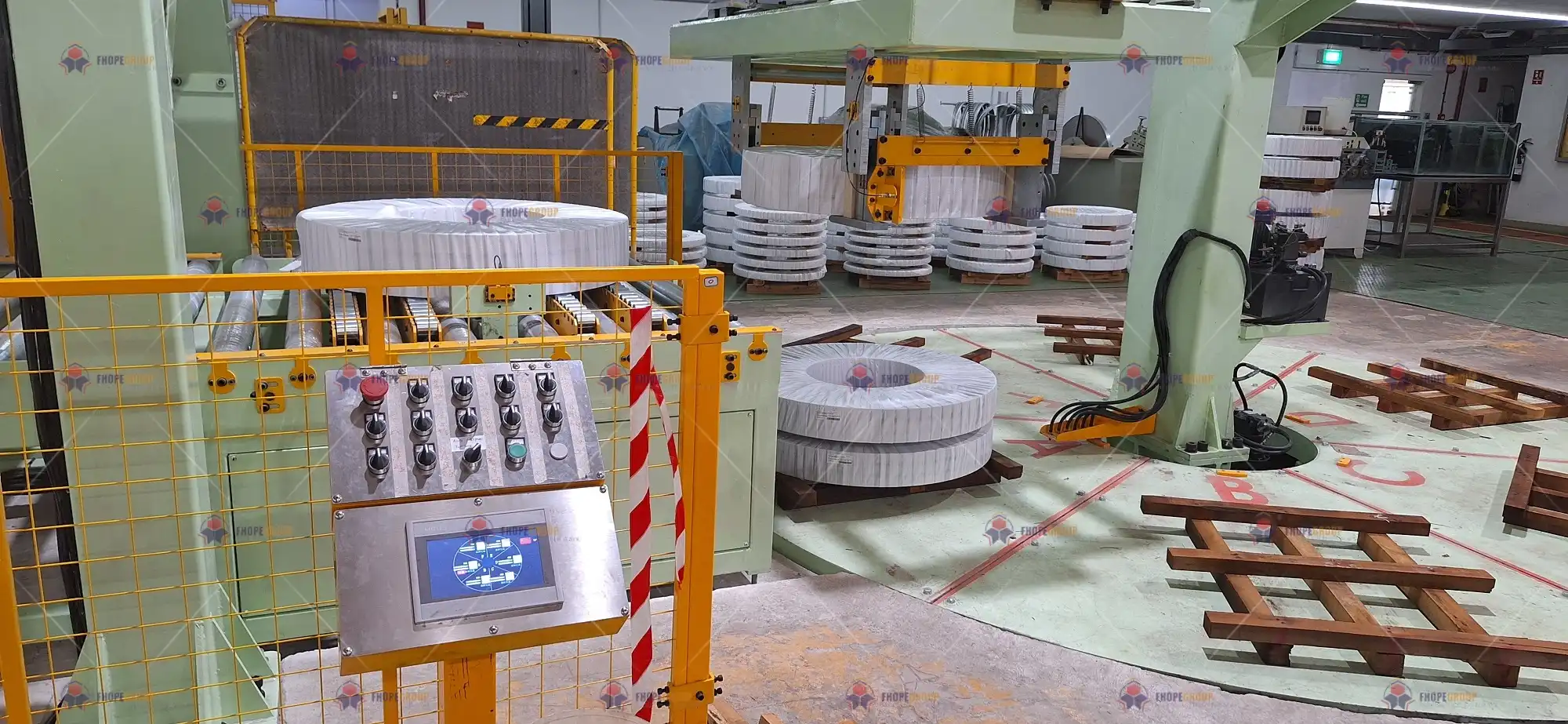
Coil damage during packaging mostly happens because of improper handling, rough contact surfaces on the machine, or incorrect machine settings. Sometimes, even the internal transport before packaging can be a factor. By carefully inspecting your handling procedures and machine’s contact points, you can significantly reduce or eliminate damage. This ensures your products are always delivered in top condition.
Dive deeper into preventing coil damage:
Ensuring product integrity was a huge focus when I was growing my packing machine business. Damaged goods are simply unacceptable. The first area to investigate for coil damage is how the coils are handled before and during packaging. If coils are moved using cranes, forklifts, or conveyors, examine the contact points. Are the crane hooks or forklift tines smooth and padded? Sharp edges can easily dent or scratch a coil. Are your conveyors clean and free of abrasive particles? Even small pieces of debris on a conveyor can scratch a coil as it moves. Invest in proper handling equipment. Use protective materials like rubber pads or plastic sleeves where coils make contact with metal surfaces. This simple step can prevent a lot of surface damage.
Next, look at the packaging machine itself. Every part of the machine that touches the coil is a potential source of damage. Check all rollers, guides, and pressing devices. Are they clean? Are they smooth? Are they free of burrs or sharp edges? Over time, these parts can wear down. They can develop rough spots. These rough spots can mark or scratch the coil surface. If your machine uses a pressing arm to hold the coil in place, ensure the pressure is set correctly. Too much pressure can deform the coil. Too little pressure can allow the coil to wobble, leading to uneven wraps and potential damage. Regularly inspect these contact points. If you find any rough spots, smooth them out or replace the part.
The application of the wrapping material itself can also cause damage. If the tension is too high, especially with narrow straps or films, it can create excessive pressure on the coil edges. This leads to edge deformation or damage. I have seen this many times. The goal is to apply enough tension for a secure wrap, but not so much that it deforms the coil. Adjust the tension gradually. Find the sweet spot. Also, ensure the wrapping material is applied smoothly. Any wrinkles or creases in the wrap can create uneven pressure points. This can lead to localized damage. Finally, consider the environment. Dust, dirt, and metal shavings in the factory air can settle on coils. When coils are wrapped, these particles can get trapped. They can cause abrasions. Keep your packaging area clean. This reduces the risk of particles causing surface damage.
| Problem Symptom | Possible Cause | Troubleshooting Steps |
|---|---|---|
| Dented coil edges | Rough or unpadded handling equipment | Pad forklift tines/crane hooks. Inspect transport paths for sharp edges. |
| Scratched coil surfaces | Debris on conveyors/machine rollers | Regularly clean all contact surfaces. Ensure rollers are smooth and free of burrs. |
| Deformed coil shape | Excessive pressure from machine clamping/press | Reduce clamping/pressing force. Check pressure settings. |
| Marks on coil surface | Worn or damaged machine guides/contact points | Inspect all parts touching the coil. Replace or smooth out rough surfaces. |
| Edge damage from wrap | Too much tension in wrapping material | Gradually reduce tension settings. Ensure material width is suitable for coil size. |
| Uneven coil winding | Coil instability during wrapping process | Secure coil firmly on machine. Check for wobble or movement during operation. |
| Visible dust/particles | Dirty environment during wrapping | Keep packaging area clean. Use air filtration if necessary. |
Conclusion
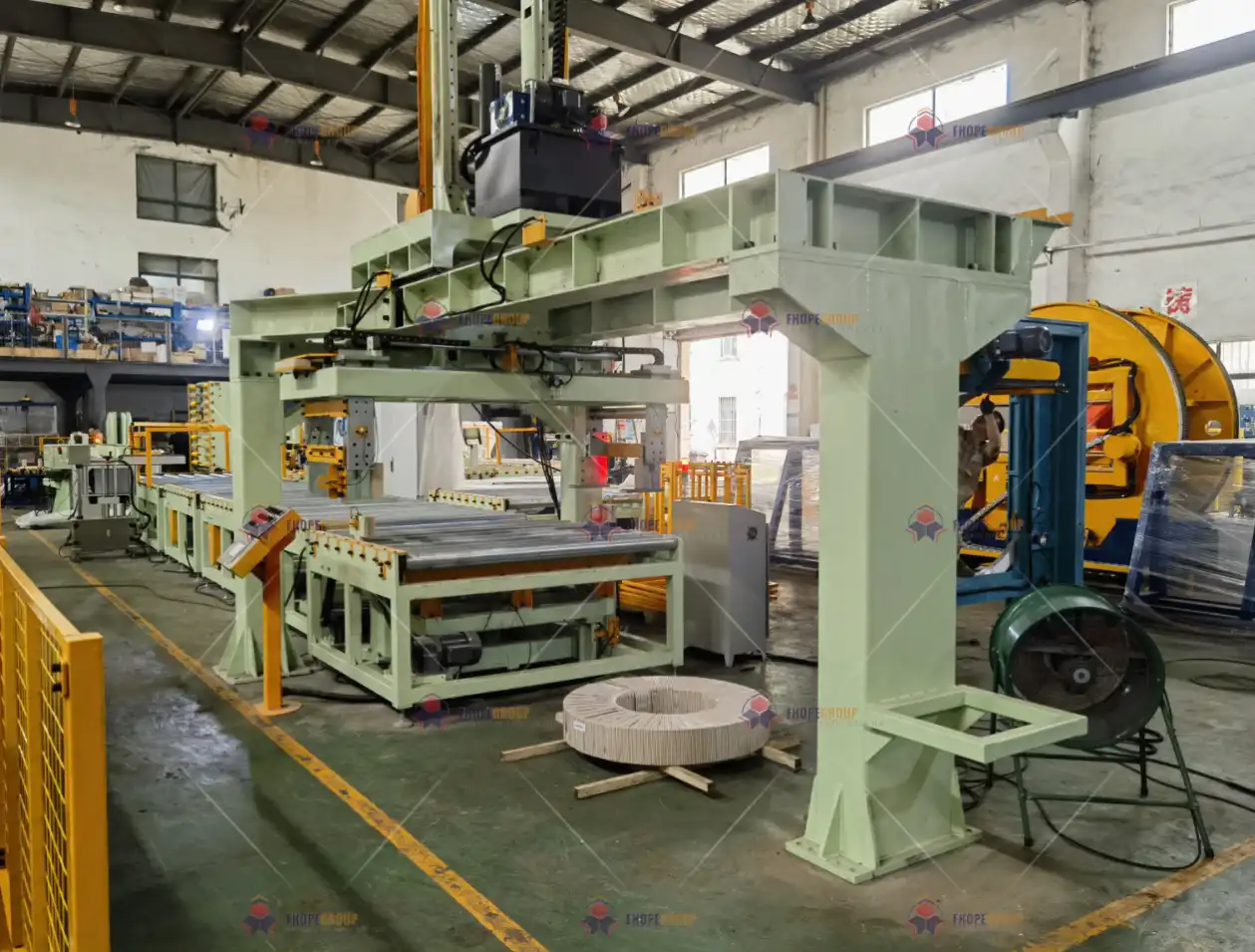
Smart troubleshooting helps Indian technicians solve slit coil packaging issues. By focusing on tension, machine stops, and preventing damage, you can boost efficiency and safety. Partnering with experts like me brings deep industry knowledge.
My Insights
For years, I saw the challenges in the packing machine world. I started as an employee, worked hard, and then built FHOPEPACK. This journey taught me one big truth: true success comes from sharing knowledge. It is not just about selling machines. It is about helping others grow. I remember clients like Michael, who faced real struggles with efficiency and safety. When I helped them implement the right packing solutions, their businesses transformed. They became financially stronger. They grew their market share.
This is why I share my expertise now. I believe that by making packing machine knowledge accessible, we can empower more businesses. We can help more technicians. My goal is to be more than a supplier. I want to be your partner. I want to understand your challenges. I want to provide insights that make a real difference. If you are struggling with packaging issues, know that there are solutions. My experience in coil packing and steel wire packing has given me unique insights. I want to pass that on. Together, we can make your operations more efficient, safer, and more profitable. Let us build a future where every factory masters its wrapping process.








