
What Are the Key Considerations for Steel Wire Strapping Machine Installation in Confined Spaces?
Installing a steel wire strapping machine in a confined space demands meticulous planning and execution. These areas present unique challenges, emphasizing safety and efficiency. Careful evaluation of space constraints and potential hazards is paramount for a successful installation.
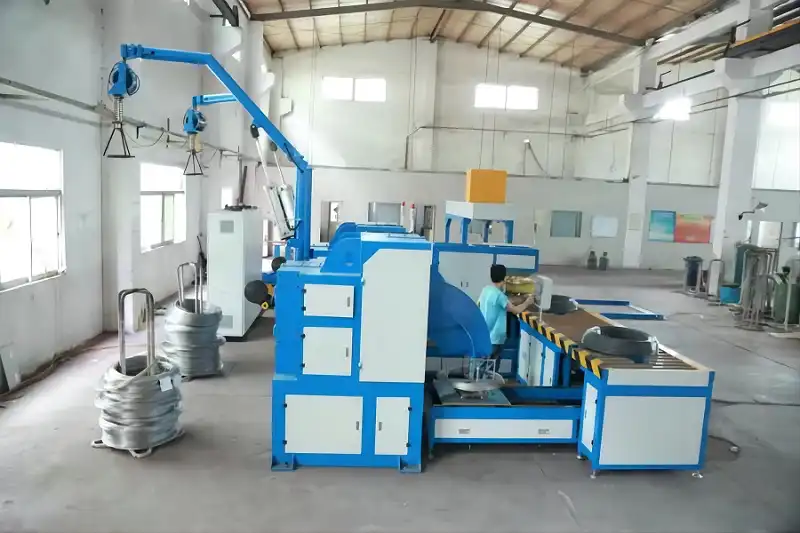
Installing a steel wire strapping machine in a confined space requires careful assessment of dimensions, ventilation, and safety protocols. Prioritize compact machine designs, ensure adequate air circulation to prevent fumes, and enforce stringent safety measures, including proper PPE and emergency procedures, to mitigate risks in these restricted environments. Proper setup of these machines is vital for the safety of workers operating them.
The complexities of confined spaces necessitate a comprehensive understanding of both the machinery and the environment. Let’s delve into the critical aspects that govern the successful and safe installation of steel wire strapping machines in these challenging environments.
1. Assessing and Preparing the Confined Space
Installation success begins long before the machine arrives. A thorough assessment ensures a safe and functional setup.
Prior to bringing in equipment, it’s crucial to evaluate the dimensions of the confined space, identifying entry points and potential obstructions. Comprehensive risk assessments, addressing ventilation, ignition sources, and emergency protocols, are also essential to ensure the safety of personnel during the installation process and future operation.
To ensure the successful installation of a steel wire strapping machine within a confined space, it’s essential to conduct a comprehensive assessment. This detailed evaluation will set the stage for a seamless and safe operation.
a. Spatial Evaluation and Accessibility
-
Detailed Measurement: Precisely measure the confined space’s length, width, and height. Factor in any structural elements or existing equipment that might impede movement or machine placement.
-
Entry and Exit Points: Identify and assess the accessibility of entry and exit points. Ensure they are wide enough to accommodate the machine components and allow easy access for personnel.
-
Obstruction Analysis: Conduct a thorough obstruction analysis. Note any pipes, ducts, or other fixtures that could pose challenges during installation or operation.
b. Hazard Identification and Mitigation
-
Atmospheric Testing: Prior to entry, conduct rigorous atmospheric testing to evaluate oxygen levels and identify the presence of hazardous gases. Implement ventilation solutions to maintain a safe and breathable environment.
-
Ignition Source Control: Identify and eliminate potential ignition sources, such as open flames or sparks. If welding or cutting is necessary, implement strict controls and spark arrestors.
-
Lockout/Tagout Procedures: Ensure robust lockout/tagout procedures are in place to prevent accidental activation of machinery or equipment during installation.
-
Emergency Protocols: Develop clear emergency response procedures, including evacuation routes and rescue plans. Equip personnel with the necessary communication devices for immediate assistance.
c. Ventilation and Air Quality
-
Natural Ventilation: Assess the potential for natural airflow. If inadequate, augment with mechanical ventilation systems.
-
Forced Air Ventilation: Utilize portable air blowers or exhaust fans to maintain a consistent exchange of fresh air, reducing the concentration of hazardous substances.
-
Air Quality Monitoring: Implement continuous air quality monitoring to detect and address any contaminants or fluctuations in oxygen levels.
By addressing these factors, you can thoroughly prepare the confined space for the successful installation of the steel wire strapping machine, ensuring the safety and well-being of your team.
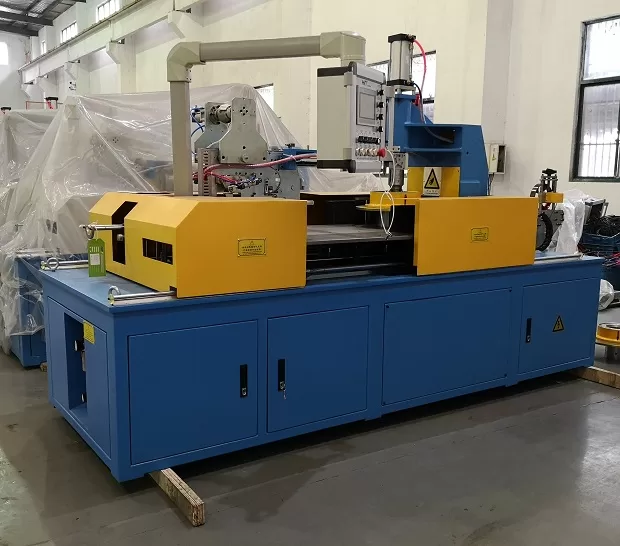
2. Selecting the Appropriate Steel Wire Strapping Machine
Choosing the right machine is crucial, especially when space is limited. Compact, versatile models offer advantages.
Choose a machine that fits the space and performs the required tasks efficiently. Opt for models with adjustable settings to accommodate various wire sizes and strapping tension needs. Ergonomic designs with intuitive controls minimize operator fatigue and improve productivity in tight confines.
Selecting the appropriate steel wire strapping machine for a confined space requires careful consideration of various factors to ensure efficient operation and enhanced safety. Here’s a deeper dive into the key considerations:
a. Size and Portability
-
Compact Design: Look for machines with a minimal footprint. Compact designs are easier to maneuver and position within confined areas.
-
Portability Features: Consider models with integrated handles or wheels for easier transport within the limited space. Modularity can also aid in assembly.
- Remote Functionality: Explore the ability to control the machine remotely through a simple UI to help reduce the number of workers inside the work environment at any given time.
b. Versatility and Adjustability
-
Adjustable Settings: Choose machines with adjustable tension and wire feed settings to accommodate different material types and strapping requirements.
-
Interchangeable Heads: Opt for models with interchangeable strapping heads to handle various wire gauges and strapping patterns.
-
Multi-Directional Strapping: Some machine designs can allow steel wiring in different directions, make sure to factor this in to your design.
c. Ergonomics and User-Friendliness
-
Intuitive Controls: Prioritize machines with user-friendly controls and clear instructions. Simplicity of operation reduces the risk of errors and improves efficiency.
-
Ergonomic Design: Select models with ergonomic handles and minimal vibration to reduce operator fatigue and strain, particularly during extended use.
-
Remote Controls: Choosing machines with remote operations can help control the amount of personnel near the machine at any given time.
Choosing the correct steel wire strapping machine will go a long way to guaranteeing a safe jobsite. Now its time to dive into specific setup guidelines.

Steel wire strapping machine setup 3. Implementing Safe Setup Guidelines
Clear guidelines are indispensable for a secure and productive installation in confined areas.
Implement a rigorous setup process including safety briefings, equipment checks, and adherence to confined space entry protocols. Properly secure and level the machine, ensure all safety guards are in place, and verify functionality before operation. Conduct thorough inspections during and after installation.
Implementing robust setup guidelines is paramount to ensuring a secure and productive installation process for a steel wire strapping machine within a confined space. Here’s a detailed breakdown of the critical components:
a. Confined Space Entry Procedures
-
Permit System: Implement a stringent permit-required confined space entry program. The permit should outline entry conditions, potential hazards, and emergency procedures.
-
Atmospheric Monitoring: Conduct continuous atmospheric monitoring for oxygen levels, flammable gases, and toxic substances. Ensure adequate ventilation to maintain a safe environment.
-
Standby Personnel: Assign trained standby personnel outside the confined space to maintain constant communication with the team inside and initiate rescue procedures if needed.
- Communication: Two-way communication is ideal between personnel in the confined space and standby personnel. The ability to check in and relay concerns is vital to a safe job site.
b. Machinery Installation and Safety Checks
-
Leveling and Stabilization: Properly level and stabilize the machine to prevent tipping or vibrations during operation. Use leveling shims and secure the machine to the floor if possible.
-
Safety Guard Inspection: Thoroughly inspect all safety guards and interlocks. Verify that they are correctly positioned and fully functional before commencing any work.
-
Functional Testing: Conduct a comprehensive functional test of the machine to ensure all systems are operating as intended. Verify wire feed, tension control, and cutting mechanisms.
c. Hazard Communication and Training
-
Safety Briefings: Conduct daily safety briefings to discuss potential hazards, safe work practices, and emergency procedures. Encourage open communication and active participation.
-
PPE Requirements: Ensure all personnel wear appropriate personal protective equipment (PPE), including respirators, safety glasses, and hearing protection.
-
Emergency Training: Implement regular training for confined spaces in the workplace. Also, prepare the team for any medical or mechanical emergency, in adherence to strict guidelines. Implementing these safe setup guidelines significantly minimizes the potential risks associated with steel wire strapping machine installation in confined spaces.
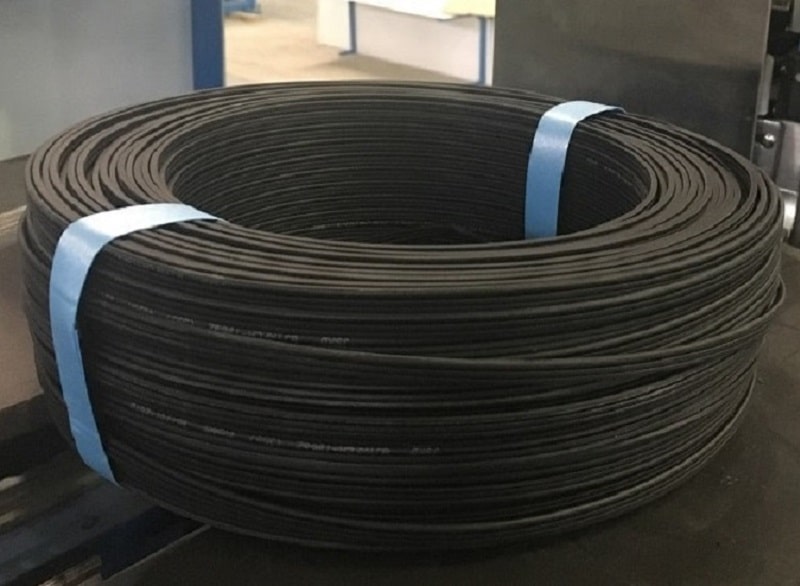
Steel wire strapping machine setup guidelines 4. Ongoing Safety Measures and Maintenance
Maintaining safety is a continuous process, not a one-time event. Regular checks and upkeep are vital.
Implementing a schedule of maintenance on the equipment that’s followed closely is key to keeping a safe work place. The equipment used in these circumstances are often prone to mechanical failure due to wear and tear or incorrect usage.
Regularly inspect the machine for wear, damage, and proper function. Implement a maintenance schedule to address potential issues proactively. Ensure adequate ventilation, monitor air quality, and enforce strict confined space entry procedures. Prioritize ongoing training and hazard awareness to maintain a safe environment.
Creating ongoing safety measures that are both effective and safe in confined spaces helps ensure that the employees are safe and equipment is working properly. Below we have outlined some of the ongoing requirements of this standard.
-
Hazard Monitoring: Implement an area where hazards related to the machine and environment are reported to and monitored.
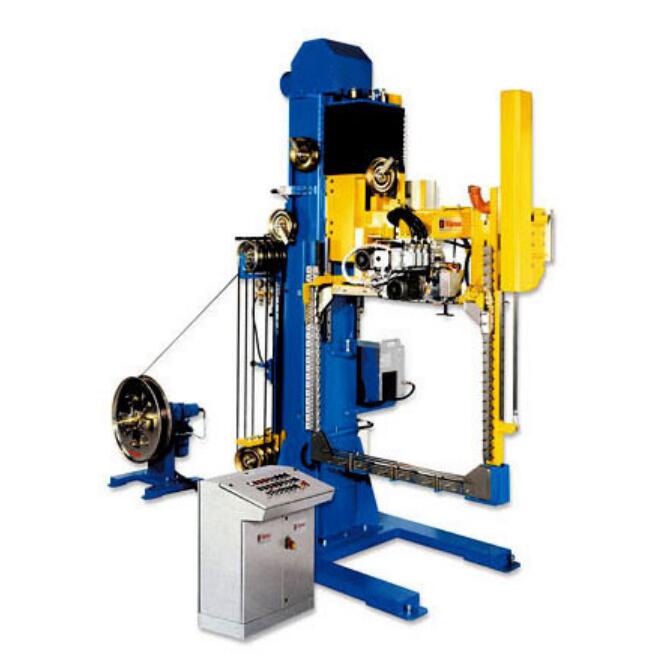
Steel wire strapping machine installation In conclusion, installing a steel wire strapping machine in a confined space requires a detailed approach that prioritizes safety. A commitment to training, hazard awareness, and rigorous maintenance is essential. By addressing these key considerations, businesses can ensure a safe and productive work environment for their employees.








