
How to Reduce Noise Pollution from Steel Wire Coiling Machines in Industrial Areas?
Noise pollution from steel wire coiling machines is a significant concern in industrial areas. It not only affects the workers’ hearing but also impacts their overall well-being and productivity, creating a need to find effective ways to reduce noise levels.
To effectively reduce noise pollution from steel wire coiling machines, strategies should include sound source treatment, path treatment, and methods focused on the receiver. Prioritizing engineering controls and a hearing conservation program are also crucial to protecting workers’ hearing and maintaining a healthy workplace.
Understanding and implementing noise reduction techniques is crucial for maintaining a safe and compliant industrial environment. Let’s delve into specific strategies for mitigating noise from steel wire coiling machines.
1. Identifying and Addressing Noise Sources in Steel Wire Coiling Machines
Identifying the source of noise pollution is the first step toward developing an effective noise reduction strategy. Understanding the underlying causes allows for targeted interventions, maximizing the impact of chosen solutions.
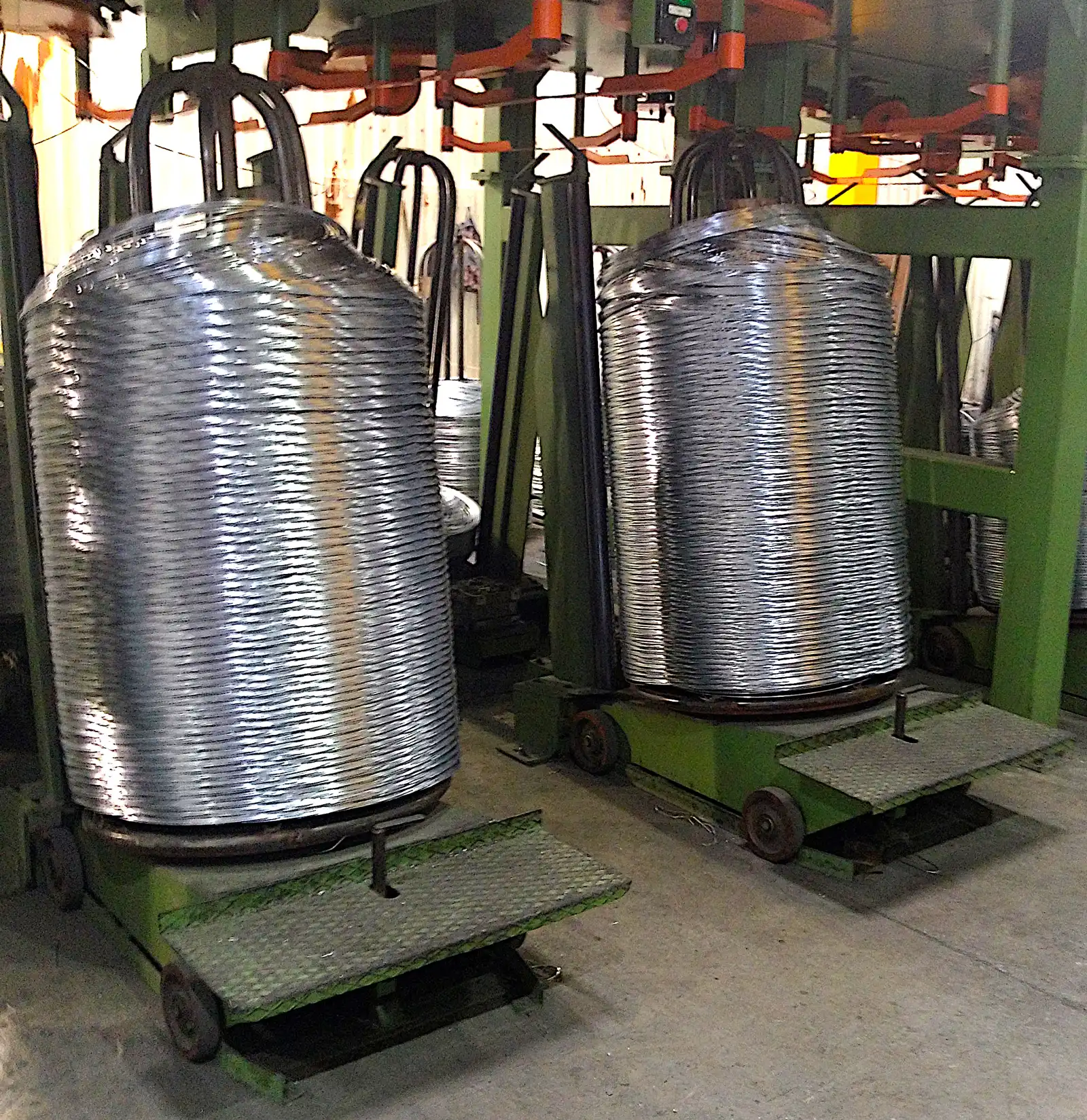
The primary sources of noise from steel wire coiling machines include motor operation, metal-on-metal contact during coiling, and vibration caused by the machine’s moving parts. A comprehensive approach to noise reduction involves addressing each of these noise sources to lower the total noise level significantly. Focusing on quieter parts, maintaining equipment and creating operator safety measures provides greater control.
Subheading: A Deep Dive into Noise Reduction Techniques
Once the primary noise sources are identified, specific techniques can be employed to minimize their impact. This section will explore several such techniques.
Source Treatment: Quieting the Origin
Source treatment focuses on reducing noise at its point of origin.
-
Dampening Vibrations: Applying damping materials to machine surfaces can minimize vibrations that amplify noise. This is particularly effective on large, flat surfaces.
-
Replacing Noisy Components: Substituting louder components, such as motors or gears, with quieter alternatives can substantially reduce noise.
-
Reducing Impact: Altering the coiling process to minimize impact forces, such as by adding cushioning materials or adjusting machine speed, can significantly lower noise levels.
Path Treatment: Blocking Sound Transmission
Path treatment involves disrupting the path that sound waves take from the source to the receiver. This reduces noise exposure without altering the noise source itself.
-
Enclosures: Constructing full or partial enclosures around the steel wire coiling machines can effectively contain noise. The enclosure should be made of sound-insulating materials.
-
Barriers: Installing barriers between the machines and the workers can block the direct path of sound waves, reducing the amount of noise reaching the operator.
-
Sound Absorption: Using sound-absorbing materials on walls and ceilings can reduce the reverberation of sound within the industrial area, further lowering noise levels.
Receiver Treatment: Protecting the Worker
Receiver treatment focuses on protecting individual workers from noise exposure.
-
Hearing Protection: Providing workers with high-quality hearing protection, such as earplugs or earmuffs, is a fundamental step in reducing the risk of hearing damage.
-
Worker Rotation: Rotating workers through different tasks can limit the amount of time any one individual spends in high-noise areas, reducing their overall noise exposure.
-
Quiet Zones: Creating quiet zones or rest areas where workers can take breaks from the noisy environment can help reduce stress and fatigue.
To better understand the effectiveness of these various techniques, consider the hypothetical data presented in the following table.
Technique Cost (USD) Noise Reduction (dBA) Vibration Dampening 1,500 5-10 Component Replacement 3,000 8-12 Partial Enclosure 5,000 10-15 Sound Absorption Materials 2,000 3-7 High-Quality Earplugs 50/worker 20-30 This illustrates that a combination of techniques often provides the most comprehensive and cost-effective solution for reducing noise pollution.
2. Engineering Controls: A Technological Approach to Noise Reduction
Engineering controls play a vital role in reducing noise in industrial environments by focusing on modifying or replacing equipment to emit less noise. These controls are effective, efficient, and contribute to a safer working environment.
Engineering noise controls include modifying equipment, isolating vibrations, or implementing barriers. By addressing the source of the noise and its transmission, these methods aim to reduce sound levels before they reach workers, offering long-term solutions and protecting workers’ long-term hearing abilities through operational optimization.
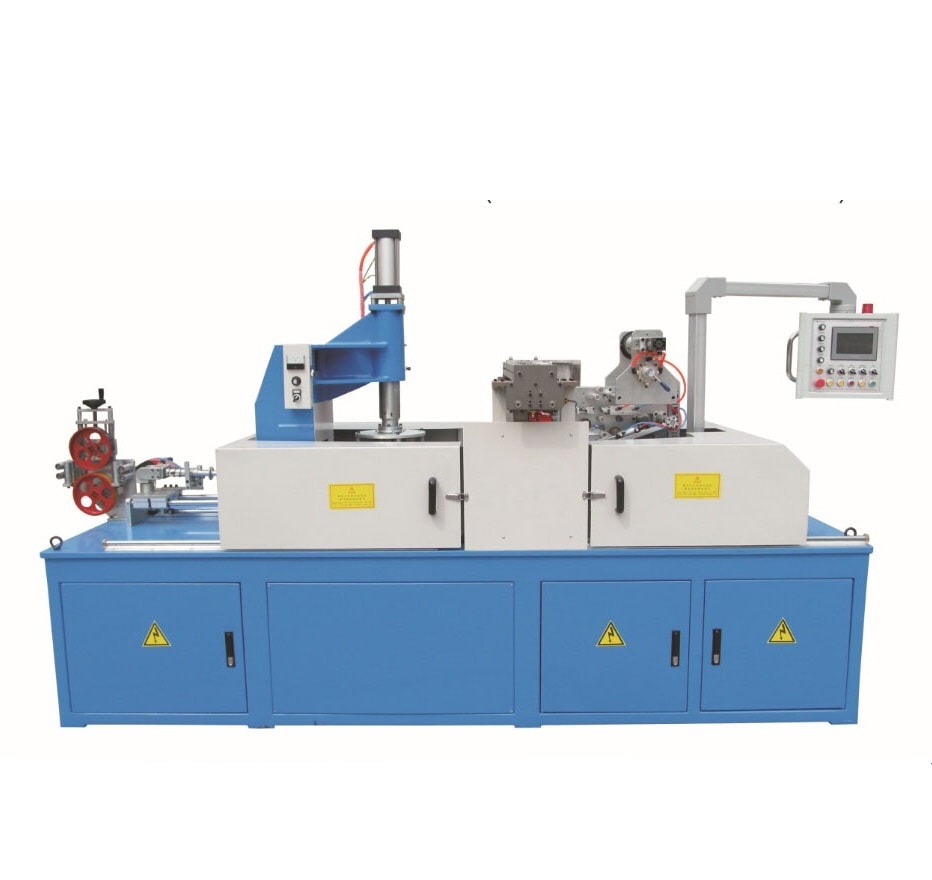
Steel wire coiling machine noise reduction, industrial areas, operational optimization Subheading: Delving into Technological Interventions for Noise Mitigation
Detailed discussion into technical interventions and the materials science.
Vibration Isolation Techniques
Vibration isolation can prevent noise-producing vibrations from spreading throughout the machinery and into the surrounding environment. It typically consists of installing damping mechanisms to reduce excess noise and vibration. Here’s how:
-
Mounting: Employing vibration mounts and shock absorbers under the machines will isolate the vibrations from the floor and surrounding structures.
-
Materials: Using materials with high internal damping properties, such as rubber or specialized polymers, can help absorb vibratory energy.
-
Design: Machine components prone to high vibration should be redesigned for better stability and balance.
Advanced Enclosure Designs
Modern enclosure designs leverage advanced materials and configurations to maximize sound absorption and minimize noise transmission.
-
Material: Utilizing sound transmission loss materials in construction of the enclosure. Examples include mass-loaded vinyl, plywood and steel, and many more.
-
Airtight: Proper seals reduce noise.
- Absorption: sound-absorption materials on the interior. Materials include foam or fiberglass.
Active Noise Cancellation (ANC)
A more sophisticated approach is the use of active noise cancellation (ANC) systems, where generated sound waves cancel unwanted noise.
-
Microphones: External microphones detect ambient noise and transmit the information to a computer.
-
Speakers: Specialized speakers then generate sound waves that are the exact opposite of the ambient noise.
-
Integration: Integrating ANC systems directly into worker’s hearing protection can provide personalized noise reduction.
When evaluating engineering controls, consider factors such as:
-
Cost: Design and implement the control
-
Effectiveness: Noise reduction
-
Practicality: Minimal equipment process down time
-
Maintainability: Consider the long-term operation of equipment
Choosing optimal solutions will depend on individual situations. But consider the following table outlining some popular interventions and their effects.
Engineering Control Cost (USD) Noise Reduction (dBA) Notes Vibration Isolation Mounts 500-2,000 5-15 Effective for low-frequency noise. Soundproof Enclosure 5,000-15,000 15-30 Can restrict access; requires ventilation and lighting. Active Noise Cancellation 1,000-5,000 10-20 Requires ongoing maintenance and calibration. Source Component Replacement 2,000-8,000 10-25 Can simultaneously improve machine performance and reduce noise. Noise reduction methods can significantly improve operational environments, enhancing overall productivity and safety.
3. Operational and Administrative Controls: Managing Noise Exposure Through Work Practices
While engineering controls are essential for mitigating noise at the source and along the path, administrative and operational controls minimize noise exposure through carefully designed work schedules and operational practices.
By limiting exposure time and ensuring proper equipment maintenance, the workplace can be compliant with noise regulations. These approaches complement engineering controls, creating a well-rounded industrial areas health and safety plan.
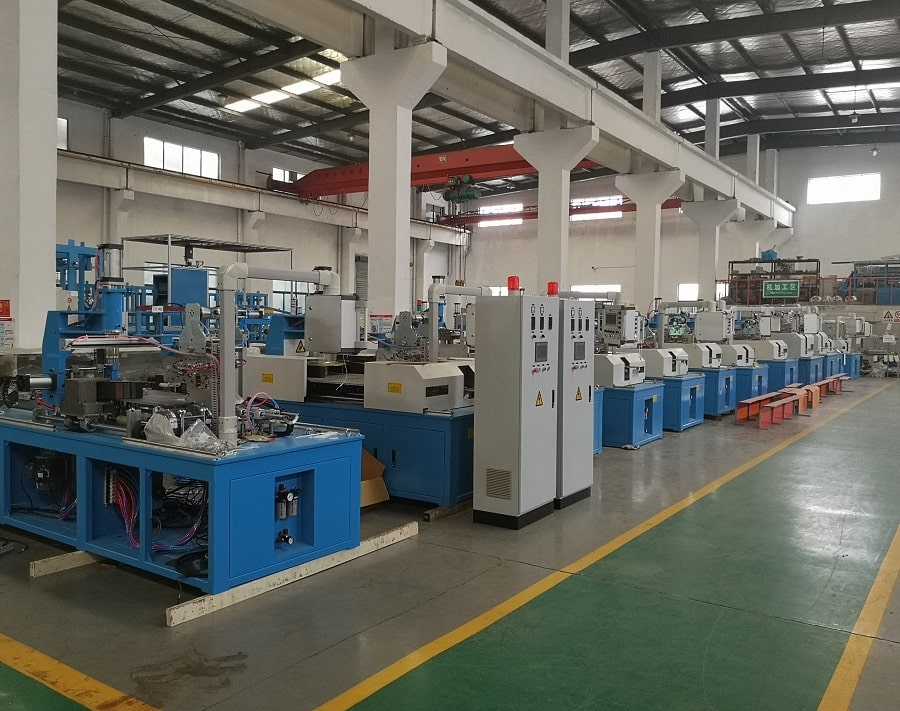
Steel wire coiling machine noise reduction, industrial areas, operational optimization Subheading: Refining Work Practices for Noise Reduction
Let’s dive deeper into how operational and administrative controls can be optimized to address the hazards of noise exposure and benefit the work environment.
Scheduling and Time Management
One of the simplest and most effective administrative controls is managing worker exposure time.
-
Worker Rotation: Rotating staff to reduce the time any one worker spends in high-noise environments.
-
Scheduling Noisy Tasks: Scheduling more noise-intensive tasks during off-peak hours or when fewer workers are present can minimize exposure for the majority of staff.
-
Rest Breaks: Providing designated quiet zones can create opportunity to find rest or peace while on break.
Equipment Maintenance and Operational Procedures
Keeping the noise source at a minimum can be accomplished by providing consistent and frequent maintenance of equipment.
-
Regular Inspection: Enforce regular inspection of the coiling machines to identify and address any issues.
-
Lubrication: Keeping machine components properly lubricated to minimize friction and reduce noise.
-
Training: Providing ongoing training to ensure correct methods are being used.
Facility Layout and Design
Efficient facility layout helps to reduce the amount of noise pollution, which creates greater worker satisfaction.
-
Strategic Placement: Place machines to create space and use walls to insulate noise pollution.
-
Acoustic Barriers: Create a partition or use barriers to block the direct sound transmission path.
- Sound Absorption: Create sound absorption through wall and ceiling insulation.
To understand how operational and administrative controls can be most effectively used, consider the following table.
Strategy Description Benefits Worker Rotation Rotating workers through high and low noise tasks. Reduces individual exposure; increases job diversity. Maintenance Schedule Regular inspection, lubrication, and repair of machinery. Minimizes noise generated by equipment; extends equipment lifespan. Facility Layout Strategic arrangement of equipment and use of physical barriers. Reduces noise levels across the facility; creates quieter work areas. Training Programs Educating workers on safe operating procedures and best practices for noise reduction. Promotes adherence to safety protocols; empowers workers to take proactive measures. Through the use of these processes, companies are able to better protect their workers, and comply with noise safety standards.
4. Hearing Conservation Programs: Protecting Workers at the Individual Level
A hearing conservation program (HCP) is a comprehensive approach to protecting workers’ hearing in noisy environments. It includes noise monitoring, audiometric testing, hearing protection, and employee training. Key aspect of a successful program are to protect each worker individually by considering their noise sensitivity and physical traits.
By implementing these best practices, employers can create a safer and more productive work environment. A complete program is an integral part of [Collection] management practices

Steel wire coiling machine noise reduction, industrial areas, operational optimization A well-structured and executed HCP provides the tools and knowledge necessary to minimize the risk of noise-induced hearing loss, and it is an ongoing commitment to the health and well-being of your workforce. The key elements that should be in place include:
-
Noise Monitoring
-
Audiometric Testing
-
Hearing Protection Devices
-
Employee Training
-
Record Keeping
Successfully using hearing control and well developed methods will reduce and mitigate the hazardous effects of excessive noise and allow companies to stay within regulatory perimeters.
Conclusion
Reducing noise pollution from steel wire coiling machines in industrial areas requires a multifaceted approach, including finding the source, and reducing the noise to the worker, by the end the most important part is to train the worker to protect themselves with the provided tools, this will make the factory a well controlled safe place for every to be. A commitment to ongoing evaluation, training, and continuous improvement is essential for sustaining a safe and productive industrial environment.








