
How to Enhance Steel Wire Coiling Machine Performance with Real-Time Monitoring?
Real-time monitoring can revolutionize steel wire coiling, boosting operational efficiency, reducing downtime, and improving product quality. This proactive approach ensures optimal performance and extends the lifespan of your machinery. Discover the power of data-driven insights.

Real-time monitoring enhances steel wire coiling machine performance by providing immediate insights into machine health, enabling proactive maintenance, optimizing coil quality, and reducing downtime through early detection of potential issues.
Steel wire coiling is a critical process in many industries, and optimizing its efficiency can significantly impact your bottom line. Let’s delve into how real-time monitoring can transform your operations.
1. Understanding the Basics of Steel Wire Coiling Machine Monitoring
Modern monitoring systems provide valuable data to maintain coiling machines, reducing production downtime, improving coil quality, and increasing workplace safety. Let’s explore how this technology works.
Steel wire coiling machine monitoring involves using sensors and data analytics to track key performance indicators (KPIs) such as speed, tension, temperature, and vibration. This data is analyzed in real-time to identify anomalies, predict potential failures, and optimize the coiling process for maximum efficiency and quality.
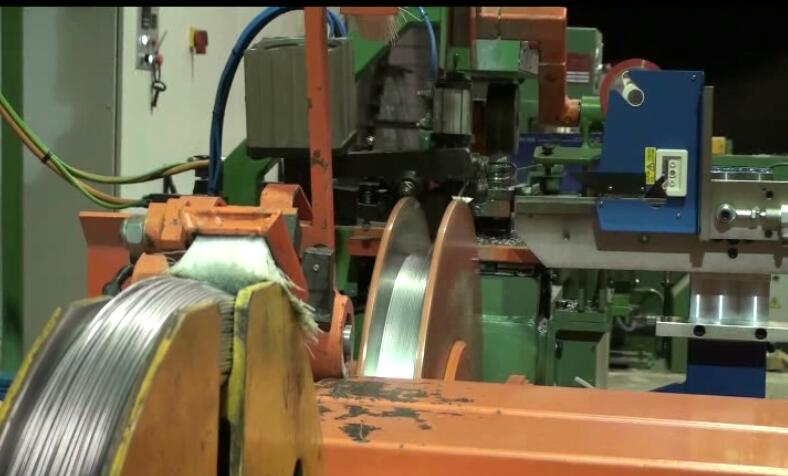
Real-Time Data: The Key to Proactive Maintenance and Improved Performance
Real-time data from steel wire coiling machines offers unparalleled opportunities for enhancing performance. By continuously monitoring various parameters, manufacturers can gain insights into the machine’s condition and operational efficiency, enabling proactive maintenance and preventing costly breakdowns.
Three Primary Benefits of Real-Time Data
- Predictive Maintenance: By analyzing historical and real-time data, manufacturers can predict when a machine component is likely to fail. This allows for scheduled maintenance, minimizing downtime and preventing unexpected failures.
- Process Optimization: Monitoring parameters like tension, speed, and temperature can help identify bottlenecks and inefficiencies in the coiling process. Optimizing these parameters leads to improved coil quality and increased production output.
-
Enhanced Safety: Real-time monitoring can detect abnormal vibrations, overheating, or other safety hazards, alerting operators and preventing accidents.
To illustrate the impact of real-time data, consider the following scenario: A steel wire coiling machine experiences frequent tension fluctuations, leading to inconsistent coil quality. By implementing real-time monitoring, operators can identify the root cause of the problem, such as worn-out tension rollers or a misaligned guide.
The table below compares traditional maintenance practices with real-time monitoring approaches, highlighting the benefits of data-driven insights.
Feature Traditional Maintenance Real-Time Monitoring Benefits Maintenance Schedule Time-based, regardless of machine condition Condition-based, based on real-time data Reduced downtime, lower maintenance costs Failure Detection Reactive, after a failure occurs Proactive, predicts potential failures Prevents unexpected breakdowns, minimizes production losses Process Optimization Manual adjustments, based on experience Data-driven adjustments, based on KPIs Improved coil quality, increased production output Safety Periodic inspections Continuous monitoring for safety hazards Prevents accidents, ensures a safer working environment The integration of IoT solutions plays a crucial role in enabling real-time monitoring. IoT sensors collect data from various machine components and transmit it to a central platform for analysis. This connectivity allows for remote monitoring, data visualization, and automated alerts, empowering manufacturers to make informed decisions and optimize their operations.
2. Implementing Real-Time Monitoring Systems: A Step-by-Step Guide
Successfully implementing real-time monitoring requires planning and execution. From selecting the right sensors to integrating data analytics, each step ensures optimal machine performance optimization.
Implementing a real-time monitoring system involves selecting appropriate sensors, installing them on the coiling machine, connecting the sensors to a data acquisition system, setting up a data analytics platform, and training personnel to interpret the data and take corrective actions. Key considerations include sensor accuracy, data transmission reliability, and the scalability of the system.
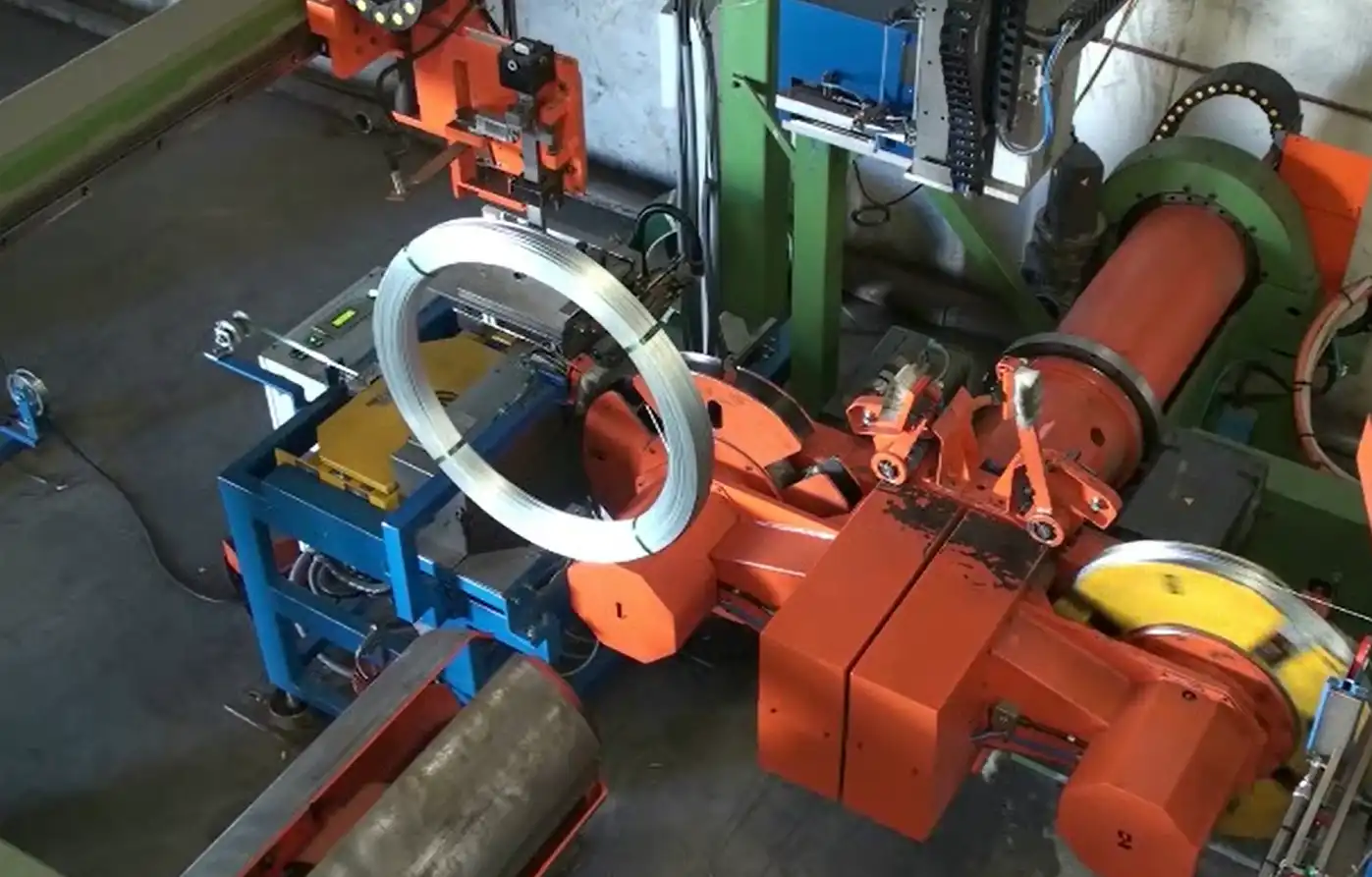
Technical Considerations for Seamless Integration
Integrating real-time monitoring systems involves several technical considerations. These include sensor selection, data acquisition, data transmission, and data analytics. Addressing these aspects ensures the system’s reliability and accuracy.
-
Sensor Selection: Choose sensors based on the specific parameters you want to monitor, such as vibration, temperature, tension, and speed. Ensure the sensors are compatible with your machine and can withstand the harsh industrial environment.
-
Data Acquisition: Implement a data acquisition system that can collect data from multiple sensors simultaneously. This system should be able to handle high data volumes and provide accurate timestamps for each data point.
-
Data Transmission: Select a reliable data transmission method, such as wired or wireless communication, based on your infrastructure and environmental conditions. Ensure the data is transmitted securely to prevent unauthorized access.
-
Data Analytics: Implement a data analytics platform that can process and visualize the data in real-time. This platform should be able to identify anomalies, generate alerts, and provide insights into machine performance.
3. Troubleshooting Common Issues in Steel Wire Coiling with Real-Time Data
Real-time monitoring is a powerful tool for troubleshooting common issues in steel wire coiling. By analyzing data, operators can identify the root causes of problems and take corrective actions to minimize downtime and improve coil quality.
Real-time monitoring allows for quick identification and resolution of issues such as tension fluctuations, misalignment, and lubrication problems by providing immediate data on key machine parameters, enabling operators to make informed decisions and take timely corrective actions.
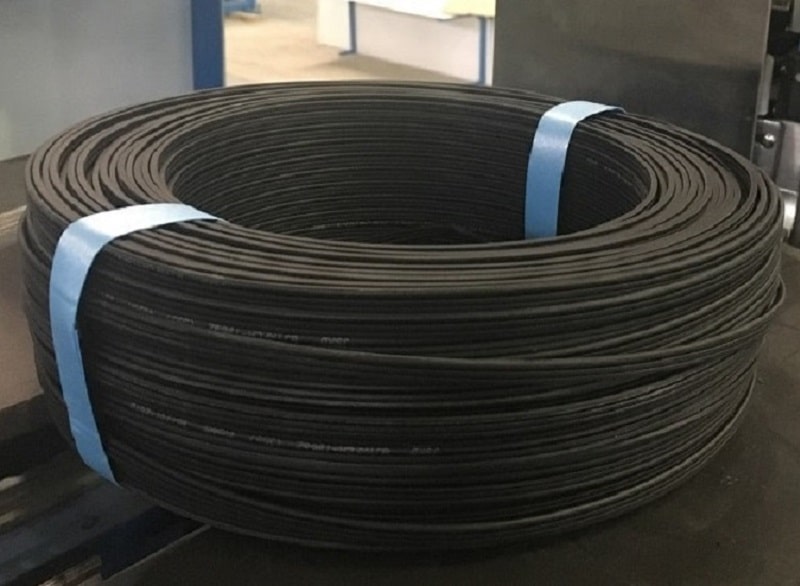
Steel wire coiling machine monitoring, performance optimization, operational efficiency Using Real-Time Monitoring for Proactive Problem Solving
Real-time data can identify and address various problems in steel wire coiling processes. Let’s explore how monitoring can resolve common issues and improve efficiency.
Troubleshooting Common Issues
-
Tension Fluctuations: Tension fluctuations can lead to inconsistent coil quality and increased waste. Real-time monitoring can detect these fluctuations and alert operators to adjust the tension settings or inspect the tension rollers.
-
Misalignment: Misalignment of the wire guide or rollers can cause uneven coiling and damage to the wire. Real-time monitoring can detect misalignment by measuring the position of the wire and alerting operators to make necessary adjustments.
-
Lubrication Problems: Insufficient lubrication can increase friction, leading to overheating and premature wear of machine components. Real-time monitoring can detect lubrication problems by measuring the temperature of the bearings and alerting operators to apply more lubricant.
Consider the following scenario: A steel wire coiling machine experiences frequent wire breaks, leading to production downtime and increased material waste. By implementing real-time monitoring, operators can identify the root cause of the problem, such as excessive tension or worn-out wire guides.
The following table illustrates how real-time monitoring can be used to troubleshoot common issues in steel wire coiling:
Issue Parameter to Monitor Alert Threshold Corrective Action Tension Fluctuations Tension +/- 5% of setpoint Adjust tension settings, inspect tension rollers Misalignment Position +/- 2mm of center Adjust wire guide, inspect rollers Lubrication Problems Temperature 10°C above normal operating temp Apply lubricant, inspect lubrication system Vibration Vibration above 80db check the motor 4. Cost-Benefit Analysis: Justifying the Investment in Real-Time Monitoring
Real-time monitoring systems offer a compelling return on investment by reducing downtime, improving coil quality, and extending the lifespan of your machinery. Real-time Steel wire coiling machine monitoring has a positive impact on both the bottom line and the sustainability of your operations.

- Reduced Downtime: Immediate alerts enable quick responses, minimizing disruptions.
- Improved Coil Quality: Precise adjustments lead to consistent product quality.
-
Increased Efficiency: Optimized processes maximize output and reduce waste.
A detailed cost-benefit analysis can help you quantify these benefits and justify the investment in real-time monitoring.
Conclusion
Steel wire coiling machines with real-time monitoring is a practical strategy for optimizing performance. By implementing real-time monitoring systems, manufacturers can achieve improved quality, reduced downtime, and significant cost savings. Embrace the power of data-driven decisions to transform your steel wire coiling operations.








