
What Are the Critical Maintenance Requirements for Steel Coil Packing Line Hydraulic Systems?
Are unexpected breakdowns turning your steel coil packing line into a bottleneck? Downtime in coil packing operations translates directly to lost revenue and missed production targets. Imagine the frustration of halted production due to a preventable hydraulic failure. The solution? Understanding and implementing critical maintenance for your hydraulic systems is paramount to ensuring seamless, efficient, and profitable operations.
The critical maintenance requirements for steel coil packing line hydraulic systems encompass regular fluid checks and changes, filter replacements, rod and seal inspections, hydraulic line assessments, fluid level monitoring, breather maintenance, filter indicator checks, visual inspections of pipes and hoses, system temperature monitoring, reservoir inspections, pump checks, fluid sampling, valve maintenance, and electric motor checks. These actions proactively prevent failures and ensure optimal performance.
This guide dives deep into the essential maintenance procedures that will safeguard your steel coil packing line. We’ll explore a tiered approach, from daily checks to annual overhauls, ensuring your hydraulic systems remain robust and reliable, minimizing downtime, and maximizing your operational efficiency.
Level 1: Daily and Weekly Checks for Hydraulic System Uptime
Starting each shift with confidence that your steel coil packing line is ready to perform is crucial. But are hidden threats lurking within your hydraulic systems? Neglecting daily and weekly checks is akin to ignoring a ticking clock – a breakdown is imminent. Level 1 maintenance acts as your operational alarm clock, catching minor issues before they escalate into costly downtime.
Daily and weekly checks are the bedrock of hydraulic system maintenance on steel coil packing lines. These checks involve visually inspecting for leaks, verifying fluid levels, and listening for unusual noises. Daily tasks include wiping down cylinders and rods, checking for external damage to hoses, and confirming proper system operation. Weekly checks expand to include inspecting filters, verifying breather integrity, and ensuring all connections are secure. Consistent Level 1 maintenance prevents minor issues from becoming major failures.

Dive Deeper: The ROI of Consistent Level 1 Hydraulic Maintenance
Level 1 maintenance isn’t just about checklists; it’s about tangible returns and preventing a cascade of failures. Consider the hydraulic system of your steel coil packing line – the lifeblood powering critical functions. Neglecting seemingly minor daily checks can trigger a domino effect of escalating problems.
The Domino Effect of Hydraulic Neglect
Imagine a small leak developing in a hydraulic hose connection. Initially, it might seem insignificant – a few drips. However, unchecked, this minor leak can:
- Escalate into a major leak: Leading to significant fluid loss, requiring frequent top-offs and increased operational costs.
- Cause pump cavitation: Low fluid levels due to leaks can starve the hydraulic pump, leading to cavitation, pump damage, and reduced system efficiency.
- Contaminate the system: Leaks often attract dirt and debris, introducing contaminants into the hydraulic fluid, accelerating wear and tear on components.
- Create safety hazards: Leaking hydraulic fluid creates slippery surfaces, posing a slip-and-fall risk to personnel.
- Lead to component failure: Prolonged operation with low fluid levels and contamination can result in premature failure of critical hydraulic components like pumps, valves, and cylinders.
- Result in downtime: Ultimately, the neglected leak can cause a major system failure, halting the coil packing line and resulting in costly downtime.
This seemingly small issue, easily detected and addressed with a daily walk-around inspection, can snowball into a significant operational disruption.
Quantifying the Benefits: A Data-Driven Approach to Level 1 Hydraulic PM
Let’s examine a simplified scenario to illustrate the Return on Investment (ROI) of consistent Level 1 hydraulic maintenance:
| Metric | Without Level 1 Hydraulic PM | With Level 1 Hydraulic PM | Improvement |
|---|---|---|---|
| Downtime Incidents (Monthly) | 4 | 1 | 75% Reduction |
| Average Downtime per Incident | 3 hours | 1 hour | 67% Reduction |
| Labor Cost per Downtime Hour | \$120 | \$120 | – |
| Lost Production Value per Hour | \$6,000 | \$6,000 | – |
| Monthly Downtime Cost | \$74,400 | \$7,440 | 90% Reduction |
| Preventative Maintenance Labor (Monthly) | \$0 | \$600 | – |
| Net Monthly Savings | – | \$66,360 | – |
Assumptions: Figures are illustrative and will vary based on specific operational contexts.
As the data highlights, a minimal investment in daily and weekly Level 1 hydraulic maintenance can yield substantial cost savings. The 90% reduction in monthly downtime cost in this example underscores the significant ROI. Beyond direct cost savings, effective Level 1 maintenance translates to:
- Extended Component Lifespan: Early detection and correction of minor issues prevent accelerated wear and tear, extending the life of hydraulic components.
- Increased Productivity: Consistent uptime maximizes production throughput, ensuring deadlines are met and operational goals are achieved.
- Improved Safety: Proactive leak detection and system checks minimize safety hazards associated with hydraulic failures.
- Reduced Repair Costs: Addressing minor issues early prevents costly major repairs and component replacements down the line.
Level 1 hydraulic maintenance is not merely a routine task; it’s a strategic investment in operational excellence and long-term cost savings for your steel coil packing line.
Level 2: Monthly and Quarterly Inspections for Proactive Hydraulic Care
Daily and weekly checks are your initial defense, but what about the less frequent, deeper issues that can gradually undermine your steel coil packing line’s hydraulic performance? Think of your car – weekly tire checks are essential, but monthly or quarterly servicing for oil changes and thorough inspections is vital for long-term health. Level 2 maintenance, conducted monthly and quarterly, provides that essential deeper service for your hydraulic systems.
Monthly and quarterly hydraulic inspections for steel coil packing lines delve deeper into system health. Monthly tasks include detailed inspections of hoses and fittings for wear and leaks, checking cylinder rod conditions, and inspecting filter indicators. Quarterly checks expand to include hydraulic fluid analysis, breather cap assessments, and a closer examination of pumps and valves. Level 2 maintenance proactively identifies and addresses potential issues before they escalate, ensuring sustained performance and preventing major component failures.
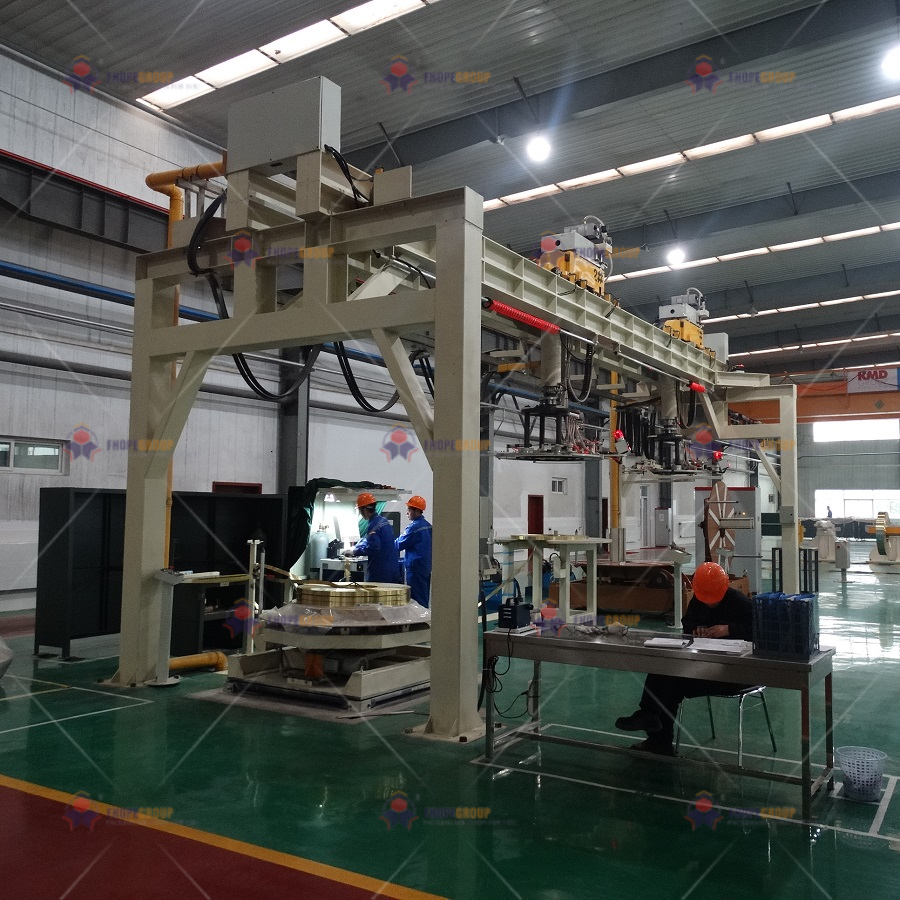
Deep Dive: Focusing on Critical Hydraulic Components in Level 2 Maintenance
Level 2 hydraulic maintenance is about targeted intervention, concentrating on components prone to wear, degradation, or issues that develop over time. Here are key areas to prioritize during your monthly and quarterly inspections:
1. Hydraulic Fluid Integrity: The Lifeblood of the System
Hydraulic fluid is the lifeblood of your system. Maintaining its quality is paramount. Level 2 checks focus on:
- Fluid Analysis (Quarterly): Regular fluid analysis is crucial. Send fluid samples to a lab for detailed testing, including:
- Viscosity: Check for deviations from the manufacturer’s recommended viscosity. Changes can indicate contamination or fluid degradation.
- Contamination (Particle Count): Measure the level of particulate contamination. High levels indicate filter inefficiency or external contamination ingress.
- Water Content: Excessive water in hydraulic fluid can lead to corrosion and component damage.
- Acid Number: Indicates fluid oxidation and degradation. An increasing acid number signals the need for fluid replacement.
- Fluid Level and Condition (Monthly):
- Level: Visually check the reservoir fluid level. Low levels can indicate leaks or fluid loss.
- Appearance: Inspect the fluid’s color and clarity. Discoloration, cloudiness, or a milky appearance can indicate contamination or fluid degradation.
- Smell: Note any unusual odors, such as a burnt smell, which can indicate overheating or fluid breakdown.








