
What Are the Advantages of Customized Packaging for PPR Pipes?
Customized packaging for PPR pipes offers a strategic approach to enhance product protection, brand visibility, and operational efficiency. Moving beyond generic bundling, tailored packaging solutions address the specific needs of Polypropylene Random Copolymer pipes, ensuring they reach end-users in optimal condition while reinforcing brand identity in a competitive market.
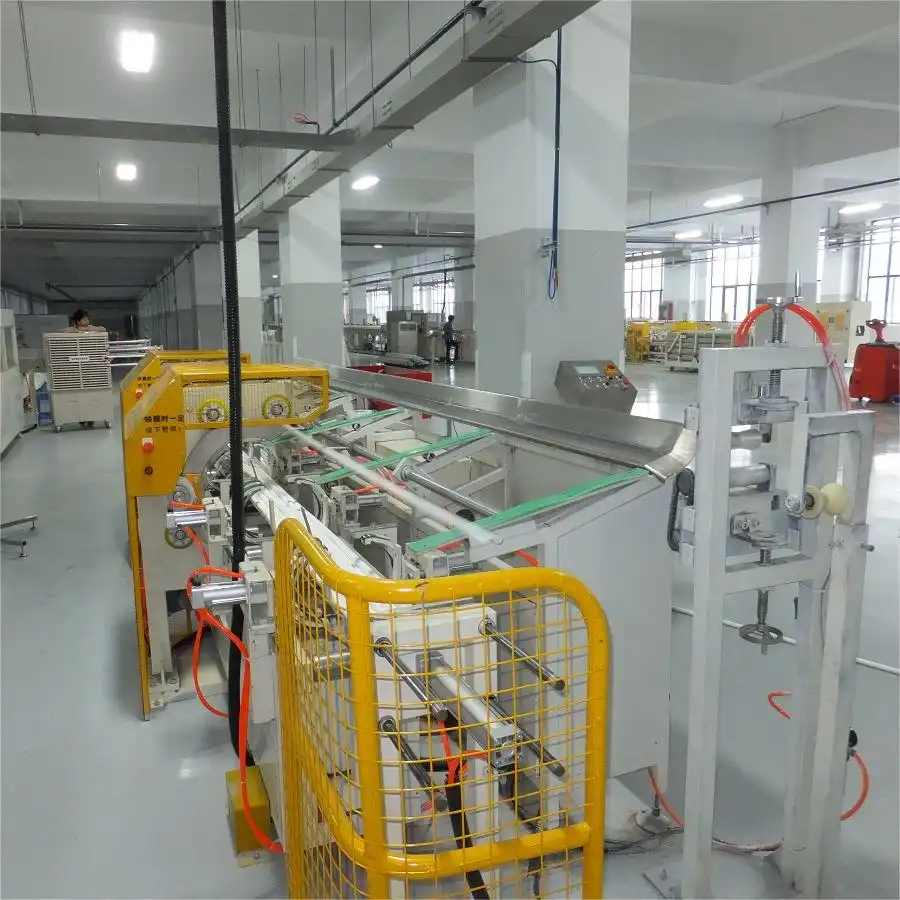
Customized packaging for PPR pipes provides superior protection during transit and storage, reduces damage and waste, enhances brand recognition through tailored designs, and improves handling efficiency with optimized packaging formats. This results in cost savings, increased customer satisfaction, and a stronger market presence for PPR pipe manufacturers.
Transitioning from generic packaging to customized solutions represents a significant upgrade for PPR pipe manufacturers. Let’s delve into the specific advantages that customized packaging brings to the PPR pipe industry, exploring how these benefits translate into tangible improvements across the supply chain and customer experience.
1. Enhanced Protection During Transportation and Storage
Customized packaging is paramount in safeguarding PPR pipes against the rigors of transportation and storage. Unlike generic methods, tailored packaging is designed to mitigate specific risks such as impact, abrasion, and environmental exposure, ensuring pipes maintain their integrity from manufacturing plant to job site.
Customized packaging significantly minimizes damage to PPR pipes during transportation and storage by providing tailored support, cushioning, and environmental protection. This reduces the incidence of cracked, scratched, or deformed pipes, leading to lower replacement costs and less material waste for manufacturers and distributors.
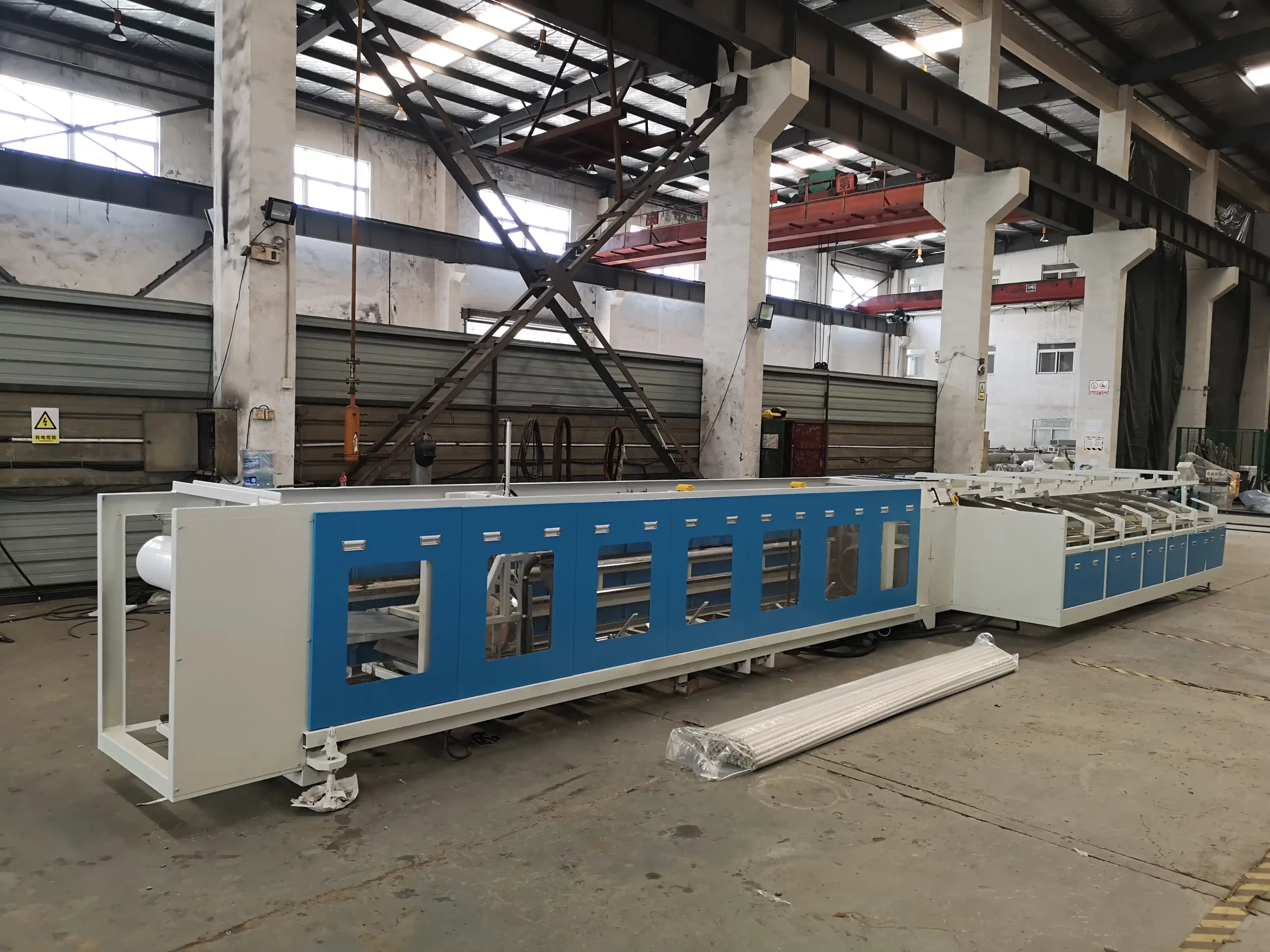
Tailoring Protection: A Deep Dive into Material and Design
Generic packaging often falls short because it’s not designed for the specific vulnerabilities of PPR pipes. Customized solutions, however, consider factors like pipe diameter, length, and wall thickness to engineer packaging that truly protects. This involves a detailed approach to material selection and structural design.
Material Selection for Optimized Protection
The choice of packaging material is crucial. For PPR pipes, materials must offer:
- Impact Resistance: To absorb shocks and prevent cracks during handling and transit.
- Abrasion Resistance: To protect the pipe surface from scratches and scuffs, maintaining aesthetic and functional quality.
- Environmental Barrier: Protection against moisture, UV radiation, and temperature variations, which can degrade PPR material over time.
Common materials in customized PPR pipe packaging include:
| Material | Advantages | Disadvantages | Best Use Cases |
|---|---|---|---|
| Corrugated Cardboard | Cost-effective, recyclable, provides cushioning, printable surface. | Lower water resistance, less durable than plastics in harsh conditions. | Bundling smaller pipes, inner packaging layers, protection in covered storage. |
| PE/PP Woven Fabric | High tensile strength, water-resistant, reusable, cost-effective for bundling. | Less cushioning than cardboard, can abrade pipe surfaces if not properly applied. | Outer wrapping for pipe bundles, protection during open storage and transport. |
| Stretch/Shrink Film | Conforms to pipe shape, water and dust resistant, stabilizes bundles, cost-effective. | Offers minimal impact protection, can degrade under UV exposure. | Securing pipe bundles, light protection from elements, unitizing for transport. |
| Engineered Plastics (HDPE, PP) | High impact and abrasion resistance, durable, reusable, weather-resistant. | Higher cost, may require more complex recycling processes. | End caps, protective sleeves, reusable crates for high-value or sensitive pipes. |
Structural Design for Enhanced Security
Beyond material, the structural design of customized packaging plays a vital role. Key design elements include:
- End Caps and Edge Protection: Preventing damage to pipe ends and edges, which are most vulnerable to impact.
- Internal Supports and Dividers: Separating pipes within a bundle to prevent abrasion and distribute weight evenly.
- Bundle Configuration: Optimizing bundle size and shape for efficient handling and stacking, reducing the risk of shifting and damage during transit.
- Reinforced Corners and Edges: Adding extra layers or stronger materials at stress points of packaging to enhance overall structural integrity.
By carefully considering both material and design, customized packaging offers a far superior level of protection compared to generic options. This tailored approach directly addresses the specific challenges of transporting and storing PPR pipes, resulting in significant reductions in damage rates and associated costs.
2. Brand Differentiation and Marketing Advantage
Customized packaging transcends mere protection; it serves as a powerful marketing tool, enhancing brand visibility and creating a distinct market presence. For PPR pipe manufacturers, this means transforming packaging from a functional necessity into a brand-building asset.
Customized packaging elevates brand recognition for PPR pipe manufacturers by incorporating logos, brand colors, and marketing messages directly onto the packaging. This turns each shipment into a mobile advertisement, reinforcing brand identity and creating a professional image that differentiates products in a competitive market.
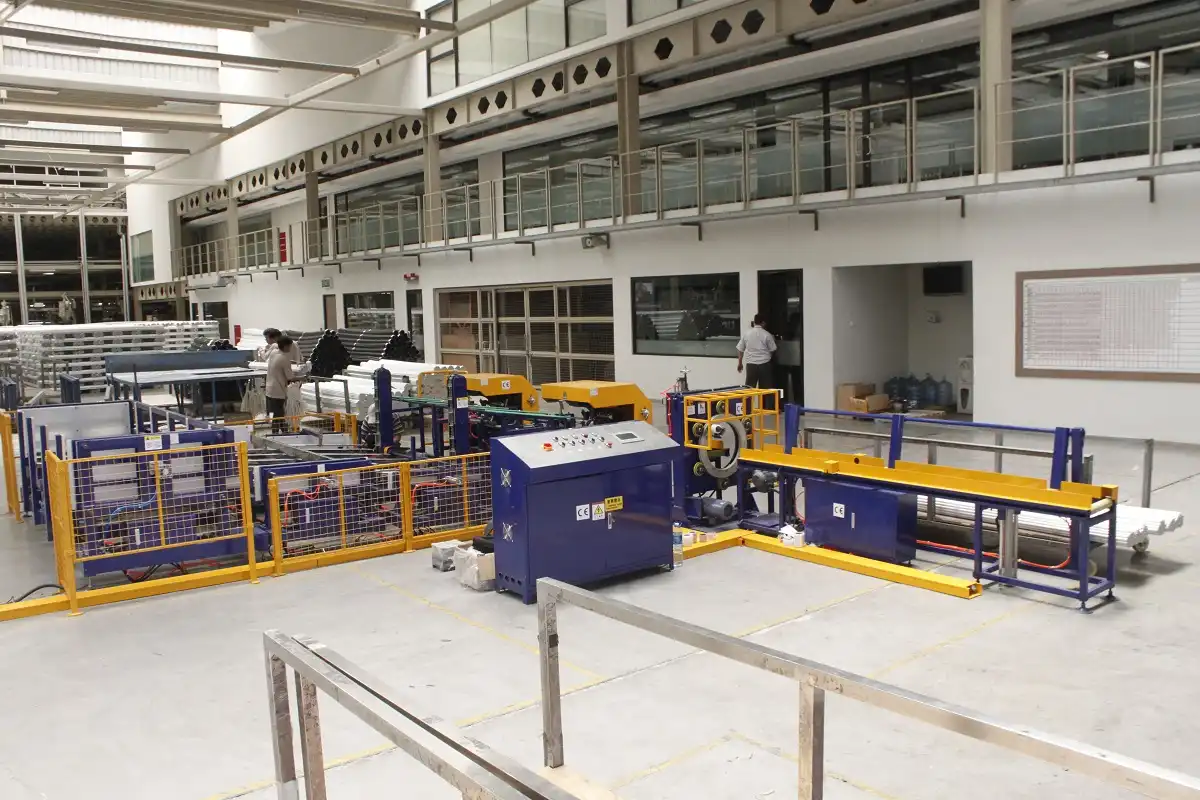
Packaging as a Silent Salesperson: Extending Brand Reach
In the construction and plumbing industries, where purchasing decisions are often influenced by brand trust and recognition, customized packaging offers a unique advantage. It turns packaging into a silent salesperson, continuously promoting the brand at every stage of the supply chain.
Visual Brand Language on Packaging
Customization allows for the integration of key brand elements:
- Logo and Brand Colors: Prominently displaying the company logo and using brand-specific colors creates immediate visual recognition.
- Product Information and Specifications: Clearly printed product details, certifications, and usage instructions enhance professionalism and inform end-users.
- Marketing Messages and Taglines: Incorporating brand taglines or promotional messages can reinforce brand values and differentiate offerings.
- QR Codes and Web Links: Directing customers to online resources, product catalogs, or installation guides via scannable codes on packaging.
Creating a Professional and Trustworthy Image
High-quality, customized packaging communicates professionalism and attention to detail. This is crucial in building trust with distributors, contractors, and end-users. Generic packaging can often appear anonymous or even cheap, potentially undermining the perceived value of the PPR pipes within. Customized packaging, conversely, projects an image of quality and reliability, aligning with the durable and long-lasting nature of PPR pipes themselves.
Differentiation in a Crowded Market
In a market saturated with similar products, customized packaging provides a vital point of differentiation. It helps PPR pipes stand out on shelves, in warehouses, and at job sites. This visual distinction can be a decisive factor for buyers choosing between competing products, especially when quality and performance are otherwise closely matched.
By leveraging packaging for brand building, PPR pipe manufacturers can create a stronger market presence, enhance customer loyalty, and ultimately drive sales. Customized packaging is not just about protecting the product; it’s about promoting the brand and creating lasting impressions.
3. Optimized Handling and Operational Efficiency
Beyond protection and branding, customized packaging significantly streamlines handling and boosts operational efficiency across the PPR pipe supply chain. Tailored packaging solutions are designed to facilitate easier handling, storage, and transportation, reducing labor costs and improving logistics.
Customized packaging enhances handling efficiency for PPR pipes by optimizing bundle sizes, incorporating features like handles or easy-open designs, and ensuring compatibility with automated handling systems. This leads to faster loading and unloading, more efficient warehouse management, and reduced risk of workplace injuries.
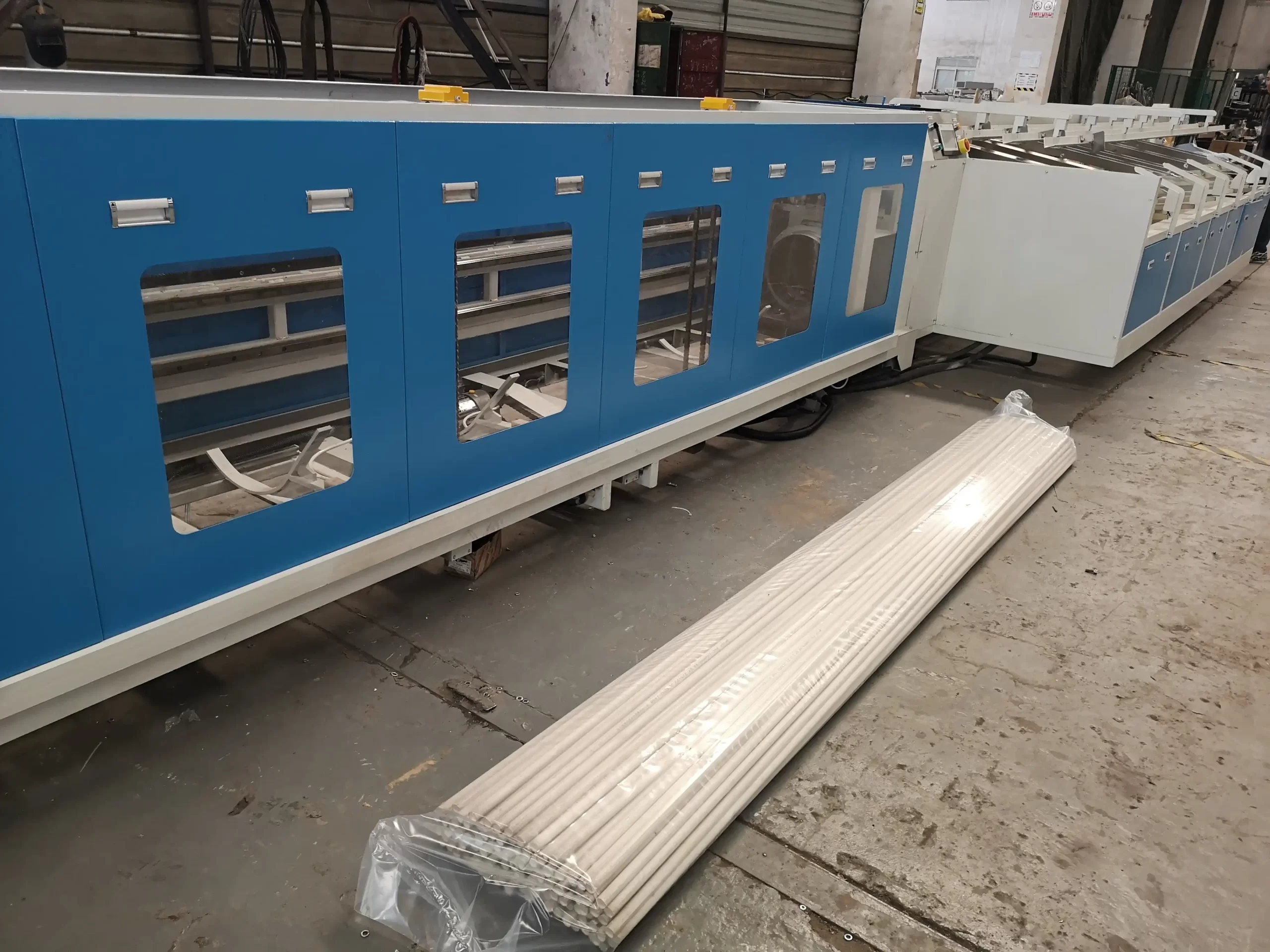
Streamlining Logistics: From Factory to Job Site
Generic packaging often presents logistical challenges due to awkward shapes, unstable bundles, or lack of handling features. Customized packaging directly addresses these issues by designing for efficiency at every step of the supply chain.
Ergonomic Design for Easier Handling
Customization allows for ergonomic considerations in packaging design:
- Optimized Bundle Weights and Sizes: Creating bundles that are manageable for workers to lift and move, reducing strain and risk of injury.
- Integrated Handles and Lifting Points: Adding handles, straps, or designated forklift points to packaging for easier manual or mechanical handling.
- Stable Stacking Configurations: Designing packaging shapes that allow for secure and space-efficient stacking in warehouses and during transportation.
- Easy-Open and Dispensing Features: Incorporating features that allow for quick and easy access to pipes at job sites, reducing unpacking time.
Compatibility with Automated Systems
Modern warehouses and distribution centers increasingly rely on automation. Customized packaging can be designed to seamlessly integrate with these systems:
| Feature | Benefit for Automated Handling | Example Packaging Design |
|---|---|---|
| Consistent Dimensions | Ensures smooth operation in automated conveyors and stacking systems. | Uniform bundle sizes and shapes, minimizing variations. |
| Rigid Packaging Base | Provides stability for robotic handling and automated forklift operations. | Use of pallets or rigid trays as part of the packaging. |
| Barcode and RFID Integration | Enables automated tracking and inventory management throughout the supply chain. | Printing barcodes directly on packaging or embedding RFID tags. |
| Durable Materials | Withstands the stresses of automated handling without tearing or collapsing. | Using high-strength woven fabrics or reinforced cardboard for outer layers. |
Reducing Labor Costs and Time
Improved handling efficiency translates directly into cost and time savings. Faster loading and unloading times reduce vehicle turnaround, optimizing transportation schedules. Easier warehouse management reduces labor hours spent on moving and organizing stock. Reduced risk of damage during handling also minimizes product loss and rework.
By focusing on optimized handling, customized packaging becomes a key driver of operational efficiency, enhancing productivity and reducing costs throughout the PPR pipe supply chain. This efficiency extends beyond the factory floor, benefiting distributors, contractors, and ultimately, end-users through faster project completion times.
4. Sustainable Packaging Solutions for Environmental Responsibility
In an increasingly environmentally conscious market, sustainable packaging is no longer a niche demand but a core expectation. Customized packaging for PPR pipes can be designed with sustainability at its heart, reducing environmental impact while aligning with corporate responsibility goals.
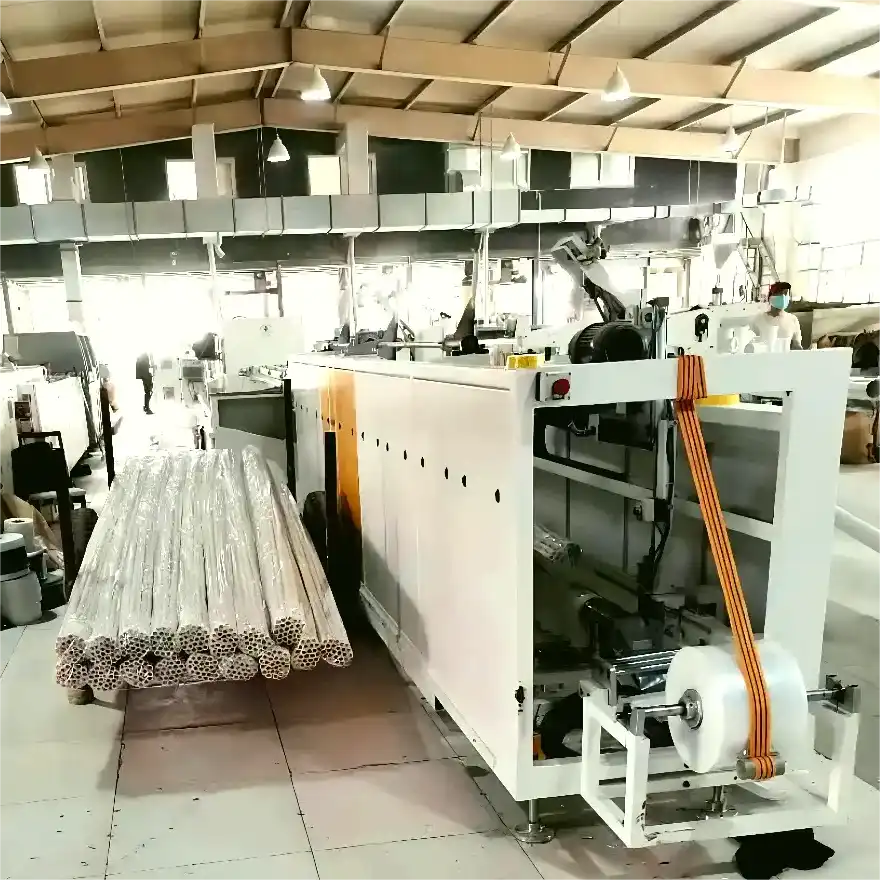
Customized packaging for PPR pipes can incorporate eco-friendly materials, reduce material usage through optimized design, and facilitate recycling and reuse. This approach minimizes environmental footprint, appeals to environmentally conscious customers, and enhances brand reputation as a responsible manufacturer.
Eco-Conscious Choices: Materials and Design for a Greener Future
Sustainable packaging involves a holistic approach, considering material sourcing, design optimization, and end-of-life management. For PPR pipes, this means moving beyond traditional packaging methods to embrace greener alternatives.
Sustainable Material Options
Choosing the right materials is the first step towards eco-friendly packaging:
- Recycled Content Materials: Utilizing recycled cardboard, recycled plastics, or post-consumer recycled (PCR) films reduces reliance on virgin resources.
- Biodegradable and Compostable Materials: Exploring biodegradable plastics or compostable fiber-based materials for certain packaging components, where appropriate.
- Renewable Resource-Based Materials: Using materials derived from sustainably managed forests or rapidly renewable plant sources.
- Mono-Materials for Easier Recycling: Designing packaging using single material types (e.g., mono-PE films) to simplify recycling processes compared to multi-layer or mixed-material packaging.
Design Optimization for Material Reduction
Sustainable design focuses on minimizing material usage without compromising performance:
- Right-Sizing Packaging: Tailoring packaging dimensions to precisely fit the pipe bundles, eliminating excess material.
- Lightweighting: Using thinner gauge materials or optimized structural designs to reduce weight while maintaining strength.
- Modular and Reusable Designs: Creating packaging systems that can be reused for multiple shipments or have modular components that can be replaced or upgraded, extending lifespan and reducing waste.
Promoting Recycling and Circularity
Sustainable packaging also considers end-of-life scenarios:
- Design for Recyclability: Choosing materials and designs that are readily recyclable in existing infrastructure.
- Clear Recycling Instructions: Printing clear instructions on packaging to guide end-users on proper disposal and recycling.
- Take-Back Programs: Implementing programs to collect used packaging from customers for reuse or recycling, fostering a circular economy approach.
By embracing sustainable packaging practices, PPR pipe manufacturers can demonstrate environmental responsibility, appeal to a growing market segment of eco-conscious buyers, and contribute to a more sustainable future for the industry. This commitment to sustainability can be a significant differentiator, enhancing brand value and long-term competitiveness.
Conclusion
Customized packaging for PPR pipes offers a multifaceted array of advantages that extend far beyond basic containment. From providing superior protection and enhancing brand visibility to streamlining operations and promoting sustainability, tailored packaging solutions represent a strategic investment for PPR pipe manufacturers. By moving away from generic approaches and embracing customization, companies can unlock significant value, improve customer satisfaction, and build a stronger, more resilient business in a competitive marketplace. The flexibility offered by customized packaging truly aligns with the inherent flexibility of PPR pipes themselves, creating a harmonious and efficient system from factory to final installation.








