
How to Enhance the Safety of PVC Pipe Handling in High-Risk Environments?
Handling PVC pipes in high-risk environments demands stringent safety measures to protect workers and prevent accidents. From chemical exposure to heavy lifting, understanding and mitigating potential hazards is crucial for operational efficiency and workplace well-being.
Enhancing safety when handling PVC pipes in high-risk environments involves comprehensive risk assessments, rigorous training programs, and the consistent use of personal protective equipment (PPE). Implementing safe lifting techniques, ensuring proper chemical compatibility, and establishing clear emergency protocols are also vital to minimizing workplace incidents and promoting a culture of safety.
This article delves into the essential strategies and practices for ensuring the safe handling of PVC pipes in challenging environments, providing actionable insights to create a safer and more productive workspace.
1. Identifying and Assessing Hazards in High-Risk PVC Pipe Handling
In high-risk environments, PVC pipe handling presents a unique set of challenges that necessitate thorough hazard identification and assessment. Recognizing potential dangers is the first step toward implementing effective safety protocols and minimizing the likelihood of accidents.
To enhance safety in high-risk PVC pipe handling, a meticulous hazard identification and assessment process is paramount. This involves systematically analyzing the work environment, tasks involved, and potential chemical and physical risks. By proactively pinpointing hazards such as chemical exposure, manual handling strains, and equipment malfunctions, targeted safety measures can be implemented to mitigate risks and ensure a safer operational environment.

Deconstructing the Risks: A Detailed Look at PVC Pipe Handling Hazards
To effectively manage risks associated with PVC pipe handling, it’s crucial to break down the hazards into specific categories. This allows for a more targeted approach to risk mitigation and ensures that all potential dangers are adequately addressed. A comprehensive risk assessment should consider factors beyond just the physical handling of the pipes, encompassing environmental conditions, chemical exposures, and equipment-related risks.
Here’s a structured breakdown of common hazards, categorized for clarity:
| Hazard Category | Specific Hazards | Potential Consequences | Mitigation Strategies |
|---|---|---|---|
| Manual Handling | Heavy lifting, awkward postures, repetitive tasks | Strains, sprains, back injuries, musculoskeletal disorders | Implement mechanical aids, team lifting, ergonomic training, job rotation |
| Chemical Exposure | Contact with solvents, adhesives, PVC dust/fumes | Skin irritation, respiratory issues, long-term health effects | Use appropriate PPE (gloves, respirators), ventilation, chemical compatibility checks |
| Environmental Factors | Temperature extremes, UV exposure, confined spaces | Heat stress, material degradation, asphyxiation | Scheduled breaks, UV protective storage, confined space entry protocols |
| Equipment Operation | Forklift accidents, crane failures, rigging malfunctions | Crushing injuries, dropped loads, equipment damage | Qualified operators, regular equipment inspections, proper rigging techniques |
| Slips, Trips, and Falls | Obstacles, uneven surfaces, spills, weather conditions | Fractures, sprains, contusions | Housekeeping, clear pathways, anti-slip surfaces, weather-appropriate footwear |
| Fire Hazards | Flammable solvents, PVC combustion | Burns, smoke inhalation, property damage | Fire suppression equipment, no-smoking zones, controlled solvent usage |
By systematically analyzing these hazard categories and their specific components, organizations can develop robust risk management plans that minimize the potential for accidents and injuries in high-risk PVC pipe handling environments. This proactive approach is essential for creating a safer and more efficient workplace.
2. Implementing Safe Handling Techniques for PVC Pipes
Safe handling of PVC pipes is paramount in mitigating risks, especially in demanding environments. Adopting correct techniques not only reduces the chance of injury but also maintains the integrity of the pipes, preventing damage that could compromise their functionality.
Safe handling of PVC pipes is achieved through a combination of proper lifting techniques, the use of appropriate equipment, and adherence to established safety protocols. Training personnel in ergonomic lifting, utilizing mechanical aids for heavy pipes, and implementing clear communication during handling operations are key elements in preventing injuries and ensuring efficient workflows.
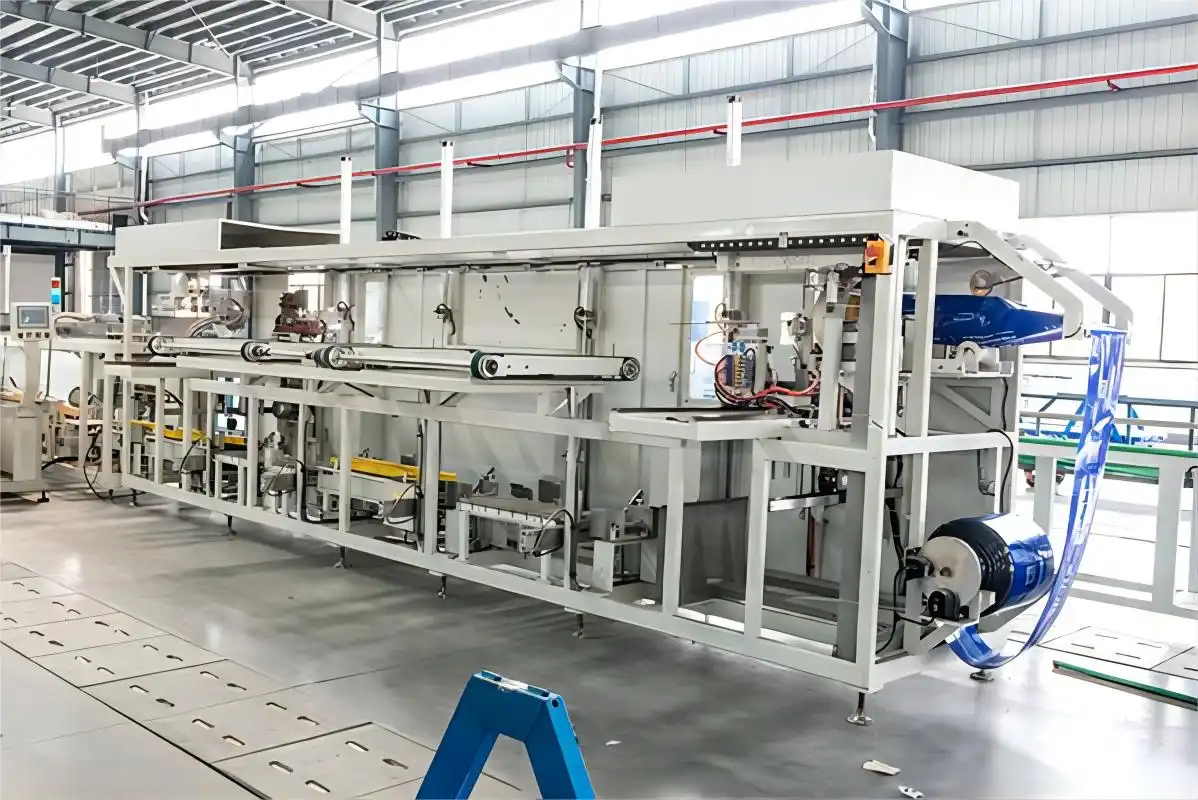
Mastering the Technicalities: Advanced Techniques for PVC Pipe Handling
Beyond basic safety measures, advanced handling techniques focus on the technical nuances of working with PVC pipes to maximize safety and efficiency. This includes understanding material properties, utilizing specialized tools, and implementing precision in every handling operation.
Here’s a deeper dive into essential technical aspects:
- Ergonomic Lifting and Carrying: Proper lifting techniques are crucial. Workers should be trained on how to lift with their legs, keeping their backs straight, and avoiding twisting motions. For carrying, especially over longer distances, using carrying aids or carts is recommended to reduce strain.
- Utilizing Mechanical Lifting Aids: For heavier pipes or bulk handling, mechanical aids like forklifts, cranes with vacuum lifts, or pipe-handling excavators are indispensable. Operators must be certified and trained in the safe operation of these machines, and regular equipment inspections are mandatory.
- Securement and Rigging: When lifting pipes with cranes or similar equipment, proper rigging is essential. Using appropriately rated slings, spreader bars (to minimize stress on pipes), and vacuum lifts ensures secure and balanced lifting. Regularly inspect rigging equipment for wear and tear.
- Load Distribution and Stability: When stacking or transporting PVC pipes, ensure even load distribution to prevent instability and potential rollovers. Use chocks, bunks, and tie-downs to secure loads on trucks or trailers. For stacked storage, utilize designed berms or racks to maintain stability.
- Cutting and Jointing Safety: When cutting PVC pipes, use tools designed for plastics to minimize sparks and dust. For solvent welding, work in well-ventilated areas and use respirators to avoid inhaling fumes. Follow manufacturer instructions for curing times and handling freshly jointed pipes.
- Pipe Protection: PVC pipes can be susceptible to scratches and impacts. Use padding or protective materials when handling and storing pipes to prevent damage. Avoid dropping or dragging pipes, and handle them with care, especially in cold temperatures when PVC can become more brittle.
By mastering these technical handling techniques, organizations can significantly enhance safety, reduce material damage, and improve overall efficiency in PVC pipe handling operations.
3. Emergency Preparedness and Response for PVC Pipe Incidents
Despite rigorous safety measures, emergencies can occur during PVC pipe handling. Being prepared with a comprehensive emergency response plan is crucial to mitigate potential harm and ensure swift, effective action in critical situations.
Emergency preparedness for PVC pipe handling involves developing clear protocols for various incidents, including chemical spills, injuries, and fire hazards. Equipping workplaces with first-aid kits, fire suppression systems, and spill containment materials, coupled with regular drills and training, ensures a rapid and effective response to minimize harm and disruption.

Structuring the Response: Key Elements of an Effective Emergency Plan
A robust emergency response plan for PVC pipe handling must be well-structured and cover a range of potential incidents. It should be easily accessible, regularly reviewed, and practiced through drills to ensure all personnel are familiar with their roles and responsibilities.
Here are the essential components of an effective emergency plan, presented in a structured format:
| Emergency Scenario | Immediate Actions | Follow-Up Procedures | Necessary Equipment/Resources | Training Focus |
|---|---|---|---|---|
| Chemical Spill (Solvent) | Evacuate area, stop source if safe, contain spill, ventilate | Clean up spill with absorbent materials, dispose of waste properly, report incident | Spill kits, PPE (respirators, gloves), ventilation systems | Chemical safety, spill containment, PPE usage |
| Handling Injury (Strain) | Stop work, administer first aid, assess injury severity | Seek medical attention if needed, document incident, investigate cause | First-aid kit, trained first-aid personnel | Ergonomics, safe lifting techniques, injury reporting |
| Equipment Malfunction | Stop operation, secure load, isolate equipment | Inspect equipment, repair or replace, investigate cause, restart safely | Equipment lockout/tagout procedures, maintenance logs | Equipment operation, lockout/tagout, malfunction reporting |
| Fire Incident | Activate alarm, evacuate, use fire extinguisher (if trained) | Call emergency services, account for personnel, investigate cause | Fire extinguishers, fire alarms, evacuation plans | Fire safety, extinguisher use, evacuation procedures |
| Pipe Damage/Leak | Stop flow (if applicable), isolate area, assess damage | Repair or replace damaged pipe, inspect system, document incident | Repair tools, replacement pipes, inspection checklists | System knowledge, leak detection, repair procedures |
Regular drills and scenario-based training are critical to reinforce these procedures. The plan should also include emergency contact information, evacuation routes, and assembly points. By proactively planning for emergencies, organizations can significantly reduce the impact of incidents and protect their workforce.
4. Regulatory Compliance and Best Practices in PVC Pipe Safety
Adhering to regulatory standards and implementing industry best practices are fundamental to ensuring a safe PVC pipe handling environment. Compliance not only minimizes legal risks but also demonstrates a commitment to worker safety and operational excellence.
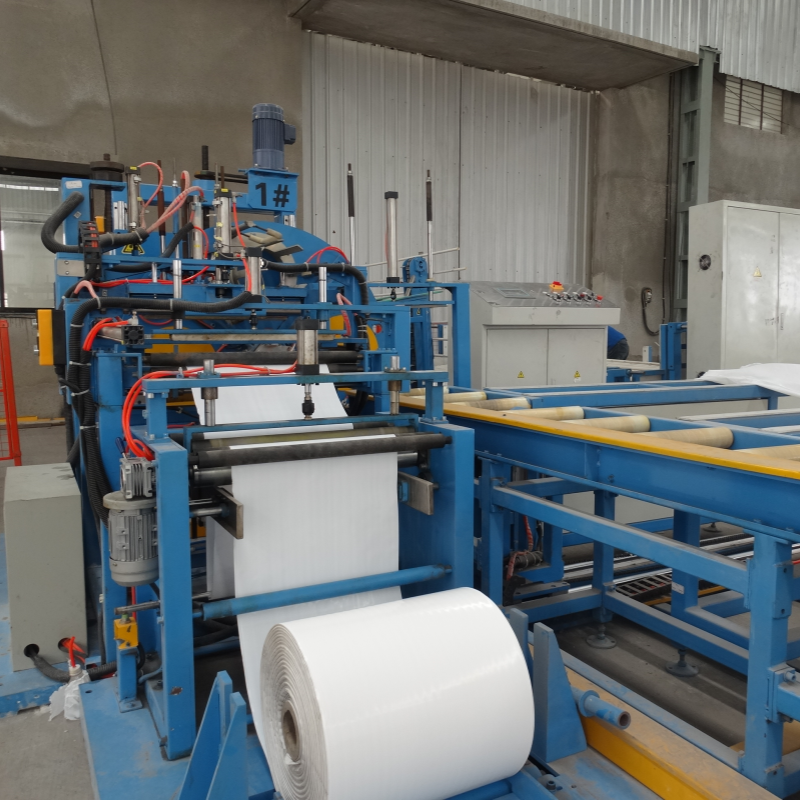
Regulatory compliance and best practices are crucial for ensuring PVC pipe handling safety in high-risk environments. These guidelines encompass proper training, equipment maintenance, and adherence to industry standards, fostering a culture of safety and minimizing workplace hazards.
Best Practices for PVC Pipe Handling Safety:
- Comprehensive Training Programs: Regularly train all personnel involved in PVC pipe handling on hazard identification, safe handling techniques, emergency procedures, and the proper use of PPE.
- Routine Equipment Inspections: Implement a schedule for regular inspection and maintenance of all handling equipment, including forklifts, cranes, rigging, and vacuum lifts, ensuring they are in safe operating condition.
- Chemical Compatibility Assessments: Conduct thorough chemical compatibility assessments for all solvents, adhesives, and other chemicals used with PVC pipes, ensuring safe handling and storage protocols are in place.
- Ergonomic Workstation Design: Design workstations and processes to minimize manual handling, awkward postures, and repetitive tasks, reducing the risk of musculoskeletal injuries.
- Job Hazard Analyses (JHAs): Conduct JHAs before commencing any new or modified PVC pipe handling task to identify potential hazards and implement appropriate control measures.
- Safety Audits and Inspections: Regularly conduct safety audits and inspections of PVC pipe handling operations to identify areas for improvement and ensure ongoing compliance with safety protocols.
- Promote a Safety Culture: Foster a workplace culture where safety is prioritized, and employees are encouraged to report hazards, participate in safety initiatives, and look out for each other’s well-being.
By diligently following these best practices and staying informed about relevant regulations, organizations can create a safer, more efficient, and compliant PVC pipe handling operation, minimizing risks and promoting a healthy work environment.
Conclusion
Enhancing the safety of PVC pipe handling in high-risk environments is a multifaceted endeavor that requires a proactive and systematic approach. From meticulous hazard identification and rigorous training to robust emergency preparedness and unwavering regulatory compliance, every element plays a crucial role in minimizing risks and safeguarding workers. By embracing best practices and fostering a strong safety culture, organizations can not only protect their workforce but also enhance operational efficiency and uphold their commitment to workplace well-being. Ultimately, prioritizing safety in PVC pipe handling is an investment in a healthier, more productive, and sustainable future.








