
What Are the Challenges of Maintaining Pipe Bundling Machines in Coastal Areas with High Humidity?
Maintaining pipe bundling machines in coastal environments presents unique challenges. The combination of salt air, high humidity, and fluctuating temperatures can significantly impact these machines’ performance and longevity, requiring specialized maintenance strategies.
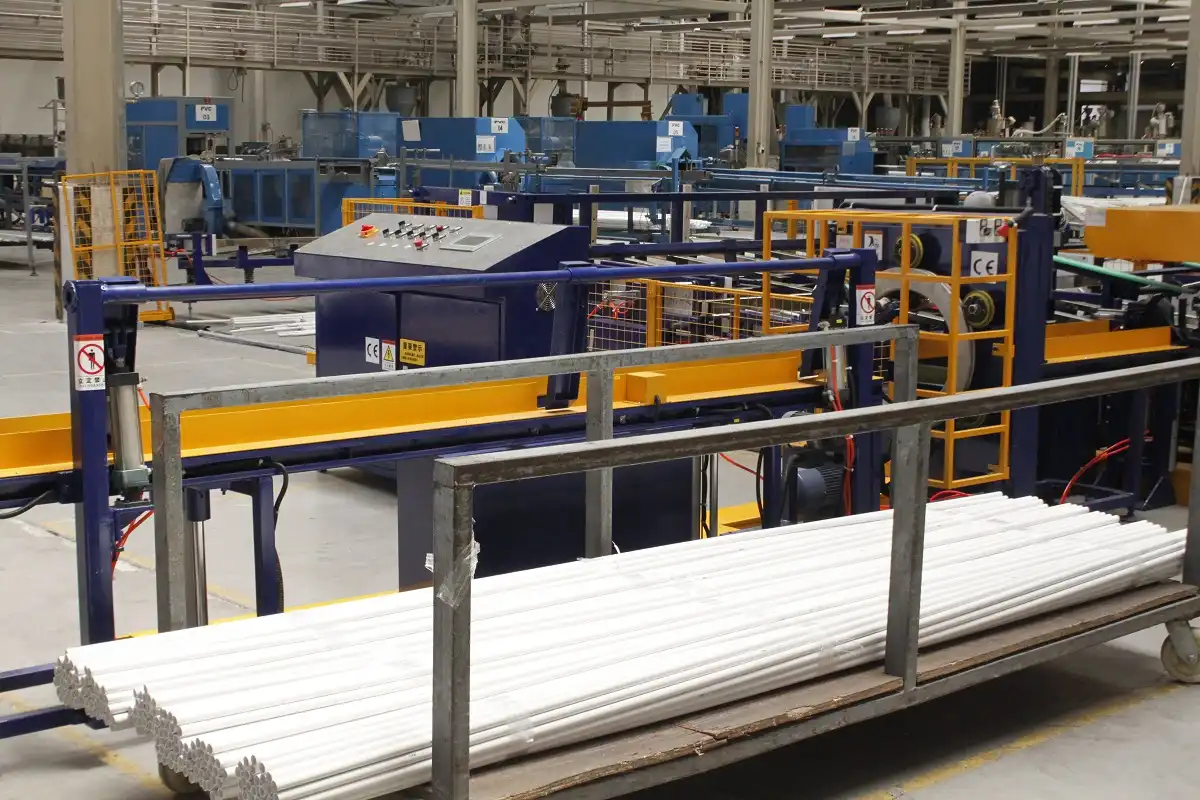
Maintaining pipe bundling machines in coastal areas with high humidity poses significant challenges. Corrosion, electrical issues, and lubrication problems are exacerbated. Regular cleaning, protective coatings, and specialized lubricants are crucial. Ignoring these factors leads to frequent breakdowns, increased downtime, and costly repairs, impacting productivity and profitability.
Coastal environments demand a proactive and meticulous approach to machine maintenance. Let’s delve into the specific challenges and effective strategies to ensure your pipe bundling machines operate efficiently and reliably, even in the face of harsh conditions.
1. Corrosion: The Silent Killer
The primary challenge in coastal areas is undoubtedly corrosion. Saltwater is a highly corrosive agent, and airborne salt particles can infiltrate every nook and cranny of machinery. This leads to rust, weakening of components, and eventual failure if left unchecked.
Corrosion is the most prevalent issue. Salt air accelerates rust formation on metal surfaces, compromising structural integrity and functionality. Regular cleaning to remove salt deposits, application of corrosion-resistant coatings, and use of stainless steel or specialized alloys in vulnerable areas are vital preventive measures.
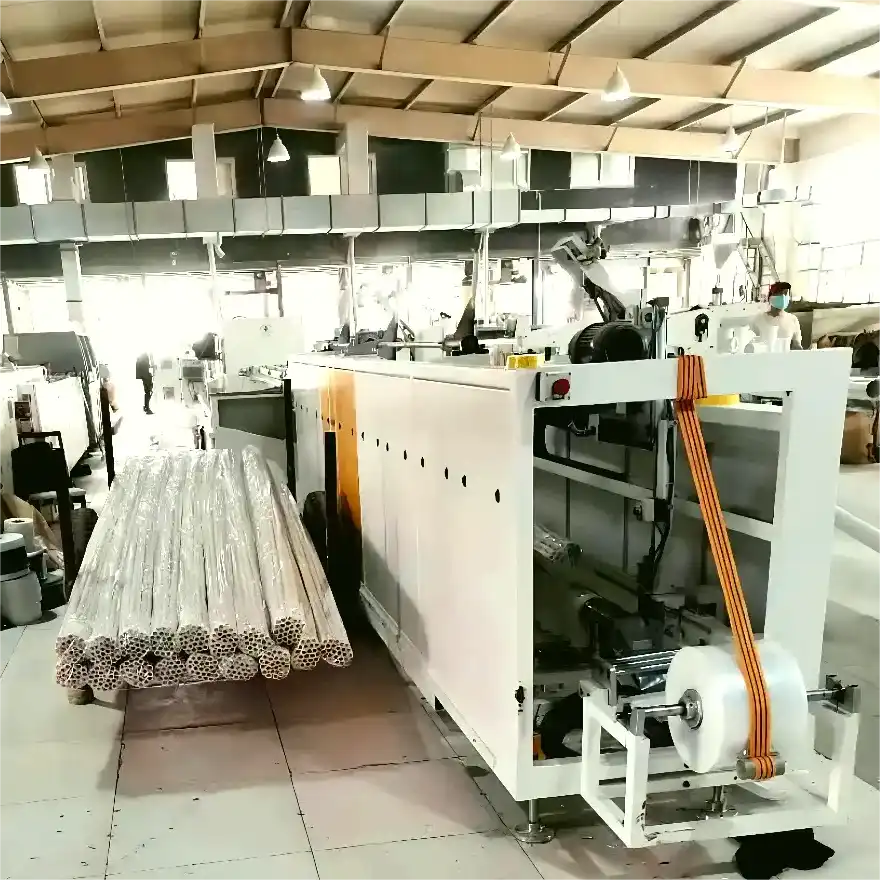
Combating Corrosion: A Multi-pronged Approach
To effectively combat corrosion, a comprehensive strategy is needed. This includes material selection, protective coatings, and regular maintenance.
Material Selection: Choosing the Right Metals
The choice of materials is crucial in designing and maintaining pipe bundling machines for coastal environments. Here’s a breakdown of common metals and their suitability:
| Material | Corrosion Resistance | Strength | Cost | Application |
|---|---|---|---|---|
| Carbon Steel | Low | High | Low | Internal components, requiring protective coatings |
| Stainless Steel | High | Medium | Medium | Exposed parts, structural elements, fasteners |
| Aluminum Alloys | Medium | Medium | Medium | Enclosures, lightweight components |
| Specialized Alloys | Very High | High | High | Critical components in direct contact with saltwater |
Protective Coatings: Shielding Against the Elements
Protective coatings provide a barrier between the metal surface and the corrosive environment. Common options include:
- Paints and Primers: Offer basic protection but may require frequent reapplication.
- Powder Coatings: Provide a durable, even finish with good corrosion resistance.
- Galvanizing: A zinc coating that sacrifices itself to protect the underlying steel.
- Specialized Coatings: Epoxy, polyurethane, and ceramic coatings offer superior corrosion resistance and abrasion protection.
Regular Maintenance: Prevention is Key
Even with the best materials and coatings, regular maintenance is essential. This includes:
- Washing: Regularly washing the machine with fresh water to remove salt deposits.
- Inspection: Thoroughly inspecting for signs of rust and corrosion.
- Lubrication: Applying corrosion-inhibiting lubricants to moving parts.
- Touch-up: Repairing any damaged coatings promptly.
2. Electrical Issues: A Conductive Nightmare
High humidity and saltwater are a dangerous combination for electrical components. Moisture can cause short circuits, corrosion of contacts, and insulation breakdown, leading to malfunctions and potential safety hazards.
Humidity and salt intrusion cause electrical shorts and corrosion. Sealed enclosures, moisture-resistant wiring, and regular inspection of electrical connections are critical. Implementing grounding systems and surge protection further safeguards against electrical damage.

Safeguarding Electrical Systems in Humid Environments
Protecting electrical systems requires careful design, installation, and maintenance practices.
- Sealed Enclosures: Use enclosures with a high IP (Ingress Protection) rating to prevent moisture from entering.
- Moisture-Resistant Wiring: Choose wiring with insulation specifically designed for humid environments.
- Conformal Coatings: Apply conformal coatings to circuit boards to protect them from moisture and corrosion.
- Regular Inspection: Inspect electrical connections regularly for signs of corrosion and tightness.
- Desiccant Packs: Place desiccant packs inside electrical enclosures to absorb moisture.
3. Lubrication Challenges: Maintaining Smooth Operation
High humidity can also affect lubrication. Water can contaminate lubricants, reducing their effectiveness and leading to increased friction and wear. Saltwater intrusion can further exacerbate this problem, causing corrosion within bearings and other moving parts.
Water contamination degrades lubricants, accelerating wear. Using waterproof, synthetic lubricants and implementing a strict relubrication schedule are essential. Regularly inspect seals and replace them promptly to prevent water ingress into critical components.
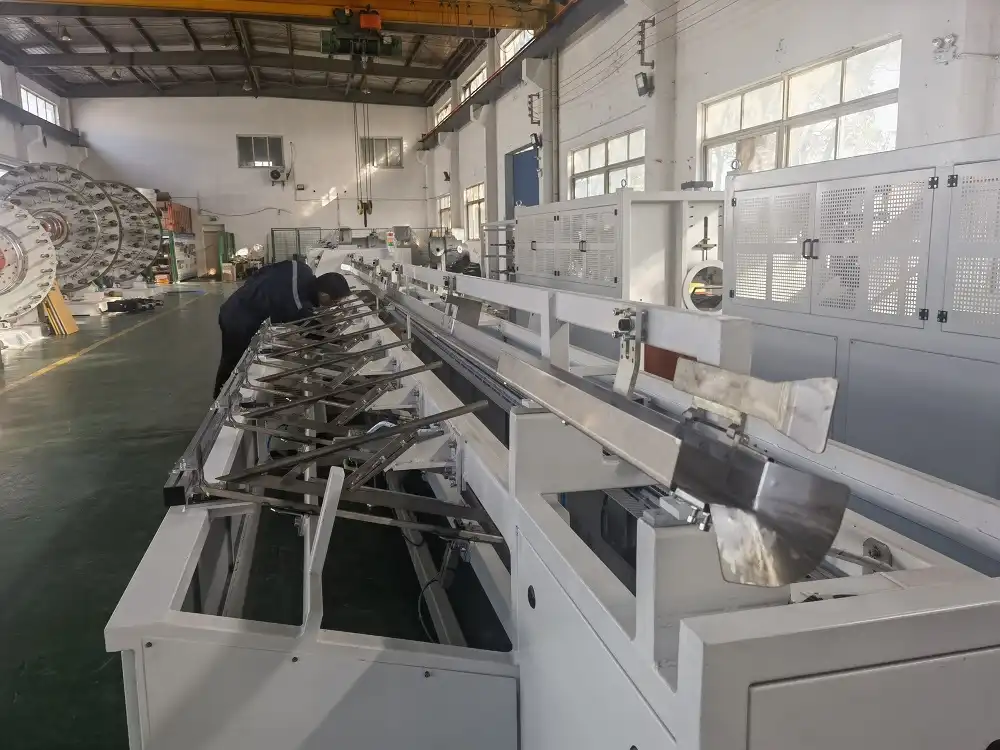
Optimizing Lubrication for Coastal Environments
Choosing the right lubricants and implementing a robust lubrication schedule are key to maintaining smooth operation.
Selecting the Right Lubricants
- Synthetic Lubricants: Offer superior water resistance and thermal stability compared to mineral-based lubricants.
- Corrosion Inhibitors: Choose lubricants with corrosion inhibitors to protect metal surfaces from rust and corrosion.
- High Viscosity Index: Select lubricants with a high viscosity index to maintain consistent performance over a wide temperature range.
Implementing a Strict Relubrication Schedule
Regular relubrication is essential to flush out contaminated lubricant and ensure that moving parts are adequately protected. Consider the following factors when establishing a relubrication schedule:
| Factor | Influence on Relubrication Frequency |
|---|---|
| Humidity Level | Higher humidity requires more frequent relubrication |
| Operating Temperature | Higher temperatures accelerate lubricant degradation |
| Load and Speed | Higher loads and speeds increase lubricant consumption |
Seal Inspection and Replacement
Seals prevent water and contaminants from entering bearings and other critical components. Regularly inspect seals for wear and damage and replace them promptly.
4. Component Degradation: Material Fatigue
Beyond corrosion, the constant exposure to UV radiation, temperature fluctuations, and the physical stress of operation contribute to the general degradation of machine components. Rubber seals become brittle, plastics crack, and even seemingly robust metal parts can suffer from fatigue.
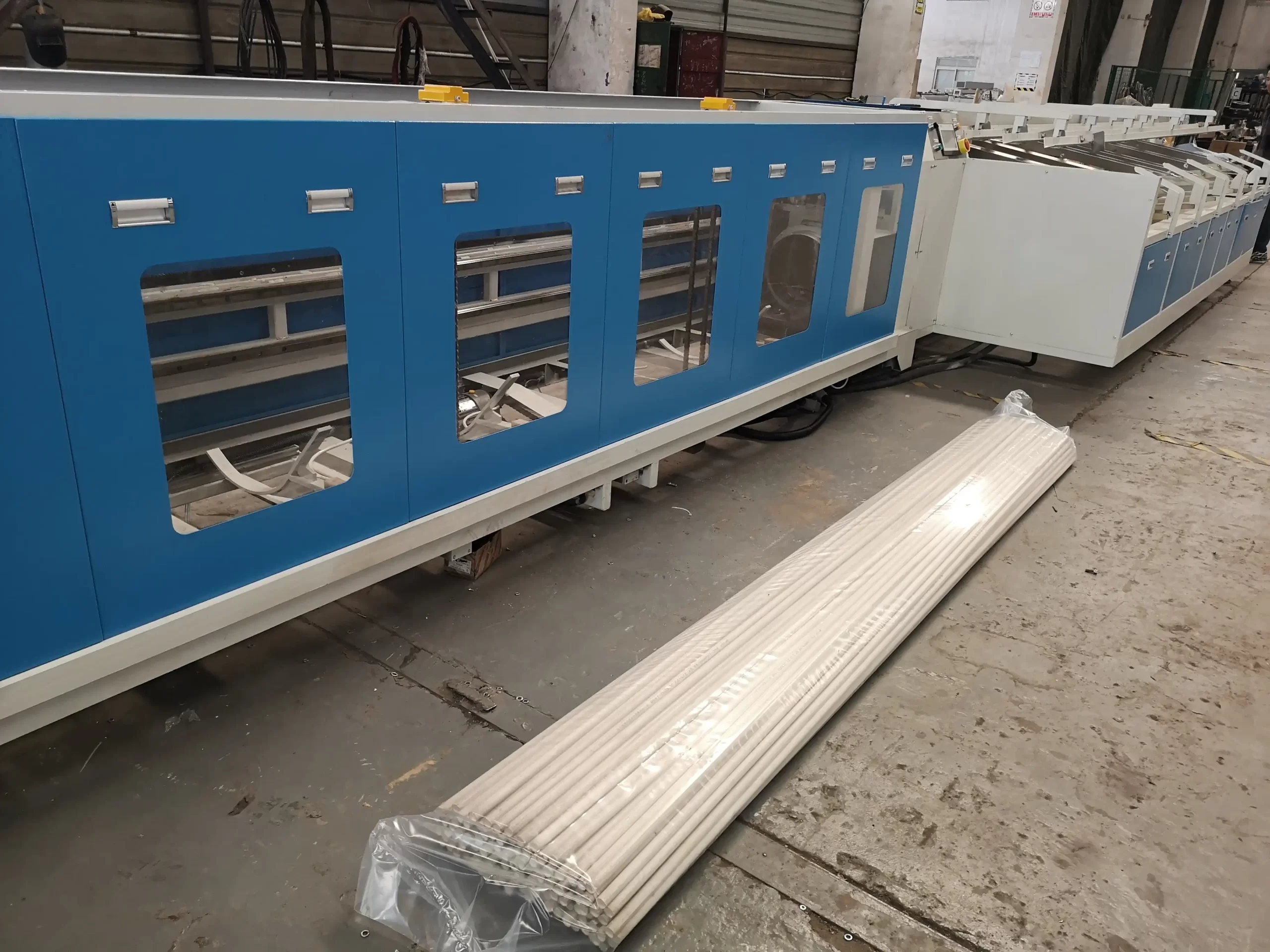
Ensuring your pipe bundling machines continue operating effectively requires a proactive approach to combat component degradation in the long run. Neglecting upkeep can mean costly repairs and downtime.
Frequent exposure to coastal elements causes material fatigue, leading to breakage and reduced lifespan. Implementing a scheduled component replacement program based on usage and material characteristics can prevent unexpected failures. Use UV-resistant materials and conduct regular non-destructive testing to identify weaknesses early.
Minimizing the impact on your machines
Consider the following to get the best out of your Pipe bundling machine:
- Regularly inspect components, noting signs of wear or degradation
- Implement a predictive maintenance plan that includes stress and usage factors
- Use UV-resistant materials
Conclusion
Maintaining pipe bundling machines in coastal areas with high humidity requires a dedicated and proactive approach. By addressing the challenges of corrosion, electrical issues, lubrication, and component degradation, businesses can ensure the long-term reliability and efficiency of their equipment. Implementing a comprehensive maintenance program that includes material selection, protective coatings, regular inspections, and timely repairs is essential for minimizing downtime and maximizing productivity in these demanding environments. Prioritizing maintenance not only extends the life of the machines but also contributes to a safer and more profitable operation.








