
What Are the Challenges of Maintaining Pipe Bundling Machines in Remote Industrial Sites?
Maintaining pipe bundling machines in remote industrial sites presents unique challenges. These locations often lack readily available resources, skilled technicians, and reliable infrastructure, impacting machine uptime and overall productivity. Overcoming these hurdles requires proactive planning and innovative solutions.
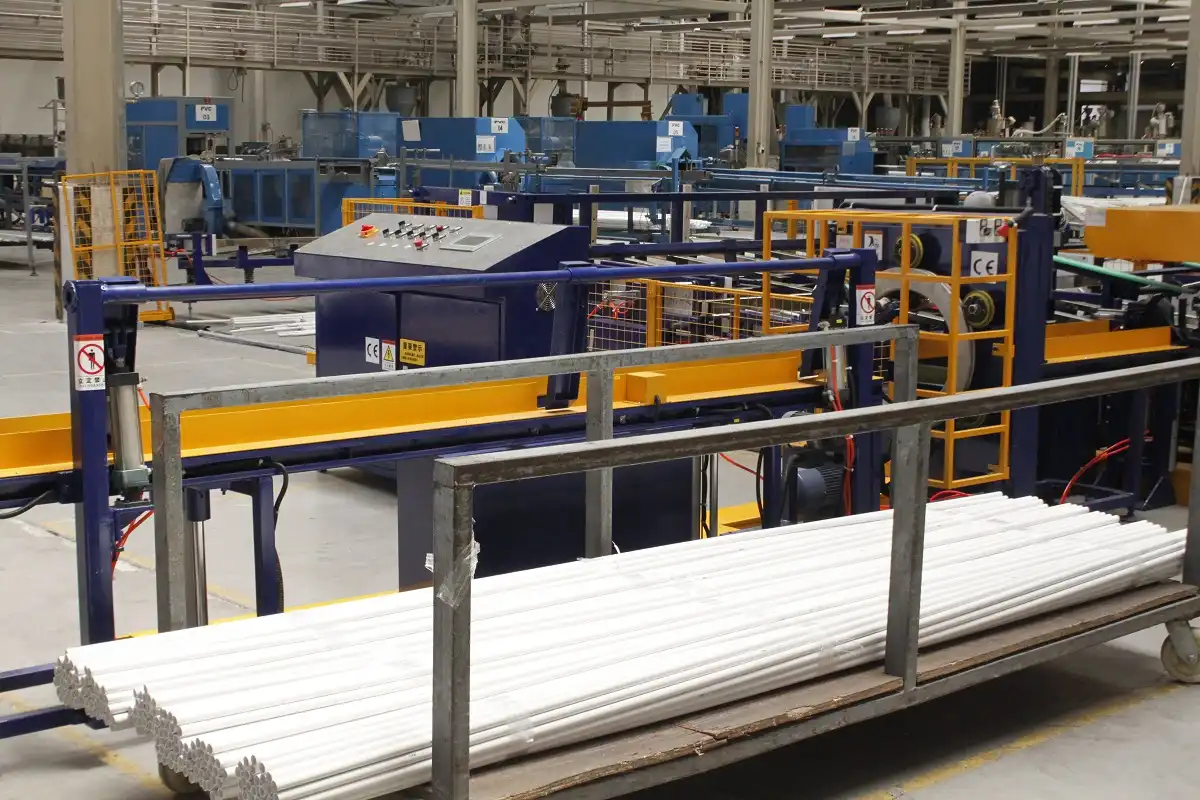
Maintaining pipe bundling machines in remote industrial sites is challenging due to limited access to skilled technicians, spare parts, and reliable internet connectivity. These factors can lead to extended downtime, increased maintenance costs, and reduced productivity. Addressing these challenges requires proactive planning and innovative solutions.
As we delve deeper into the complexities of maintaining these essential machines in isolated environments, it’s crucial to understand the specific obstacles and explore practical strategies for success. Let’s examine the key challenges and potential solutions in detail.
1. The Logistical Nightmare of Remote Maintenance
The remote location of industrial sites presents a significant obstacle to effective machine maintenance.
Remote industrial sites pose significant logistical challenges for maintaining pipe bundling machines. These include transportation delays, limited access to specialized tools, and difficulties in coordinating with technicians, all of which contribute to increased downtime and maintenance costs.

To effectively manage these logistical challenges, a multi-faceted approach is needed. This involves proactive maintenance planning, strategic spare parts management, and leveraging technology for remote diagnostics and support. Let’s explore these aspects further.
The Breakdown: Addressing Logistical Hurdles in Detail
Maintaining pipe bundling machines in remote locations demands a comprehensive understanding of the logistical factors at play. These factors extend beyond simple transportation issues; they encompass a complex web of interconnected challenges that must be addressed strategically.
1.1 Transportation and Accessibility
One of the most immediate challenges is the sheer difficulty of transporting equipment, parts, and personnel to remote sites. Roads may be unpaved or poorly maintained, weather conditions can be unpredictable, and distances can be vast. This leads to delays in receiving critical parts and bringing in specialized technicians.
1.2 Supply Chain Disruptions
Remote locations often have limited access to reliable supply chains. This means that obtaining necessary spare parts or tools can take significantly longer than in more accessible areas. Lead times can stretch for weeks or even months, especially for specialized components.
1.3 Skilled Labor Shortages
Finding qualified technicians willing to travel to and work in remote locations can be a major challenge. The limited availability of skilled labor can lead to delays in repairs and maintenance, as well as increased costs for travel and accommodation.
1.4 Communication Barriers
Communication can be difficult in remote areas due to unreliable internet or phone service. This can hinder remote diagnostics, troubleshooting, and coordination between on-site personnel and off-site experts.
To overcome these logistical hurdles, consider the following strategies:
- Invest in a robust spare parts inventory: Maintain a stock of critical spare parts on-site or in a nearby accessible location. This will minimize downtime caused by waiting for parts to arrive.
- Develop a proactive maintenance schedule: Implement a regular maintenance schedule to identify and address potential problems before they lead to breakdowns.
- Utilize remote monitoring and diagnostics: Employ technology that allows remote monitoring of machine performance and remote diagnostics by expert technicians.
- Train on-site personnel: Provide comprehensive training to on-site personnel so they can perform basic maintenance tasks and troubleshoot common problems.
- Establish strong relationships with local suppliers: Build relationships with local suppliers who can provide parts and services quickly and reliably.
- Optimize transportation logistics: Plan transportation routes carefully and consider using alternative modes of transport, such as helicopters or off-road vehicles, to overcome accessibility challenges.
- Improve communication infrastructure: Invest in reliable communication systems, such as satellite internet or two-way radios, to ensure consistent communication between on-site personnel and off-site support teams.
The following table summarizes the challenges and potential solutions:
| Challenge | Potential Solutions |
|---|---|
| Transportation Delays | Strategic spare parts inventory, proactive maintenance scheduling |
| Supply Chain Disruptions | Strong local supplier relationships, optimized transportation logistics |
| Skilled Labor Shortages | On-site personnel training, remote monitoring and diagnostics |
| Communication Barriers | Improved communication infrastructure, regular communication protocols |
By addressing these logistical challenges proactively, companies can significantly improve the reliability and uptime of their pipe bundling machines in remote industrial sites.
2. The Technical Expertise Gap
A lack of skilled technicians in remote locations poses a significant threat to machine maintenance.
Remote industrial sites often lack readily available skilled technicians. This expertise gap can lead to improper maintenance, delayed repairs, and increased reliance on external support, resulting in higher costs and extended downtime for pipe bundling machines.
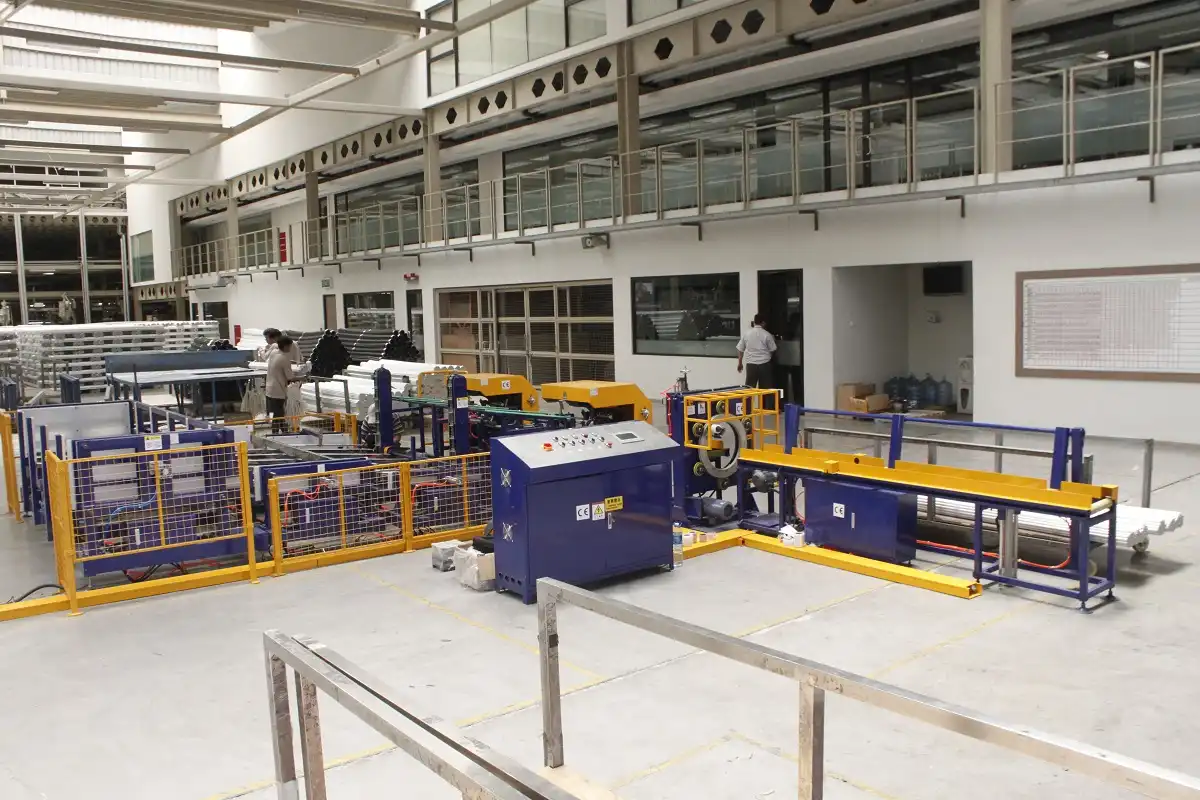
To mitigate the technical expertise gap, focus on empowering on-site personnel with the necessary skills and tools to effectively maintain and troubleshoot pipe bundling machines.
Bridging the Divide: Strategies for Technical Empowerment
Addressing the technical expertise gap in remote industrial locations requires a strategic and multifaceted approach that combines training, technology, and support. This involves not only providing on-site personnel with the necessary skills but also creating a sustainable system for knowledge transfer and ongoing support.
- Comprehensive Training Programs: Develop and implement comprehensive training programs for on-site personnel. These programs should cover all aspects of machine operation, maintenance, and troubleshooting, and be tailored to the specific needs of the equipment and the skill levels of the trainees.
- Remote Expert Support: Leverage technology to provide remote expert support to on-site personnel. This can include video conferencing, augmented reality applications, and remote diagnostics tools.
- Augmented Reality (AR) Assistance: Utilize AR to overlay instructions and diagrams onto the machine, guiding technicians through complex repairs.
- Knowledge Management Systems: Create a centralized knowledge management system that contains all relevant information about the machine, including manuals, troubleshooting guides, and maintenance records. This system should be easily accessible to on-site personnel.
- Mentorship Programs: Establish mentorship programs that pair experienced technicians with less experienced personnel. This allows for the transfer of knowledge and skills through on-the-job training.
- Regular Skill Assessments: Conduct regular skill assessments to identify any gaps in knowledge or skills. This allows for targeted training and development to address specific needs.
- Incentivize Skill Development: Offer incentives for on-site personnel to develop their technical skills. This can include pay increases, promotions, or opportunities for further training.








