
How to Improve Pipe Bundling Machine Efficiency in Low-Cost Operations?
Optimizing pipe bundling machine efficiency is crucial for low-cost operations. This article explores practical strategies to enhance productivity while minimizing expenses in pipe packaging. This benefits manufacturers looking for effective and affordable solutions.
To improve pipe bundling machine efficiency in low-cost operations, focus on preventative maintenance, operator training, material optimization, and process streamlining. These strategies minimize downtime, reduce waste, and enhance throughput, ultimately boosting productivity without significant capital investment.
Ready to streamline your pipe bundling process and cut costs? Let’s explore actionable strategies that will transform your operations and boost your bottom line. Keep reading to discover the keys to unlocking efficiency without breaking the bank.
1. Streamlining the Pipe Loading and Feeding Process
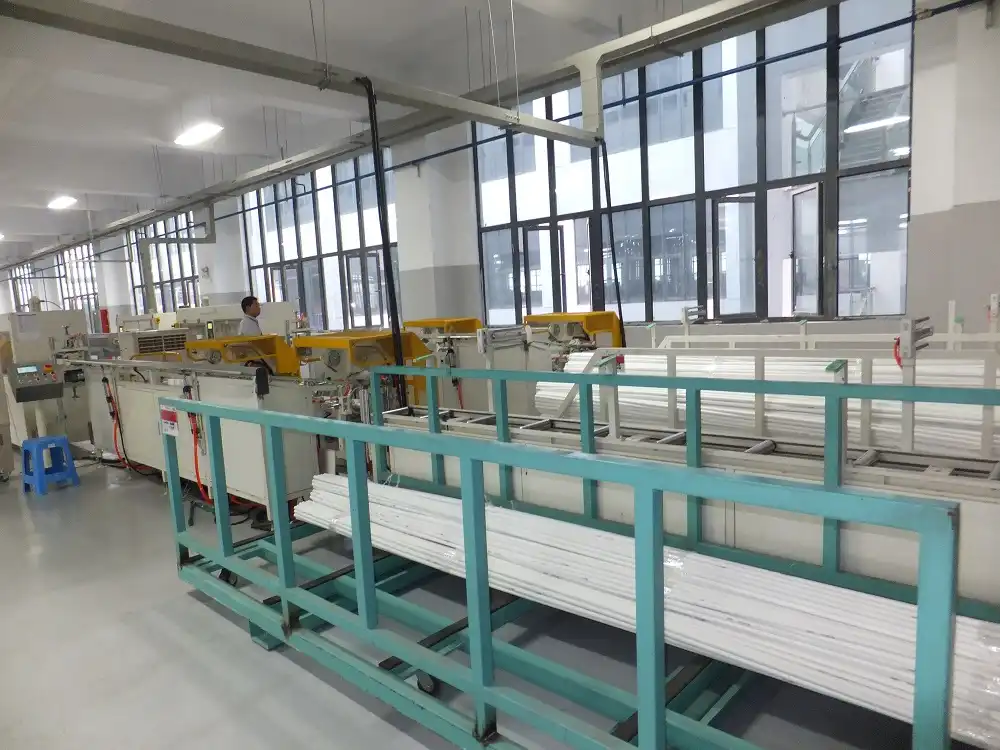
An efficient pipe loading and feeding process is foundational for optimizing overall bundling machine performance. By minimizing downtime and ensuring a consistent material flow, operations can see significant improvements in throughput.
To streamline pipe loading and feeding in low-cost operations, implement gravity-fed systems, optimize pipe alignment, and conduct regular maintenance. These actions ensure smooth, continuous feeding, reducing downtime and manual intervention. This approach maximizes throughput without requiring major financial investment.
Optimizing Pipe Alignment for Seamless Feeding
Ensuring proper pipe alignment is essential for seamless feeding into the bundling machine. Misaligned pipes can cause jams, slow down the process, and require manual intervention.
Implementing Alignment Systems
To minimize misalignment, incorporate mechanical or sensor-based alignment systems into the loading and feeding stages. These systems automatically adjust the pipes’ position, ensuring they are correctly oriented before entering the bundling machine.
Regular Maintenance and Cleaning
Dust, debris, and wear can affect the alignment system’s performance. Therefore, regular cleaning and maintenance are crucial. Check the alignment system frequently and replace worn parts promptly to maintain optimal performance.
Training Operators
Proper training of operators is vital to prevent issues with pipe alignment. Operators should be taught to recognize the signs of misalignment and how to correct them quickly. This proactive approach can significantly reduce downtime and improve overall efficiency.
Evaluating Manual vs. Automated Feeding Systems
Choosing between manual and automated feeding systems depends on the operational scale and available resources. While automation offers higher efficiency, it also requires more capital investment.
Comparison Table
| Feature | Manual Feeding | Automated Feeding |
|---|---|---|
| Cost | Low initial cost | Higher initial cost |
| Efficiency | Lower, depends on operator skill | Higher, consistent performance |
| Labor | High labor requirement | Lower labor requirement |
| Downtime | More frequent due to errors | Less frequent, but more complex repairs |
| Scalability | Limited | Highly scalable |
For low-cost operations, a hybrid approach may be optimal. This involves using manual labor for some tasks while automating others to improve overall efficiency without excessive investment. For example, manually loading pipes into a gravity-fed system can provide a balance between cost and performance.
Automating critical steps, such as pipe alignment and feeding into the [Collection], can yield significant improvements in throughput. Consider which processes will benefit the most from automation and prioritize investment accordingly.
2. Selecting the Right Strapping Material and Tension
Choosing the appropriate strapping material and tension are critical for achieving secure pipe bundles while minimizing material costs and waste. Incorrect choices can lead to unstable bundles, damaged products, and increased operational expenses.
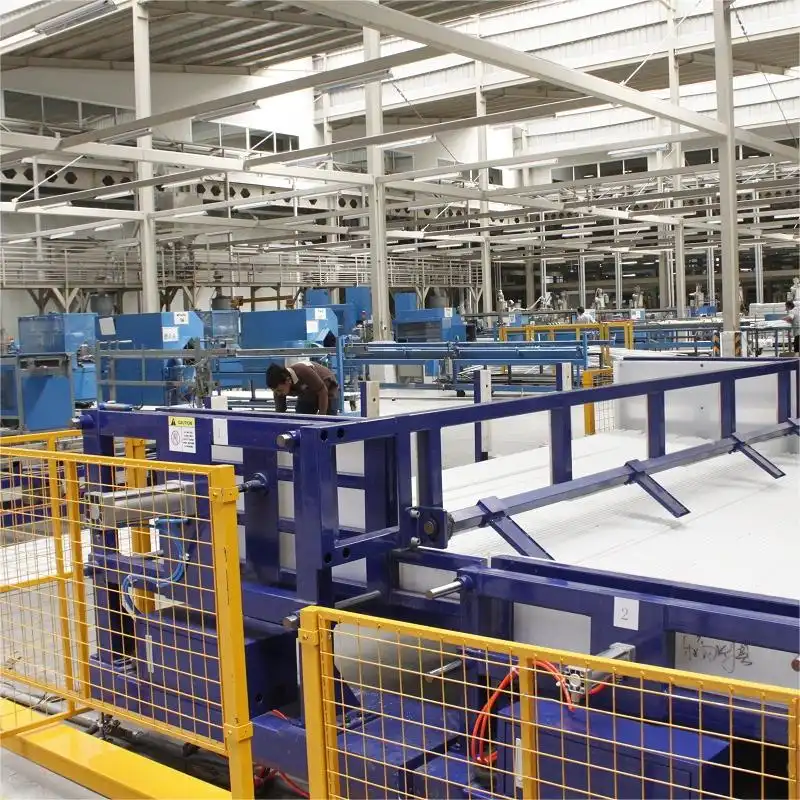
Selecting the right strapping material involves considering factors such as pipe material, bundle weight, and environmental conditions. Adjusting the strapping tension prevents damage and ensures stability. Matching the materials to your specific needs maximizes efficiency and minimizes costs.
Optimizing Strapping Material for Different Pipe Types
Different types of pipes require different strapping materials to ensure secure bundling without causing damage. PVC pipes, for example, may require softer strapping to prevent scratching, while heavier steel pipes need stronger materials to withstand the weight.
Material Selection
Consider the following factors when selecting strapping materials:
-
Tensile Strength: The material must be strong enough to hold the bundle together without breaking.
-
Flexibility: The material should be flexible enough to conform to the shape of the bundle without causing damage.
-
Cost: Balance the cost of the material with its performance characteristics to find the most economical option.
-
Environmental Conditions: Choose materials that can withstand the environmental conditions in which the bundles will be stored and transported.
Tension Adjustment
Adjusting the strapping tension is another critical factor. Too much tension can damage the pipes, while too little can cause the bundle to become unstable. Use tension control mechanisms to ensure the strapping is applied evenly and securely.
Maintenance and Calibration
Proper maintenance and calibration of the strapping machine are crucial for consistent performance. Regularly check and adjust the tension settings to ensure they are accurate and appropriate for the type of pipes being bundled.
3. Implementing Smart Storage and Ejection Systems
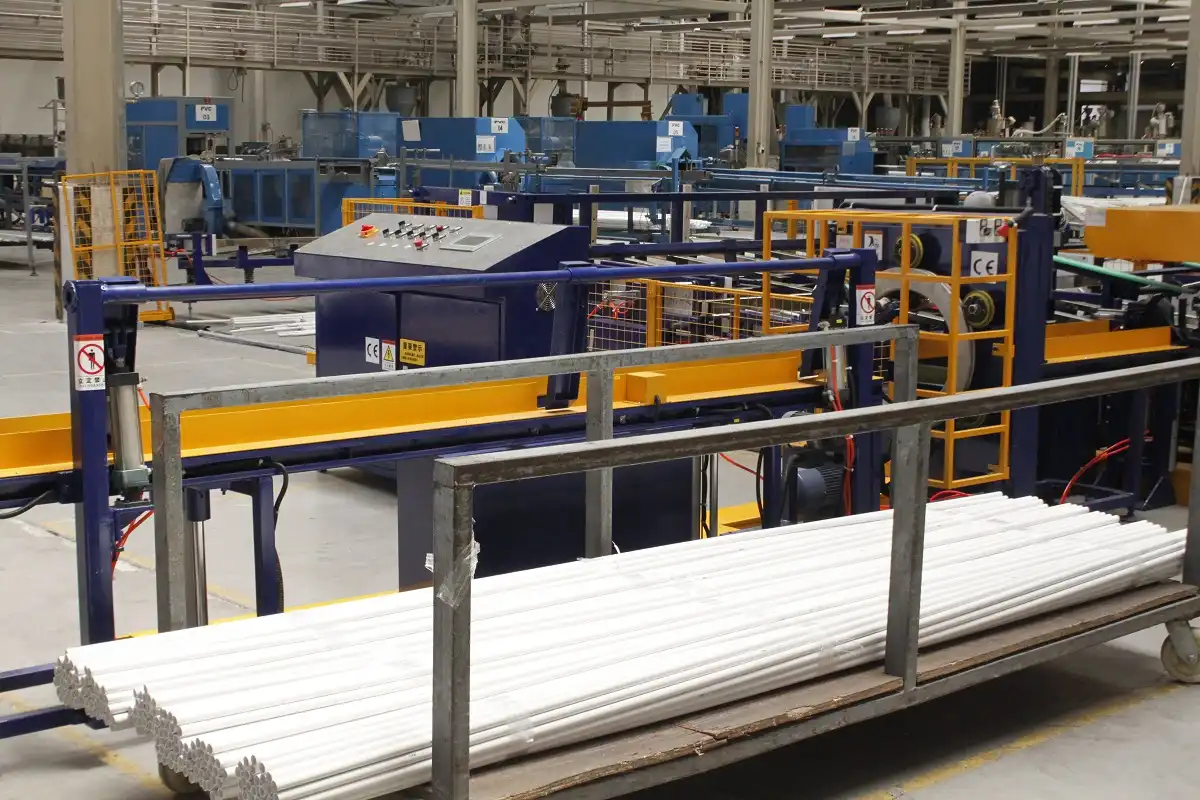
Efficient storage and ejection systems are essential for maintaining a smooth workflow in pipe bundling operations. These systems ensure that bundled pipes are quickly and safely moved from the bundling machine to storage areas, reducing bottlenecks and improving overall throughput.
Smart storage and ejection systems involve automated conveyors, optimized storage layouts, and strategic ejection mechanisms. Implementing these elements allows for swift and safe movement of bundled pipes, reducing delays and maximizing efficiency.
Low-cost operations Types of Storage and Ejection Systems
There are several types of storage and ejection systems, each with its own advantages and disadvantages. The best choice depends on the specific needs and constraints of your operation.
Automated Conveyor Systems
Automated conveyor systems use belts or rollers to move bundled pipes from the bundling machine to the storage area. These systems can be integrated with sensors and controls to optimize the flow of materials and prevent congestion.
Gravity-Fed Systems
Gravity-fed systems use the force of gravity to move bundled pipes to the storage area. These systems are simple and cost-effective but may require more space and careful planning to prevent damage to the pipes.
Robotic Ejection Systems
Robotic ejection systems use robots to remove bundled pipes from the bundling machine and place them in the storage area. These systems are highly flexible and can be programmed to handle different types of pipes and bundling configurations.
Benefits of Smart Storage and Ejection Systems
Implementing smart storage and ejection systems can offer numerous benefits, including:
Benefit Description Increased Throughput By automating the movement of bundled pipes, these systems can significantly increase the speed at which pipes are processed and stored. Reduced Labor Costs Automation reduces the need for manual labor, freeing up workers to focus on other tasks. Improved Safety Automated systems minimize the risk of accidents and injuries associated with manual handling of heavy pipes. Choosing the Right System
When selecting a storage and ejection system, consider factors such as the size and weight of the pipes, the available space, and the budget. A thorough analysis of these factors will help you choose the system that best meets your needs.
4. Integrating Automatic Bagging Machinery
Integrating automatic bagging machinery into pipe bundling operations can provide an additional layer of protection and convenience. Bagging protects the bundled pipes from dust, moisture, and other environmental factors, ensuring they arrive at their destination in good condition.
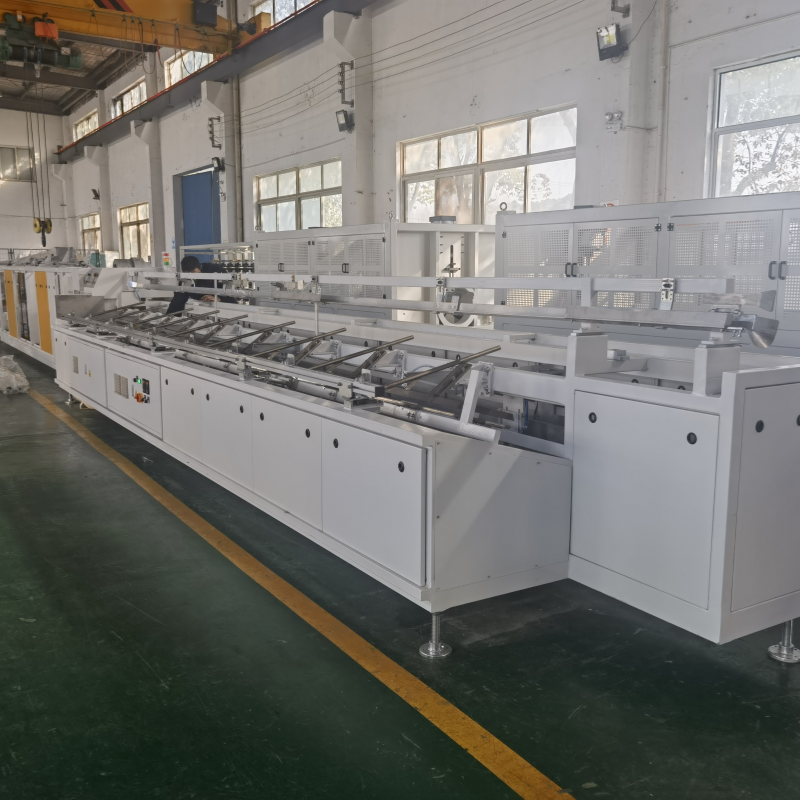
Pipe bundling machine Automatic bagging machinery automates the process of placing bundled pipes into bags, sealing them, and labeling them. This reduces the need for manual labor and increases the speed and efficiency of the packaging process.
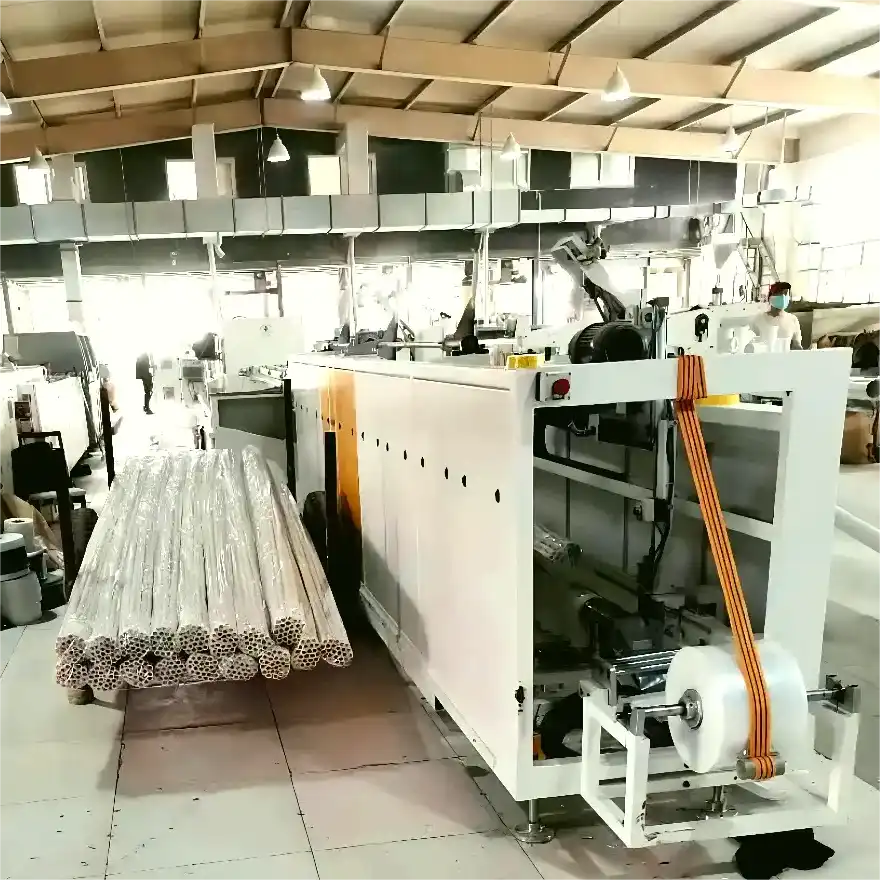
keywords **Automatic bagging enhances pipe protection, reduces labor, and streamlines packaging. Choosing the right system optimizes cost-effectiveness and performance, integrating bagging machinery ensures product integrity and operational efficiency.
Selecting the appropriate bagging machinery is critical for maximizing its benefits. Consider the following factors:
-
Bag Size and Type: Choose machinery that can handle the size and type of bags required for your bundled pipes.
-
Sealing Mechanism: Select a sealing mechanism that provides a secure and reliable seal to protect the pipes from environmental factors.
-
Automation Level: Determine the level of automation needed to meet your production goals while minimizing labor costs.
-
Integration: Ensure the bagging machinery can be seamlessly integrated with your existing bundling and storage systems.
By carefully considering these factors, you can select automatic bagging machinery that enhances the efficiency and effectiveness of your pipe bundling operations.
Conclusion
Improving pipe bundling machine efficiency in low-cost operations requires a multifaceted approach. By streamlining the loading process, optimizing strapping materials, and implementing smart storage and ejection systems, operations can significantly enhance productivity while minimizing expenses. Remember to prioritize regular maintenance, invest in operator training, and continuously seek opportunities for process improvement. Implementing these strategies will allow you to achieve significant gains in efficiency and profitability.








