
What Are the Best Practices for Steel Wire Strapping Machine Operator Training in Multi-Shift Operations?
Steel wire strapping machines are vital in industries requiring secure bundling and packaging. Effective operator training ensures smooth, safe, and efficient [Collection] processes, especially in multi-shift environments. This training minimizes downtime, reduces waste, and maintains consistent quality.

The best practices for steel wire strapping machine operator training in multi-shift operations include standardized training programs, comprehensive safety protocols, machine-specific instruction, continuous assessment, and effective communication. Tailoring these practices to multi-shift dynamics ensures consistent performance and safety across all shifts.
The demands of multi-shift operations necessitate a robust and well-structured training approach. Let’s delve into each facet to understand how to create an effective training regime that promotes safety, efficiency, and operational excellence.
Standardized Training Programs
A standardized training program forms the foundation of effective operator training. This ensures all operators, regardless of their shift, receive consistent and comprehensive instruction.
A standardized training program ensures all steel wire strapping machine operators receive consistent, high-quality instruction, regardless of their shift. This approach promotes uniform operational knowledge, reduces the risk of errors, and maintains consistent safety standards across all shifts.
Developing a standardized curriculum involves several key steps: defining learning objectives, structuring the training content, and selecting appropriate training methods. The program should cover equipment basics, operational safety, maintenance procedures, and troubleshooting techniques.
- Clearly Defined Learning Objectives: What should operators know and be able to do after completing the training?
- Structured Training Content: Organize topics logically, starting with basic principles and progressing to more advanced skills.
- Appropriate Training Methods: Incorporate a mix of theoretical instruction, hands-on practice, and visual aids for maximum retention.
Creating a Comprehensive Training Curriculum
A comprehensive curriculum should cover various aspects of the steel wire strapping machine. It should also offer consistent learning objectives.
| Curriculum Component | Description |
|---|---|
| Equipment Basics | Introduction to machine components, functions, and terminology. |
| Operational Procedures | Step-by-step instructions for operating the machine safely and efficiently. |
| Safety Protocols | Comprehensive guidelines for preventing accidents and injuries. |
| Maintenance Procedures | Routine maintenance tasks, troubleshooting common issues, and basic repairs. |
| Troubleshooting Techniques | Methods for identifying and resolving common malfunctions and errors. |
By standardizing the training program, you guarantee that every operator, irrespective of their work schedule, possesses the essential knowledge and skills to perform their duties competently and safely.

Furthermore, standardization facilitates the assessment of training effectiveness. Regular evaluations and feedback sessions can identify areas for improvement and ensure the program remains current and relevant. This continuous refinement loop is critical for sustaining high standards in steel wire strapping machine operator training.
Comprehensive Safety Protocols
Safety is paramount in any industrial operation, and steel wire strapping is no exception. Comprehensive safety protocols are essential for preventing accidents and injuries.
Comprehensive safety protocols are critical for preventing accidents and injuries in steel wire strapping operations. These protocols include hazard identification, risk assessment, safety training, use of PPE, emergency procedures, and regular safety audits, ensuring a safe working environment for all operators.
Implementing robust safety measures involves several crucial steps: hazard identification, risk assessment, safety training, the use of personal protective equipment (PPE), and emergency procedures.
Key Elements of a Safety Protocol
Each element plays a vital role in ensuring operators understand and adhere to the safety guidelines, fostering a culture of safety throughout the operation.
| Safety Measure | Description |
|---|---|
| Hazard Identification | Identifying potential dangers, such as moving parts, sharp edges, and wire tension. |
| Risk Assessment | Evaluating the likelihood and severity of potential accidents. |
| Safety Training | Providing operators with comprehensive instruction on safe operating procedures. |
| Personal Protective Equipment (PPE) | Ensuring operators wear appropriate PPE, such as safety glasses, gloves, and steel-toe boots. |
| Emergency Procedures | Establishing clear procedures for responding to accidents, malfunctions, or other emergencies. |
| Regular Safety Audits | Conducting frequent audits to verify adherence to safety protocols and identify areas for improvement. |
By implementing these measures, you create a safer and more secure working environment for all operators. Regular safety audits ensure protocols are followed and updated as needed.
Machine-Specific Instruction
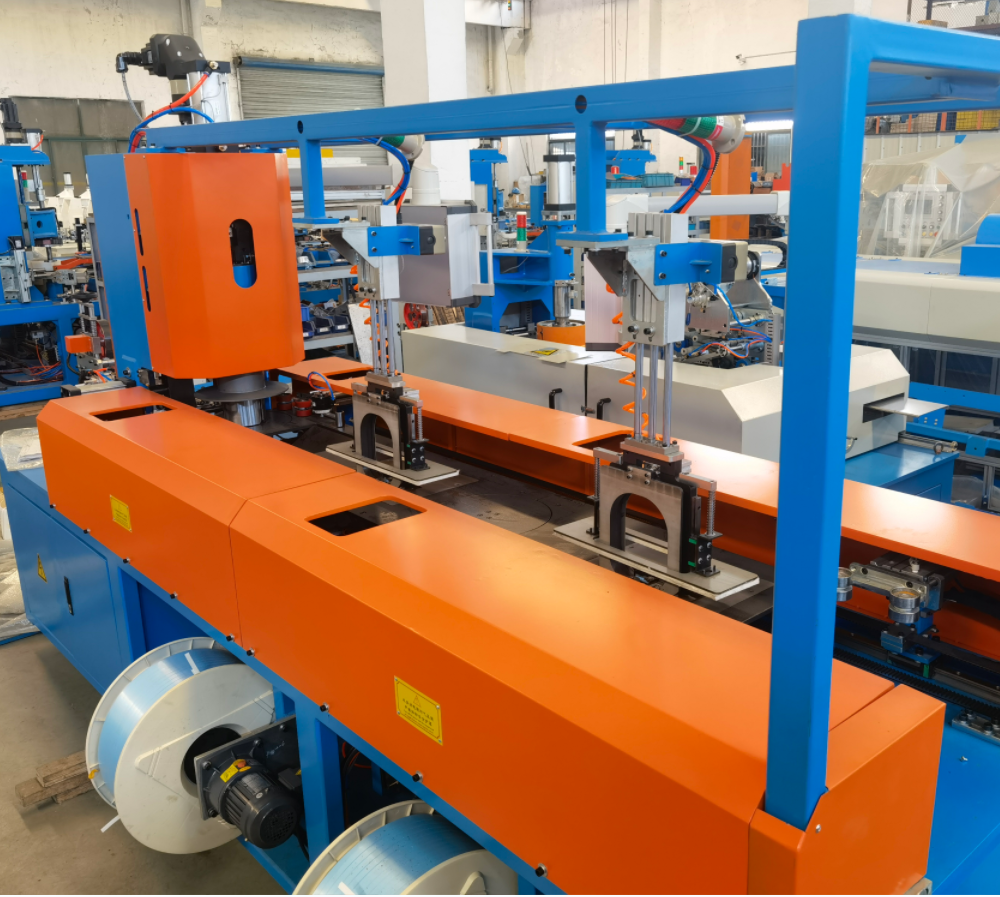
Steel wire strapping machines vary in design and functionality. Machine-specific instruction is crucial to ensure operators are proficient in using the particular equipment they are assigned to.
Machine-specific instruction is essential for operators to become proficient with the unique features and operational nuances of their assigned steel wire strapping machines. This instruction includes hands-on training, detailed manuals, and ongoing support to maximize efficiency and minimize errors.
Machine-specific instruction should cover operating controls, maintenance procedures, troubleshooting techniques, and safety features. It should be delivered through a combination of classroom instruction and hands-on practice.
Tailoring Training to Machine Models
Different machines require different handling. Be sure to make accommodations for varied experience levels.
| Machine Model | Key Features | Specific Training Focus |
|---|---|---|
| Model A | High-speed operation, automated tension control. | Calibrating tension settings, managing high-speed processes, and responding to automation errors. |
| Model B | Manual tension adjustment, heavy-duty wire capacity. | Manual tension adjustments, handling heavy wire spools, and performing maintenance on heavy-duty components. |
| Model C | Compact design, portable, for low-volume strapping. | Operating in confined spaces, performing quick maintenance checks, and ensuring portability safety. |
Regular refreshers and updates can help all operators adjust to newer models in addition to staying on top of older model maintenance.
Continuous Assessment
Training isn’t a one-time event; it’s an ongoing process. Continuous assessment is essential for monitoring operator performance and identifying areas for improvement.
Continuous assessment is crucial for maintaining operator proficiency and identifying areas for improvement in steel wire strapping operations. This involves regular performance evaluations, feedback sessions, and refresher training to ensure consistent adherence to safety and operational standards.
Continuous assessment provides valuable insights into training effectiveness and operator competence. Regular performance reviews and hands-on evaluations can reveal skill gaps and areas needing additional focus.
Methods for Effective Assessment
Performance reviews, hands-on evaluations, and feedback sessions can all improve training.
| Assessment Method | Description |
|---|---|
| Performance Reviews | Scheduled evaluations to review operator performance against established standards. |
| Hands-On Evaluations | Practical assessments to observe operator skills in real-time scenarios. |
| Feedback Sessions | Regular discussions to provide operators with constructive feedback on their performance. |
By incorporating continuous assessment, you maintain a feedback loop that supports ongoing improvement. This allows for quick adjustments and ensures operators continue performing at their best.

Effective Communication
In multi-shift operations, effective communication is crucial for maintaining consistency and coordination. Information gaps can lead to errors, inefficiencies, and safety hazards.
Effective communication is vital in multi-shift operations to maintain consistency and coordination. Regular briefings, standardized reporting, and accessible communication channels ensure that all operators are informed about critical updates, safety alerts, and operational changes, regardless of their shift.
Clear communication ensures everyone is on the same page. This includes formal briefings, standardized reporting, and readily accessible communication channels.
Strategies for Improving Communication
Formal briefings, standardized reporting, and open communication channels can all improve output.
| Communication Method | Description |
|---|---|
| Formal Briefings | Shift-change meetings to review key information, updates, and safety alerts. |
| Standardized Reporting | Consistent reporting procedures for documenting incidents, malfunctions, and operational changes. |
| Accessible Communication Channels | Easily accessible channels, such as email, messaging apps, or bulletin boards, for sharing information and answering questions. |
These measures promote transparency, collaboration, and a shared understanding of operational requirements. Good communication is essential for keeping teams aligned and avoiding misunderstandings that can affect performance and safety.
%[Steel wire strapping machine operator training]( “Steel wire strapping machine operator training”)
Training steel wire strapping machine operators in multi-shift operations is an ongoing investment. The quality of your training program has impacts on consistency and safety.
What factors should be considered when evaluating steel wire strapping machine operator training program in multi-shift operations? Measuring training effectiveness involves analyzing key metrics, evaluating operator performance, and gathering feedback.
Effectively evaluating operational safety training can lead to a safer, more efficient, and reliable strapping process. It also provides measurable benefits and improvements that contribute to overall operational excellence.
Analyzing Key Performance Indicators (KPIs)
Measuring training success involves using KPIs such as efficiency, error rates, and safety incidents.
| KPI | Description | Target Improvement |
|---|---|---|
| Efficiency | Strapping speed, wire usage, and uptime. | Increase output by 15% through optimized processes. |
| Error Rates | Frequency of misstrapping, wire breaks, and equipment malfunctions. | Reduce errors by 20% through comprehensive training. |
| Safety Incidents | Number of accidents, near misses, and injuries. | Decrease incidents by 25% through enhanced safety protocols. |
| Adherence to Procedures | Compliance with safety, maintenance, and operational standards. | Ensure 95% compliance via structured training and reinforcement. |
Regularly monitoring these metrics allows for data-driven decisions and continuous improvements to your training program.
Conclusion
Implementing these best practices in steel wire strapping machine operator training is crucial. These methods ensure safety, efficiency, and continuous improvements. This structured approach improves the knowledge and skills needed for multi-shift operations. This helps improve workplace safety and productivity.








