
How to Enhance Steel Wire Rewinding Machine Security in Unattended Operations?
Steel wire rewinding machines boost productivity but pose risks, especially when left unattended. Prioritizing safety is crucial to prevent accidents and ensure seamless operations. By implementing safety measures, facilities can harness the full potential of these machines.

Enhancing steel wire rewinding machine security in unattended operations requires a multifaceted approach. Key strategies include comprehensive risk assessments, implementing advanced safety devices, ensuring regular maintenance checks, providing thorough operator training, and establishing robust emergency protocols. These steps minimize potential hazards and ensure safe, efficient operation.
Unattended operation of steel wire rewinding machines presents unique challenges. Let’s delve into critical strategies for enhancing security and mitigating risks in these automated environments.
1. Conducting Thorough Risk Assessments
A comprehensive risk assessment is the cornerstone of ensuring Steel wire rewinding machine security, especially in unattended operations. It involves identifying potential hazards, evaluating their severity, and implementing control measures to mitigate those risks.
What are the key components of a risk assessment for unattended steel wire rewinding machines? A robust risk assessment includes hazard identification, risk evaluation, control measure implementation, and regular review.

To conduct a thorough risk assessment, consider both mechanical and electrical hazards. Evaluate potential issues like entanglement, crushing, and electrical malfunctions. Once identified, prioritize these risks based on the likelihood and severity of potential incidents. This focused approach allows you to allocate resources effectively and implement appropriate safety measures. Now we will introduce the approach in detail.
Understanding Hazard Identification
Hazard identification involves systematically recognizing potential dangers associated with the steel wire rewinding machine. These hazards can be mechanical, electrical, or environmental.
Mechanical Hazards
Mechanical hazards often involve moving parts that can cause injury through entanglement, crushing, or cutting. Here are some examples:
- Rotating Spindles: These can catch clothing or limbs if not properly guarded.
- Pinch Points: Areas where parts move together, creating a risk of crushing.
- Moving Wire: The wire itself poses a risk of cuts and abrasions if not handled carefully.
Electrical Hazards
Electrical hazards can result in shocks or fires. These include:
- Exposed Wiring: Damaged or improperly insulated wires can create shock hazards.
- Overloads: Overloading circuits can lead to overheating and potential fires.
- Grounding Issues: Improper grounding can cause electrical faults and shocks.
Environmental Hazards
Environmental hazards can arise from the machine’s operating environment:
- Trip Hazards: Obstacles around the machine can cause falls.
- Poor Lighting: Inadequate lighting can increase the risk of accidents.
- Temperature Extremes: Overheating or extremely cold conditions can affect the machine’s performance and safety.
Evaluating Risk Severity
After identifying hazards, the next step is to evaluate the severity of potential incidents. This involves assessing the potential consequences of each hazard and determining the likelihood of it occurring.
Severity Assessment
Severity assessment categorizes the potential harm resulting from each hazard. Common categories include:
- Minor: Minor injuries requiring first aid.
- Moderate: Injuries requiring medical treatment.
- Serious: Severe injuries leading to hospitalization.
- Critical: Life-threatening injuries or fatalities.
Likelihood Assessment
Likelihood assessment estimates the probability of a hazard occurring. Categories include:
- Rare: Unlikely to occur.
- Unlikely: Could occur, but not expected.
- Possible: Might occur occasionally.
- Likely: Expected to occur.
- Highly Likely: Almost certain to occur.
Implementing Control Measures
Once risks are evaluated, the next step involves implementing control measures to mitigate or eliminate those risks. Control measures should follow the hierarchy of controls, starting with the most effective and moving to less effective options if necessary.
Hierarchy of Controls
The hierarchy of controls prioritizes risk mitigation strategies:
- Elimination: Removing the hazard entirely.
- Substitution: Replacing the hazard with a safer alternative.
- Engineering Controls: Implementing physical barriers or safety devices.
- Administrative Controls: Establishing procedures and training to reduce risk.
- Personal Protective Equipment (PPE): Providing equipment like gloves, safety glasses, and hearing protection.
Practical Examples
Here are some practical examples of control measures for steel wire rewinding machines:
| Hazard | Control Measure |
|---|---|
| Rotating Spindles | Install fixed guards or interlocked barriers. |
| Pinch Points | Implement safety light curtains or pressure-sensitive mats. |
| Exposed Wiring | Ensure proper insulation and regular inspections by qualified electricians. |
| Trip Hazards | Keep the area around the machine clear and well-organized. |
| Poor Lighting | Install adequate lighting to ensure good visibility. |
| Overloads | Implement power monitoring systems and surge protection. |
2. Integrating Advanced Safety Devices
Integrating advanced safety devices significantly enhances the risk management of steel wire rewinding machines during unattended operations. These devices are designed to detect and prevent potential hazards, ensuring continuous safe operation.
Which advanced safety devices are most effective for unattended steel wire rewinding machines? Safety light curtains, laser scanners, emergency stop systems, and automated shutdown mechanisms are all effective in enhancing safety.

These safety measures, including emergency stop systems and automated shutdown mechanisms, play a critical role in maintaining a secure environment. Let’s explore the different types of safety devices and how they contribute to a safer operational setting.
Safety Light Curtains
Safety light curtains create a barrier of light beams that, when interrupted, immediately stop the machine. They are ideal for protecting operators from pinch points and other hazardous areas.
Benefits of Light Curtains
- Instantaneous Response: Immediate shutdown upon interruption.
- Easy Installation: Can be quickly installed and integrated into existing systems.
- Versatile Application: Suitable for various machine configurations and sizes.
Laser Scanners
Laser scanners monitor a defined area around the machine and trigger a stop if an object or person enters the zone. They provide a flexible and customizable safety solution.
Advantages of Laser Scanners
- Adjustable Zones: Customizable monitoring areas to fit specific needs.
- Early Detection: Can detect hazards before they reach critical points.
- Non-Intrusive: Does not require physical contact or barriers.
Emergency Stop Systems
Emergency stop systems allow anyone in the vicinity to quickly halt the machine in case of an emergency. These systems should be easily accessible and clearly marked.
Key Features of E-Stop Systems
- Readily Accessible: Located in multiple, easily reachable locations.
- Clearly Marked: Distinctly labeled with a red mushroom-shaped button.
- Reliable Functionality: Designed for immediate and dependable shutdown.
Automated Shutdown Mechanisms
Automated shutdown mechanisms use sensors and programmable logic controllers (PLCs) to monitor machine parameters and automatically stop the machine if anomalies are detected.
Components of Automated Shutdown
- Sensors: Detect deviations in temperature, pressure, or vibration.
- PLCs: Process sensor data and trigger shutdown sequences.
- Feedback Loops: Ensure the system responds correctly to detected issues.
Data Table Comparing Safety Device Effectiveness
| Safety Device | Protection Area | Response Time | Customization | Maintenance |
|---|---|---|---|---|
| Safety Light Curtains | Pinch Points, Entry Zones | Instantaneous | Limited | Regular Cleaning |
| Laser Scanners | Defined Area | Fast | High | Periodic Testing |
| Emergency Stop | Entire Machine | Immediate | None | Regular Checks |
| Automated Shutdown | Machine Parameters | Variable | High | Sensor Calibration |
3. Implementing Regular Maintenance Checks
Regular maintenance checks are essential for ensuring the continued safety and reliability of steel wire rewinding machines, especially during unattended operations. Proactive maintenance can prevent unexpected failures and reduce the risk of accidents.
Why are regular maintenance checks crucial for unattended steel wire rewinding machines? They ensure all components are functioning correctly, prevent unexpected failures, and identify potential hazards before they lead to accidents.

These checks should include inspections of mechanical, electrical, and safety components, addressing wear and tear, lubrication, and calibration. Here’s how to approach a comprehensive maintenance plan.
Mechanical Component Inspections
Regular inspection of mechanical components helps identify wear, damage, or misalignment that could lead to malfunctions.
Key Mechanical Checks
- Visual Inspection: Check for cracks, deformations, or excessive wear on gears, belts, and pulleys.
- Lubrication: Ensure all moving parts are properly lubricated to reduce friction and prevent overheating.
- Alignment: Verify that shafts, rollers, and spindles are correctly aligned to prevent uneven wear and stress.
- Fasteners: Tighten any loose bolts, screws, or other fasteners to prevent parts from coming loose during operation.
Electrical System Inspections
Regular inspection of the electrical system is crucial for preventing shocks, fires, and other electrical hazards.
Key Electrical Checks
- Wiring: Inspect all wiring for damage, fraying, or loose connections.
- Insulation: Verify that all wires are properly insulated to prevent shorts and shocks.
- Grounding: Ensure that the machine is properly grounded to prevent electrical faults.
- Overload Protection: Check that circuit breakers and fuses are correctly sized and functioning properly.
Safety Component Inspections
Regular inspection of safety components ensures they are functioning correctly and can effectively prevent accidents.
Key Safety Checks
- Guards and Barriers: Verify that all guards and barriers are in place and securely fastened.
- Light Curtains and Laser Scanners: Test the functionality of light curtains and laser scanners to ensure they trigger a stop when interrupted.
- Emergency Stop Buttons: Check that emergency stop buttons are easily accessible and functioning properly.
- Automated Shutdown Mechanisms: Test the automated shutdown mechanisms to ensure they respond correctly to detected anomalies.
Maintenance Schedule Example
| Component | Inspection Frequency | Check Items | Corrective Action |
|---|---|---|---|
| Mechanical Parts | Weekly | Wear, alignment, lubrication, fasteners | Adjust alignment, lubricate parts, tighten fasteners |
| Electrical System | Monthly | Wiring, insulation, grounding, overload protection | Repair or replace damaged wiring, ensure proper grounding |
| Safety Components | Weekly | Guards, light curtains, E-stops, automated shutdown | Repair or replace damaged components, test functionality |
| Sensors | Quarterly | Calibration, functionality | Recalibrate/Replace Sensors, test the functionality |
4. Training and Emergency Protocols
Ensuring unattended operations are safe requires well-trained personnel who understand both normal operation and emergency procedures. In addition to training, it is also important to have clearly defined emergency protocols to handle any unexpected situations effectively.
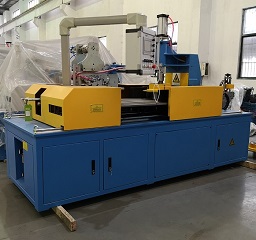
This multi-faceted approach covers everything from routine machine operation to crisis management, ensuring a safe operational environment.
What should be included in training for unattended machine operation? Comprehensive training should cover machine operation, safety device functionality, emergency procedures, and troubleshooting common issues.
The following will be addressed to ensure all staff are adequately prepared.
Comprehensive Training Modules
Training should be thorough and cover all aspects of machine operation and safety.
- Machine Operation:
- Detailed instructions on starting, running, and stopping the machine.
- Explanation of all controls and their functions.
- Guidance on loading and unloading materials safely.
- Safety Device Functionality:
- Demonstrations of how safety light curtains, laser scanners, and emergency stop buttons work.
- Instructions on testing and verifying the functionality of these devices.
- Information on what to do if a safety device malfunctions.
- Emergency Procedures:
- Step-by-step instructions on how to respond to common emergencies, such as jams, breakdowns, or fires.
- Information on evacuation procedures and assembly points.
- Training on using fire extinguishers and other emergency equipment.
- Troubleshooting:
- Guidance on identifying and resolving common issues, such as wire breaks or material misfeeds.
- Instructions on how to safely clear jams and restart the machine.
- Information on when to escalate issues to maintenance personnel.
Regular Drills and Refresher Courses
Regular drills and refresher courses help reinforce training and ensure that personnel stay up-to-date on the latest procedures and best practices.
- Emergency Drills: Conduct regular drills to simulate common emergencies and test the effectiveness of response procedures.
- Refresher Courses: Offer periodic refresher courses to review key concepts and provide updates on new procedures or equipment.
Developing Clear Emergency Protocols
In addition to training, it’s essential to develop clear emergency protocols that outline the steps to take in various emergency situations. These protocols should be written down and readily available to all personnel.
- Emergency Contact List: A list of key personnel to contact in case of an emergency, including names, phone numbers, and roles.
- Shutdown Procedures: Step-by-step instructions on how to safely shut down the machine in an emergency.
- Evacuation Plan: A map showing evacuation routes and assembly points, as well as instructions on how to assist disabled personnel.
- First Aid Procedures: Basic first aid instructions for treating common injuries, such as cuts, burns, or electrical shocks.
- Incident Reporting: Instructions on how to report incidents and near-misses, including what information to include and who to contact.
Conclusion
Enhancing steel wire rewinding machine security in unattended operations involves a comprehensive strategy incorporating risk assessments, advanced safety devices, regular maintenance, and thorough training. Implementing these measures ensures a safer working environment, minimizes potential hazards, and optimizes operational efficiency.Prioritizing safety not only protects personnel and equipment but also contributes to the long-term success and sustainability of the business. By investing in these strategies, companies can confidently leverage the benefits of automation while maintaining a strong commitment to safety.








