
How to Enhance Steel Wire Coiling Machine Performance with Advanced Robotics?
In today’s competitive landscape, maximizing the performance optimization of steel wire coiling machines is essential. Advanced robotics offers unparalleled opportunities to streamline processes, enhance precision, and reduce operational costs. Embracing these technologies is critical for staying ahead.

Advanced robotics significantly enhances steel wire coiling machine performance by automating repetitive tasks, improving coiling precision, and reducing material waste. These systems provide increased efficiency, enhanced safety, and consistent product quality, leading to lower operational costs and higher productivity.
Ready to revolutionize your steel wire coiling process? Dive in and discover how integrating advanced robotics can transform your operations and secure a competitive edge.
1: Understanding the Fundamentals of Steel Wire Coiling Machine Performance
Steel wire coiling machines are essential for efficiently winding wire into coils for storage and transport. Their performance is critical to maintaining productivity and meeting quality standards. Understanding the key factors influencing their effectiveness is the first step toward optimization.
The performance of steel wire coiling machines hinges on several factors, including coiling speed, tension control, coil uniformity, and downtime. Improving these areas requires a comprehensive approach that addresses mechanical inefficiencies, control system limitations, and material handling challenges. Advanced robotics offers solutions for each of these areas.

Optimizing Performance Through a Multifaceted Approach
To truly enhance the performance of steel wire coiling machines, a multifaceted approach is necessary. This involves not only upgrading the machinery itself but also considering the broader context of the production line and the specific requirements of the materials being processed. Let’s explore some key areas that demand attention:
The Challenge of Variable Wire Diameter
One of the primary challenges in steel wire coiling is the variability in wire diameter. Even slight deviations can lead to inconsistencies in coil tension and winding uniformity. Traditional machines often struggle to compensate for these variations, resulting in imperfect coils and increased waste.
Meeting Demands for Higher Tensile Strength Steel Wire
The increasing use of high-tensile strength steel wire presents another significant hurdle. These materials require greater precision and control during the coiling process to prevent breakage or deformation. Traditional machines may lack the necessary capabilities to handle these demanding materials effectively.
Critical Evaluation of Automation
While automating the coiling process can dramatically increase efficiency, it’s critical to carefully evaluate the suitability of automation for different production scenarios.Steel wire coiling machine robotics is automation of the process. Not all processes benefit equally from automation; some may require more manual intervention to maintain quality.
To address these challenges effectively, manufacturers must consider a range of factors and implement solutions tailored to their specific needs. Here’s how a structured approach can help:
Evaluate Current Machine Performance
Assess coiling speed, tension control, coil uniformity, and downtime to identify weaknesses.
Upgrade Obsolete Parts
Retrofit outdated components with new technology to improve capabilities.
Integrate Feedback Loops
Employ advanced control system algorithms to provide active control of the machine
Tailor Solutions to Specific Materials
Customize the solution to meet material needs.
Use Real-time adjustments
Fine-tune solutions during the process to maximize output.
Implement Robust Security
Install safety components with the machine.
Below is a table summarizing the impact of a careful assessment on machine performance:
| Feature | Current Performance (Traditional Machine) | Enhanced Performance (Modernized Machine) |
|---|---|---|
| Coiling Speed | 100 RPM | 150 RPM |
| Tension Control | +/- 5% | +/- 1% |
| Coil Uniformity | 80% | 98% |
| Downtime | 2 hours/week | 0.5 hours/week |
2: Integrating Advanced Robotics for Enhanced Precision
Integrating advanced robotics offers a transformative approach to enhancing the precision of steel wire coiling machines. These systems leverage robotic arms and vision systems to automate and optimize the coiling process. They can handle delicate materials without damaging them.
Advanced robotics enhances the precision of steel wire coiling by automating wire feeding, layering, and tension control. Robots equipped with sensors and AI algorithms can adapt to variations in wire properties, ensuring consistent coil quality. This leads to reduced material waste and improved product reliability.
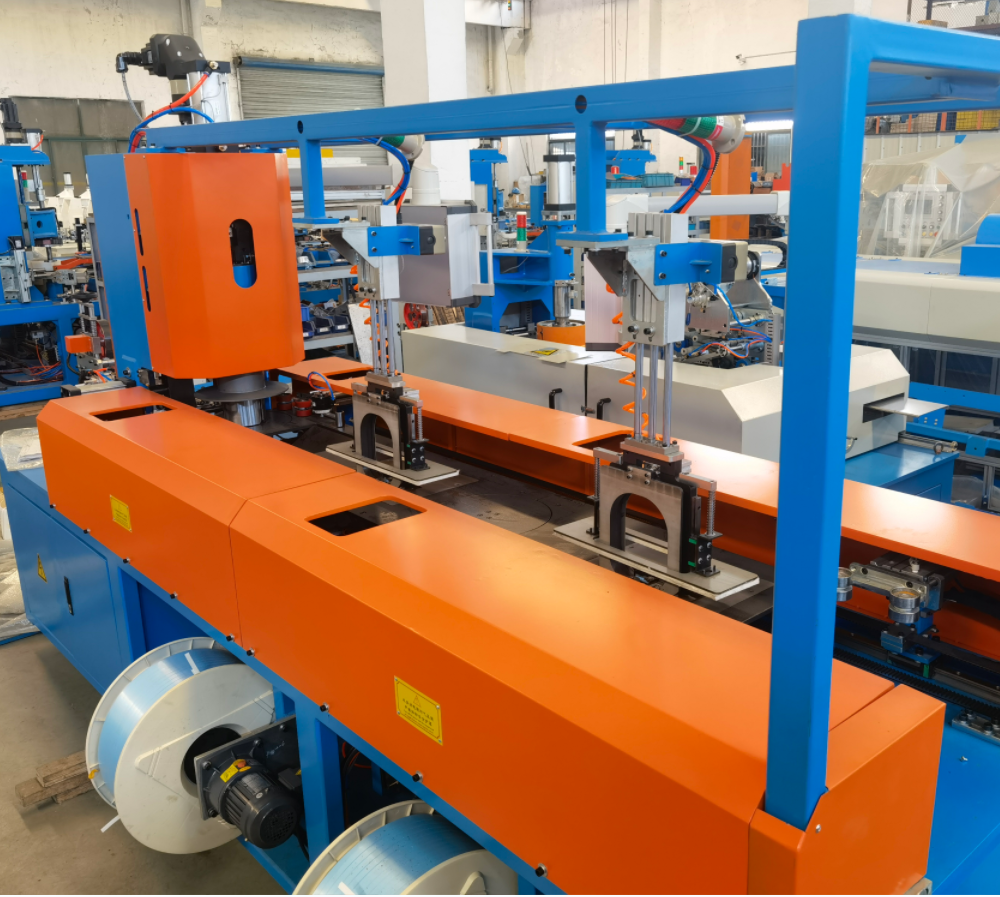
Precision Control and Adaptability in Robotic Coiling Systems
Robotic coiling systems are rapidly becoming the standard for modern steel wire manufacturing, offering unparalleled control and adaptability. The ability to precisely manage wire tension, layering, and placement significantly reduces errors and optimizes the final product. Let’s delve deeper into the specific technological details that make these systems so effective.
High-Resolution Vision Systems
Vision systems are the eyes of the robotic coiling system, providing real-time feedback on wire position, alignment, and potential defects. These systems use high-resolution cameras and sophisticated image processing algorithms to:
- Detect Wire Position: Pinpoint the exact location of the wire to ensure precise placement during coiling.
- Identify Misalignments: Detect even slight misalignments that could lead to uneven coils or tangles.
- Assess Surface Quality: Evaluate the surface of the wire for scratches, blemishes, or other imperfections that might compromise its integrity.
By integrating high-resolution vision systems, robotic coiling machines can automatically adjust their operations to maintain consistent quality, even with variations in material or environmental conditions.
Force Feedback Mechanisms
Force feedback mechanisms add a sense of touch to robotic coiling, allowing the system to respond dynamically to the physical characteristics of the wire. These mechanisms use sensors to measure the tension, pressure, and resistance encountered during coiling.
-
Precise Tension Control: Tension can be controlled at a very high-level of accuracy and adjusted according to needs during the process.
-
Preventing Breakage: Robots sense when tension is too high and adjust force application, preventing breakage.
-
Maintaining Consistent Layers: Force feedback ensures each wire layer is placed evenly, preventing uneven coils.
Dynamic Path Planning
Dynamic path planning algorithms enable robotic coiling systems to adapt to changing conditions in real time. These algorithms analyze data from vision systems and force feedback mechanisms to optimize the robot’s movements.
-
Adaptive Coiling Patterns: Path planning adapts coiling patterns for unique materials and configurations.
-
Collision Avoidance: The robot navigates safely within the coiling machine, reducing downtime.
-
Optimized Motion: Pathing ensures efficient robot movement to minimize cycle times.
Integration with AI for Predictive Adjustments
By integrating AI with robotics, predictive adjustments can be made to ensure optimal machine performance. The AI can monitor all the parameters within the machine to provide feedback regarding changes needed.
-
Machine Learning: The more cycles the machine completes, the more it “learns” and can provide feedback.
-
Continuous Improvement: AI ensures constant improvement in the process.
-
Improved Maintenance: AI allows for data-driven predictive maintenance scheduling.
3: Optimizing Tension Control for Superior Coil Quality
Maintaining optimal tension is crucial for achieving superior coil quality in steel wire coiling. Inconsistent tension can lead to loose windings, uneven layers, and ultimately, a compromised final product. Advanced robotics provides the tools necessary to achieve precise and consistent tension control.
Advanced robotics optimizes tension control by using closed-loop feedback systems and real-time adjustments. Sensors monitor tension levels throughout the coiling process, and robotic arms make instant corrections to maintain consistent pressure. This reduces defects and improves coil uniformity.

Deep Dive into Tension Control Techniques
To fully leverage the capabilities of robotic tension control, a deep understanding of the underlying techniques is required. This involves not only mastering the technology but also understanding how to integrate it effectively into the broader production process. Here are some key aspects to consider:
Closed-Loop Feedback Systems
Closed-loop feedback systems are the heart of robotic tension control, providing continuous monitoring and adjustment to maintain desired tension levels. These systems typically consist of the following components:
- Tension Sensors: Sensors measure the tension of the wire as it is being coiled.
- Controllers: These modules compare the actual tension to the desired setpoint and calculate the necessary corrections.
- Actuators: These are responsible for adjusting the tension, commonly through mechanisms like brakes, clutches, or servo motors.
| Component | Function | Benefit |
|---|---|---|
| Tension Sensors | Measures wire tension in real time | Provides accurate feedback for control adjustments |
| Controllers | Compares actual tension with the setpoint | Determines corrective actions |
| Actuators | Adjusts tension levels based on controller instructions | Implements corrections quickly and precisely to maintain desired tension |
Real-Time Adjustment Algorithms
The effectiveness of a closed-loop feedback system depends heavily on the algorithms used to process sensor data and generate control signals. Real-time adjustment algorithms analyze tension readings, predict potential deviations, and adjust actuator settings to maintain consistent tension levels. Here are some key considerations in developing these algorithms:
- Adaptive Tuning: Automatically adjust control parameters based on material properties and machine dynamics.
- Predictive Control: Anticipate tension variations based on historical data and adjust actuator settings proactively.
- Disturbance Rejection: Minimize the impact of external disturbances, such as vibrations or material inconsistencies.
Balancing Speed and Precision
One of the significant challenges in tension control is balancing the need for high-speed coiling with the requirement for precise tension management. Achieving this balance requires careful selection and tuning of the control system components.
- High-Bandwidth Sensors: Choose sensors with fast response times to capture rapid tension variations.
- Low-Inertia Actuators: Use actuators with minimal inertia to enable quick and accurate tension adjustments.
- Advanced Control Algorithms: Employ algorithms that can optimize performance across a wide range of operating conditions.
4: Case Studies
The integration of robotic systems is a game-changer, offering advancements in productivity, quality, and safety. These technological transformations are reshaping the landscape.
Answer: -Increased productivity with advanced automation. -High-quality standard due to precision in production. -Increased machine and robotic systems lead to high job safety -Cost saving due to minimum material wastage
Here are some examples of how robotics has created improvements for industrial operations:
- Robotics reduces defects: Uniform tension and speed maintained by robots reduces breakage.
- Precision: Automation and robotic systems ensure precise alignment and coating on materials during production.
- Real time data collection: This data optimizes production schedules and can be managed more accurately.
Conclusion
Enhancing steel wire coiling machine performance with advanced robotics offers significant advantages. These include improved precision, optimized tension control, and increased efficiency. By embracing these technologies, manufacturers can achieve superior coil quality, reduce waste, and gain a competitive edge in the market.








