
1. What Are the Best Practices for Maintaining Plastic Pipe Bagging Equipment?
Maintaining plastic pipe bagging equipment is critical for smooth operations. Regular maintenance ensures efficiency, reduces downtime, and extends the equipment’s lifespan, ultimately optimizing productivity and cost-effectiveness in plastic pipe manufacturing.
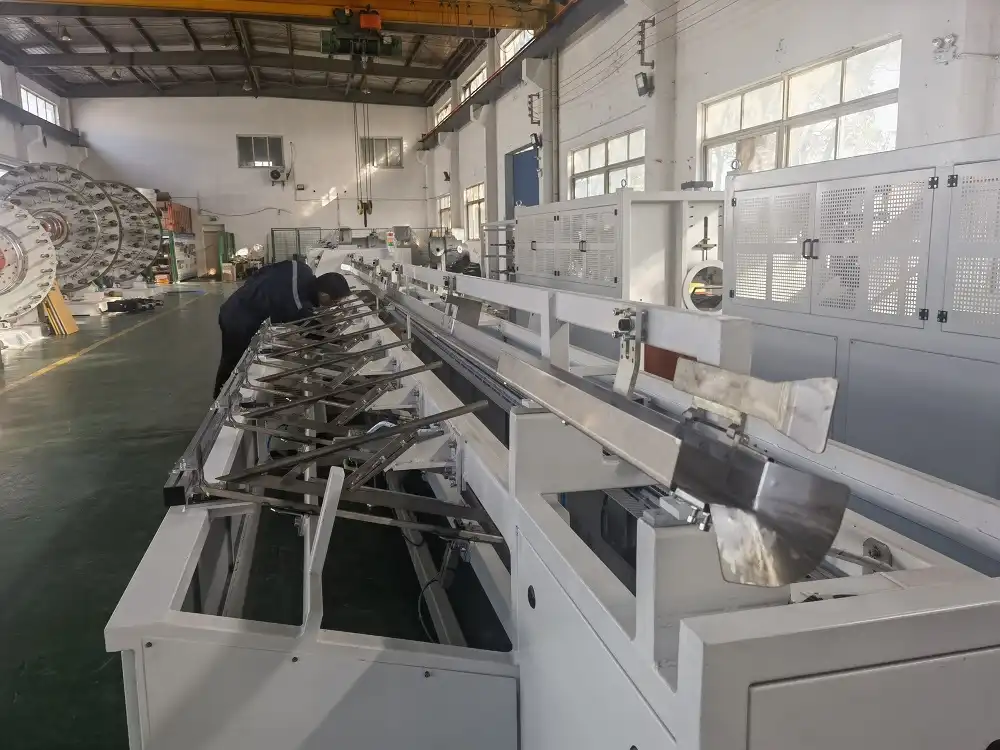
The best practices for maintaining plastic pipe bagging equipment include regular inspections, lubrication, cleaning, and timely parts replacement. Detailed maintenance schedules, operator training, and adherence to safety protocols are crucial for preventing breakdowns and ensuring consistent bagging quality. These practices reduce downtime, extend equipment life, and enhance operational efficiency.
To ensure your bagging equipment operates efficiently, it’s crucial to delve into specific maintenance practices. These will keep your equipment running smoothly and minimize disruptions to your production schedule.
2. Developing a Comprehensive Maintenance Schedule
A well-structured maintenance schedule is the foundation of effective equipment care. It outlines tasks, frequency, and responsibilities, ensuring that every aspect of the bagging machine receives attention.
Developing a maintenance schedule for plastic pipe bagging equipment involves defining daily, weekly, monthly, and annual tasks. These include cleaning, lubrication, inspection of components, and calibration. A clear schedule prevents oversights, ensures consistent maintenance, and maximizes equipment uptime.
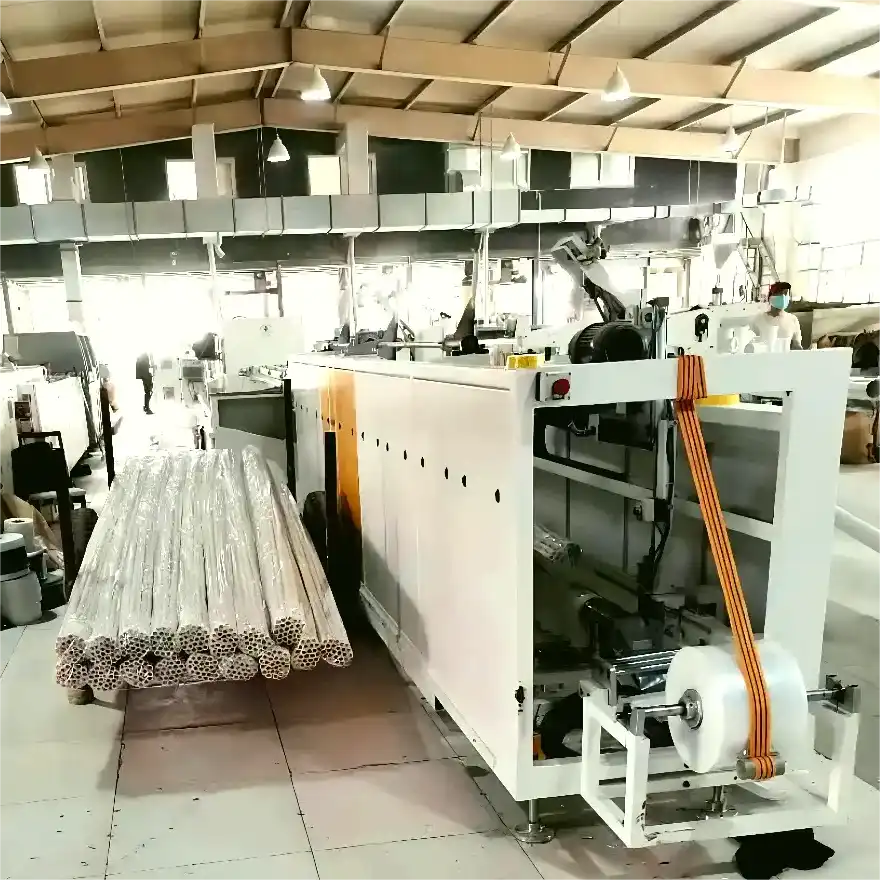
Crafting an Effective Maintenance Schedule
Creating a maintenance schedule involves several steps:
- Identify Critical Components: Determine which parts of the equipment are most prone to wear or failure.
- Define Tasks: Specify the tasks needed for each component, such as cleaning, lubrication, or inspection.
- Set Frequency: Establish how often each task should be performed (daily, weekly, monthly, annually).
- Assign Responsibilities: Clearly assign tasks to specific personnel.
- Document the Schedule: Create a written or digital schedule that is easily accessible.
Essential Elements of a Maintenance Schedule
A comprehensive maintenance schedule incorporates the following elements:
- Daily Checks:
- Visual inspection for any signs of damage or wear
- Cleaning of accessible parts
- Checking for loose connections
- Weekly Tasks:
- Lubrication of moving parts
- Inspection of belts and chains
- Cleaning of sensors and control panels
- Monthly Activities:
- Detailed inspection of all components
- Calibration of sensors and settings
- Checking and tightening fasteners
- Annual Overhaul:
- Complete disassembly and cleaning
- Replacement of worn parts
- Detailed calibration and testing








