
What Are the Challenges of Maintaining PVC Pipe Bagging Machines in Harsh Environments?
Maintaining PVC pipe bagging machines in harsh environments presents unique challenges. These machines face extreme temperatures, dust, moisture, and corrosive substances, all of which can accelerate wear and tear and lead to frequent breakdowns. Overcoming these obstacles requires careful planning and robust maintenance strategies.
The primary challenges of maintaining PVC pipe bagging machines in harsh environments include material degradation, increased wear and tear on components, potential for electrical failures due to moisture and dust, and the need for specialized lubricants and protective measures to combat corrosion and extreme temperatures.
Transitioning from a general understanding of the challenges to specific solutions requires a deeper dive into the critical areas of material selection, maintenance protocols, and operational adjustments. Let’s explore these aspects to ensure your PVC pipe bagging machines operate reliably, even in the most demanding conditions.
Material Selection for Harsh Environments
Selecting the right materials is the cornerstone of ensuring PVC pipe bagging machines withstand harsh environments. Standard components may quickly degrade under extreme conditions, leading to frequent replacements and costly downtime. Choosing durable and resistant materials is vital for long-term reliability.
In harsh environments, PVC pipe bagging machines require components made from corrosion-resistant metals like stainless steel, polymers resistant to chemical degradation, and wiring with robust insulation to prevent moisture and dust ingress. Seals and gaskets should be made of materials that maintain their integrity under extreme temperatures.
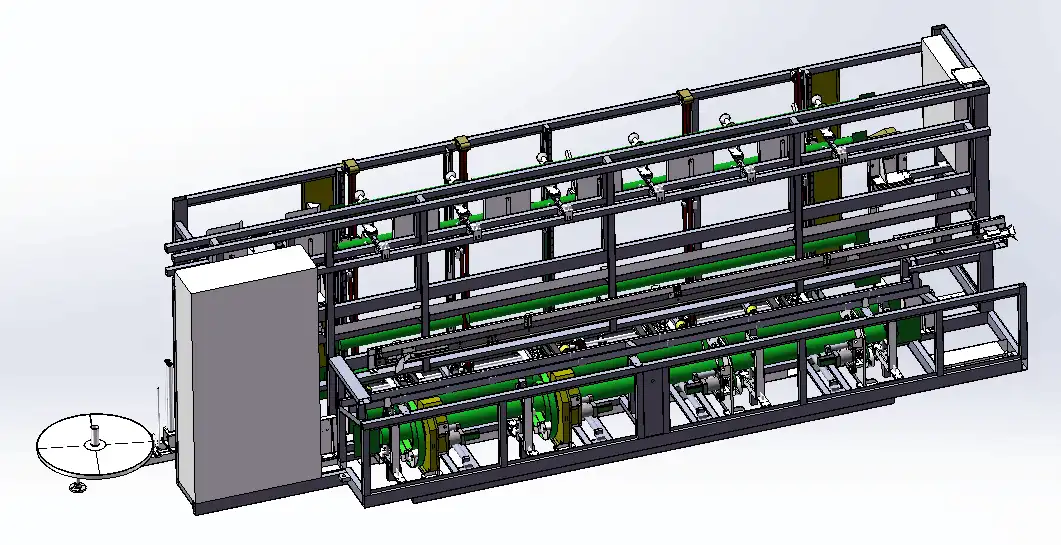
Optimizing Material Choices for Longevity
Selecting the right materials involves carefully considering the specific environmental challenges present. This often means balancing cost with performance to achieve the optimal level of durability. Let’s break down the key aspects and explore material strategies
Impact of Environmental Factors on Material Degradation
| Environmental Factor | Material Impact | Consequence for Bagging Machine |
|---|---|---|
| Extreme Temperatures (High) | Polymers soften, metals lose strength, lubricants degrade | Increased wear, reduced sealing effectiveness, component failure |
| Extreme Temperatures (Low) | Polymers become brittle, metals can fracture | Increased risk of breakage, compromised bag integrity |
| Dust and Abrasives | Increased wear and tear on moving parts | Reduced lifespan of bearings, rollers, and other critical components |
| Moisture and Humidity | Corrosion of metals, electrical shorts | Component failure, unsafe operating conditions |
| Chemical Exposure | Degradation of polymers, corrosion of metals | Reduced lifespan of seals, hoses, and structural elements |
Selecting Specific Materials for Key Components
- Structural Components: Stainless steel offers excellent corrosion resistance in many environments. However, certain chemicals may require more specialized alloys like Hastelloy or titanium. For lighter-duty components, consider fiber-reinforced polymers known for chemical resistance, high-tensile strength, and thermal stability.
- Seals and Gaskets: In high-temperature environments, Viton or silicone seals are preferred. For chemical exposure, consider Teflon or Kalrez. Polyurethane can offer exceptional abrasion resistance. Select food-grade materials for applications where hygiene is paramount.
- Wiring and Electrical Components: Use wiring with XLPE (cross-linked polyethylene) or Teflon insulation for high-temperature resistance. Ensure enclosures are NEMA-rated to protect against dust and moisture. Consider conformal coatings to protect circuit boards from corrosion.
- Bearings and Lubricants: Select sealed bearings to prevent dust and moisture ingress. Use synthetic lubricants designed for the specific temperature range and operating conditions. Molybdenum disulfide-based lubricants are ideal for high-load, high-temperature applications.
- Pneumatic Components: Stainless steel or anodized aluminum cylinders are essential. Use PTFE hoses for resistance to chemicals and extreme temperatures. Ensure air lines are equipped with dryers and filters to remove moisture and contaminants.
Proactive Material Management
- Regular Inspection: Implement a rigorous inspection schedule to identify signs of material degradation early.
- Protective Coatings: Consider applying protective coatings like epoxy or polyurethane to further enhance corrosion resistance.
- Material Testing: Periodically test material samples to assess their condition and predict remaining lifespan.
- Supplier Collaboration: Work closely with material suppliers to understand the latest advancements in material technology and select the best options for your specific application.
Choosing the appropriate materials not only ensures the longevity of your PVC pipe bagging machine but minimizes downtime and operational cost in harsh environments.
Optimizing Machine Adjustments for Challenging Conditions
Beyond material selection, precise machine adjustments are crucial for maintaining optimal performance of PVC pipe bagging machines in harsh environments. Extreme temperatures, dust, and moisture can all affect the machine’s mechanics, requiring specific adjustments to ensure smooth and reliable operation.
To optimize PVC pipe bagging machines for harsh environments, adjust settings like sealing temperature and pressure, film tension, and cycle speed to compensate for material property changes caused by extreme conditions. Regular calibration of sensors and adjustments to pneumatic systems are also vital.
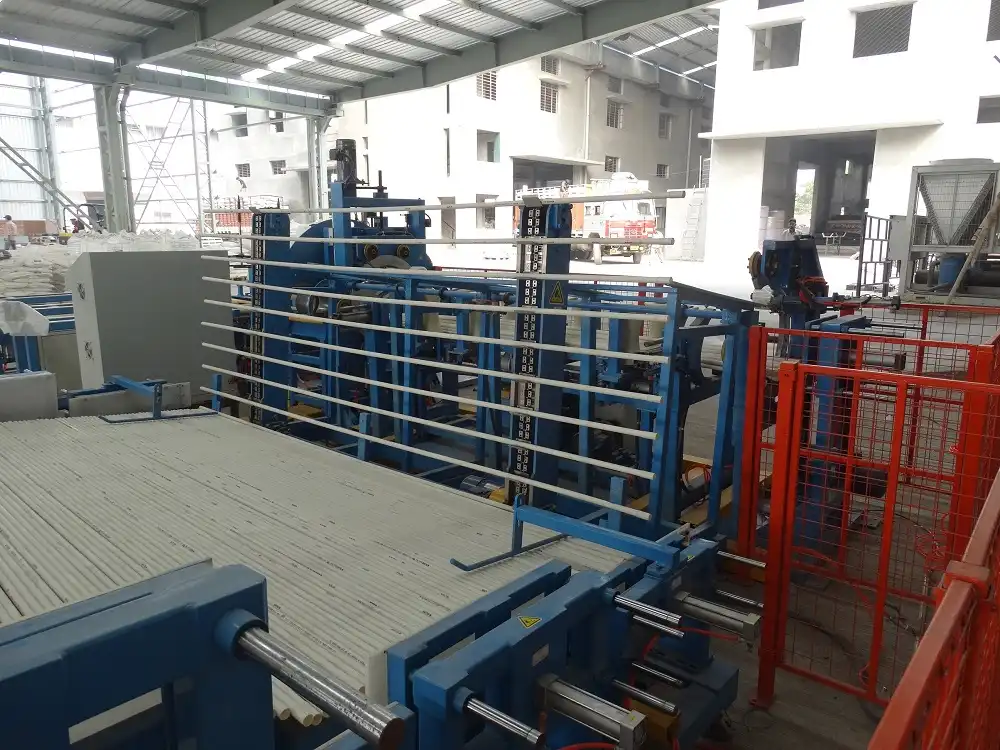
Fine-Tuning Machine Parameters for Robust Performance
Operating PVC pipe bagging machines in harsh environments requires a nuanced approach to machine settings. Generic settings optimized for standard conditions will likely lead to inefficiencies, material waste, and potential failures.
- Sealing Temperature and Dwell Time: Both high and low temperatures impact the effectiveness of sealing. In hot environments, reduce sealing temperature to prevent film melting or distortion. In cold environments, increased sealing temperature and longer dwell times may be needed to ensure a strong seal. Experimentation and testing are crucial.
- Sealing Pressure: Adjust sealing pressure to compensate for changes in film conformability. Lower temperatures may require increased pressure, while high temperatures may necessitate a reduction to prevent film damage. Careful calibration is essential.
- Film Tension Control: Maintain film tension within the recommended range to prevent breakage or stretching. Cold temperatures often reduce film elasticity, requiring lower tension settings. High temperatures can cause the film to become more pliable, requiring slightly higher tension. Precise tension control mechanisms are highly beneficial.
- Cycle Speed: Slowing down the bagging cycle speed can improve seal quality and reduce mechanical stress, particularly in extreme temperatures. While this may slightly reduce throughput, it enhances reliability and minimizes waste.
- Pneumatic System Adjustments: If the machine uses pneumatic systems, ensure air lines are insulated and consider using air dryers to prevent moisture buildup and freezing. Lubricants in pneumatic components may also need to be cold- or heat-resistant, depending on the operating environment.
Table: Recommended Machine Adjustments for Harsh Environments
| Parameter | Adjustment in High Temperatures | Adjustment in Low Temperatures | Justification |
|---|---|---|---|
| Sealing Temperature | Reduce to prevent film melting/distortion | Increase to ensure proper seal formation | Temperature affects film properties; adjustments ensure seal integrity. |
| Sealing Pressure | Reduce to prevent film damage | Increase to compensate for reduced film conformability | Correct pressure ensures a strong and consistent seal without damaging the film. |
| Film Tension | Slightly increase to prevent slack | Reduce to prevent breakage due to reduced elasticity | Proper tension prevents tearing and ensures smooth film unwinding and bag formation. |
| Cycle Speed | Maintain or slightly reduce to prevent overheating | Slow down to improve seal quality and reduce mechanical stress | Slower speeds allow for better heat transfer and reduce stress on the film and machine components. |
| Pneumatic System | Ensure adequate cooling and moisture removal | Insulate air lines and use air dryers to prevent moisture buildup | Prevents malfunctions due to overheating, freezing, or condensation in the pneumatic system. |
By meticulously adjusting these parameters, operators can ensure that the PVC pipe bagging machine functions reliably and efficiently in harsh environments.
Implementing Enhanced Maintenance Protocols
Enhanced maintenance protocols are crucial for the long-term reliability of PVC pipe bagging machines operating in harsh environments. Regular maintenance prevents breakdowns, while proactive monitoring allows for timely intervention and issue resolution.
For PVC pipe bagging machines in harsh environments, enhanced maintenance protocols include more frequent inspections of wear parts, increased lubrication with specialized lubricants, and regular cleaning to remove dust and corrosive substances. Real-time monitoring of key performance indicators is also essential.

The Role of Preventative Maintenance
The goal of preventative maintenance is to preemptively address potential issues and prevent catastrophic failures. Key components to monitor include bearings, rollers, sealing bars, and electrical connections.
Creating a Rigorous Maintenance Schedule
| Maintenance Task | Frequency | Focus | Benefit |
|---|---|---|---|
| Lubrication | Daily/Weekly | Use high-performance, temperature-resistant lubricants | Reduces friction, prevents wear, and ensures smooth operation under extreme conditions |
| Cleaning | Daily | Remove dust, debris, and corrosive substances from all components | Prevents buildup that can lead to overheating, corrosion, and mechanical failure |
| Inspection | Weekly/Bi-weekly | Check for wear, damage, and misalignment of critical parts | Identifies potential issues early, allowing for timely repairs and preventing more serious breakdowns |
| Calibration | Monthly | Calibrate sensors, sealing bars, and tension controls | Ensures accurate and consistent operation, preventing errors and waste |
| Parts Replacement | As Needed | Replace worn or damaged parts promptly | Maintains optimal performance and prevents further damage to other components |
| Electrical System Checks | Quarterly | Inspect wiring, connections, and control panels for corrosion | Prevents electrical failures and ensures safe operation |
| Pneumatic System Service | Monthly | Drain moisture traps and check for leaks | Ensures reliable pneumatic operation and prevents freeze-ups or corrosion |
Real-Time Monitoring
Real-time monitoring systems can provide immediate insights into machine performance. Key metrics to monitor include:
- Temperature of critical components (motors, sealing bars)
- Vibration levels (bearings, rollers)
- Cycle times
- Film breakage frequency
- Downtime events
By combining preventative maintenance with proactive monitoring and data analysis, operators can ensure that PVC pipe bagging machines consistently deliver high performance and reliability, even in the most demanding environments.
Implementing Environmental Control Measures
Implementing environmental control measures is an often-overlooked but essential aspect of maintaining PVC pipe bagging machines in harsh conditions. Controlling temperature, humidity, and dust levels can significantly reduce the stress on machine components and extend their lifespan.
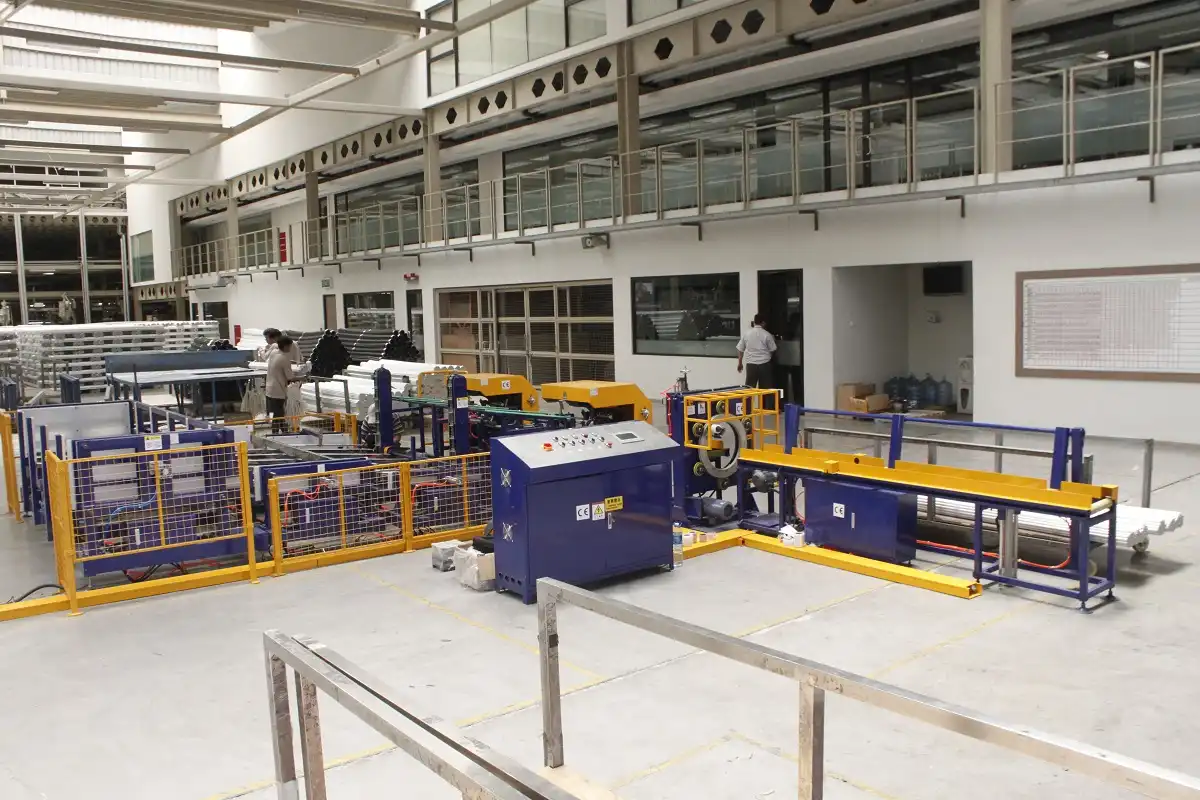
Environmental control measures for PVC pipe bagging machines in harsh environments include installing climate control systems to regulate temperature and humidity, using air filtration systems to remove dust and particulates, and implementing localized shielding to protect against chemical exposure.
Creating a Controlled Environment
Temperature Regulation
- Climate Control Systems: Install air conditioning or heating systems to maintain a consistent temperature within the operating environment.
- Insulation: Insulate the bagging area to minimize temperature fluctuations.
- Localized Cooling/Heating: Use fans or heaters to provide targeted temperature control for specific machine components.
Humidity Control
- Dehumidifiers: Use dehumidifiers to reduce humidity levels, preventing corrosion and condensation.
- Sealed Enclosures: Enclose sensitive components in sealed enclosures to protect them from moisture.
- Desiccants: Place desiccants near electrical components to absorb moisture.
Dust and Particulate Control
- Air Filtration Systems: Install HEPA filters to remove dust and particulates from the air.
- Positive Pressure Ventilation: Maintain positive pressure within the bagging area to prevent dust from entering.
- Regular Cleaning: Implement a rigorous cleaning schedule to remove dust and debris.
| Control Measure | Objective | Implementation | Benefit |
|---|---|---|---|
| Temperature Control | Maintain consistent operating temperature | Air conditioning, heating, insulation, localized cooling/heating | Prevents material degradation, ensures consistent performance |
| Humidity Control | Reduce moisture levels | Dehumidifiers, sealed enclosures, desiccants | Prevents corrosion, electrical shorts, and condensation |
| Dust Control | Minimize airborne dust and particulates | HEPA filters, positive pressure ventilation, regular cleaning | Reduces wear and tear on moving parts, prevents contamination |
| Chemical Shielding | Protect against corrosive chemical exposure | Localized shielding, sealed enclosures, corrosion-resistant materials | Prevents material degradation and extends equipment lifespan |
By carefully managing the environmental conditions surrounding the PVC pipe bagging machine, operators can significantly reduce the stresses placed on the equipment, minimize maintenance requirements, and ensure long-term reliability.
Training and Operational Best Practices for Sustained Performance
Proper training and adherence to operational best practices are essential for maximizing the lifespan and performance of PVC pipe bagging machines, especially in harsh environments. Well-trained operators who follow established procedures can minimize the risk of equipment damage and ensure consistent packaging quality.
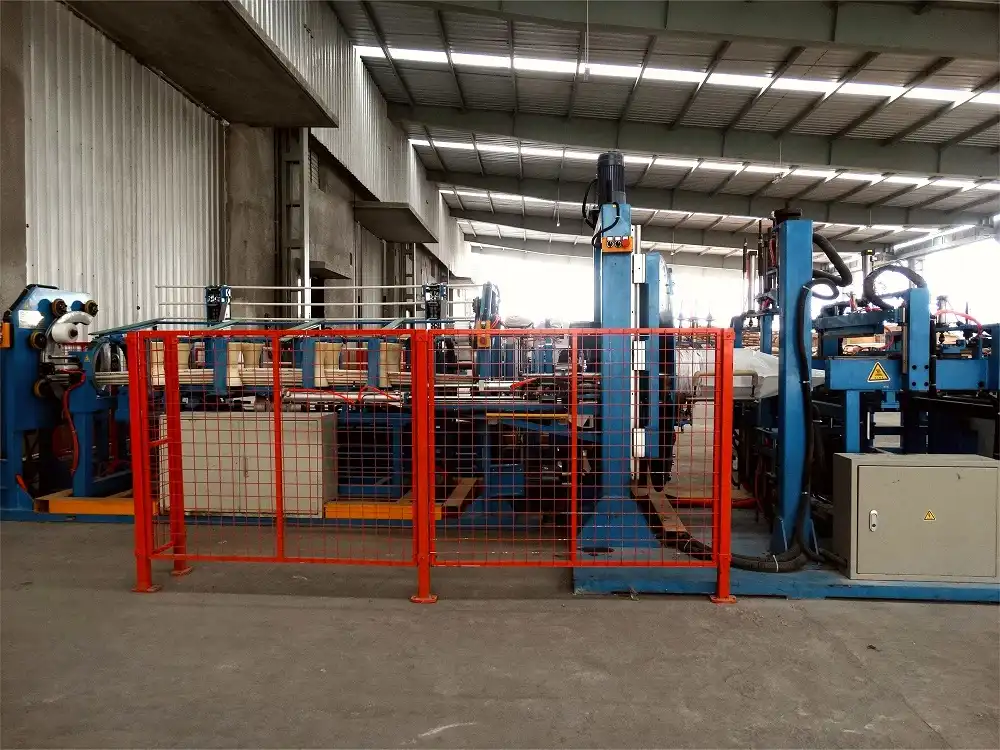
The key is providing comprehensive training to operators, establishing clear operational procedures, conducting regular performance reviews, and fostering a culture of continuous improvement.
Establish clear operational procedures and provide comprehensive training to operators on how to adjust machine settings, perform basic maintenance tasks, and identify potential issues. Regular performance reviews and a culture of continuous improvement are also essential.
Training and Skill Development
- Comprehensive Training Programs: Develop structured training programs that cover all aspects of machine operation, maintenance, and troubleshooting.
- Hands-On Training: Provide ample hands-on training to allow operators to gain practical experience.
- Certification Programs: Implement certification programs to ensure operators meet minimum competency standards.
- Continuous Learning: Encourage operators to stay up-to-date on the latest technologies and best practices through ongoing training and professional development.
Operational Procedures
- Standard Operating Procedures (SOPs): Develop detailed SOPs for all machine operations, including startup, shutdown, changeovers, and troubleshooting.
- Regular Inspections: Conduct routine inspections of the machine to identify potential issues.
- Preventative Maintenance: Follow a strict preventative maintenance schedule to ensure all components are properly lubricated, cleaned, and adjusted.
- Safety Protocols: Enforce strict safety protocols to prevent accidents and injuries.
Performance Reviews and Continuous Improvement
- Performance Metrics: Track key performance metrics, such as throughput, uptime, and waste.
- Regular Reviews: Conduct regular performance reviews to identify areas for improvement.
- Feedback Mechanisms: Establish feedback mechanisms to allow operators to provide input on machine performance and operational procedures.
- Root Cause Analysis: Use root cause analysis techniques to identify the underlying causes of problems and implement effective solutions.
By investing in training and implementing robust operational best practices, businesses can maximize the performance and longevity of their PVC pipe bagging machines, even in the most challenging environments.
Conclusion
Maintaining PVC pipe bagging machines in harsh environments requires a multifaceted approach. From selecting durable materials and optimizing machine settings to implementing enhanced maintenance protocols and environmental control measures, every aspect of operation must be carefully considered. By prioritizing these strategies, businesses can ensure their bagging processes remain efficient, reliable, and cost-effective, even under the most demanding conditions. Implementing robust preventative maintenance program can maximize motor lifespan, minimizing downtime, and achieving optimal productivity in PVC pipe bagging processes.








